REVIEW · ARUSHA
4 Days Private Safari – Tarangire, Serengeti & Ngorongoro Crater
Book on Viator →Operated by Rupia Adventure · Bookable on Viator
Watching lions isn’t the whole story here. This 4-day northern Tanzania safari links Tarangire, the Serengeti, and Ngorongoro Crater into one tight route with nonstop wildlife chances and hands-on guiding. I especially liked how the plan gives you multiple shots at the action, with full game drives in Tarangire and Serengeti, then a long crater descent on Day 4.
What I really liked is the hands-on camping setup: waterproof 2-person tents with mosquito nets, plus camping gear and meals included. One thing to consider up front is that this is camping-based travel; if you expect a hotel, you’ll need to adjust your comfort expectations.
In This Review
- Key things to know before you go
- What You’re Really Buying in 4 Days
- Day 1 in Tarangire: Baobabs, Swamps, and Elephant Herd Math
- Day 2 in Serengeti: Why Seronera Is a Wildlife Magnet
- Day 3 From Serengeti to Ngorongoro: Maasai Grazing Makes It Different
- Day 4 Ngorongoro Crater: The 5-Hour Floor Shot
- Camping Comfort: Waterproof Tents, Mosquito Nets, and Real Expectations
- The People Who Make This Safari Feel Smooth
- Timing, Vehicle Time, and How to Get Better Sightings
- Private Setup, Small-Group Feel, and Who It Suits Best
- Price and Logistics: Value, Payments, and Tips
- Weather and Wildlife Realities (The Part Nobody Can Control)
- Should You Book This 4-Day Private Safari?
- FAQ
- What parks are included on this 4-day safari?
- Is hotel pickup included?
- What kind of accommodation is included?
- Are meals included in the price?
- Does the safari include mobile tickets?
- Are tips included?
- What is the cancellation window?
Key things to know before you go
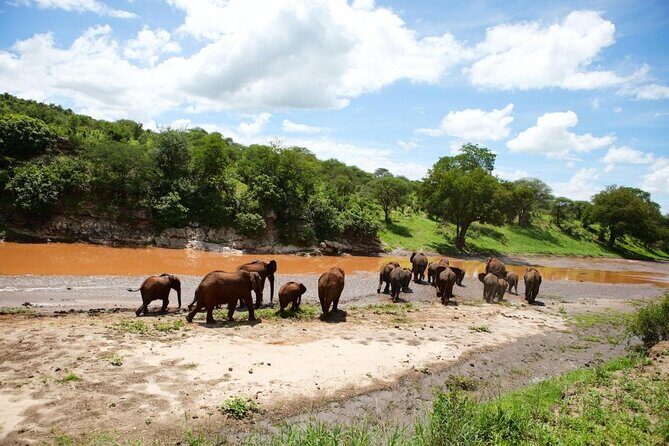
- Tarangire’s dry-season animal pull: river and swamp areas concentrate wildlife, especially elephants.
- Seronera River in the Serengeti: a key water source that helps hold animals in a prime area.
- Ngorongoro is Maasai-managed: the crater area supports wildlife and Maasai grazing side by side.
- A long crater drive window: about 5 hours on the crater floor, where the density of animals is the main event.
- Camping gear and meals included: waterproof tents, mosquito nets, and your food are part of the package.
- Big Five focus comes from timing and location: Serengeti is where you’ll chase that checklist most actively.
What You’re Really Buying in 4 Days
At $1,500 per person for roughly four days, this isn’t a budget safari. The value comes from three things packed together: park time, guiding time, and meals plus camping gear.
You get pickup offered from your hotel, all fees and taxes covered, and a full set of meals (three breakfasts, four lunches, three dinners). That matters because many low-cost deals hide money in add-ons. Here, the essentials are already part of the package, so you can spend your mental energy on the reason you’re going: seeing animals.
The route is also smart. Tarangire and Serengeti give you wide-ranging game drives. Ngorongoro flips the script with a crater “amphitheater” effect—same size of day drive, but far more animal crossings and predator opportunities.
You can also read our reviews of more private tours in Arusha
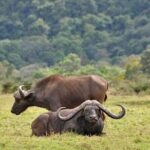

Day 1 in Tarangire: Baobabs, Swamps, and Elephant Herd Math
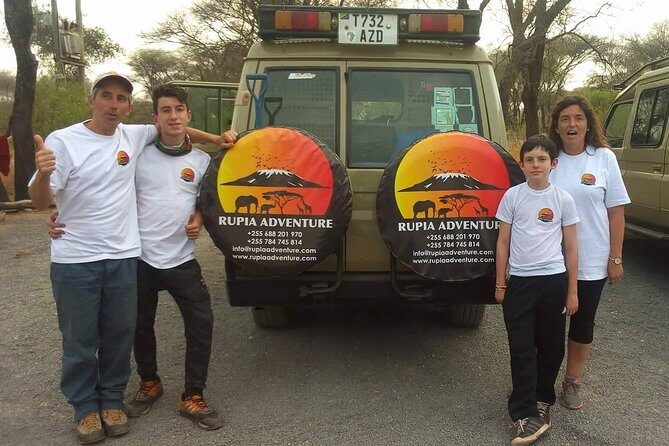
Day 1 is built for a classic first-safari rhythm: pickup at 8:30 AM, then a drive into Tarangire National Park with a full day game drive and a picnic lunch.
Tarangire’s habitat mix is the point. You’ll be moving through acacia woodland and giant African baobabs, plus swamp areas in the south. In Tanzania’s dry season, the river and swamps act like wildlife magnets—so your odds don’t rely only on luck and open grass.
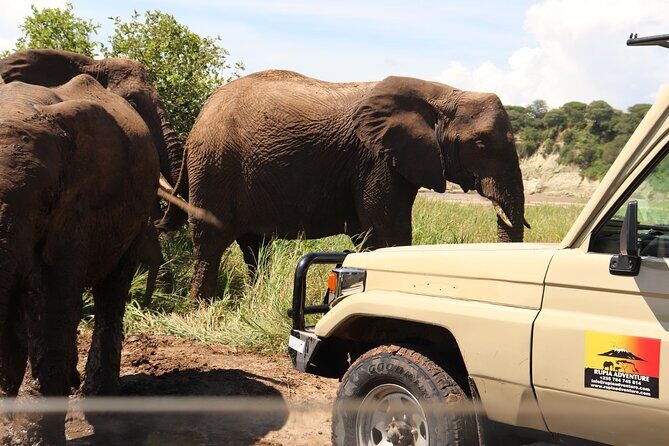
This park also has a strong elephant identity. It’s reputed to hold some of the largest elephant herds in Africa, and Tarangire is one of the places where you can watch herd behavior, not just individual animals.
If you like the smaller wildlife details, Tarangire brings rare-species hope too, including Greater Kudu, Fringed-eared Oryx, and Asphy Starlings. (That’s a fun bonus because not every safari plan gives you a bird-and-browsers angle.)
Practical note: you’ll be switching from “travel day” mode into “game drive mode” fast. Dress like you’re going to be outside all day.
Day 2 in Serengeti: Why Seronera Is a Wildlife Magnet
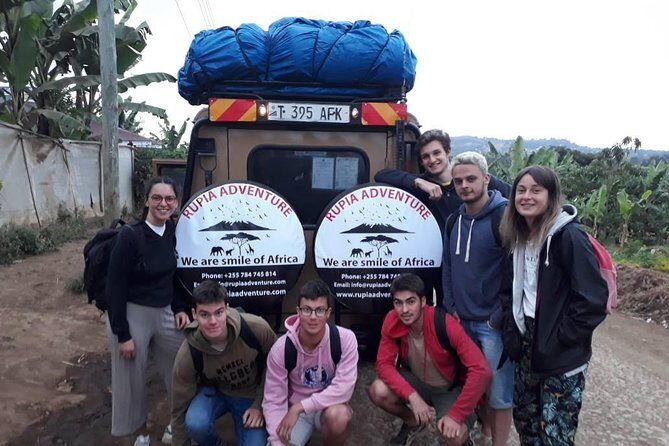
After breakfast, the route moves toward Serengeti via Karatu and the Ngorongoro Conservation Area. You’ll descend from the highlands into the Serengeti’s central park area—described as endless plains stretching out as far as you can see.
The key wildlife area on Day 2 is Seronera. It’s tied to the Seronera River, and that water source is what pulls animals into that section of the park. It’s a common safari lesson: animals follow water. This day is structured around that logic.
You arrive for lunch, then get an afternoon game drive in the Serengeti. Afternoon drives can still be excellent for predators and big-game encounters, especially because Serengeti sightings often come in waves. One minute you’re scanning for something specific; the next minute you’re watching a chase, a stand-off, or a herd move like a slow-moving tide.
This is also where the “Big Five” chase becomes realistic. The program explicitly frames Serengeti as the place where you have a chance to see lion, leopard, rhino, elephant, and African buffalo. No safari can promise all five on a single trip, but the plan’s geography and timing point you toward the highest-probability zone in this itinerary.
Day 3 From Serengeti to Ngorongoro: Maasai Grazing Makes It Different
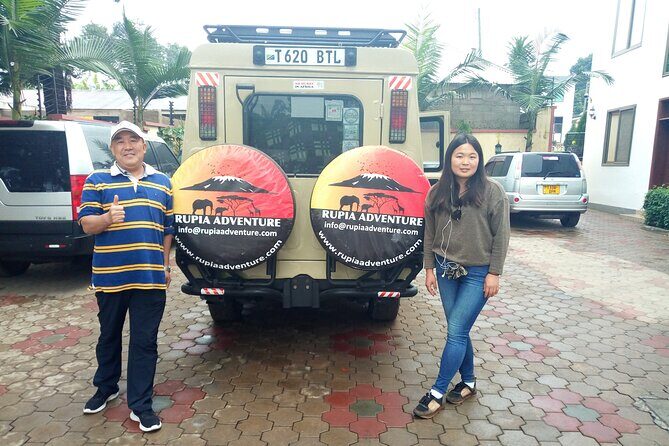
Day 3 starts with an early breakfast and one more morning game drive in the Serengeti. Then you head to the Ngorongoro Conservation Area, with an en-route game drive and picnic lunch.
This is where the tour gets interesting in a way that isn’t just wildlife. Ngorongoro is managed as a conservation area, not a national park. The land is used by local Maasai people, who graze cattle alongside indigenous wildlife. That means the scenery and the human presence are part of the conservation story, not separate from it.
The en-route game drive can be a helpful way to avoid “empty hours.” On many safaris, the transfer days are when people feel like they missed something. Here, you’re still driving in wildlife country and still stopping for sightings along the way.
Day 4 Ngorongoro Crater: The 5-Hour Floor Shot
Day 4 is your crater day. After breakfast, you descend into the Ngorongoro Crater for about 5 hours of game drive, with a picnic lunch on the crater floor.
The crater is famous for density. The plan highlights an estimated 30,000 animals in this setting, supported by year-round water supply and fodder. In other words, animals don’t have to spread out as far to survive here.
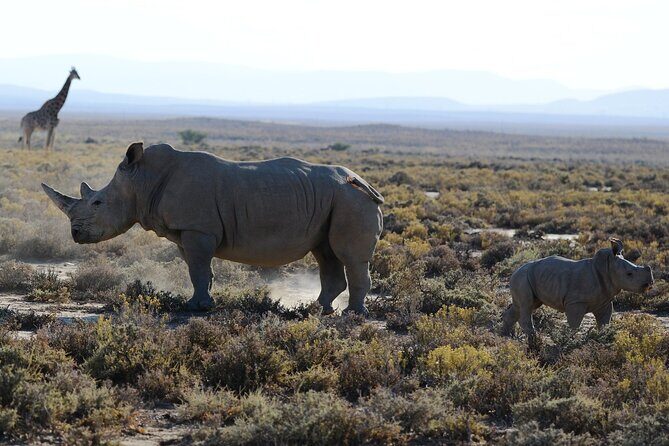
This is also where black rhino enters the conversation. The crater is described as home to some of Tanzania’s last remaining black rhino, and the density makes it easier to keep seeing tracks, movement, and animal groups throughout the drive.
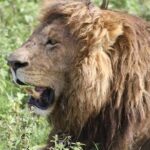
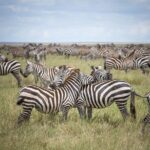
You can also expect a broad mix of species listed in the itinerary: wildebeest herds, zebra, buffalo, eland, warthog, hippo, and giant African elephants. Predator potential is a big draw too—lions, hyenas, jackals, cheetahs, and the ever-elusive leopard.
That last one is key. In the crater, you’ll still need patience and scanning time. But the plan’s length—5 hours—gives you that patience margin instead of rushing you through.
In late afternoon, you drive back to Arusha and drop off at your hotel.
A few more Arusha tours and experiences worth a look
Camping Comfort: Waterproof Tents, Mosquito Nets, and Real Expectations
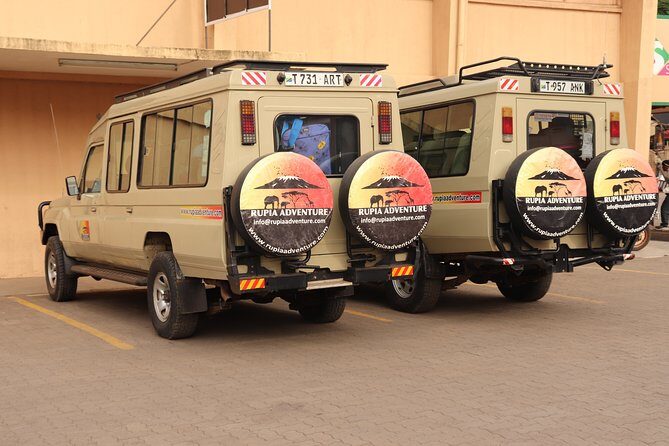
Your accommodation is camping, not lodges. The setup described is waterproof 2-person tents with mosquito nets, and camping equipment is included.
If you’re thinking hotel-style comfort, you’ll need to recalibrate. You’re sleeping in a temporary shelter outside. That’s part of why the experience feels direct and real—yet it also means temperature swings, nighttime sounds, and basic camp routines.
A practical way to enjoy this more is to pack for comfort in a loose, layered way. Even if the days are warm, the tent nights can feel different from the midday heat. Also, mosquito nets help, but they don’t replace the value of wearing something light and protective in the evening.
Because tents are waterproof, you’re set for typical rain situations, but weather always has its quirks in northern Tanzania. Plan to be flexible, and you’ll have a calmer trip.
The People Who Make This Safari Feel Smooth
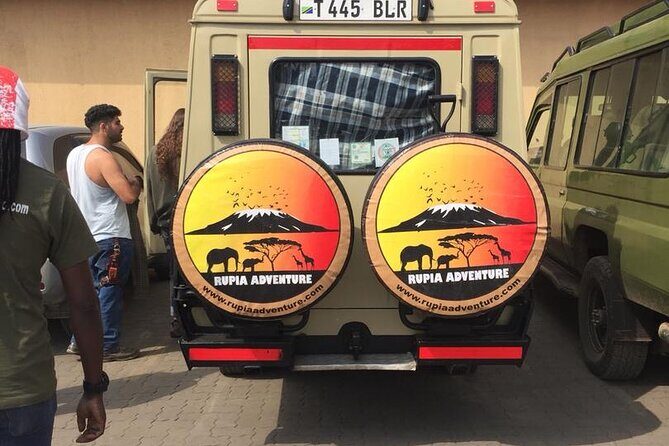
On safaris, the driver and guide are everything. Here, the guiding style is consistently framed as animal-spotting skill plus explanation.
You’ll see guide names like Pendael, Bakari, Joseph, Waldo, Erasto (also seen as Ernasto in one note), Mirage, Miraji, and Erasto again across different trips. The pattern is clear: these guides focus on spotting and on connecting what you see to the plants and animal behavior around you.
Then there’s the cooking team. Cook David is repeatedly mentioned for daily meal quality, and that matters more than it sounds. Long drive days can wear you down. Good food isn’t luxury here; it’s energy management.
That said, I want to be fair. Not every comment is perfect. One note describes a vehicle in poor condition, frequent stops, and logistics problems, along with a guide who wasn’t well equipped. That’s uncommon based on the overall rating, but it’s enough that you should ask questions before you go—especially about vehicle condition and the exact camping setup for your dates.
Timing, Vehicle Time, and How to Get Better Sightings
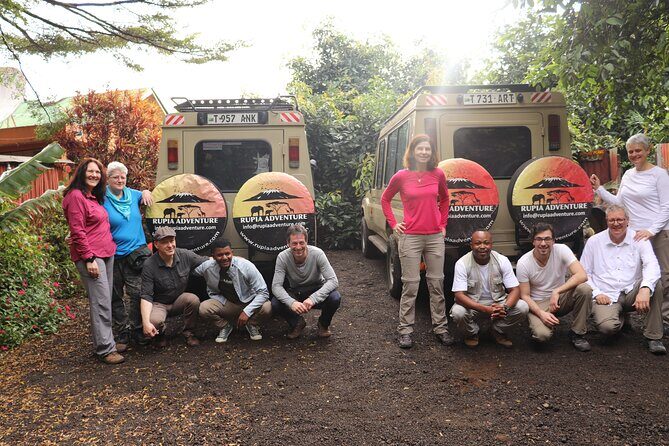
This itinerary is built around a simple safari truth: sightings often come when you spend enough hours looking well.
You’ll start early on multiple days. Day 1 is a full drive day after an 8:30 AM pickup. Day 2 includes an afternoon drive after lunch. Day 3 adds another morning drive before transferring. Day 4 gives you about 5 hours on the crater floor.
That schedule is good for two reasons. First, it increases the total time you’re actively searching. Second, it balances the day so you’re not exhausted by constant driving without breaks.
If you want better results, do your part too. Keep your eyes moving between scan lines (far grass, mid-distance, and near shadows). When the guide slows down, it’s usually for a reason—so don’t assume you can look later. Also, bring patience for leopard sightings. Ngorongoro includes leopard as an objective, but the plan calls it ever-elusive for a reason.
Private Setup, Small-Group Feel, and Who It Suits Best
This is described as a private tour/activity, and that generally means you won’t be squeezed with strangers in a giant bus group.
In practice, safari vehicle counts can vary with group size. Some trips on this route have been run with small groups and a couple vehicles, but the goal stays the same: keep the experience flexible and focused on your sightings, not on herding people.
This tour fits best if you:
- Want a first-time northern Tanzania route that hits the big names: Tarangire, Serengeti, Ngorongoro.
- Prefer camping-style authenticity over lodge-only comfort.
- Like guides who explain what you’re seeing, not just drive you from stop to stop.
- Are okay with long game drive hours and early starts.
If you’re a comfort-first traveler or you’re easily bothered by basic camping conditions, you might want to ask whether you can choose a lodge option for extra cost, since that was offered in at least one past booking note.
Price and Logistics: Value, Payments, and Tips
Let’s talk money honestly. At $1,500 per person, you’re paying for:
- All fees and taxes included
- Meals (breakfast, lunch, dinner across the days)
- Camping gear and tent accommodation with mosquito nets
- Park time across three major wildlife areas
- Pickup offered in Arusha
Tips are not included. That’s normal on safari, but it’s still money to plan for. If budgeting matters, set aside a tip amount so you don’t scramble at the end.
On payments, there’s one realistic caution: if you’re relying on card or bank transfers, confirm what they expect from you before arrival in Tanzania. One booking note described trouble paying due to Tanzanian banking restrictions. It’s not guaranteed that this will affect you, but it’s a good reason to confirm the payment method in writing early.
Finally, there’s a mobile ticket included. That’s helpful for paperwork. Just double-check the actual meeting time with the operator the moment you get confirmation, since the provided start-time field looks inconsistent with the Day 1 pickup at 8:30 AM.
Weather and Wildlife Realities (The Part Nobody Can Control)
This type of safari requires good weather, and that’s built into the experience terms. When conditions are rough, parks and sightings can change.
Wildlife sightings also aren’t guaranteed. But the itinerary does everything it can to stack the odds:
- Tarangire concentrates animals around water in dry season.
- Serengeti’s Seronera River area supports strong wildlife density.
- Ngorongoro’s crater provides year-round water and fodder, with very high animal numbers.
So even if a specific predator moment doesn’t happen on schedule, you’re still in three of the most wildlife-saturated places in the region for a short trip.
Should You Book This 4-Day Private Safari?
I’d book this if you want a tight, high-activity route across Tarangire, Serengeti, and Ngorongoro, and you’re comfortable with tent camping. The included meals and camping gear are a big value win, and the repeated praise for experienced guides—people like Joseph, Bakari, and Pendael—suggests you’re in safe hands when it comes to spotting and explaining animals.
I would pause and ask extra questions if camping doesn’t fit your comfort needs, or if you’re picky about vehicle condition. One negative note about logistics and vehicle condition is enough to justify a quick pre-trip check: confirm vehicle reliability, confirm tent setup details, and confirm what level of support you’ll have at campsites.
If you get clear answers and you’re ready for real safari life—early mornings, long drives, and animal density—this is the kind of trip that gives you stories for years, not just photos.
FAQ
What parks are included on this 4-day safari?
The itinerary includes Tarangire National Park, Serengeti National Park, and the Ngorongoro Crater area within the Ngorongoro Conservation Area.
Is hotel pickup included?
Yes. Pickup from your hotel is offered.
What kind of accommodation is included?
You’ll stay in waterproof 2-person tents with mosquito nets at public campsites, located inside or outside the parks.
Are meals included in the price?
Yes. The package includes three breakfasts, four lunches, and three dinners, plus camping equipment.
Does the safari include mobile tickets?
Yes. Mobile ticket is included.
Are tips included?
No. Tips are not included.
What is the cancellation window?
You can cancel up to 3 days in advance of the experience for a full refund. If you cancel less than 3 days before the start time, the amount you paid is not refunded.