REVIEW · ZANZIBAR CITY
ZANZIBAR, Stone town tour, Prison Island & Spice farm
Book on GetYourGuide →Operated by WINGS TOURS 52 · Bookable on GetYourGuide
One of the best ways to understand Zanzibar is by walking it. This Stone Town plus Prison Island plus spice farm tour strings together Stone Town details you’d miss on your own, a smell-first spice farm visit, and an easy boat ride ending with the calm of changuu (Prison Island) tortoises. I especially liked having a guide who can connect the streets to the trade and the sad parts of the slave era, and I really enjoyed the farm meal built around what you’d just tasted. The main catch: parts of the day can feel a bit fast, and some sights may be under renovation at the time you go.
This is a 7-hour, mostly-transport-and-walk day, so it works best if you’re comfortable with crowds in markets and a couple of short water-and-land crossings. You’ll get a van ride, a speedboat to the island, and a guided schedule with some breathing room for photos and shopping in Stone Town. If you have back/heart issues, strong mobility limits, or animal allergies, it’s smart to choose a gentler option instead.
In This Review
- Key takeaways before you book
- Stone Town’s carved doors and trade routes you can’t unsee
- Walking Stone Town: from Sultan’s Palace vibes to shopping time
- Spice farm: why Zanzibar is still called Spice Island
- Prison Island (changuu): giant tortoises and a darker chapter from the 1860s
- Timing, transport, and what the 7 hours really feels like
- Price and value: what you pay $125 for, and what costs extra
- Who this tour suits best (and who should skip it)
- My take: should you book this Stone Town + Prison Island + Spice Farm day?
- FAQ
- How long is the Stone Town, Prison Island, and Spice farm tour?
- What is the price per person?
- Is Prison Island entrance included in the price?
- Does the tour include hotel pickup and drop-off?
- What transportation is used during the day?
- What languages are available for the live guide?
- What should I bring, and what’s not allowed?
Key takeaways before you book

- Stone Town guided time that actually connects the dots: Sultan’s Palace area, Arab mansions, and the slave-trade story in a way that makes the streets make sense
- Spice farm that’s more than a sales stop: you’ll smell, touch, and taste multiple crops, then eat a traditional Swahili lunch on-site
- Prison Island changuu is calm and specific: 200-year-old giant tortoises, plus the historical prison angle from the 1860s
- A guide can change the whole day: I’d plan this around your guide—people are especially happy with guides like Hassan and Felix
- Private group feel, public-place reality: you’ll have a flexible day, but markets and narrow lanes still bring normal foot-traffic
Stone Town’s carved doors and trade routes you can’t unsee
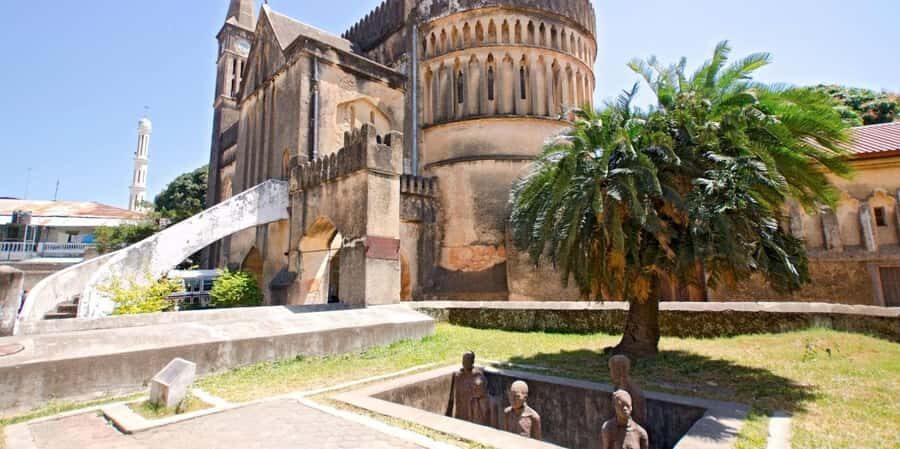
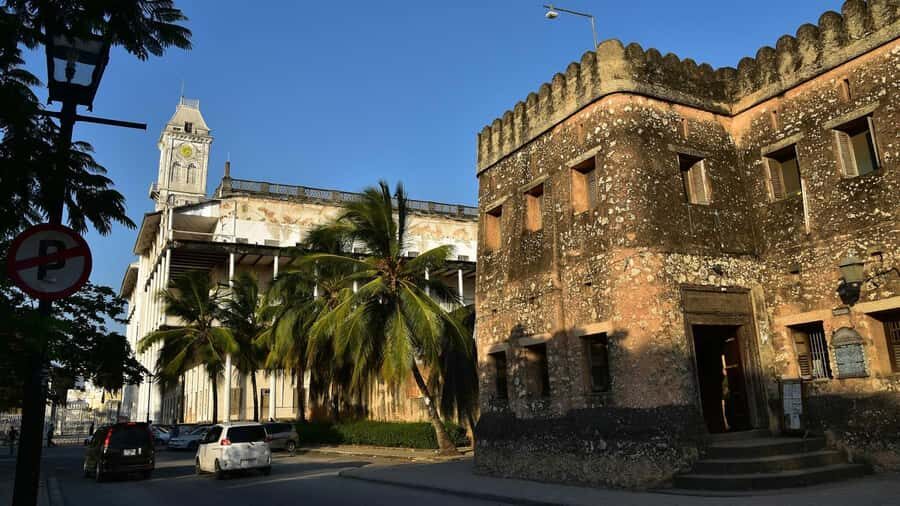
Stone Town is where Zanzibar’s story shows up in physical form. In a UNESCO World Heritage setting since 2000, you see a mix of Arabian, Indian, Persian, and European influence in doorways, buildings, and street layout—then you also see the brutal side of the port’s power.
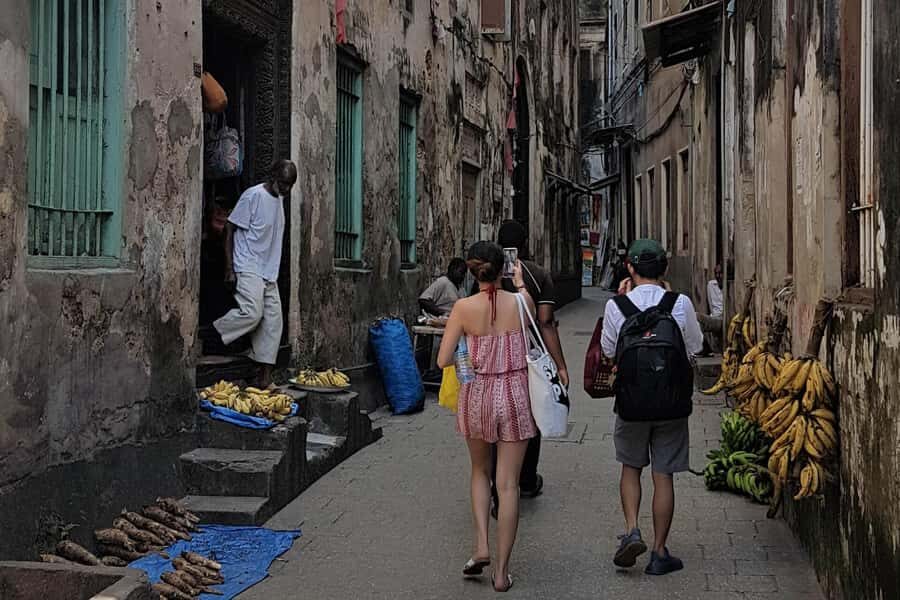
What I like about a guided approach here is how quickly you stop treating it like a photo-op and start treating it like a living history lesson. The best moments aren’t the big signs; they’re the small details, like exquisitely carved Zanzibari hardwood doorways and the way older structures hide whole eras behind their walls.
You’ll also get a clear look at how slave trading shaped the city. It’s not presented like a lecture you can mentally skip; it’s woven into the places themselves, including stops tied to slave markets and the daily market rhythm.
A few more Zanzibar City tours and experiences worth a look


Walking Stone Town: from Sultan’s Palace vibes to shopping time
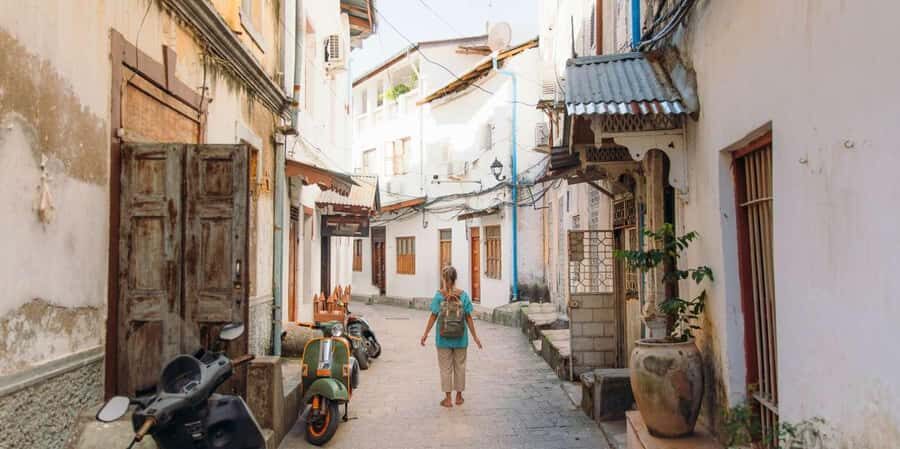
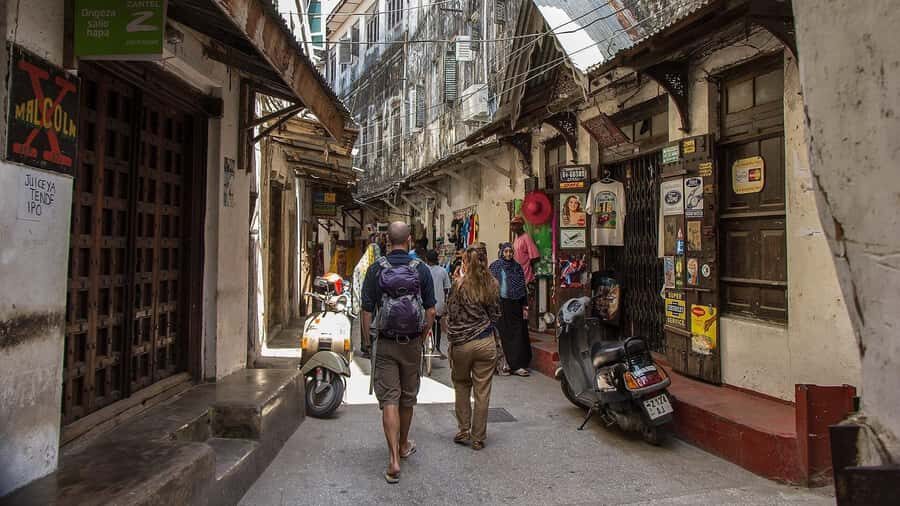
Your Stone Town portion is a walking tour through the oldest part of Zanzibar City. Expect narrow streets, photo breaks, and time built in for looking, asking questions, and then doing some shopping later if you want.
A few things I’d put on your mental checklist for Stone Town:
- Sultan’s Palace area and the bigger-palace feel of the district
- Arab mansions and the era when the city functioned as a major crossroads
- Daily markets (a great place to watch how people shop, snack, bargain, and move)
Because this part is on foot, you’ll want comfortable shoes more than you’ll want dressy sandals. Also, plan your camera habits: you’ll be taking pictures of carved wood, alley angles, and storefront life—not just big monuments.
One practical consideration: the pacing can feel quick. One guest noted the city tour was a bit fast, and that’s exactly the risk with a packed day. If you love to linger, use your guide’s free time to circle back for a second look at the spots that grabbed you.
There’s also a chance that some buildings or sights may be under renovation while you’re there. If that happens, treat it as a reminder that Stone Town is still actively used—not a frozen museum.
Spice farm: why Zanzibar is still called Spice Island
After the city, you head to a spice plantation where the focus shifts from history to your senses. This is the kind of tour that starts with smell and ends with food, and that makes the learning stick.
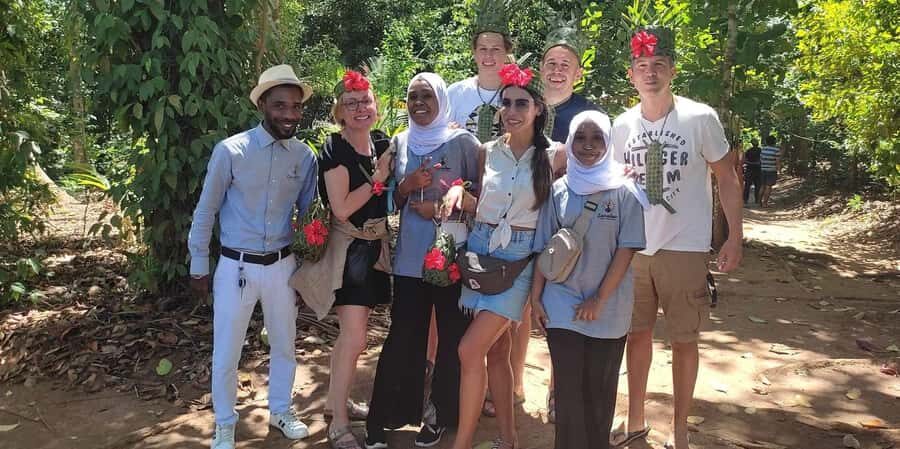
You’ll learn why Zanzibar earned the nickname Spice Island by producing globally famous spices like clove, nutmeg, and cinnamon. But the more useful part is that you don’t just hear about spices—you smell them, touch the plants, and get to taste some of the crops.
Here’s what you can expect to encounter on the farm tour, based on what’s listed:
- coconut and papaya
- chili and black pepper
- cinnamon, turmeric, vanilla, cardamom
- cassava and cloves
- lemongrass
There’s also mention of a special visitor: Zanzibar butterfly (coconut climber). You might spot it depending on timing and conditions, but at minimum it signals that your walk includes wildlife-aware moments, not just farm rows.
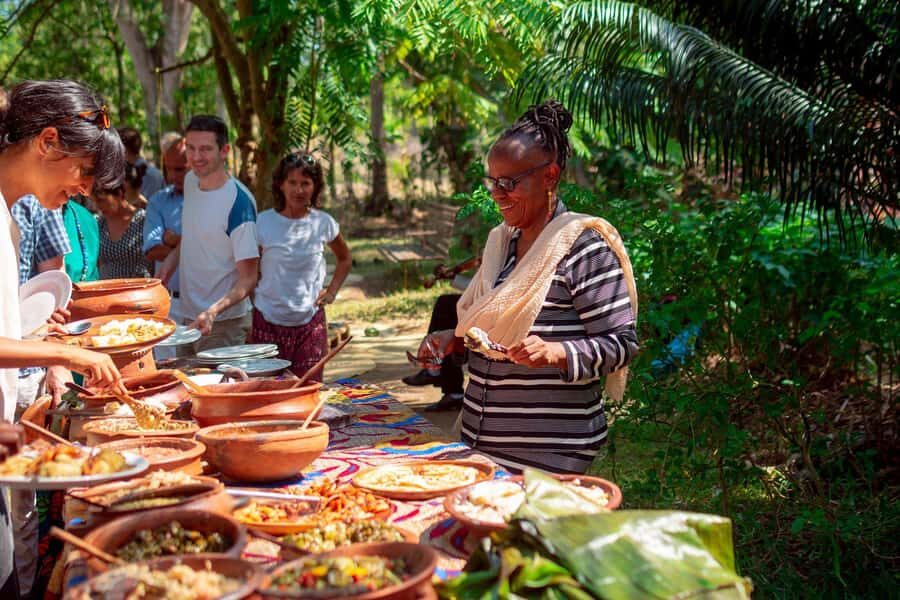
Then comes the moment I always think is the best value: lunch. After the guided tour, you’ll eat a traditional Swahili lunch on the farm—local food tied to what you just learned. This is where the day stops feeling like a checklist and starts feeling like you’re understanding how spices shape everyday cooking.
Prison Island (changuu): giant tortoises and a darker chapter from the 1860s

Your day finishes with a speedboat ride offshore to Prison Island, known in Swahili as changuu. The ride itself is part of the payoff, because the water views reset your brain after hours in streets and farmland.
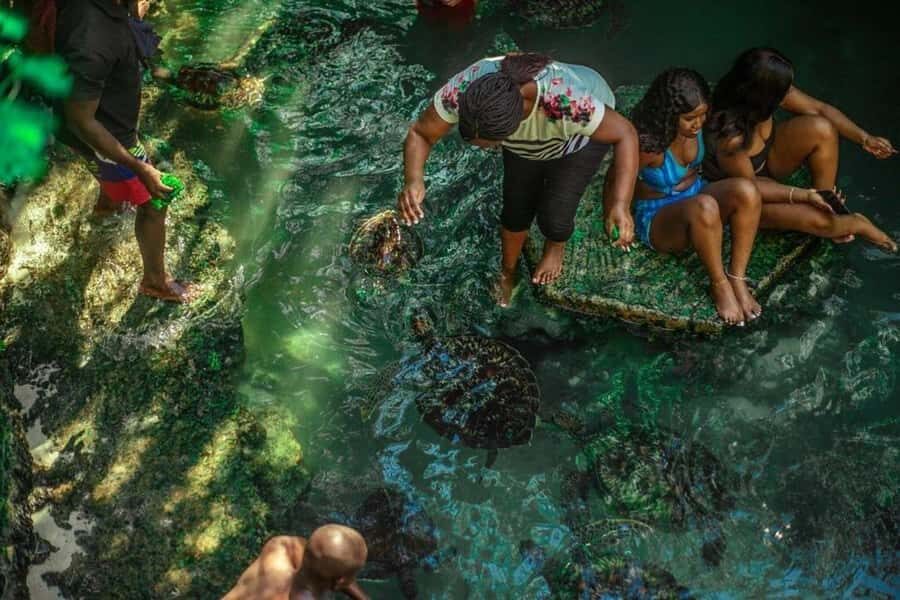
On the island, the main draw is the giant land tortoises. They’re Aldabra giant tortoises, imported from Seychelles, and the sanctuary experience is set up so you can touch and feed them. These aren’t quick, “look from a distance” animals. You get a more relaxed, up-close time with creatures that feel ancient.
The details that matter:
- the sanctuary includes a tortoise estimated around 200 years old as the oldest resident
- many weigh around 200 kg on average
- they can live over 100 years
And you also get the historical context. Prison Island was used as a prison for rebellious slaves in the 1860s. That mix—gentle sanctuary time plus a real, heavy history—makes this stop more memorable than the typical animal photo session.
How to make it enjoyable: bring water for yourself (even if lunch is included later), keep your expectations calm, and don’t rush the tortoise time. This is one of those places where you feel the difference between a quick visit and a real moment.
Timing, transport, and what the 7 hours really feels like
This is built as a one-day trip, typically about 7 hours total, with hotel pickup included. Transport is straightforward: a van gets you between areas, and speedboats handle the water crossings.
Here’s why timing matters for this exact route:
- Stone Town on foot can slow down fast once you stop for photos, shops, and market scenes
- The spice farm portion depends on walking pace and how long you spend tasting
- Prison Island needs a steady, unhurried rhythm once you’re off the boat
The tour includes breaks and free time. In Stone Town, you’ll have a break, a photo stop, guided time, and time that’s explicitly open for shopping and sightseeing. On Prison Island, you also get a safety briefing as part of the flow, so don’t plan to wander off on your own.
What to pack (what’s actually listed) and why:
- Sunglasses: strong sun on the water and in open farm areas
- Camera: you’ll want the carved door details and the tortoise moments
- Beachwear: handy for the boat-and-island feel
- Cash: useful since Prison Island entrance fees are not included in the base price




Price and value: what you pay $125 for, and what costs extra
The listed price is $125 per person for the day, and that matters because you’re paying for more than “a guide.” Included items cover hotel pickup and drop-off, a guide fee, boat travel, entry tickets (with one key exception), and government taxes. Lunch is included as well—local food prepared on the spice farm.
The one extra cost to plan for is Prison Island entrance fees, listed at $15. Budget that in so the total doesn’t surprise you later.
Is it good value? For most people, yes, because the route bundles three high-interest stops that are hard to connect efficiently on your own—Stone Town history, spice farm learning with lunch, and Prison Island tortoise time with boat transport. You’re also saving the hassle of organizing transport and figuring out timing between the city, farm, and island.
The value equation improves further if your guide is strong. In the notes you shared, guides like Hassan and Felix were specifically praised for clarity and flexibility, and that kind of guidance turns Stone Town from “pretty buildings” into “I understand what I’m seeing.”
Who this tour suits best (and who should skip it)
This is a solid fit if you want a guided day that mixes culture, food, and nature without needing extra planning. It’s also a good option for people who enjoy asking questions—because the guide time is built around explanations and real context, not just walking from one sign to the next.
But it’s not ideal if you:
- are pregnant
- have back problems
- have heart problems
- use a wheelchair
- have animal allergies
- are over 70
If you’re traveling with any of those considerations, don’t push it. Pick a shorter, less physically demanding option so you can enjoy Zanzibar without forcing your body to keep up.
My take: should you book this Stone Town + Prison Island + Spice Farm day?
If you’re on Zanzibar for a short visit and you want the headline experiences—Stone Town’s distinctive architecture, spice farm sensory learning with lunch, and the calm of changuu tortoises—this is a smart book.
I’d book it especially if you like guided history that connects the past to the present and if farm-style tasting is your kind of activity. Just go in knowing the schedule is packed, so wear comfortable shoes, keep your expectations flexible about renovations, and bring cash for the Prison Island entry fee.
If that sounds like your travel style, you’ll likely come away with a day that feels like more than three stops. It feels like Zanzibar explained through streets, spices, and slow-moving giants.
FAQ
How long is the Stone Town, Prison Island, and Spice farm tour?
It’s about 7 hours in total.
What is the price per person?
The price is listed as $125 per person.
Is Prison Island entrance included in the price?
No. Prison Island entrance fees are not included and are listed as $15.
Does the tour include hotel pickup and drop-off?
Yes. Hotel pickup and drop-off are included, and you should wait in your hotel reception/lobby for your driver/guide pickup.
What transportation is used during the day?
You’ll travel by van, then take a speedboat to Prison Island and back.
What languages are available for the live guide?
The live guide is available in English, German, Italian, French, and Spanish.
What should I bring, and what’s not allowed?
Bring sunglasses, a camera, beachwear, and cash. Alcohol and drugs are not allowed, and you should avoid littering, making noise, and making fire.