REVIEW · MOSHI
West Kilimanjaro cycling Adventures
Book on Viator →Operated by Kili Bike Adventures · Bookable on Viator
West Kilimanjaro on a bike feels like a safari remix.
I like the private overnight setup, because it makes the ride feel flexible instead of rushed. I also like that you get real gear and meals included, so you’re not hunting down basics while you’re in the bush. One drawback to keep in mind: the cycling can be tougher than it looks on a map, with early starts and sections like deep sand.
This route runs through acacia woodland and open plains near Kilimanjaro, where wildlife sightings are part of the plan, not a bonus prize. You’re in an area often called Maasai Land, where nomadic Maasai herdsmen live alongside animals, so you get both scenery and culture in the same day.
If you’re aiming for an easy, couch-to-scenery day, this may not be your best fit. The tour asks for moderate physical fitness, and the “cycling on Mt Kilimanjaro” angle means you’ll likely work at least some of the time.
In This Review
- Key things to know before you go
- West Kilimanjaro on two wheels: what this trip really is
- The route vibe: acacia woodland, open plains, and Kilimanjaro views
- Day 1: pickup, bike briefing, and your first wildlife ride
- Day 1 evening: sunset moments, campfire time, and sleeping with Tanzania
- Day 2: more riding toward Kilimanjaro viewpoints, then back to real life
- Guides, wildlife spotting, and why the private format feels different
- Mountain bikes, gear, and what’s actually included
- Price and value: is $666.67 per person fair?
- Who should book this West Kilimanjaro MTB overnight?
- A quick word on trust and that strongly negative datapoint
- FAQ
- FAQ
- How long is the West Kilimanjaro cycling tour?
- Where does the tour take place?
- What’s the price per person?
- Are mountain bikes and helmets included?
- Are meals included?
- Is the tour private?
- What should I expect in terms of fitness level?
- Is alcohol included?
- Should you book West Kilimanjaro Cycling Adventures?
Key things to know before you go
- Private, not packed in: only your group rides, so pacing and stops can fit your comfort level.
- All meals included: three meals per day, plus bottled water, which matters on hot, active days.
- Bike + helmet included: you don’t need to bring your own mountain bike setup.
- Camping support is real: tents, sleeping bags, and camp furniture are provided.
- Wildlife corridor odds: elephants can be sighted depending on the time of year, along an elephant corridor linking Amboseli and Kilimanjaro.
- Support vehicle rides with you: helpful for gear, breaks, and the moments you need a hand.
West Kilimanjaro on two wheels: what this trip really is
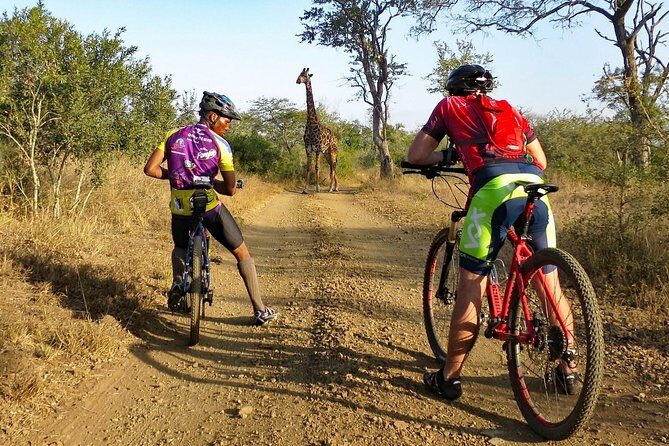
This is a private overnight West Kilimanjaro cycling tour based out of Moshi, with pickup from Arusha, Moshi, or the airport. The core idea is simple: you cycle through the acacia woodlands and open plains, then spend the night with camping provided, while ranger fees and access are handled as part of the package.
What makes it interesting is that it’s not just a ride. The wildlife layer is built in, and the cultural layer is too. You’re riding through areas where Maasai herdsmen coexist with wildlife, and that can change the feel of the day from “look, don’t touch” to “slow down and pay attention.” Even if you’ve done safaris before, the bike format gives you a different speed—quiet enough to notice behavior, fast enough to keep the day moving.
You can also read our reviews of more cycling tours in Moshi
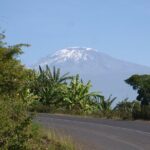
The route vibe: acacia woodland, open plains, and Kilimanjaro views
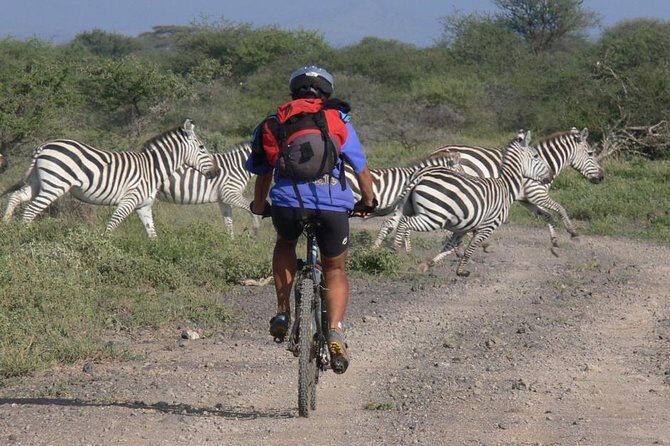
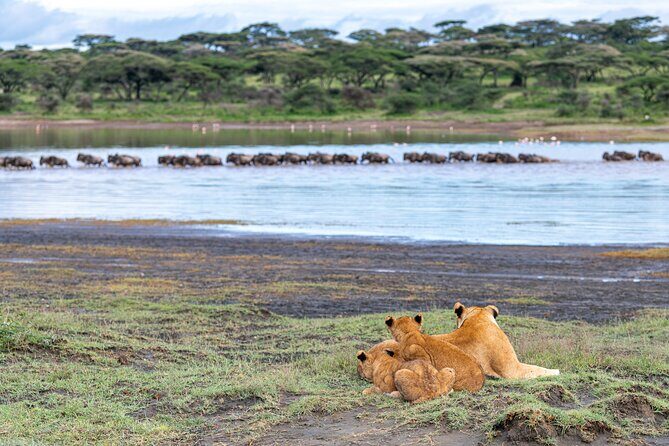
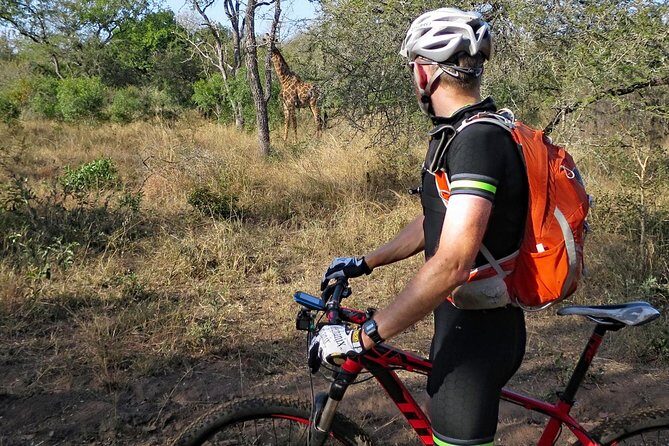
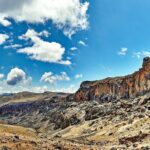
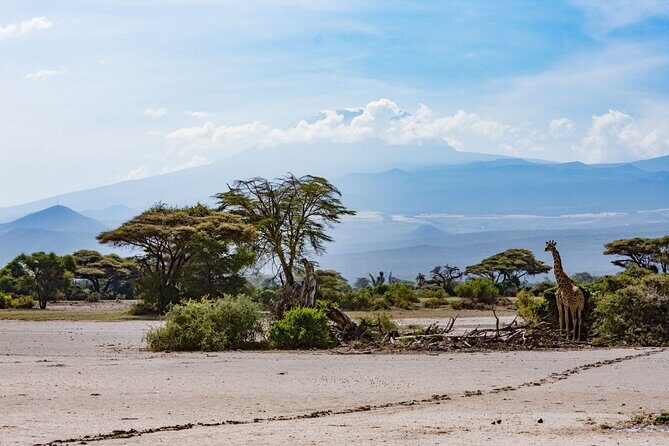
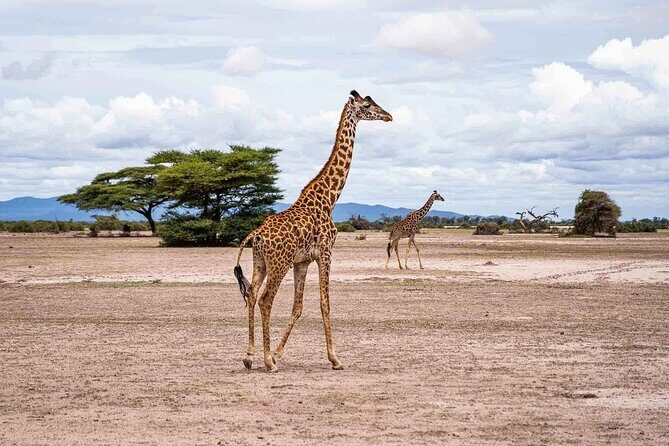
The terrain and habitat are a big part of the experience. Expect acacia woodland and open plains. That mix is exactly what supports the wildlife you’ll be hoping to see: wildebeest, zebra, gazelles, impalas, giraffes, and baboons.
Depending on the season, elephants are also possible because the region sits along an elephant corridor connecting Amboseli National Park and Mount Kilimanjaro. The practical takeaway for you: wildlife spotting works best when you’re patient. It also helps to dress so you can stop quickly—long sleeves for sun and insects, plus shoes that handle dust and uneven ground.
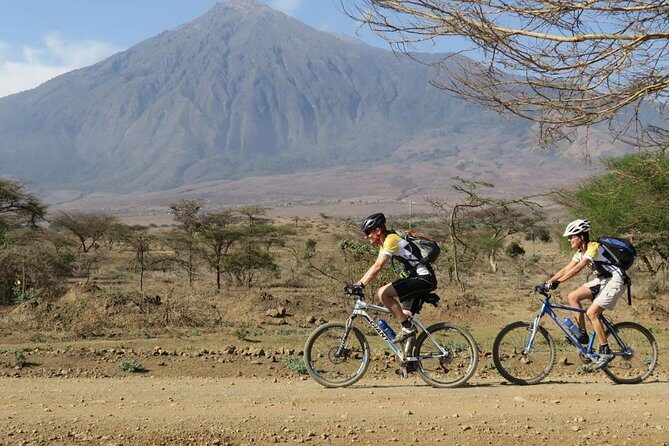
You’ll also be riding with views of Mt. Kilimanjaro. The standout part is the contrast: cycling on rough ground with big mountain scenery in the background. It’s a reminder that this isn’t a flat-tour kind of day.
Day 1: pickup, bike briefing, and your first wildlife ride
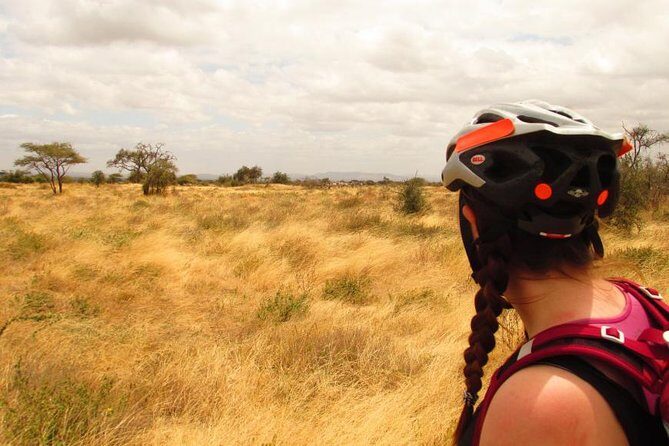
Your day starts with pickup included. The tour meets at Kilimanjaro Airport / Kilimanjaro National Park Tanzania, and transportation from Arusha, Moshi, or the airport is part of the offer, so you’re not stuck figuring out how to get yourself to the trailhead.
From there, you’ll get mountain bikes and helmets provided. This is more important than it sounds. On a tour like this, comfort and control are safety. If you’re new to mountain biking, a bike that fits you and a helmet that’s properly adjusted can mean the difference between enjoying the ride and spending the day white-knuckling the brakes.
The first cycling stretch focuses on the local habitat—acacia woodland and open plains. This is where you’ll look for zebra and giraffes, and where smaller animals often show up when you slow down and scan the edges of the grass. The pace is private, so you can stop for photos without feeling like you’re holding up a line.
A heads-up on effort: one past rider noted that the early part of the route felt slightly downhill and progress was easy, until deep sand showed up. So if you’re planning for “easy mode,” be mentally ready for at least one harder patch.
Day 1 evening: sunset moments, campfire time, and sleeping with Tanzania
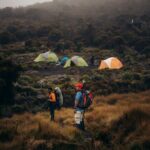
The highlights call out sunset and campfire, and that’s the emotional rhythm of a good two-day bike trip. After cycling, you’ll transition to camp with gear provided: tents, sleeping bags, chairs, and tables. That means you’re not trying to improvise sleep setups while everyone is tired.
Meals are included for three meals per day, and bottled water is provided. That sounds basic, but it’s huge on a tour where you’re riding, sweating, and spending time outside. You don’t want to negotiate food while your legs are still wobbling.
If you’re the type who likes to wind down slowly, this is a good fit. A campfire evening after time in the saddle lets the day sink in. One of the practical perks here is that your support vehicle is part of the operation, so the “camping” side is organized rather than a scramble.
Day 2: more riding toward Kilimanjaro viewpoints, then back to real life
On the second day, the big focus remains cycling through the same general West Kilimanjaro wildlife country, with the “cycling on Mt Kilimanjaro” promise shaping the feel of the route. You should expect the day to mix scenic riding with moments that ask more from your legs.
This is also where your bike handling matters. If you’re comfortable with dust, loose sand, and uneven ground, you’ll enjoy the ride more. If you’re not, the support vehicle can be a safety net, but you’ll still want to plan for effort.
You’ll finish the tour after the second day’s ride and camp-to-transport handoff. Since accommodation in Moshi or Arusha is included as part of what’s offered, you should have a straightforward path back to town life afterward.
Guides, wildlife spotting, and why the private format feels different
This kind of tour depends on the guide’s ability to help you see wildlife without wasting time. Some of the trip guidance you might get is hands-on and informational. For example, one guide name that shows up in the experience notes is George, described as brilliant and informative, which is exactly what you want when you’re scanning acacia edges for movement.
The private format is also a real advantage. If your group wants to linger at a zebra sighting, you’re not stuck with a fixed group tempo. If someone needs a break, it can happen without turning into an argument over timing.
One practical caution: this is wildlife country. Give animals space and follow your ranger’s cues. The fees and ranger fees are included, which generally means the operation is set up to access areas correctly and safely.
Mountain bikes, gear, and what’s actually included
Here’s what you can rely on being taken care of:
- Mountain bikes and helmets provided
- Support vehicle for the ride and camp operation
- Camping gear: tents, sleeping bags, chairs, and tables
- All meals: three meals per day
- Entry fees, cycling fees, camping fees, ranger fees
- Bottled water
- Pickup included from Arusha, Moshi, or the airport
- A Kili Bike Adventures T-shirt
From a value angle, this matters. Many tours sell a “bike experience,” but you’re still expected to bring your own bike, arrange camping gear, and pay separate access fees. Here, a large chunk of the logistics are bundled, which keeps the trip from becoming a last-minute scavenger hunt.
You should still bring your own basics that don’t appear in the list: sunscreen, sunglasses, insect repellent, and comfortable riding clothes you can layer.
Price and value: is $666.67 per person fair?
At $666.67 per person, this is not a budget day trip. What helps the value is that the price appears to cover much more than just the bike ride: pickup, bikes and helmets, camping equipment, entry/cycling/camping/ranger fees, three meals per day, bottled water, and a support vehicle.
So the question becomes: are you getting what you want out of an overnight adventure? If you want wildlife, scenery, and a camp experience without planning meals, transport, and access on your own, the price starts to make sense. If you only care about cycling for a couple hours and you don’t value the overnight element, then it may feel expensive for what you personally want.
Also note: alcohol is not included, and tipping is not included. That’s normal for many adventure tours, but it means you should budget a little extra for how you want to handle gratuities and drinks.
Who should book this West Kilimanjaro MTB overnight?
This tour fits you best if you want a mix of wildlife, scenery, and guided outdoor time, and you’re okay with an active schedule. The tour specifically calls for moderate physical fitness, and it’s designed for novice-friendly experiences in the sense that it’s accessible, but it still offers tougher cycling moments.
You’ll likely enjoy it if you:
- want a private route instead of a crowded group ride
- like wildlife sightings and scenic stops
- enjoy camping-style evenings rather than only hotels
- can handle a couple of rough riding segments
If you’re dealing with injuries or you know you’re not comfortable riding over uneven ground, you might want to think twice or ask the operator about bike suitability and pacing.
A quick word on trust and that strongly negative datapoint
Overall, the experience rating shown here is 4.5 from 8 reviews, with several positive notes about organization, scenery, wildlife opportunities, and an amazing support crew.
Still, there is one extremely negative, strongly worded report urging people to stay away and naming the manager as Roi. The details in that comment are limited, but the intensity is not. My practical advice: before you pay, confirm key details in writing—pickup timing, what’s included, and who your guide will be. If you’re the cautious type (and you should be at this price), ask direct questions and get clear answers before you commit.
FAQ
FAQ
How long is the West Kilimanjaro cycling tour?
It’s listed as 2 days (approx.).
Where does the tour take place?
The start is listed as Kilimanjaro Airport and Kilimanjaro National Park, Tanzania, with pickup offered from Arusha, Moshi, or the airport.
What’s the price per person?
The price is $666.67 per person.
Are mountain bikes and helmets included?
Yes. Mountain bikes and helmets are provided.
Are meals included?
Yes. All 3 meals per day are included, along with bottled water.
Is the tour private?
Yes. It’s a private tour/activity, so only your group participates.
What should I expect in terms of fitness level?
The tour says you should have moderate physical fitness.
Is alcohol included?
No. Alcoholic beverages are not included.
Should you book West Kilimanjaro Cycling Adventures?
I’d book this if you want a private two-day MTB experience that mixes wildlife spotting, Kilimanjaro views, and a real camp setup, with bikes, helmets, camping gear, meals, and ranger/access fees handled for you. The support vehicle also makes it feel more organized than a DIY-style adventure.
I’d pause if you’re chasing a super easy ride, if you’re highly sensitive to uneven ground and deep sand, or if you want lots of hotel comfort and zero outdoor logistics. And because there’s one sharply negative datapoint about trust, do a quick double-check with the operator before paying: confirm pickup details, inclusions, and guide assignment.
If your idea of fun is active days outdoors, wildlife moments, and a campfire evening after riding, this is the kind of trip that can stick with you long after the dust settles.