REVIEW · MOSHI
Unforgettable 8 Days Lemosho Route Trekking on Kilimanjaro
Book on Viator →Operated by Rede Tours and Safaris (Amore African Safari LTD) · Bookable on Viator
The west side of Kilimanjaro feels calmer. This Lemosho Route trek from Londorossi Park Gate gives you forest starts, big Shira Plateau walks, and panoramic views with low crowds for much of the climb. I also like how the pacing builds acclimatization before the steeper push, but the summit night is cold, high, and unforgiving.
You’ll start with a drive from Moshi and settle into camps like Mti Mkubwa, Shira, and Barranco, then work your way toward the Lava Tower area before finishing through the Mweka descent. The route’s biggest strength is that it doesn’t rush your body. It asks you to hike hard, yes, but it gives you enough “breathing space” days to help you perform better when it counts.
Another detail I appreciate: this trek is run with a full on-the-ground team. From the way meals are organized to how guides and cooks keep energy up, good service matters at altitude—and the names Nalisis and Jackson show up for a reason. Just remember: tipping and some items aren’t included, so plan for that early.
In This Review
- Key highlights you’ll feel on this Lemosho trek
- Lemosho from Londorossi: why the west approach feels so good
- Moshi basics: pickup, meeting point, and the gate-day reality check
- Day 1: forest trails from Lemosho Glades to Mti Mkubwa Camp
- Day 2: from Shira Ridge to Shira One, with moorland and stream crossings
- Day 3: Shira Plateau acclimatization walk to Shira Camp Two
- Day 4: Lava Tower at 4,630 m to Barranco Camp (big views, rocky effort)
- Day 5: Barafu Camp and the long, steep scree walk before summit night
- Day 6: repositioning near the Mweka descent route and the Barafu Hut day
- Day 7: summit-style night up to Stella Point at 5,685 m
- Day 8: Mweka Gate, certificates, and a final downhill to Moshi
- Food, guides, and service you can bank on at altitude
- Price and value: what $1,500 covers (and what it doesn’t)
- Who should choose Lemosho, and who should pause first
- Should you book this 8-day Lemosho trek?
- FAQ
- How long is the Kilimanjaro trek on the Lemosho route?
- Where do you meet and where does the trek end?
- What’s included in the price of $1,500 per person?
- What isn’t included in this tour package?
- Is tipping included, and when do you do it?
- Do you get certificates, and what are the colors?
Key highlights you’ll feel on this Lemosho trek
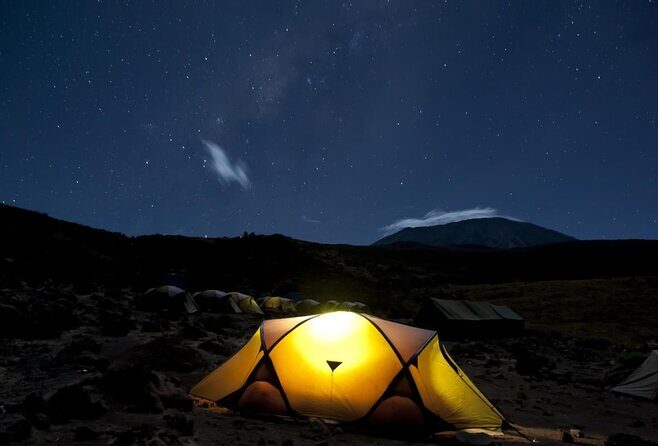
- Londorossi Gate start with an easy-to-manage first day after a Moshi-to-gate drive of about 2.5 hours
- Shira Ridge and the Shira Plateau crossing give you acclimatization time and wide-open views
- Lava Tower at 4,630 m with an optional scramble and dramatic photo angles
- Barafu timing for the summit push (you’ll sleep early, then start around 11:00 pm to 12:00 am)
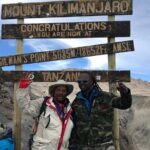
- Stella Point and certificate colors: green for Stella Point, gold for Uhuru Peak, plus Mweka Gate sign-in
- Crew tip note: you don’t tip along the trail; staff tipping happens at the gate after arrival
Lemosho from Londorossi: why the west approach feels so good
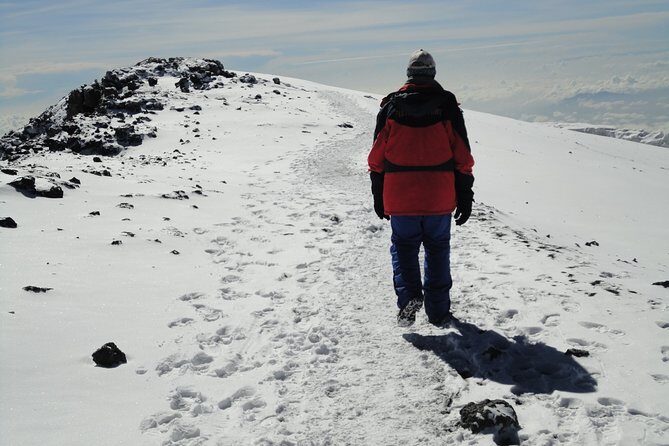
Lemosho is one of Kilimanjaro’s newer routes, and the vibe is different right from the start. You come up the mountain from the west, which means you spend the early days walking through changing zones—forest, then moorland, then high plateau. That variety helps keep the days from blending together, especially on a long 8-day trek.
One reason this route is so popular is the crowd pattern. You tend to get low-crowd trekking early on, and the route only meets up with the Machame route near the Lava Tower area. In practical terms, that means fewer people at the viewpoints when you’re trying to take photos or catch a calm moment to breathe.
I also like the route’s rhythm for altitude. It’s not just about reaching a camp. It’s about moving in a way that lets you acclimatize. The Shira Plateau segment in particular is designed to give you that slower, flatter breathing room before you head into the rockier sections.
You can also read our reviews of more hiking tours in Moshi
Moshi basics: pickup, meeting point, and the gate-day reality check
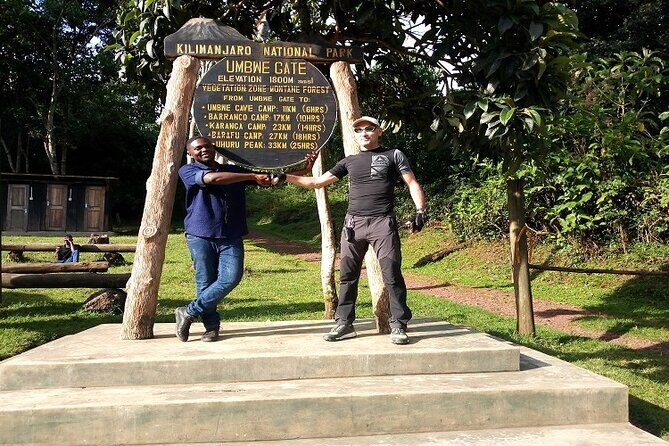
This trek starts and ends in Moshi. Your meeting point is Shanty Town Road, and the experience finishes back at the same meeting point. Pickup is offered, and you’ll get a mobile ticket, which helps reduce last-minute paperwork stress.
Plan for the first “big day” to begin with travel. You’ll drive to Londorossi Park Gate at about 2,250 m, and the drive is listed at roughly 2.5 hours from the Moshi area. That matters because altitude starts working on you immediately—even before you lace up your boots.
Also, this is not a tiny-group operation. The maximum capacity is listed as 100 travelers. You might still experience calm moments, but it’s smart to assume you’re part of a larger logistics machine behind the scenes: vehicles, camp setup, meal service, and scheduled hiking times.
Day 1: forest trails from Lemosho Glades to Mti Mkubwa Camp
Day 1 is built to get you moving without immediately throwing you into summit-mode suffering. After your briefing at your hotel, you’ll head to Londorossi Park Gate. Then you transfer by 4WD toward Lemosho Glades (about 2,390 m), where the walking begins.
From there, you hike along forest trails to Mti Mkubwa campsite. The walk segment is described as about 11 km with around 45 minutes to reach Lemosho Glades after the vehicle transfer, and the day totals about 4 hours of hiking.
What I like here is the way Day 1 “teaches” you how the trek will feel:
- You’re hiking steadily, not sprinting.
- You’re moving through a cooler, sheltered zone where it’s easier to focus on breathing and pace.
- You’re not yet dealing with the barren, scree slope conditions that show up later.
The only real consideration is that the gate-to-trail transition can be a little long and “stop-start.” You’ll want to stay patient and use that time to drink water and get your layering right.
Day 2: from Shira Ridge to Shira One, with moorland and stream crossings
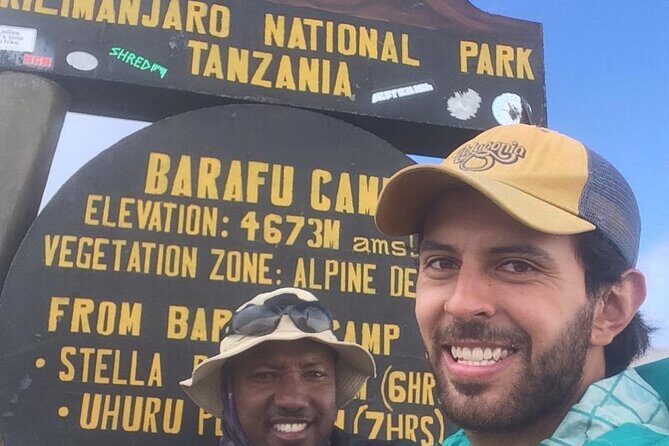
Day 2 is where the route starts to change. The trail becomes steeper and moves into the moorland zone, then you cross Shira Ridge at about 3,600 m. After that, you drop gently to Shira One camp, which sits on the Shira Plateau near a stream.
This is a long day on paper—listed at about 11 hours—and it’s long because it’s high. The description calls out several streams crossed and a section through giant heather moorland. Expect the terrain to feel more exposed and less forgiving than the forest.
I’d treat Day 2 as your “body check.” If you start feeling headachy or unusually breathless, slow down immediately and keep your pace controlled. High-altitude hiking isn’t a test of how fast you can go; it’s a test of how well you can keep steady effort.
Day 3: Shira Plateau acclimatization walk to Shira Camp Two
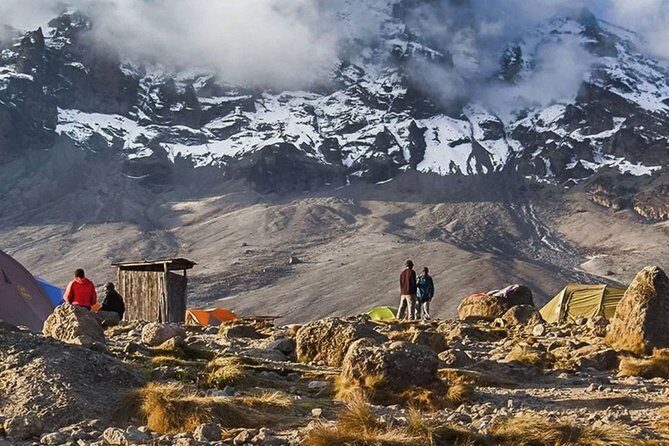
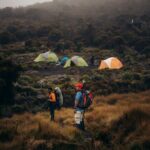
Day 3 is your recovery-and-acclimatization day. You’ll do a moderate walk across the Shira Plateau to Shira Camp Two, described as moorland meadows near a stream.
This kind of day matters more than people think. You’re already high. Staying steady and not overdoing it gives your body time to adjust before the route starts throwing in the rockier, higher landmarks.
If you like mental pacing, Day 3 is also a good time to focus on routine:
- Keep water intake consistent.
- Eat when food is offered, even if you don’t feel hungry.
- Keep your layers ready for temperature swings.
It’s not an “easy day” in the sense of being low altitude, but it’s much easier than the later stretches that involve big climbs and cold ridge conditions.
Day 4: Lava Tower at 4,630 m to Barranco Camp (big views, rocky effort)
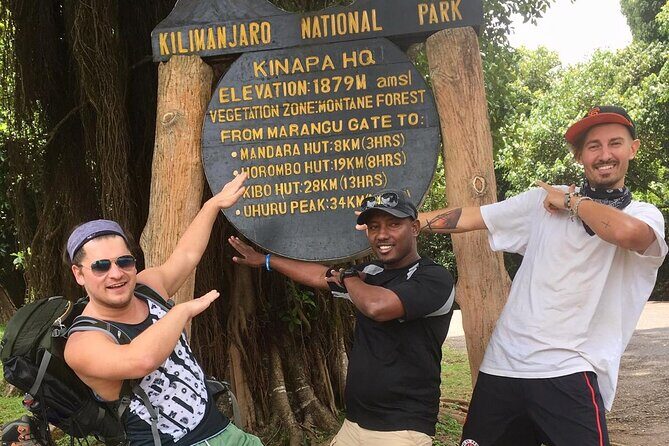
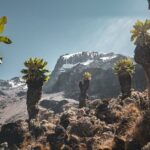
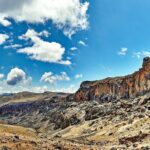
Day 4 climbs you eastward toward the looming mass of Kilimanjaro, and the route becomes more rugged. You walk through a rocky landscape to reach Lava Tower at 4,630 m—a volcanic remnant, described as several hundred feet high, with the trail passing right below it.
There’s also an optional moment for the sure-footed: a scramble to the tower top for extra views. Even if you don’t scramble, the “below the landmark” angle is the kind of photo stop that makes a Lemosho trek feel special.
After lunch near Lava Tower, you descend for about 2 hours to Barranco Camp at roughly 3,950 m. The description mentions descending below the cliffs of the Western Breach and Breach Wall, and this is where the hiking starts to feel more technical and stony.
What’s the tradeoff? You’ll likely be tired. But you’ll also be gaining altitude knowledge fast, because Barranco is where you learn how your legs handle uneven terrain while your body remains affected by altitude.
Day 5: Barafu Camp and the long, steep scree walk before summit night
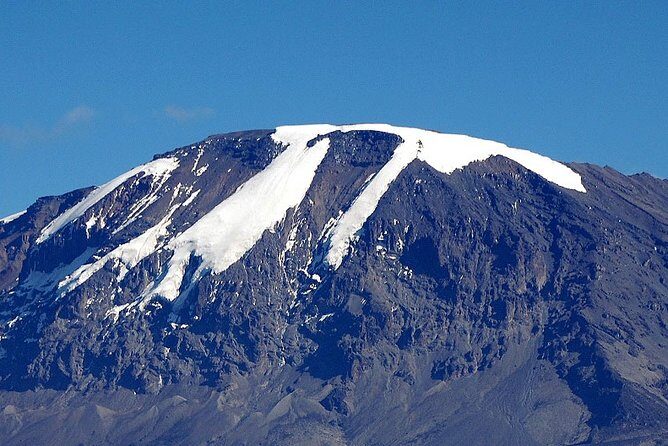
Day 5 is the day you start the “real deal” preparation for summit timing. After breakfast, you hike to Barafu Camp at about 4,640 m. The walking is described as crossing desolate scree slopes with no vegetation, and it’s tough because it’s steep and altitude makes every step harder.
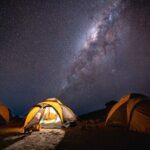
Once you arrive, the plan is to eat and rest in the afternoon. You’ll get an early dinner and then try to sleep, because you’ll be getting up around 11:00 pm to 12:00 am to start the climb to the summit.
I like that this trek is honest about the effort needed. There’s no pretending this day is casual. Your success here depends on two things:
- Staying warm and hydrated (the instructions explicitly call out warmth and hydration).
- Keeping your energy ready for nighttime walking.
If you tend to get cold easily, don’t wait until you’re shivering to fix it. Layer up before your body asks for it.
Day 6: repositioning near the Mweka descent route and the Barafu Hut day
Day 6 starts with a hike that moves you toward the route used for descent later. You’ll hike east over ridges and valleys to join the Mweka Route, which is listed as the descent route. Then you turn left toward the mountain and hike up the ridge for about an hour to Barafu Hut, where you receive a hot lunch.
The day also notes water logistics. It states the last water point on this route is Karanga Valley and that there’s no water at Barafu Camp. That detail is a big deal for comfort and safety. You’ll want to manage what you bring and what you consume before water becomes limited.
Camping conditions are also described as challenging. Your tent is pitched on a narrow, stony, wind-swept ridge, so you’re advised to familiarize yourself with the terrain before dark to avoid accidents. That means you should take a few minutes to orient yourself around your campsite—where you step, where gear goes, and where the ground is uneven.
Day 7: summit-style night up to Stella Point at 5,685 m
This is the climb most people talk about, and the trek’s description makes clear it’s the hardest part for many hikers. You’ll be up around 11:30 pm, with hot tea and biscuits before you head out.
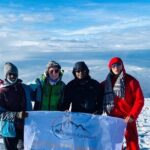
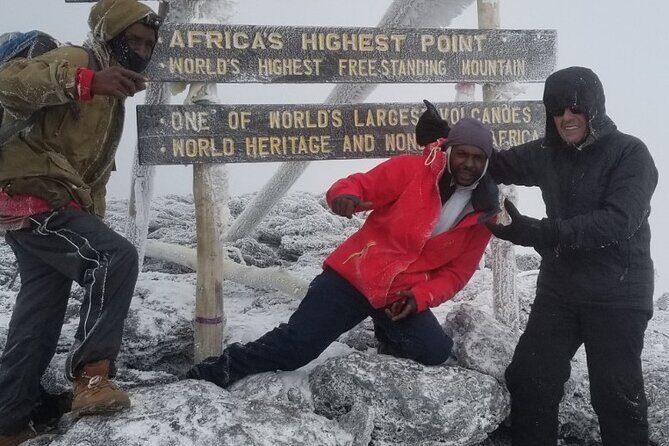
Then you climb northwest through heavy scree between the Rebmann and Ratzel glaciers to Stella Point on the crater rim at about 5,685 m. The climb is described as roughly 6 hours, and you stop at Stella Point for a rest and a chance to see a sunrise.
There are two important practical notes here:
- Don’t expect it to feel easy at altitude. Heavy scree is slow and draining.
- Cold and exhaustion can make it hard to restart if you overstay at high points.
The route notes that after Stella Point you join the top part of the Marangu Route, but you shouldn’t stop too long because it can become extremely difficult to start again due to cold and exhaustion. It also mentions that depending on season and storms you may stumble upon snow on the remaining hike.
If you’re the type who likes to control effort, keep your pace gentle and steady. This is not a day to go by ego.
Day 8: Mweka Gate, certificates, and a final downhill to Moshi
Day 8 is where the trip starts to feel like it belongs to you again. After breakfast, you do a short scenic walk back to the park gate—described as about 3 hours to Mweka Gate.
There’s a specific custom note about tipping: you won’t be giving tips along the way until all your gears and the rest of the crew reach the gate safely. Then you remember to tip your staff at the gate. That keeps things organized while also making sure the crew gets what they’ve earned.
At Mweka Gate, you’ll sign your name in a register. The information provided also explains certificate colors:
- Climbers who reached Stella Point receive a green certificate.
- Climbers who reached Uhuru Peak receive a gold certificate.
Then you’ll continue down to Mweka Village (about 3 km) for a hot lunch. Finally, you’ll be driven back to Moshi. The route also notes that successful climbers normally receive a summit certificate and that a bottle of champagne may be part of that moment.
The best part of the last day isn’t just the downhill. It’s that you get to process what you did while your body starts recovering instead of demanding more.
Food, guides, and service you can bank on at altitude
On Kilimanjaro, “good service” isn’t a luxury. It’s what keeps you warm, fed, and moving when your brain wants to quit.
Your package includes meals: breakfasts for 8 days, lunches for 8 days, and dinners for 7 days. It also includes all fees and taxes, plus admission tickets. That combination matters. You won’t be hunting for meals at high altitude, and those costs don’t add surprises late in the game.
The guide-and-chef factor is also real. In feedback connected to this trek, names like Nalisis (as a standout guide) and Jackson the chef come up with strong praise. I can’t guarantee who you’ll get, but it does suggest that this operator takes care with staffing. If you can, ask who your guide and chef are ahead of time, and pay attention to whether their plan fits your pace.
Price and value: what $1,500 covers (and what it doesn’t)
At $1,500 per person, this isn’t a budget impulse buy. It’s a mid-market mountain experience that includes a lot of the costly “hard stuff”: all fees and taxes and the admission tickets tied to the trek.
Where the value shows up:
- Meals are included across the trek (breakfast/lunch/dinner as listed).
- You’re paying for the mountain logistics—camp rhythm, guiding, and the trail-entry costs.
- Pickup is offered, and you get mobile ticket support.
What’s not included is equally important for planning:
- Flights
- Tipping the crew
- Visas
- Additional park fees (if any apply beyond what’s covered)
- Non-climbing accommodation
- Private transportation
- Hiking supportive materials
So I think the real question isn’t whether the price is high. It’s whether it saves you from “death by add-ons.” If you already have your flights, visa, and gear sorted, this price can feel fair because the trek itself is packaged with fees and meals. If you still need to purchase lots of extras, budget carefully.
One more timing note: this kind of climb is commonly booked far ahead, with an average booking window of about 140 days. If you want specific dates, start early.
Who should choose Lemosho, and who should pause first
This trek says most travelers can participate. In practice, that means it’s designed for people who can walk for long days, handle steep terrain, and deal with altitude. It’s not designed for someone who wants flat, easy hiking.
Choose this trek if you want:
- Low crowds early on the route, with scenic variety
- A built-in acclimatization feel via the Shira Plateau portion
- A classic Kilimanjaro summit approach where the hardest night is expected and scheduled carefully
You might reconsider if you:
- Struggle with cold and wind at high camps (the trek explicitly mentions wind-swept ridge conditions)
- Get anxious about narrow, stony footing at camp
- Don’t want to deal with heavy scree in nighttime summit hours
Should you book this 8-day Lemosho trek?
If you’re planning Kilimanjaro and you want one route that balances scenery, lower early crowd levels, and a sensible acclimatization rhythm, Lemosho is a strong choice. This particular 8-day structure puts real attention on getting you to high ground steadily—then moves into steeper, colder work when your body has had time to adjust.
Book it if you’re willing to:
- Train for long days and steep steps
- Pack for cold wind and heavy scree
- Plan your budget for tips and gear needs since they aren’t included
Don’t book it if you’re looking for an easy walk, or if summit-night scree and cold ridge conditions would make you miserable. Kilimanjaro rewards patience. If that sounds like your style, Lemosho is likely to treat you well.
FAQ
How long is the Kilimanjaro trek on the Lemosho route?
It’s an 8-day trek (approx.), following the Lemosho route from Londorossi Gate through Shira, Lava Tower, Barranco, Barafu, and down via the Mweka route to Mweka Gate and Mweka Village.
Where do you meet and where does the trek end?
You meet at Shanty Town Road in Tanzania and the experience ends back at the same meeting point after the drive back from the mountain.
What’s included in the price of $1,500 per person?
The price includes all fees and taxes, meals (breakfast for 8 days, lunch for 8 days, dinner for 7 days), and admission tickets. You’ll also receive pickup and a mobile ticket.
What isn’t included in this tour package?
Not included are flights, tipping the crew, visas, additional park fees, non-climbing accommodation, private transportation, and hiking supportive materials.
Is tipping included, and when do you do it?
Tipping the crew is not included in the price. The trek notes that tips aren’t given on the way until everyone has reached the gate safely, and you should remember to tip your staff at the gate.
Do you get certificates, and what are the colors?
Yes. At Mweka Gate, successful climbers receive certificates. The information provided says green certificates are issued for reaching Stella Point, and gold certificates are issued for reaching Uhuru Peak.