REVIEW · ARUSHA
3 Days Serengeti & Ngorongoro Tour
Book on Viator →Operated by Wild Life Oasis Tours · Bookable on Viator
Two parks, one wild rhythm, and a small group. This 3-day Serengeti and Ngorongoro safari is built for people who want big animals and big scenery without burning a week of vacation time, moving between Serengeti plains and the Ngorongoro rim with game drives and camping included.
What I like most is the human side: you’re not just shuffled around. The owner Humphrey is repeatedly described as quick to respond and genuinely helpful, and many guests also name standout drivers and guides like Francis and Amani, plus chefs such as Dadri, Raymond, and Safiri who keep the food part from feeling like an afterthought.
The main trade-off is the pace. Three days is short, so you’re doing a lot of early starts and long drives—great for maximizing sightings, less ideal if you want slow mornings and unplanned downtime.
In This Review
- Key things that make this safari work
- Serengeti and Ngorongoro in 3 days: what you’re really buying
- Small-group logistics: why max 6 matters more than you think
- Day 1 in Serengeti: kopjes, open roofs, and settling into camp
- Day 2 in Serengeti and the drive to the Ngorongoro rim
- Day 3 in Ngorongoro: descending the caldera for dense wildlife
- UNESCO status: what it means for your day on the ground
- Price and value: is $800 a smart deal for 3 days?
- What you should pack and plan for (without overthinking)
- Who this tour fits best
- Should you book 3 Days Serengeti & Ngorongoro with Wild Life Oasis Tours?
- FAQ
- How long is the safari?
- What parks do you visit?
- What’s the group size?
- Is pickup included?
- What kind of accommodation is included?
- Are park admission tickets included?
- Where does the tour start and end?
- What’s the cancellation window?
Key things that make this safari work
- Max 6 people: a smaller group usually means fewer frustrations and more attention during drives
- Open-roof game drives in Serengeti: good for spotting cats near the kopjes rock formations
- Two UNESCO World Heritage sites: Serengeti National Park and Ngorongoro Conservation Area
- Crater-edge camping at sunset: you get that wide-view moment from the rim before the crater descent
- Full board + strong camp comfort notes: big tents and comfortable mattresses show up in guest feedback
- Standout guides and chefs named often: Humphrey (owner), Francis/Amani/Dio (guides), Dadri/Raymond/Safiri (chefs)
Serengeti and Ngorongoro in 3 days: what you’re really buying
This tour is essentially a “greatest-hits safari” in a tight timeline. You’re doing game drives in Serengeti and then switching gears to the Ngorongoro crater ecosystem, which is famous for density—animals seem easier to find once you’re inside the caldera.
Because the tour is only about 3 days, you’ll spend less time traveling in a sprawling loop and more time on the ground where the wildlife is. That’s a big deal if you’re limited by work schedules, or if this is one part of a longer Tanzania plan and you can’t stretch the safari.
The small-group cap (up to 6 travelers) also changes how the experience feels. You’re less likely to get lost in a crowd, and your guide can adjust on the fly based on where wildlife is active—at least within the realities of park roads and daily schedules.
This is also a camping safari with full board included, so you’re not paying extra for every meal or hunting down food options at camps. That simplifies your budget and your day-to-day.
A few more Arusha tours and experiences worth a look
Small-group logistics: why max 6 matters more than you think
When a safari group is big, you often lose time: everyone needs to be counted, everyone wants a different seat angle for photos, and it can feel like you’re taking turns with other vehicles instead of focusing on animals.
With a maximum of 6 travelers, you’re usually closer to your guide and driver and more likely to get practical attention. In feedback, people specifically highlight the guide-driver as key—names that come up include Francis and Bakarai, and there are multiple mentions of guides pushing toward strong sightings rather than treating the day like a checklist.
You also get a better match for the pace of the trip. Serengeti can be moving-fast (look, scan, wait, move), while the crater can feel more “stationary” once you’re driving down and the view opens up. In a small group, it’s easier for your driver to manage who’s ready to roll, who wants to linger, and who needs a quick reposition.
And since the experience is run by Wild Life Oasis Tours (with owner Humphrey mentioned often in positive terms), you’re not just dealing with a silent booking desk. People describe clear communication and willingness to adjust when timing changes. That matters when you’re dealing with flight schedules and the reality of East Africa travel days.
Day 1 in Serengeti: kopjes, open roofs, and settling into camp
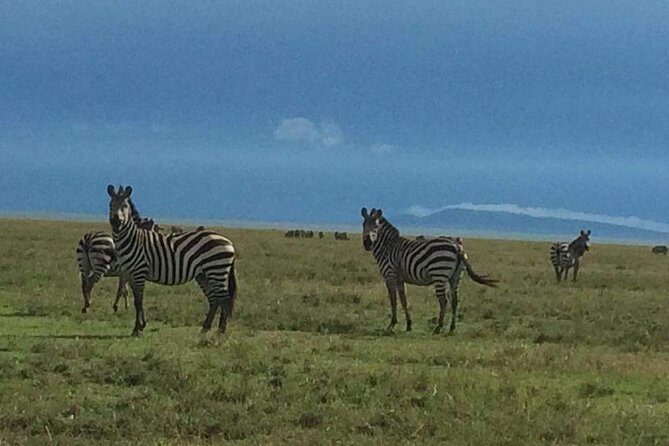
Your first real wildlife day starts in Serengeti National Park, and the tour frames Serengeti the way the Maasai did: endless plains. The practical takeaway is that Serengeti can look simple—grassland stretching far—but it’s broken up by the kopjes, those unusual granite rock outcrops that create hotspots for predators and prey.
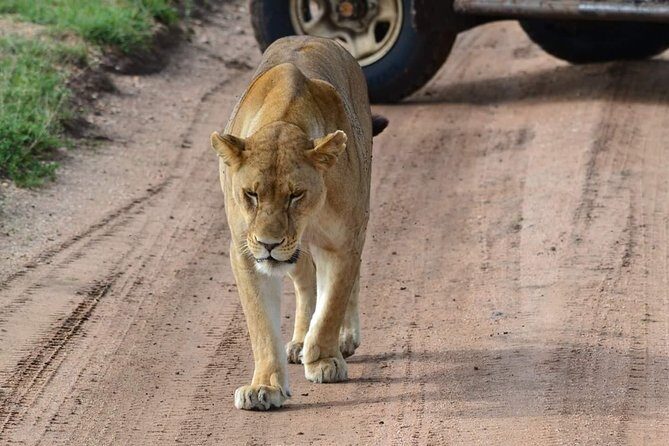
The itinerary mentions game drives with a strong chance to see big cats, with the specific note that you’re driving through the park with an open roof vehicle. That detail isn’t just romantic. When you’re scanning for motion across the plains, an open view helps you spot a distant silhouette without fighting for position inside a closed vehicle.
You’ll spend the day heading through Serengeti and then camp in the central area around Seronera (the itinerary points you toward Seronera Valley). Camping here is where the safari becomes real. You’re trading hotel comfort for being close to the ecosystem—dark skies, camp routines, and that “we’re in it now” feeling.
One thing to calibrate: Serengeti sightings are always a mix of luck and timing. With only three days total, you’ll want to follow your guide’s rhythm—scan early, stay patient when animals are hidden, and be ready for quick driving changes.
Day 2 in Serengeti and the drive to the Ngorongoro rim
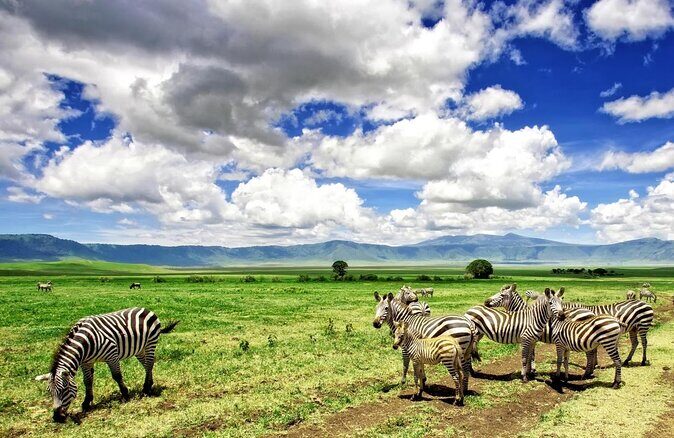
Breakfast starts the second day, then you continue game drives in Serengeti—again centered around the Seronera Valley area. The tour expects you to see wildlife in large numbers: wildebeests and zebras are specifically mentioned, and there’s also the regular possibility of lions and other big cats like leopards and cheetahs.
What I think is smart about this second day structure is that you’re not “burning” your best chances on only one push. Instead, you get two Serengeti game-drive blocks, which increases your odds—because animals don’t read schedules.
After lunch at a picnic site, you drive toward Ngorongoro Crater. This is where the safari turns into a landscape-to-ecosystem switch. The crater rim opens up, and suddenly you’re not looking at endless plains—you’re looking down into a huge natural caldera with its own habitat zones.
That afternoon/evening leads to camping on the crater edge at Simba Campsite, with the view at sunset called out. Even if you don’t catch a perfect wildlife moment at dusk, that rim view is part of why people love Ngorongoro: the crater feels like a self-contained world.
Day 3 in Ngorongoro: descending the caldera for dense wildlife
Ngorongoro runs differently than Serengeti. The tour does an early start, then you drive down into the crater after breakfast. Inside, the itinerary points to grass steppe and acacia woodland, and that habitat mix is a big reason the wildlife diversity can feel intense.
The tour also explains something useful for your expectations: Ngorongoro is the largest unbroken caldera, and within it you may find almost all East African savannah species—with the note that topis, impalas, and giraffes are exceptions. That matters because it sets your mental map. You’re not expecting the full “everywhere all at once” safari buffet. You’re expecting a different set of rules, shaped by the crater environment.
The best promise here is simple: with enough scanning time, you can often observe the Big Five within a couple of hours. The itinerary explicitly includes lion, elephant, buffalo, rhino, and leopard as the animals you’re likely chasing.
Here’s how to make the crater portion work for you:
- Be ready for close-to-the-vehicle changes in sightlines. Acacia trees and terrain can hide animals quickly.
- Don’t treat it like a car tour where you’re only hunting the biggest species. In a crater, smaller movement often leads to big cat sightings.
- Stay alert even after you think you’ve “already seen enough.” Ngorongoro rewards patience.
Toward the end of the day, you drive back toward Arusha and overnight at a hotel. The tour data also says you may have an option to fly back the same night or on the second day. So plan your body and your camera gear for a day that starts early and ends with transit.
UNESCO status: what it means for your day on the ground
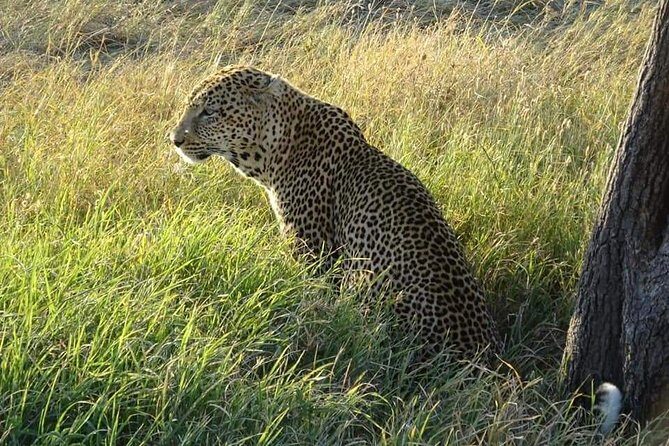
This tour visits two UNESCO World Heritage sites. You don’t need to memorize UNESCO language to benefit. The practical effect is that these are major protected ecosystems with strong wildlife management and well-established viewing areas.
Serengeti’s UNESCO status is tied to the scale and ecological role of its habitats—those open plains and predator-prey dynamics. Ngorongoro’s UNESCO designation connects to its geological uniqueness and the way it supports wildlife in a relatively contained space.
In plain terms: you’re going where the parks are set up to let you see wildlife, not just pass through. And because this tour stays focused on the parks themselves, you’re spending your time where your ticket actually matters.
Price and value: is $800 a smart deal for 3 days?
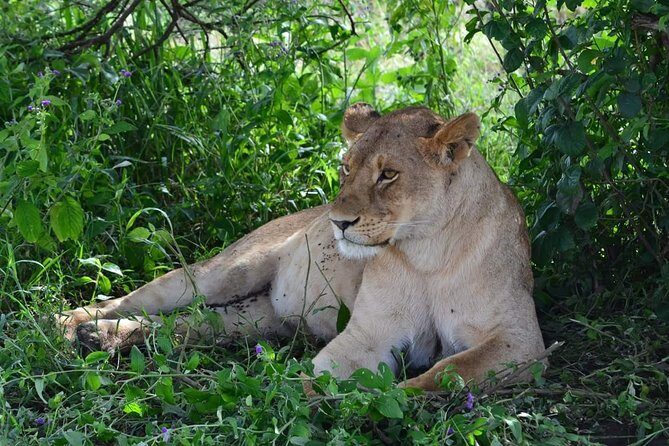
At $800 per person, this is a mid-range safari price for a short, high-demand route. The best way to judge value is not the sticker number—it’s what’s included and what that saves you.
From the tour info, you’re getting:
- Park admission indicated as free for the activity
- Pickup offered
- Camping accommodation and full board included
- Game drives across Serengeti and the crater area
- A small group experience (max 6 travelers)
- Mobile ticket
The value logic is this: many longer or more flexible safaris charge you repeatedly for meals, lodging, and separate logistics. Here, full board and camping are part of the package, so you avoid the “nickel and dime” feeling that can happen on budget tours.
Also, the repeated names you see in feedback matter for value. When Francis is mentioned as a driver/guide, or when chefs like Dadri, Raymond, or Safiri are called out for good food, that’s quality you feel daily—not just a nice-sounding pitch. And the owner Humphrey being described as supportive and responsive suggests fewer trip-stress problems, which is worth money all by itself.
One caution about value: the lower you go on price, the more risk you take with guide quality and vehicle comfort. In this case, the overall rating is strong (4.9) and the recommendation rate is high (95%). That doesn’t mean every day will be perfect, but it does suggest the package tends to land well for most people.
What you should pack and plan for (without overthinking)
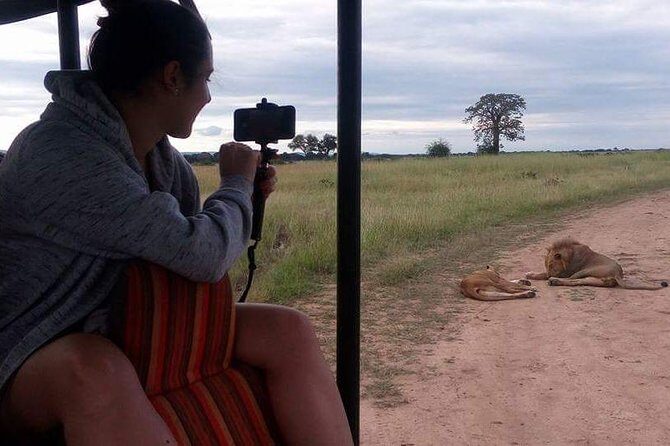
You’re camping and doing game drives in two major parks, so think layers and durability. The itinerary doesn’t list gear specifics, but you’ll be more comfortable if you pack like you’re going from daytime sun to cooler morning hours (early start on day 3) and nighttime camp conditions.
Practical packing ideas that match the reality of this type of safari:
- A light jacket or warm layer for early starts
- Binoculars if you have them (crater driving rewards scanning)
- Comfortable closed shoes for camp routines
- A day bag that’s easy to keep organized while you’re in and out of the vehicle
- Camera/phone power strategy (you’ll want reliable battery life)
Also, keep your expectations tuned to the itinerary’s structure. This tour is designed to maximize wildlife time in a short window. That means less “free wandering,” more staying ready for the next drive or planned moment.
Who this tour fits best
This safari is a great match if you:
- Want Serengeti and Ngorongoro without a long multi-day itinerary
- Like the idea of sleeping in tents and having meals handled for you (full board)
- Prefer a small group over a big bus-style safari
- Appreciate guides who focus on ecosystems and practical spotting, not just passing by viewpoints
It may be less ideal if you:
- Need a slower pace with lots of downtime
- Get cranky with early starts and packed driving days
- Want a luxury lodge experience every night (this is camping, not hotel-based)
A nice bonus for social travelers: small groups often feel easier for conversation and shared excitement around sightings. And the feedback includes people traveling as couples, solo, and with friends, which suggests the vibe works across group types.
Should you book 3 Days Serengeti & Ngorongoro with Wild Life Oasis Tours?
If you want the Serengeti-to-Ngorongoro combo and you’re short on time, I’d say this is a strong booking choice. The combo of two UNESCO parks, small group size, and camping with full board is built for value and a real safari rhythm.
I’d book it if your priorities are:
- Strong wildlife odds in a compressed schedule
- A guide-driven experience where the driver’s effort matters
- Good daily organization (so you can focus on animals and not logistics)
I’d hesitate only if you’re the type who needs extra comfort, extra sleep, and extra “nothing planned” time. The itinerary is focused. That focus is exactly why it works for many people.
FAQ
How long is the safari?
It’s listed as approximately 3 days.
What parks do you visit?
You visit Serengeti National Park and the Ngorongoro Conservation Area (including the crater).
What’s the group size?
The tour has a maximum of 6 travelers.
Is pickup included?
Pickup is offered.
What kind of accommodation is included?
Camping accommodation is included, and full board is provided.
Are park admission tickets included?
The itinerary indicates Admission Ticket Free for the activity.
Where does the tour start and end?
It starts at Kilimanjaro International Airport and ends back at the meeting point. The start time listed is 12:30 am.
What’s the cancellation window?
Free cancellation is offered up to 24 hours in advance for a full refund.