REVIEW · MOSHI
5 Days Marangu route Climbing Mt. Kilimanjaro
Book on Viator →Operated by Kilisa Tours & Safaris · Bookable on Viator
Kilimanjaro punishes fast pacing and rewards patience. I like the Marangu route for its gradual rhythm from rainforest into high-altitude alpine terrain, and I like that this package includes portable oxygen tanks plus rescue coverage. The catch: the summit push starts in the dark, runs very cold, and you’ll need to keep moving pole pole when it would be easier to panic.
From Moshi, you get a real support setup: airport pickup, transport to the park gates, a small group (up to 15), and a team that handles guides, cooks, and porters. I also like that you’re not guessing what to do at altitude—your guides keep you moving, explain the day-to-day reality, and help you conserve energy.
Still, Kilimanjaro is Kilimanjaro. Even with good logistics, you’re climbing to very high elevations, so training and common sense matter more than wishful thinking.
In This Review
- Key things I’d put at the top of your checklist
- Moshi start: private transfers and a safety-first climb
- Price and value: what $2,330 covers (and why it’s not just the mountain fee)
- Day 1: rainforest to Mandara Camp, plus Maundi Crater views
- Day 2: moorlands and altitude feelings on the way to Horombo
- Day 3: saddle between Kibo and Mawenzi, then moonscape reality
- Day 4: the midnight climb—Gilman’s point to Uhuru Peak
- Day 5: back down through moorland to forest, then Marangu gate
- Packing and pace: how to make the climb feel manageable
- Should you book Kilisa’s 5-day Marangu climb?
- FAQ
- How long is the Marangu route climb with Kilisa?
- Where does the tour start and when?
- Will I get pickup from my hotel or the airport?
- How many people are in a group?
- What meals and water are included during the trek?
- Is oxygen equipment included?
- What’s not included in the price?
- What should I expect on summit day?
- What happens if I cancel?
Key things I’d put at the top of your checklist
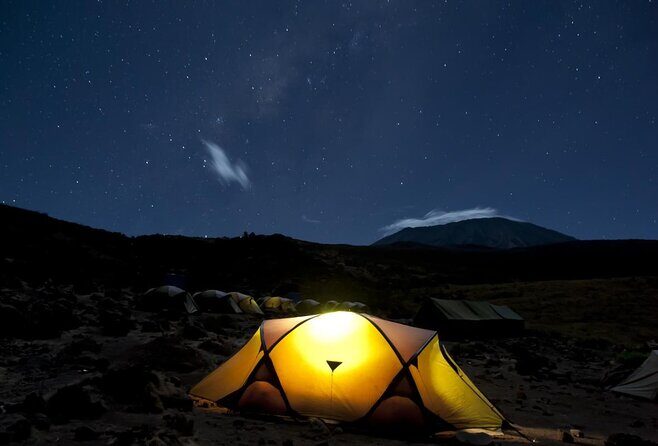
- Portable oxygen tanks and an ox meter are included, which helps you and your guide monitor conditions.
- A rescue-fee package is built in, so you’re not scrambling about safety coverage on a critical day.
- Mandara Crater side trip on day one adds real scenery without changing the overall plan.
- Three hot meals a day on the mountain plus treated drinking water keeps you fueled.
- Cold summit-night prep is baked into the schedule, starting between midnight and 2 am.
- A small group cap of 15 tends to feel calmer on a trail that demands focus.
Moshi start: private transfers and a safety-first climb
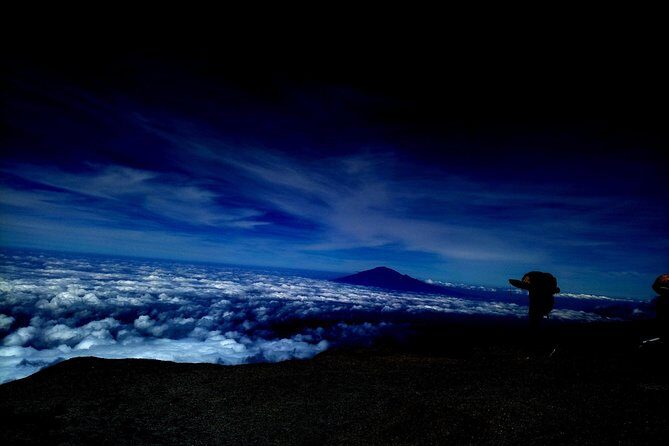
Most Kilimanjaro trips start with the same question: can you get from the airport to the climb without stress? Here, you’re picked up with private transport from Kilimanjaro International Airport to your accommodations in Moshi, then you’re moved to the park gate for the climb. That removes a chunk of friction right away—especially if you land tired or delayed.
You also get 2 nights of accommodation in Moshi included. That matters because you arrive, breathe the lower-elevation air, and get organized before you start climbing. Then, on the mountain, you’ll be with a team of guides, cooks, and porters—so you’re focused on breathing, moving, and taking in the views, not on logistics.
Safety is explicitly part of how the operator talks about the experience, and it shows in what’s included: emergency first-aid kit, team Kilimanjaro rescue fees, and the portable oxygen and ox meter. In the feedback I’ve seen tied to this operator, guides like Bakari and Rama get praised for professionalism, patience, and keeping people calm when the altitude makes everyone feel dramatic. If you want a guide who explains what’s happening to your body and keeps the mood steady, this package is built for that.
A few more Moshi tours and experiences worth a look
Price and value: what $2,330 covers (and why it’s not just the mountain fee)
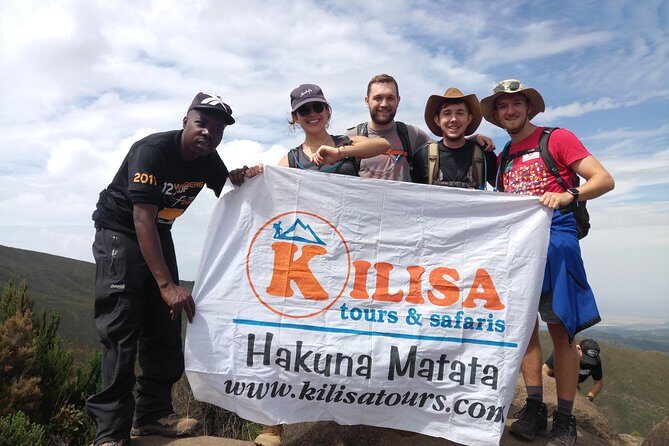
$2,330 per person is not cheap. But for Kilimanjaro, it’s also not just a “ticket to hike.” This price includes the stuff that usually adds up fast:
- Park entry fees and hut fees
- Team Kilimanjaro rescue fees
- Enough treated and filtered drinking water
- Hot water for washing
- 2 nights in Moshi
- Transport to and from the park gates
- Portable oxygen tanks and an ox meter
- Emergency kit
- Guides, cook, and porters
- VAT on tour fees and services
- A mobile ticket
You also get 5 breakfasts total, and lunches and dinners while you’re on the mountain (hot meals are listed as part of the mountain routine). When you compare to DIY-style planning, the value here is that someone else handles the heavy lifting: permits, rations, staff, and the “what if something goes wrong” pieces.
One consideration: tips for guides, porters, and cook are not included. That’s normal on Kilimanjaro, but it’s still a real cost you should plan for.
Day 1: rainforest to Mandara Camp, plus Maundi Crater views
Day one starts at the Kilimanjaro National Park gate after breakfast and a briefing. You’ll register and begin the climb with a drive time of about 1 hour from Moshi’s area to the gate. The first big win of this route is that it begins in the rainforest—cooler, greener, and easier on the mind than the high, bare stretches later.
You walk through montane forest to Mandara encampment, covering about 8 km (roughly 5 miles) over 3–4 hours. The elevation goes from around 1,860 m to about 2,700 m. That’s a meaningful gain, but it’s not the punishing jump you’ll face later.
What makes day one more than just “getting started” is the optional-feeling feel of the trail. You’ll likely pass tall eucalyptus trees, spot bird life, and look for colobus monkeys. Then there’s a side trip to Maundi Crater, which is specifically called out as a good way to see broad scenery across Northern Tanzania and Kenya. It’s the kind of moment that helps your brain remember why you’re doing this when your legs start negotiating.
Possible drawback: rainforest days can feel damp and humid. Even if you’re told shorts and T-shirts might be fine later, you’ll still want rain gear handy here for comfort and to avoid getting chilled.
Day 2: moorlands and altitude feelings on the way to Horombo
On day two, the trail leaves the rainforest and turns into open moorlands. This is where you start shifting from “hiking in a place” to “climbing in the thin air.” The day’s walk is about 12 km (7.5 miles) over 5–6 hours.
You gain more elevation—about 2,700 m up to around 3,700 m. And yes, this is where you might begin to feel altitude effects. That doesn’t automatically mean trouble. It often means you need to slow down, drink water, and keep your breathing steady.
The scenery changes in a fun way: you’ll be looking out for giant lobelias and grounsels. You also get strong views of Mawenzi and the summit of Kibo. If you’re the type who hates not knowing what you’re working toward, this is your day. The mountain starts looking like the mountain.
Meals for this day are listed as BLD (breakfast, lunch, dinner). Having full meals and hot food on the route helps because it reduces the temptation to snack random things that don’t sit well at altitude.
Tip for your body: if you start feeling “off,” treat it like altitude feedback, not a personal failure. Your pace should match the altitude, not your ego.
Day 3: saddle between Kibo and Mawenzi, then moonscape reality
Day three is the transition day. You ascend past the last watering point and walk onto the saddle of Kilimanjaro between Kibo and Mawenzi. The elevation climbs from about 3,700 m to around 4,700 m, and the hike is about 9 km (5.5 miles) over 5–6 hours.
Then the vegetation fades and the world becomes more stark. You move into what’s described as “moonscape,” which is a great way to think about it: little greenery, lots of rock and sky, and a stronger sense of wind and exposure. This is a day where the mental game matters. Once the terrain turns barren, it feels like the climb is speeding up—even when the plan is still careful.
The day ends with dinner, rest, and preparation for the summit climb. You’re not just stopping for the night. You’re setting yourself up for the big cold push that begins in darkness the next day.
Consideration: by day three, you may feel more tired than expected. That’s normal on high routes. Your job is to keep your steps calm and your breathing controlled so you’re not starting summit night already “empty.”
Day 4: the midnight climb—Gilman’s point to Uhuru Peak
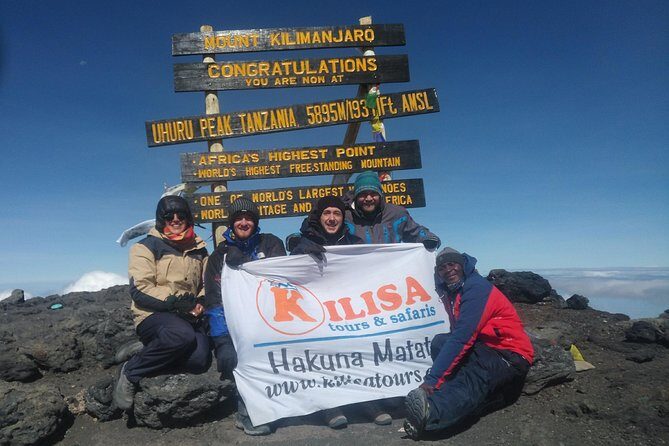
This is the day you came for: the summit attempt. The schedule starts very early, between midnight and 2 am, because the climb to the crater rim happens in steep, heavy scree (and possibly snow conditions).
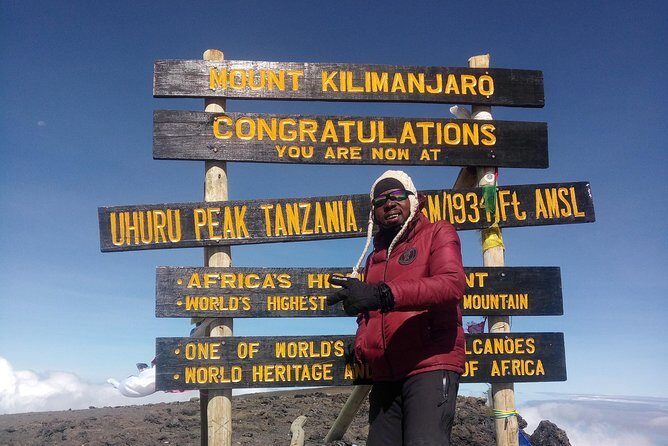
The route pushes up to Gilman’s point first, which sits on the crater rim. Then you continue to Uhuru Peak, the highest point in Africa. It’s hard to overstate how different the effort feels once it’s cold and dark. Your hands get stiff. Your legs burn. Your brain wants to bargain.
That’s why the practical gear list matters here:
- Headlamps or flashlights are required since the climb begins in the dark.
- Bring all warm layers, because it stays cold until you start descending.
- Expect switchbacks and slow progress. The plan explicitly says to go slowly and keep an optimistic attitude.
Once you reach the summit, the views are described as unbelievable at every turn, and you’ll have your chance for summit photos to share with family and friends. Then it’s back down: lunch and rest at Kibo, and then continued descent to Horombo encampment.
Possible drawback: if you’re not mentally ready for the long, grinding nature of summit night, it can feel like it’s never going to end. The good news is that the route and pace are designed for steady progress, and guides who keep you focused—rather than hyped or rattled—make a big difference.
Day 5: back down through moorland to forest, then Marangu gate
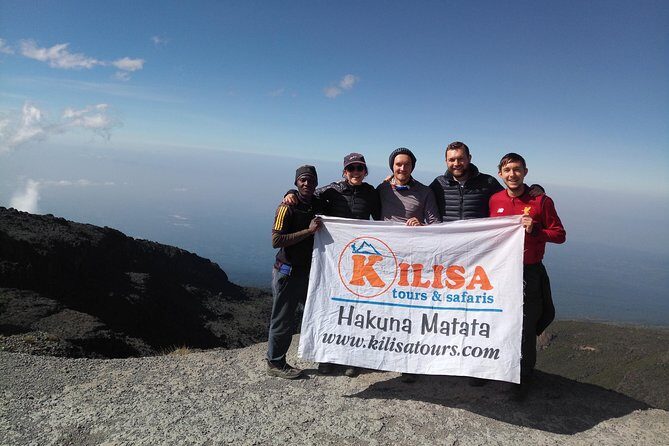
After breakfast, you descend through moorland to Mandara Hut, then continue down through forest paths toward the Marangu gate. The day’s hike is about 20 km (12.5 miles) over 4–5 hours, with a major elevation drop—from roughly 3,700 m down toward 1,700 m.
Lower elevations can be wet and muddy, and that’s not just an inconvenience. It affects safety and energy. If you want to walk confidently and not waste strength slipping, bring gaiters and trekking poles. The route notes that shorts and t-shirts may be enough at the end, but rain gear and warmer clothing should stay within reach.
Once you hit the Marangu gate, a vehicle waits to drive you back to your hotel in Moshi (about 1 hour). It’s a relief to know that transport is organized, since your legs will be done negotiating by then.
Packing and pace: how to make the climb feel manageable
Kilimanajaro success is less about athletic genius and more about steady choices. Here’s what your plan makes especially clear:
- Warm layers are non-negotiable for summit night. The climb begins in darkness and stays very cold.
- Headlamp/flashlight matters because you’ll climb early.
- Trekking poles and gaiters help a lot on the muddy lower sections.
- Start slow, stay consistent: the schedule itself emphasizes pole pole when conditions get hard.
- Hydration and fuel matter: treated drinking water is included, and you’ll get hot meals during the climb.
Also, you should have a strong physical fitness level. The experience is set up for people who are capable of multi-hour hiking days and can handle altitude exposure. If you’re newer to trekking, you can still do it—but you’ll need to take the pace guidance seriously.
Should you book Kilisa’s 5-day Marangu climb?
If you want a Kilimanjaro experience that feels structured—transport handled, meals planned, water covered, and safety gear included—this one makes sense. I’d especially recommend it if you value professional guidance and calm support on a mentally tough day like summit night. The inclusion of portable oxygen tanks, an ox meter, and rescue fees is a practical layer of reassurance.
I’d think twice if you know you struggle with cold, darkness, and grinding climbs that don’t move fast. This route can be run well, but summit night is still summit night. If that part sounds like misery, it may not match your vibe.
Bottom line: if you’re ready to train a bit, go slow, and listen to your guide, you’re in the right place. Kilimanjaro rewards the patient climbers—and this plan gives you the tools to be one of them.
FAQ
How long is the Marangu route climb with Kilisa?
The experience runs for about 5 days.
Where does the tour start and when?
It starts at Kilimanjaro Airport with a start time of 8:30 am.
Will I get pickup from my hotel or the airport?
Yes. Private transport is included to and from Kilimanjaro International Airport to your accommodations in Moshi, and you’ll also get transport to and from the Kilimanjaro gate.
How many people are in a group?
The maximum group size is 15 travelers.
What meals and water are included during the trek?
You get 3 hot meals daily while on the mountain, plus breakfast counts as included (breakfast 5; lunch 4; dinner 4). Treated and filtered drinking water is provided throughout.
Is oxygen equipment included?
Yes. The package includes portable oxygen tanks and an ox meter.
What’s not included in the price?
Flights, travel insurance, and tips for guides, porters, and cook are not included.
What should I expect on summit day?
The summit climb starts very early between midnight and 2 am, in steep and heavy scree or snow, and it requires headlamps or flashlights. It is very cold until you start descending.
What happens if I cancel?
Free cancellation is available up to 24 hours in advance for a full refund. If you cancel less than 24 hours before the start time, you won’t receive a refund.