REVIEW · MOSHI
Tanzania Safari – The Great Migration in the North of the Serengeti and Lake Natron
Book on Viator →Operated by Safari Crew Tanzania · Bookable on Viator
The North Serengeti can deliver real drama. This safari is built around the Great Migration window and then stacks it with signature add-ons like Lake Natron flamingos and a hike near Ol Doinyo Lengai. I love how the route jumps between very different habitats, so you don’t feel stuck in one kind of scenery.
Two other standouts: the guiding gets called out by name in feedback, including guides like John, Naftal, and Beni, and the organization gets praised for being smooth and responsive. One drawback to plan for: migration isn’t a guarantee. It’s all timed to July–October conditions in the north, so if your dates land outside that window, you may see plenty of wildlife without the exact migration spectacle.
In This Review
- Key highlights before you go
- North Serengeti Great Migration: why July–October is the whole point
- From Arusha to Lake Manyara: a Rift Valley intro that actually delivers
- Ngorongoro Crater game drive: one spot, many “wow” moments
- Serengeti focus: Mara region and the migration mechanics
- Lake Natron: when the soda-salty world pulls in millions
- Ol Doinyo Lengai and the Engare Sero hike: the hike is the point
- Back to Lake Natron shores, then Tarangire’s “giants” river rhythm
- Full Tarangire day: elephants, predators, and birdwork in the same frame
- Price and logistics: what $4,974 covers, and why it can be fair value
- Who should book this migration-focused circuit, and who should reconsider
- Final call: should you book Safari Crew Tanzania for this plan?
- FAQ
- FAQ
- What’s the duration of this Tanzania safari?
- Which parks and areas are included?
- When is the Great Migration expected to be in the north?
- What’s included in the safari price?
- Are flights included?
- Do I need a visa?
- Are any guides or guides’ names mentioned?
- Is the Ol Doinyo Lengai part a hike?
- What’s the cancellation refund timeframe?
Key highlights before you go
- North Serengeti migration timing (July–October), when wildebeest and zebra herds gather and cross
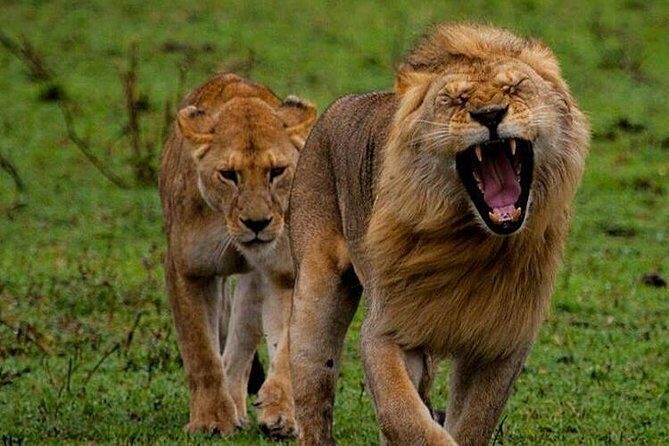
- Ngorongoro Crater as a natural amphitheater with huge predator potential in one drive
- Lake Natron’s alkaline setting that draws massive flamingo nesting during the dry season
- Ol Doinyo Lengai hike to Engare Sero stream and a waterfall swim option
- Tarangire’s “giants” vibe with baobabs, elephants, and the river as the dry-season magnet
- Full-board value with park fees and transport included, so you’re not doing math every day
North Serengeti Great Migration: why July–October is the whole point
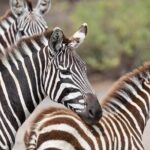
If you’re chasing the Great Migration, the best part of this plan is that it doesn’t treat it like a bonus. It treats it like the main event. Between July and October, wildebeest and zebra herds can be concentrated in the northern Serengeti, and that’s when dramatic river crossings and big herd movement are most likely to be on your radar.
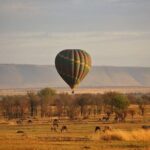
Here’s what I’d expect you to feel in practical terms: more time spent in the migration-relevant zone, and less time doing filler driving just to check boxes. The landscape in this part of the Serengeti tends to be open and easier to scan, which matters because visibility helps you spot behavior cues like herd direction changes, dust clouds, and predator stalking lines.
That said, migration is still nature doing what nature does. Water and forage shifts can move herds. You can’t “schedule” animals. But you can schedule your itinerary to be in the right region during the right months, and that’s exactly how this trip is framed.
A few more Moshi tours and experiences worth a look
From Arusha to Lake Manyara: a Rift Valley intro that actually delivers
Your safari begins with Lake Manyara National Park, and the value here is variety fast. Lake Manyara is small on paper, but it sits under the Rift Valley escarpment and mixes several habitats. You can see dense forest areas fed by springs near the Rift, open savannah, and marshy lake edges—all without burning a whole day just to reach “the one best habitat.”
Wildlife tends to show up where food and cover meet. So expect a strong chance at primates and birds, plus the larger mammals that move through the park corridors. Lake Manyara is known for big monkey energy, including baboons and other primate species, and it also has elephants and giraffes. Birdlife is a highlight too, with around 380 bird species. If you’re traveling at the right time, flamingos are part of the story as well—during December to March they settle here, then move on toward Lake Natron.
One smart way to approach this day: use it as your warm-up for scanning. The more comfortable you are reading animal movement and bird calls, the more fun the next days become when the action scales up.
Ngorongoro Crater game drive: one spot, many “wow” moments
Ngorongoro is one of those places where the setting changes the hunting game. The crater is the collapsed top of an ancient volcanic cone, forming a natural caldera. Inside, there’s a savannah floor ringed by raised edges, and the environment supports over 25,000 large animals.
For your safari experience, the practical payoff is simple: you can often see a lot of different wildlife types with one drive because the habitat is concentrated. Predators and prey can show up in the same general viewing area, and the crater bowl acts like an arena.
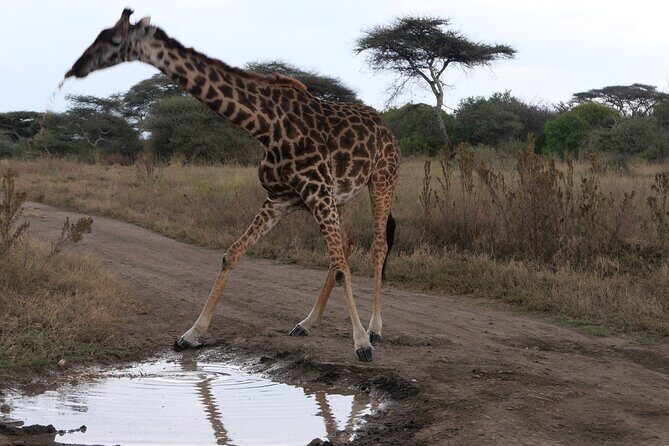
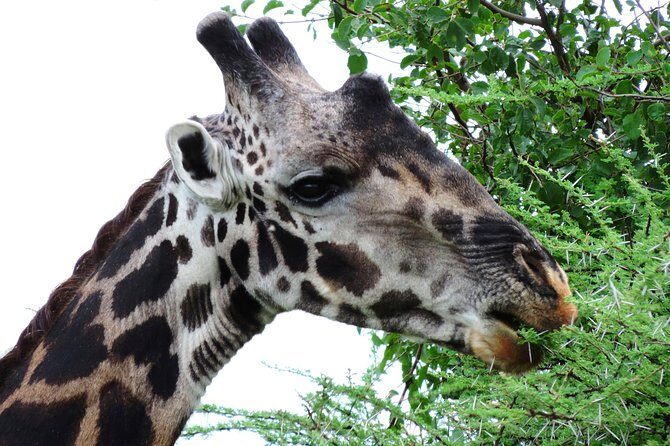
There are also a couple of useful “expectation setters” so you don’t feel disappointed. Giraffes don’t find nourishment here, so if you’re hoping for that particular species, this may not be your best day for it. But the crater is known for many typical species of the region, and it’s especially good for the classic Serengeti-style ecosystem mix.
The altitude at the crater edge is high (about 2,300 meters), so temperatures can feel cooler than you expect. Dress in layers so you’re comfortable, especially when the morning starts crisp.
Serengeti focus: Mara region and the migration mechanics
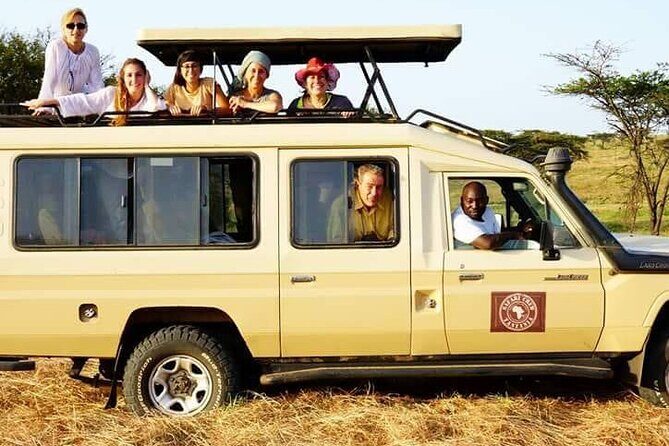
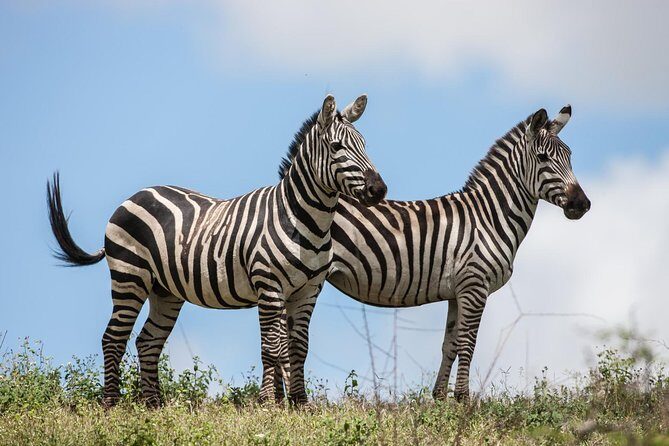
After Lake Manyara and Ngorongoro, the trip settles into Serengeti National Park, and the itinerary is clearly built to keep you in migration-relevant territory. The Serengeti ecosystem is huge, and it supports massive numbers of animals—more than 1.5 million wildebeest, around 300,000 zebras, plus large populations of gazelles and a predator base that can be impressive in the right conditions.
When you’re in the Mara region, pay attention to why it’s chosen. The combination of soil type, vegetation, and open grassland makes sightings easier. In much of the Serengeti, volcanic soil conditions help prevent tall tree growth, which means you can scan farther and catch more behavior from a distance.
This matters because migration watching isn’t just about seeing animals. It’s about seeing movement decisions: herds bunching up, crossing attempts, animals waiting for safer footing, and predators taking advantage of congestion. If you come in with that mindset, the Mara days feel like you’re watching a live system, not ticking boxes.
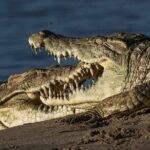
Even when crossings aren’t right in front of you, you still get Serengeti’s big-life cast. Expect a range of large mammals and plenty of birds, and if you’re near water, waterways can hold crocodiles and hippos. That mix of open country plus water-driven wildlife behavior is one reason Serengeti never feels repetitive.
Lake Natron: when the soda-salty world pulls in millions
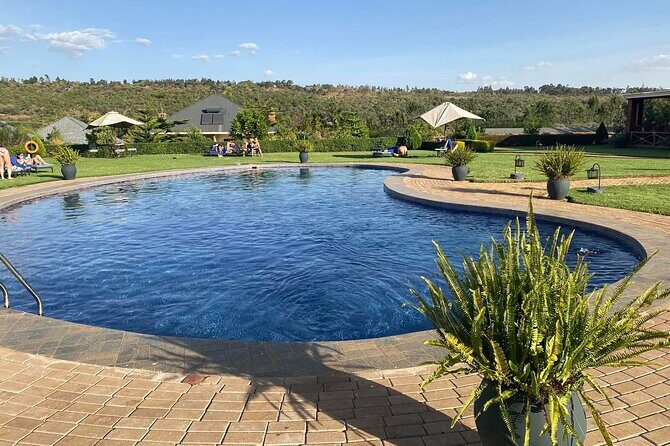
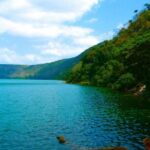
Then you move toward Lake Natron, and the change in feel is immediate. This is a strongly alkaline lake in a rugged area tied to the Rift Valley. The region is described as a lava desert zone, far north in Tanzania. In plain terms, it’s stark, dry, and dramatic. You won’t confuse it for a lush savannah day.
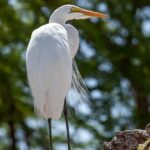
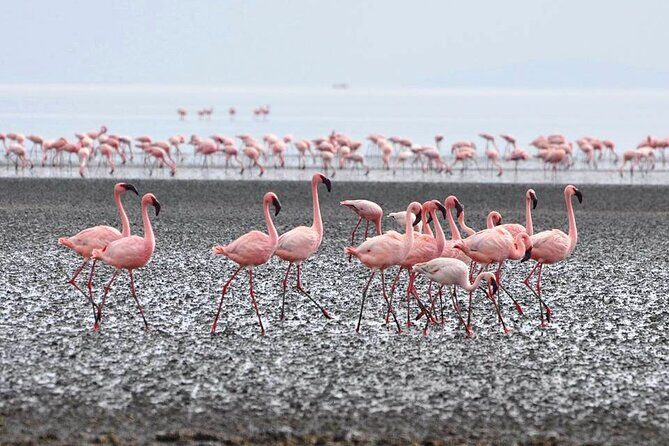
Lake Natron’s claim to fame is its flamingo connection. The lake is a nesting area for millions of pink flamingos, especially during the dry season from June to October, when the lake’s waters contain the cyanobacteria flamingos feed on.
One thing I like about including Natron in a Great Migration safari is the contrast. You go from herds and predators to a place where the main wildlife story is food chemistry and seasonal timing. It’s a reminder that migration country is only one kind of wildlife spectacle.
There’s also a practical note: Natron territory is remote and track conditions can be rough. That’s part of the charm, but it also means you’ll be glad the safari is set up with proper vehicle logistics and full-day game driving pacing rather than a rushed “drive-through.”
Ol Doinyo Lengai and the Engare Sero hike: the hike is the point
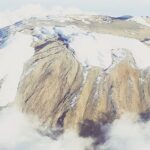
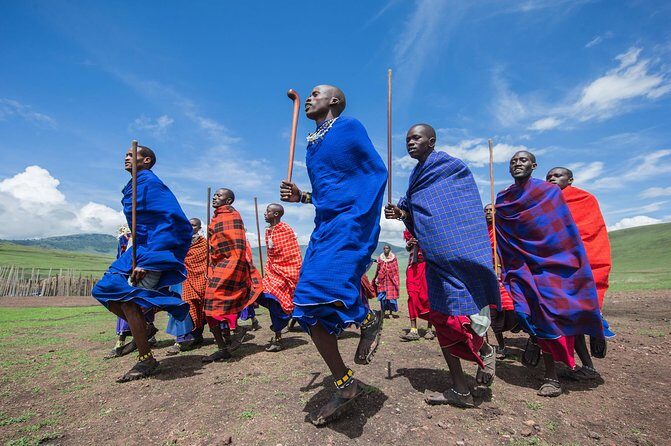
One of the most memorable parts of this trip plan is the Ol Doinyo Lengai stop. This volcano is sacred to the Maasai people and is considered the home of God Leng’ai. It also has a scientific hook: it’s the only volcano in the world described as emitting natro-carbonatitic lava.
You might think this would be a straight look-and-go viewpoint. Instead, the plan includes an afternoon walk along the Engare Sero stream toward a waterfall, with an option to swim. It’s described as not difficult, but it’s also not a dry-foot hike. You walk at times with your feet in water, and water can reach up to around knee height.
So go prepared. The plan specifically suggests a bathing suit and non-slip shoes. This is exactly the kind of practical detail that decides whether the hike feels fun or annoying. If you show up in the wrong footwear, you’ll spend half the walk thinking about your discomfort instead of the views and the cool refresh at the end.
Even if you’re not chasing volcano science, I like this stop because it adds a human meaning layer (Maasai sacred significance) and a physical experience layer (moving along a gorge stream). It breaks up the safari rhythm, and it gives you something to talk about that isn’t just about who you saw.
Back to Lake Natron shores, then Tarangire’s “giants” river rhythm
After the Lengai hike, you’re back into Natron-country exploration with a foot excursion on rugged ground. This one is through a rugged, almost lunar-feeling terrain, and it’s framed as a walk to the lake shores. You then connect toward Tarangire National Park, where the afternoon turns into a photo safari.
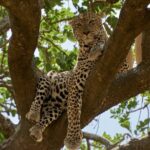
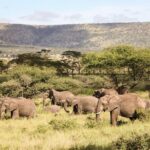
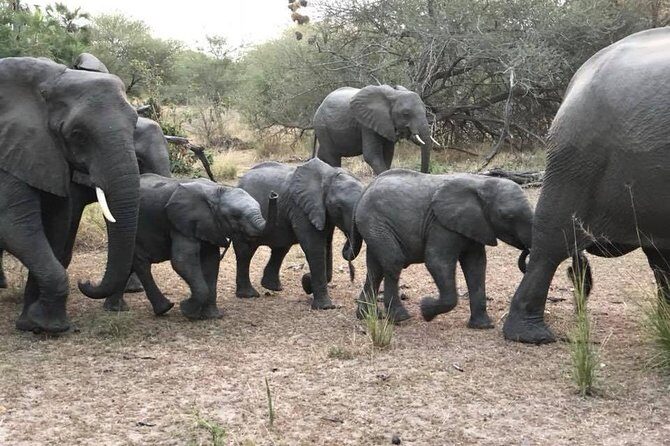
Tarangire is a different world inside the Northern circuit. It’s often called the park of the giants for a reason: colossal baobabs and large elephant herds are a big part of the picture. The wildlife mix can include lions, leopards, and a long list of antelopes, plus wildebeest and zebras.
What I think makes Tarangire especially strong is the river-centered “gravity” of dry season life. The Tarangire River becomes a key water source during the dry period, and it draws animals into a smaller set of areas. The plan also mentions the Silale Marsh as another water component. That kind of concentration improves your odds of seeing behavior, not just animals standing around.
If you’ve ever had a safari where everyone says, We saw animals, but nothing felt alive, this is the fix. Where water is scarce, animals behave like they have a reason to be there. That makes sightings more meaningful and often more action-packed.
Tarangire is also described as having about 500 bird species, which can turn the day into a mix of big mammals plus constant bird interest. It’s a good balance if you get bored of only the biggest species.
Full Tarangire day: elephants, predators, and birdwork in the same frame
The final substantive safari day in this plan is another stretch inside Tarangire, focused on longer time in the park and a continued chance at animal encounters. Since Tarangire is relatively famous for elephants and baobabs, you’ll likely get more than one classic “elephant in front of a baobab” moment. But the real value is that a longer day increases the chances that the river and surrounding zones produce something new.
In a dry-season wildlife game, the best sightings often come from timing: who arrives first, who moves next, and who decides to cross. The itinerary keeps you in place long enough for those changes to happen rather than forcing constant “new place, new drive, hope for the best” energy.
Also, Tarangire’s mix of large mammals and many birds means your day doesn’t depend on one predator encounter. If the lions aren’t in the mood, birds and elephant social behavior can still keep the hours satisfying.
Price and logistics: what $4,974 covers, and why it can be fair value
This safari is priced at $4,974 per person for about 8 days. The cost will feel high if you compare it to a DIY trip. But the included items here make the price easier to justify.
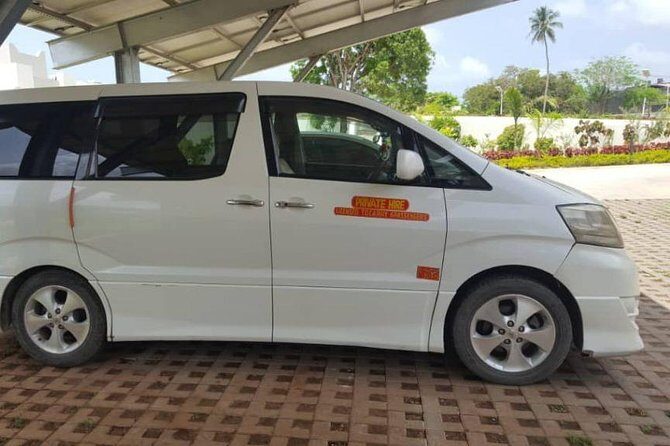
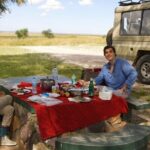
You’re getting private transportation and 4×4 safari circuit with full board. That matters because in Tanzania, the “hidden time cost” of coordinating drives, park entries, and meals can drain the value out of a trip. Here, park fees, transfers, and water on board are included, along with AMREF insurance.
You’re also getting meals spelled out: breakfast (7), lunch (8), and dinner (7), plus all fees and taxes. On a safari, meal planning isn’t just comfort. It affects how smoothly the day’s game drives run.
Two things to keep in mind on value:
- Not included are international and local flights, entry visa, drinks at lodges, and personal extras (and tips, sometimes written as mance). If you forget to budget for those, sticker shock hits hard.
- This is focused on the Northern circuit and Natron experience. It isn’t trying to add extra islands or side trips.
If your top goal is to be in the right places for the migration window and still have meaningful add-ons like Natron and a hike, the pricing can work out as fair value compared with piecing together separate transfers, park fees, and private vehicles yourself.
Who should book this migration-focused circuit, and who should reconsider
This safari fits best if you want:
- A migration-first plan during July–October
- Classic Northern parks plus a strong Lake Natron component
- Time for a real walk near Ol Doinyo Lengai (with water in the hike)
- A private setup that reduces “sit and wait” time between stops
It might be less ideal if you:
- Need a totally low-effort day every single day. Most days involve drives and early starts; the hike also involves wading at times.
- Are traveling outside the migration season and mainly want specific migration-style crossings. You can still see wildlife, but the trip’s selling point is timed to those months.
- Prefer everything to be purely vehicle-based. This itinerary includes walking on Lake Natron shores and the Engare Sero route.
If you’re the type who likes your days to feel like a sequence of different ecosystems, this plan will feel satisfying. If you want a very relaxed “one lodge base” style vacation, it’s probably not your best match.
Final call: should you book Safari Crew Tanzania for this plan?
I’d book this route if your priority is the North Serengeti migration window and you’re also excited by the “wildlife plus place” side of travel: Rift Valley escarpment ecology at Lake Manyara, a predator-rich crater day at Ngorongoro, and then Natron’s flamingo season plus a volcano hike connected to Maasai meaning.
The other reason I’m comfortable recommending it is consistency signals in the feedback: guides like John, Naftal, and Beni are specifically praised, and organization shows up again and again. That matters because on safari, logistics are not background work. Bad logistics can wreck the day. Here, the trip is designed to keep the flow tight: 4×4 circuit, park fees handled, full board included.
If you’re interested, the smartest next step is to be honest about your travel month. If you’re in July–October, you’re aligning with what makes this safari special. If you’re outside those months, ask yourself whether you still want the full Northern circuit and Natron experience, even if the migration drama looks different.
FAQ
FAQ
What’s the duration of this Tanzania safari?
It’s listed as 8 days (approx.).
Which parks and areas are included?
You’ll visit Lake Manyara, Ngorongoro Crater, Serengeti National Park (including the Mara region), Lake Natron, Ol Doinyo Lengai, and Tarangire National Park, with return to Arusha.
When is the Great Migration expected to be in the north?
The information provided says the Great Migration in the northern Serengeti is between July and October.
What’s included in the safari price?
Included items list private transportation, a 4×4 safari circuit, full board, transfers, park fees, AMREF insurance, and water on board, plus all fees and taxes and meals (breakfast, lunch, dinner).
Are flights included?
No. International and local flights are not included.
Do I need a visa?
The entry visa is not included.
Are any guides or guides’ names mentioned?
Yes. Feedback includes named guides such as John, Naftal, and Beni.
Is the Ol Doinyo Lengai part a hike?
Yes. There’s an afternoon foot excursion along Engare Sero stream to a waterfall, and the information specifically suggests bringing a bathing suit and non-slip shoes because you may walk with your feet in water.
What’s the cancellation refund timeframe?
You can cancel up to 6 days in advance for a full refund. 2–6 days before start time gives a 50% refund, and less than 2 days before start time is not refunded.