REVIEW · ARUSHA
6 Days Kilimanjaro Climbing Machame route
Book on Viator →Operated by Avocet Tanzania Safaris · Bookable on Viator
Six days on Kilimanjaro can change your pace. The Machame route (aka the Whiskey route) is a popular way up Mount Kilimanjaro, built around “trek high & sleep low” for acclimatization. If you like a climb that mixes effort with big scenery, this plan has plenty of both.
Two things I like right away: the schedule is designed to help you adjust to altitude, and the summit push is timed for a classic midnight headlamp climb. You’ll also get day-after-day camp moments, from Shira’s plateau feel to Barranco’s dramatic wall and Barafu’s glacier views.
One thing to consider before you commit: the Machame route is tougher than some alternatives, and it can get crowded, which can blunt that quiet, awe-struck feeling on certain days. Add in the steep Barranco Wall scramble and the midnight wake-up on day four, and you’ll want to be mentally ready for an early, physical rhythm.
In This Review
- Key highlights you’ll feel in your legs and eyes
- Why the Machame route fits the way most people acclimatize best
- Day 1–2: From Kilimanjaro National Park uphill heat to the Shira Plateau
- Day 3: The acclimatization day that sets up Barranco Camp’s best scenery
- Day 4: Barranco Wall to Barafu Camp, plus glacier views before midnight
- Day 5: Midnight summit ascent to Stella Point and Uhuru Peak photos
- Day 6: Cloud forest descent to Mweka Gate and the ride back toward Moshi
- Price and logistics: does $1,950 feel like value or a gamble?
- Who should choose this Machame climb, and who should think twice
- A simple checklist mindset before you start
- Should you book this 6-day Machame route with Avocet Tanzania Safaris?
- FAQ
- How long is the Kilimanjaro Machame route climb?
- What time does the activity start?
- Is this tour private?
- What meals are included in the price?
- Does the tour include camping equipment and water?
- Is Kilimanjaro National Park admission included?
- What costs are not included?
- Can I cancel for a full refund?
Key highlights you’ll feel in your legs and eyes
- Trek high, sleep low pacing: built for acclimatization, not just distance
- Shira Plateau to Barranco Camp progression: vegetation shifts and big views early on
- Barranco Wall scramble: hands-on steep climbing that tests balance
- Barafu glaciers and the midnight summit start: dramatic timing and night trekking
- Uhuru Peak via Stella Point: a long, high-altitude grind with a clear payoff
- Camping setup and most meals included: camping equipment plus breakfast, lunch, and dinner
Why the Machame route fits the way most people acclimatize best
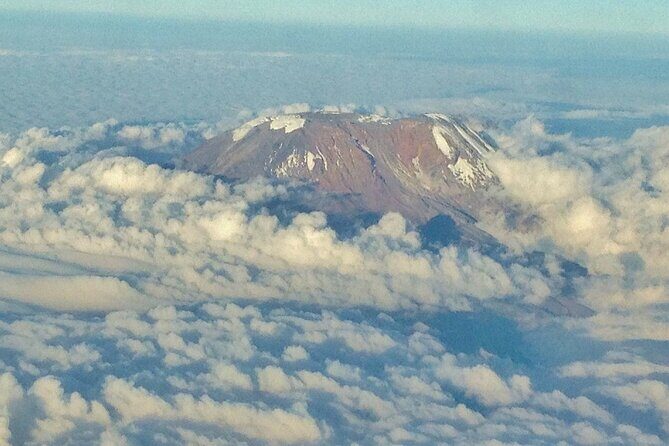
The Machame route is known for a strong track record of summit success, largely because it’s shaped for altitude adjustment. The key idea is simple: you gain altitude during the day, then you sleep at a lower point than the day’s high. That rhythm helps your body practice being at height without constantly forcing it into the toughest possible conditions.
On this 6-day plan, you can see that logic in how the days are structured. Early on you move up through changing terrain, then you get a crucial acclimatization day before the route steepens. Day three, in particular, is designed to take you high and then bring you down to Barranco Camp. That matters because your summit day will be a long, steep experience, and you want your body already trained for the altitude stress.
There’s also a second “fit” element: the route’s scenery is varied. You move through forest plains into plant zones like Senecio kilimanjari and Lobelia deckenii, then into colder, drier alpine zones. That variety isn’t just pretty—it helps break up the monotony of long hikes and gives you visual markers for how the environment is changing as you gain altitude.
The trade-off is that Machame is popular. Even when the views are great, heavy crowds can make some sections feel less grand than they could. If you’re the kind of person who values quiet, you’ll want to keep your expectations realistic and focus on the moments that are still yours: camp set-up, glacier sightlines, and the final crater rim approach.
A few more Arusha tours and experiences worth a look
Day 1–2: From Kilimanjaro National Park uphill heat to the Shira Plateau
Your climb begins inside Kilimanjaro National Park, and even the “easy” days on Machame still include uphill sections. On a clear day, the hiking can feel exposed and hot, so carry plenty of drinking water and pace yourself before you get too far ahead of your breathing.
Day one gives you a strong first altitude lesson. As you climb, you’ll notice trees shrink and the vegetation transitions into Kilimanjaro’s high-altitude plants—especially Senecio kilimanjari and Lobelia deckenii. That’s not just a botany moment. It’s your visual cue that you’re moving into the colder, thinner-air zone where your pace should slow down.
After lunch, you’ll work your way toward the Shira Plateau. This plateau exists because of Kibo’s ancient lava flows that filled the Shira crater. You’ll then continue to Shira Camp, where you relax and let your body settle before tomorrow.
Day two follows a similar pattern but adds time in the higher terrain, which is exactly what you want early on. You’ll get more viewpoint time—seeing plains and forests below, plus Kibo and Mawenzi peaks above. Then you’ll continue through the Shira Plateau area and settle back into Shira Camp again. That repeat night helps your acclimatization because your body gets time to recover at camp elevation.
Practical reality check: days one and two are easier compared with later parts, but they still matter. This is where you learn your pace, test your water habits, and get comfortable hiking in shifting altitude conditions. If you go out too hard early, the later days will punish you.
Day 3: The acclimatization day that sets up Barranco Camp’s best scenery
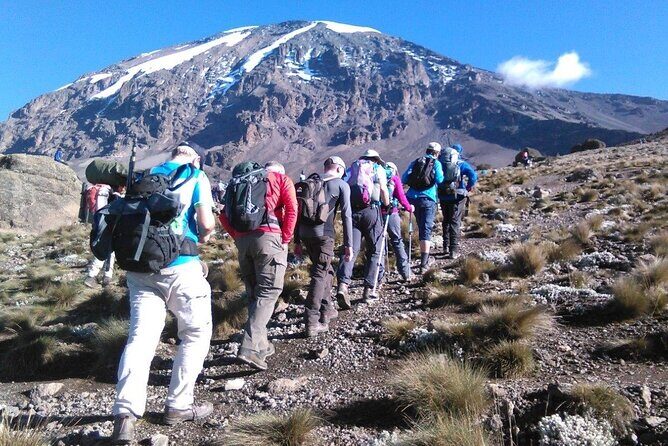
Day three is the kind of day that makes the whole itinerary feel smarter. Even though the day ends with a relatively small elevation gain on paper, you’ll climb to a much higher point during the hike—up to around 4,530 meters—before descending to Barranco Camp.
After breakfast, you’ll head east on the Shira Plateau. The route then reaches the junction where the Shira and Lemosho lines meet, and you’ll continue through a barren landscape. It can feel more stark than earlier days, which is normal as you rise into thinner-air zones where vegetation can’t hold on the same way.
After lunch, you’ll reach the highest point of the day before beginning a quicker descent to Barranco Camp. That pattern—higher during the day, lower to sleep—is exactly what acclimatization planners aim for. Your body gets a controlled dose of altitude stress, then gets relief.
If you’re feeling strong, there’s also a detour option via Lava Tower, a roughly 300-foot lava formation jutting out of the mountainside. It’s a good choice if your group pace is handling the climb comfortably.
Barranco Camp itself is considered the most scenic campsite on the Machame route, and that makes sense given what you’re approaching. It’s nestled among stands of Senecio kilimanjari, which gives the camp area a distinctive look compared with more purely rocky stops. Expect day three to feel like a turning point: you’re building altitude resilience, not just walking.
Day 4: Barranco Wall to Barafu Camp, plus glacier views before midnight
Day four is where Machame stops being gentle. The day starts with about 1.5 hours of scrambling up the Barranco Wall. In some sections, you’ll need your hands for balance and pulling power. This isn’t a “think about it” kind of day—it’s a “move carefully” kind of day.
Once you crest the wall, you descend into the greener Karanga Valley. That shift—from steep, barren scrambling to a more vegetated valley feel—helps reset your eyes and legs before you continue onward.
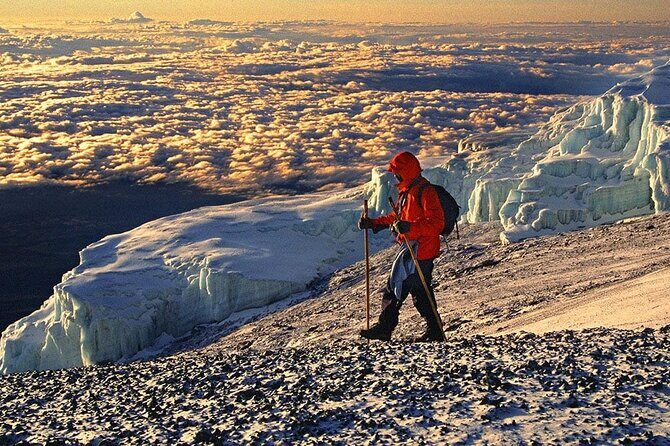
As you hike toward Barafu Camp, you’ll get glacier views, including the junction that connects the Mweka descent route with the Machame trail. Along the way, you’ll also pass by Heim, Kersten, and Decken Glaciers. Even if you’re not a geology nerd, glacier viewing at altitude always makes the effort feel real.
Then you reach Barafu Camp: an alpine desert setting with little vegetation. It’s bleak in feel, but the views of Kibo and Mawenzi peaks—and the Rebmann Glacier—can be striking. The key message for this day is timing: you’ll want to eat, settle, and try to sleep soon. You’ll wake at midnight for the summit hike.
This is the hardest logistics day. Night starts can mess with your mood if you’re tired, underprepared, or rushing. Plan to be calm, keep warm, and focus on steady steps—because once you start the summit, your energy management matters more than speed.
Day 5: Midnight summit ascent to Stella Point and Uhuru Peak photos
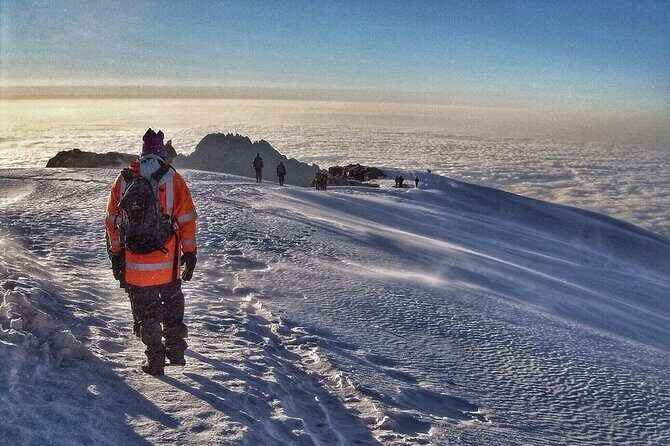
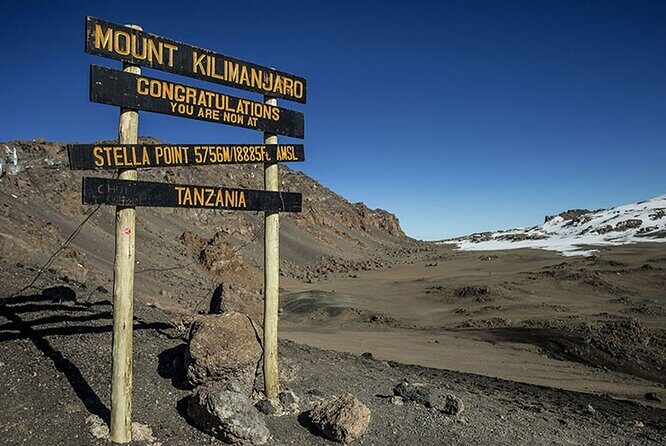
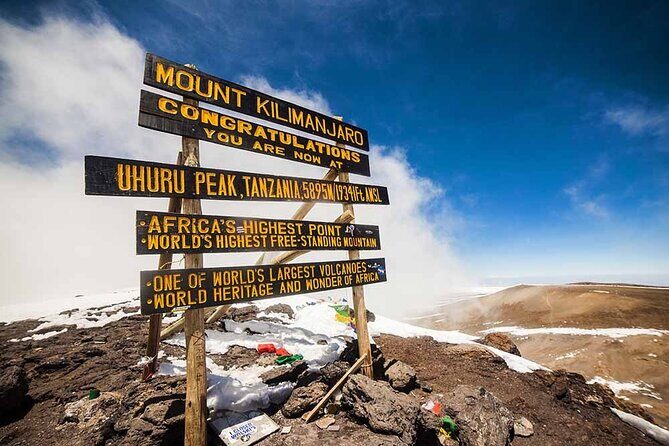
Around midnight, you begin the final ascent to Uhuru Peak, Africa’s highest point. For the next several hours, you hike in the light of your headlamp. The ascent to the crater rim is described as the most challenging part, and it’s very steep until you reach Stella Point.
Once you arrive at Stella Point, the climb to Uhuru Peak becomes more gradual and, in trail terms, not very difficult. Here’s the catch: altitude makes it long and tiring even when the footing isn’t the worst part. So your goal shifts from “how fast” to “how steadily.”
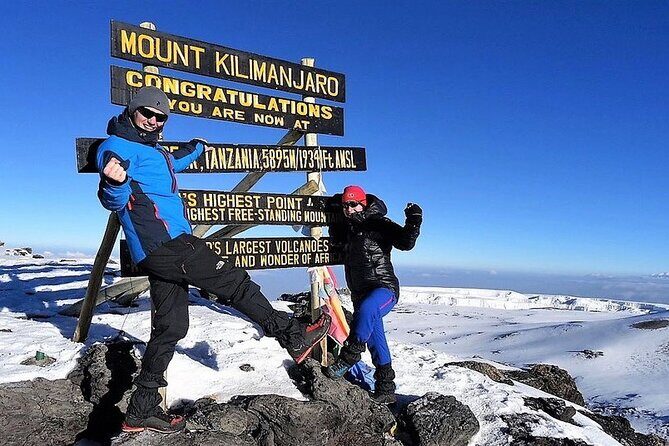
The crater rim hike takes about one hour, which feels quick compared with the full night effort—but at that height, it still demands attention. When you finally reach Uhuru Peak, there’s a short photo moment with your guide and group. It’s a simple thing, but it’s a real morale marker after a very physical stretch.
Then comes the descent to Mweka Camp. You’ll be hiking down after the peak, with views of the mountain and crater area, plus the moving cloud layer. Day five is intense in both directions: upward effort, then long downhill concentration.
If you want a summit day that feels like a once-in-a-lifetime hike rather than just a tall number, pay attention to your pacing and keep your breathing controlled. This is where the earlier acclimatization logic pays you back.
Day 6: Cloud forest descent to Mweka Gate and the ride back toward Moshi
Day six is about finishing strong and getting your body down safely. After breakfast, you descend to Mweka Gate. This is described as a beautiful final walk through Kilimanjaro’s cloud forest.
The big practical detail on day six is footing. The descent can be slippery, so watch your step and don’t rush just because you’re close to the end. You’ll feel better by taking one careful step at a time, not by trying to “finish fast.”
At Mweka Gate, vehicles are waiting at the lower station to take you back to Moshi. You can also buy t-shirts and sodas at the gate. It’s a small end-of-trip ritual that helps you transition from trekking mode to regular travel life.
This last day matters more than people think. You’ve already gone through the toughest altitude parts, and day six is your chance to avoid careless falls after fatigue. Keep your eyes on the trail and treat the descent like part of the climb, not a victory lap.
Price and logistics: does $1,950 feel like value or a gamble?
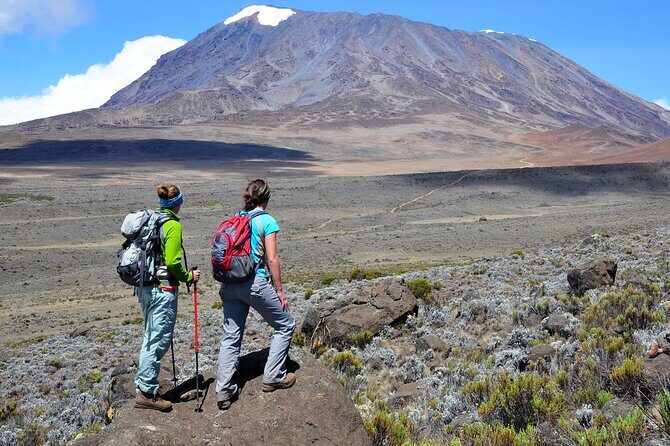
At $1,950 per person, this Machame climb isn’t a budget hike, but it’s also not just a “walk and good luck” setup. The price includes camping equipment, transportation, all fees and taxes, bottled water and mineral water, plus meals—breakfast (5), lunch (6), and dinner (6).
That package matters because Kilimanjaro is equipment- and operations-heavy. Camping gear and planned meals reduce the risk of costly surprises mid-trek. You also won’t have to think about park admission because the admission ticket is free under this package, and fees and taxes are listed as included.
What isn’t included is important to budget correctly. You’ll be responsible for visa fees, international and local flights plus taxes, travel and personal accident insurance, and tips for driver, guide, and cook. There’s also no cultural village visit included; if you want it, you pay separately.
Two practical cautions based on what I’ve seen from this provider’s broader travel style: one mixed experience involved disagreements about promised vehicle types and the number of parties communicating at a transfer. The other side of the picture is positive—people have credited a guide named Mike with making game viewing feel easy and rewarding on day trips. For Kilimanjaro, the takeaway is simple: confirm pickup details and vehicle expectations clearly, in writing, and make sure you know who your trekking team lead is before you leave.
Who should choose this Machame climb, and who should think twice
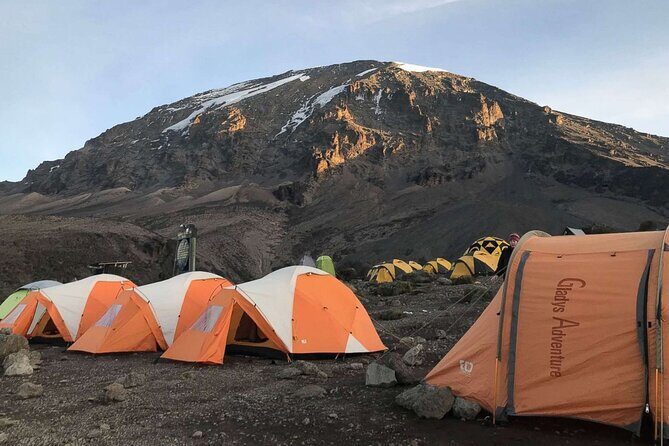
This route is best for you if you want a tougher climb than the more relaxed options and you want an itinerary designed around acclimatization. The “trek high & sleep low” approach fits people who understand that altitude needs a strategy, not a sprint.
It also suits you if you like a varied day-by-day experience: plant zones early on, barrenness and wide views in the middle, steep scrambling on day four, and a clear summit structure that starts around midnight.
The route may be less ideal if you hate technical scrambling or you’re easily overwhelmed by night starts. Day four includes a steep, hand-needed scramble up Barranco Wall. Day four also includes waking at midnight, which can be emotionally tough even for fit hikers.
The good news is that the trip is described as one where most travelers can participate, and it’s a private tour, meaning only your group goes. That can help you keep a steadier pace and reduce pressure from a mixed crowd.
A simple checklist mindset before you start
Because the plan includes a night summit climb, you should treat preparation as part of the hike, not just a pre-trip step. Here are the areas the itinerary itself signals you need to be ready for:
- Exposed daytime hiking: carry plenty of drinking water, especially on clear days early in the trek.
- Night summit hiking: since you’ll hike by headlamp light, bring and verify your headlamp before departure.
- Day four scramble: expect hands-on movement on Barranco Wall and take your time.
- Slippery descent: watch your step on the final cloud forest descent into Mweka Gate.
- End-of-trip spending: t-shirts and sodas are available at the gate if you want souvenirs.
Also, since this is a private activity and you have a specific start time of 7:00 am, you’ll benefit from arriving early to stay calm and organized. A calm start makes a huge difference on multi-day climbs.
Should you book this 6-day Machame route with Avocet Tanzania Safaris?
I’d book it if you want the Machame experience: a popular route with an acclimatization-focused rhythm, big camp moments, and a summit plan that’s clear from start to finish. The value is strongest when you appreciate what’s included—camping gear, meals, park fees, and water—and you’re comfortable with the reality that you still need to budget for visa, flights, insurance, and tips.
I would not book it on autopilot if you have fragile expectations about transfers or details. One mixed experience tied to promised vehicle types and communication steps is a reminder to double-check logistics in advance. If your main goal is a stress-free trip with no surprises, ask questions early and confirm the specifics.
If your schedule is flexible, this operator also offers free cancellation up to 24 hours before the experience starts, which gives you a little safety net while you finalize your plans.
If you want a climb that feels like a real mountain journey, not a simple hike, this 6-day Machame setup is a solid choice. Just respect the effort level, prepare for night and scrambling days, and you’ll get a summit day payoff that’s hard to forget.
FAQ
How long is the Kilimanjaro Machame route climb?
It’s listed as 6 days approximately.
What time does the activity start?
The start time is 7:00 am.
Is this tour private?
Yes. It’s private, so only your group will participate.
What meals are included in the price?
Breakfast is included for 5 days, and lunch and dinner are included for 6 days each (listed as Lunch 6 and Dinner 6, Breakfast 5).
Does the tour include camping equipment and water?
Yes. Camping equipment is included, along with bottled water and mineral water.
Is Kilimanjaro National Park admission included?
Admission is listed as free, and all fees and taxes are included.
What costs are not included?
Not included are cultural village payments, international and local flights plus taxes, visa fees, travel and personal accident insurance, and tips for the driver, guide, and cook.
Can I cancel for a full refund?
Yes, free cancellation is available if you cancel up to 24 hours in advance for a full refund.