REVIEW · MOSHI
Lemosho Route 8 Days Kilimanjaro Climbing Tour
Book on Viator →Operated by Macpace Tours and Safaris · Bookable on Viator
Kilimanjaro feels bigger on day one. Starting on the Lemosho side, this 8-day climb takes you through shifting altitude zones and ends with a midnight push to Uhuru Peak. It’s also run as a private trip, so your guides and team can keep things calm and focused.
I love that the schedule is designed for acclimatization, with extra time spread across camps before the summit night. I also like the practical inclusions: waterproof, four-season tents with mattresses, purified drinking water, and an emergency oxygen cylinder if things go sideways.
One drawback: at $2,600 per person, it’s a serious investment, and you still need to budget for things that aren’t included like your Tanzania visa, flights, personal gear rentals, tips, and travel insurance.
In This Review
- Key highlights worth knowing
- Why the Lemosho route works well for an 8-day summit plan
- Moshi start point: pickup, transfers, and the calm setup before you climb
- Day 1: Lemosho Gate rainforest to Mti Mkubwa Camp (easy start, real elevation lesson)
- Day 2: Shira Ridge to Shira I Camp (vegetation shifts, views start showing)
- Day 3: Lent Hills climb to Shira II Camp (rugged terrain, stronger air)
- Day 4: Alpine desert to Barranco Camp (surreal rocks and a key staging camp)
- Day 5: Barranco Wall to Karanga Camp (steep fun, then recovery)
- Day 6: Barafu Camp approach (steeper alpine trekking, final prep)
- Day 7: Summit night from Barafu to Stella Point and Uhuru Peak, then down to Mweka
- Day 8: Mweka Gate descent through rainforest, certificate in hand
- What’s included: where this $2,600 tends to pay off
- Price and logistics: what the cost includes, and what you still own
- Safety and altitude reality: plan for the mountain, not for luck
- Who this tour is for (and who should reconsider)
- Should you book this 8-day Lemosho Kilimanjaro tour?
- FAQ
- How long is the Lemosho route Kilimanjaro climb?
- Where does the trek start and where does it end?
- Do you include pickup in Moshi?
- What is included in the tour price?
- Is emergency oxygen provided?
- What is not included?
- Is this tour private?
- Is free cancellation available?
Key highlights worth knowing
- Lemosho starting approach: it eases you into the mountain with a gradual climb from Lemosho Gate into the higher zones
- Altitude work built into the days: you gain elevation in steps before summit night, which helps your body adjust
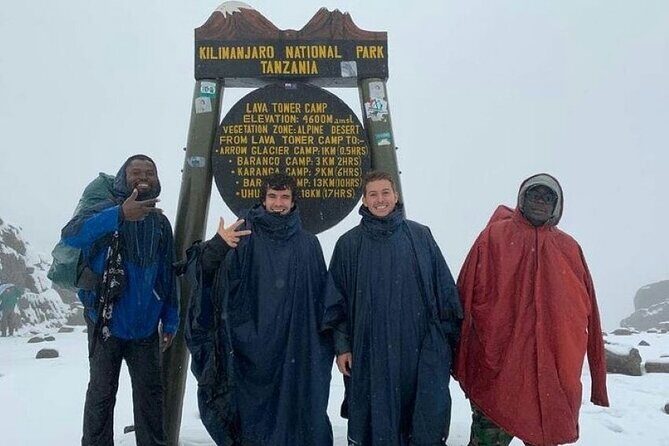
- Summit push is planned to start in the mid-night hour: you’ll reach Stella Point and then Uhuru Peak (5,895m)
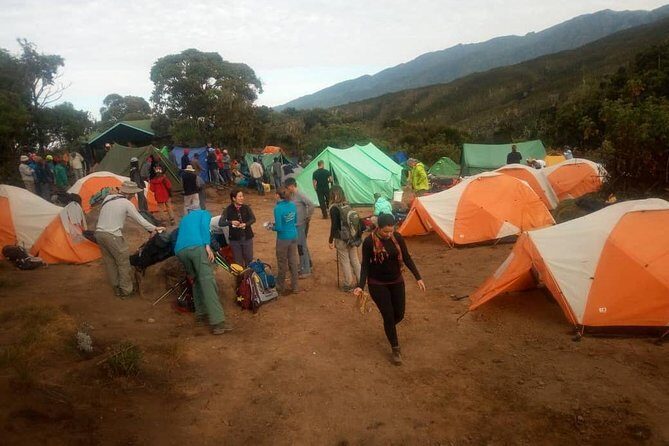
- Comfort support at camp: quality tents, mattresses, and mess tents with table and chairs make a difference when you’re cold and tired
- Safety gear included: emergency oxygen cylinder plus conservation, rescue, and camping/hut fees covered
- Guides and porters are part of the package: you’ll be supported by a full trek team, and guide names you may hear include Victor, Edwin, and Joseph
Why the Lemosho route works well for an 8-day summit plan
The Lemosho Route is popular for a simple reason: it gives you time. On this 8-day plan, you don’t just rush uphill. You move through the rainforest, then higher moorlands, then drier alpine terrain, which helps your body learn the altitude before the big summit push.
You’ll also get a lot of variety for your effort. The early days change vegetation zones noticeably, so you’re not staring at the same view every hour. That keeps the trek interesting when your legs start negotiating with gravity.
You can also read our reviews of more tours and experiences in Moshi.
Moshi start point: pickup, transfers, and the calm setup before you climb
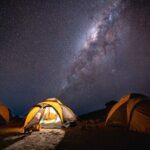
This tour is based out of Moshi, Tanzania, and pickup is offered. The trip includes airport pickup and drop-off, plus transfers to the mountain and back to your Moshi hotel.
That matters because Kilimanjaro climbs run on tight timing. If you’ve ever tried to coordinate taxis, gear, and early meeting times, you know how fast a trip can turn stressful. Having transfers handled helps you focus on sleep, food, and getting ready for the days of hiking ahead.
Day 1: Lemosho Gate rainforest to Mti Mkubwa Camp (easy start, real elevation lesson)
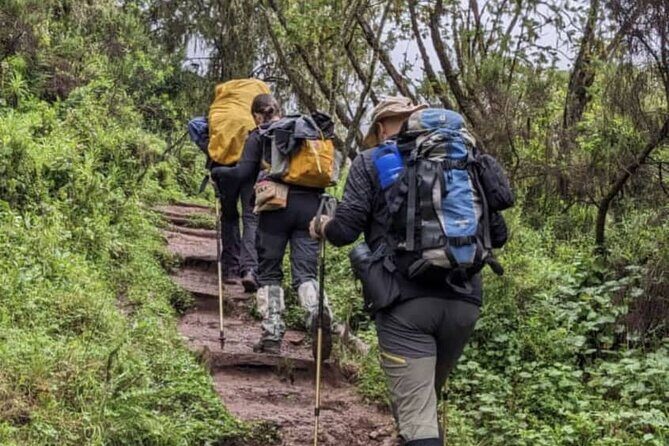
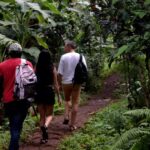
Day 1 begins at Lemosho Gate with your guides and porters. You’ll hike through rainforest to Mti Mkubwa Camp for your first night.
This is your acclimatization day in practice. Even if the walking feels manageable, you’re gaining altitude and letting your body adjust. It’s a good time to keep your effort controlled—short steps, steady breathing, and don’t chase speed.
Day 2: Shira Ridge to Shira I Camp (vegetation shifts, views start showing)
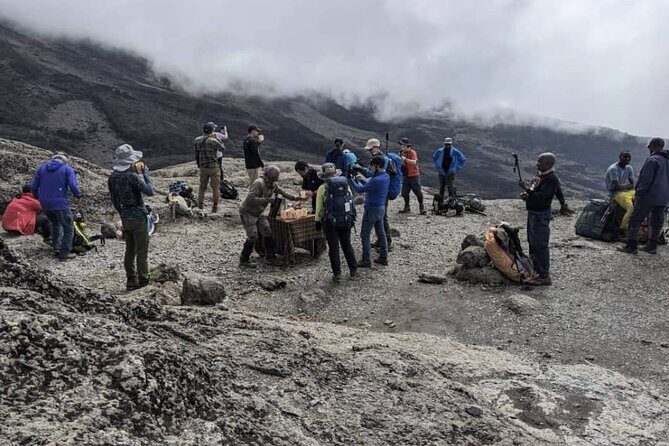
On Day 2, you continue uphill to Shira I Camp. Expect a noticeable change in plant life as you transition from rainforest into higher zones like heath and moorland.
You’ll cross Shira Ridge and hike toward the Shira Plateau, with views that start feeling more open and dramatic. Plan for steady effort here too; a big mistake on Kilimanjaro is feeling great early and then paying for it later.
Day 3: Lent Hills climb to Shira II Camp (rugged terrain, stronger air)
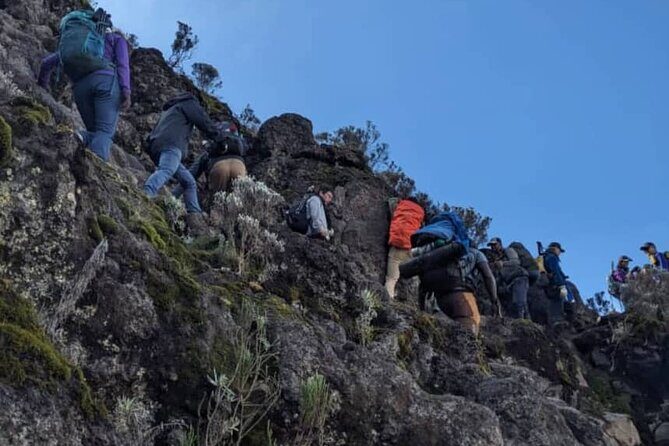
Day 3 takes you deeper into moorlands and toward the Lent Hills, where the trail becomes steeper and the scenery looks more rugged and barren. You’ll be rewarded with panoramic views over the Shira Plateau as you work your way to Shira II Camp.
This day is where you start feeling how the mountain changes. The air can feel thinner, the ground can feel harsher, and your pace tends to slow naturally. If you can keep your breathing calm and your steps smooth, you’ll arrive in better shape for the next shift in terrain.
Day 4: Alpine desert to Barranco Camp (surreal rocks and a key staging camp)
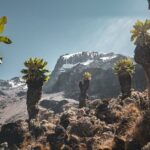
Day 4 moves you into the alpine desert, a stark zone with little vegetation. You’ll pass striking rock formations and get views toward the Western Breach and Lava Tower.
After about 7 to 9 hours of trekking, you reach Barranco Camp. The key thing here is what comes next: you’re not just resting. You’re setting up your legs and mindset for the Barranco Wall scramble the following day.
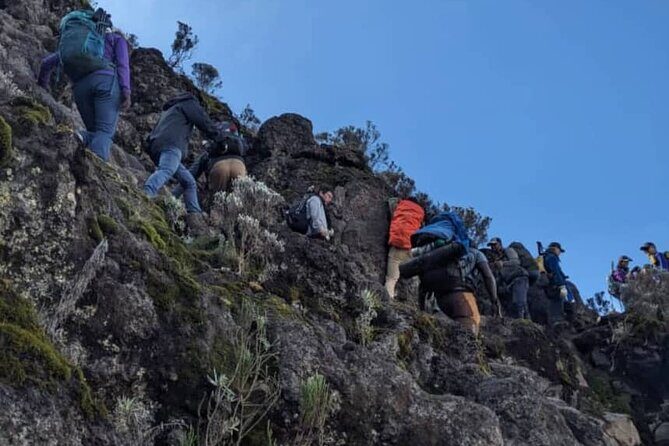
Day 5: Barranco Wall to Karanga Camp (steep fun, then recovery)
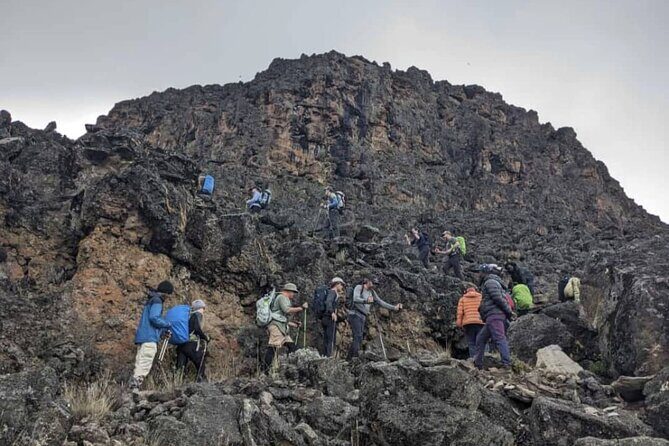
This is the day of the Barranco Wall. You’ll scramble up a steep section, and the payoff is big: wide views and a sense of momentum because you’re clearly climbing toward higher camps.
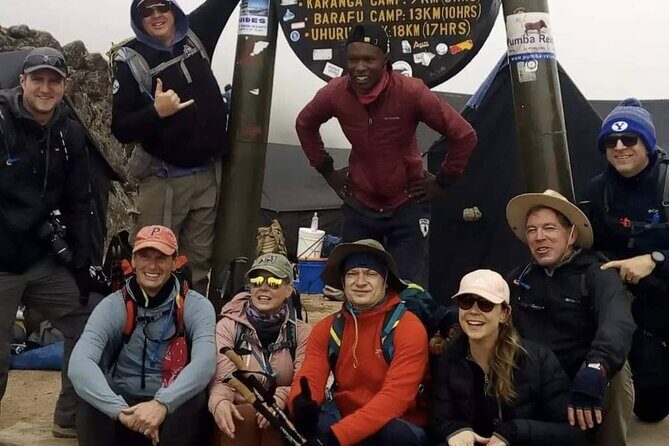
After the technical part, your trek continues through valleys and ridges to Karanga Camp. It’s not just about getting to camp—it’s about arriving ready to handle the steeper, colder push that’s coming soon.
Day 6: Barafu Camp approach (steeper alpine trekking, final prep)
Day 6 pushes you closer to the summit with an ascent to Barafu Camp, described here as the base for the final climb to Uhuru Peak. The trail gets steeper as you move through alpine desert terrain.
You’ll reach Barafu after about 3 to 5 hours, then rest and prepare for summit night. This is where you’ll want to be extra practical: eat what you can, stay warm, and focus on sleep. On summit night, small mistakes can snowball fast.
Day 7: Summit night from Barafu to Stella Point and Uhuru Peak, then down to Mweka
Day 7 starts in the mid-night hour, and it’s the day most people remember forever. You’ll climb toward Stella Point and then reach Uhuru Peak, the highest point in Africa at 5,895m.
After celebrating your summit, you descend to Mweka Camp for the night. The altitude euphoria can make you feel invincible for a moment, but your body still needs careful movement during the descent. Take it seriously: trekking poles help, and slow foot placement matters.
Day 8: Mweka Gate descent through rainforest, certificate in hand
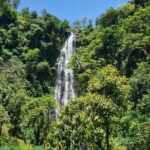
Your final day is the descent from Mweka Camp down to Mweka Gate, hiking through lush rainforest as the vegetation zones shift back downward. It’s about reflection as much as it is about walking out.
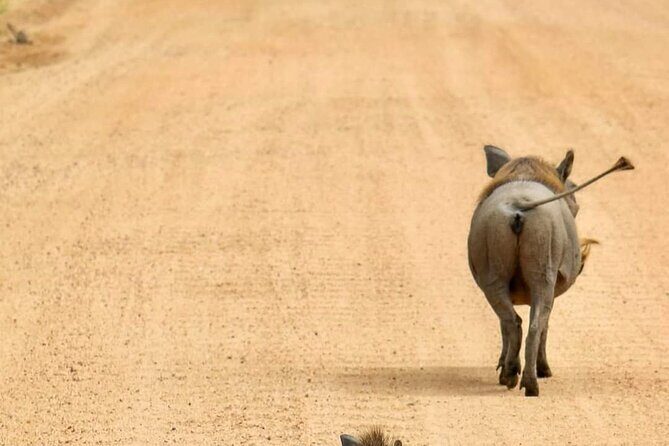
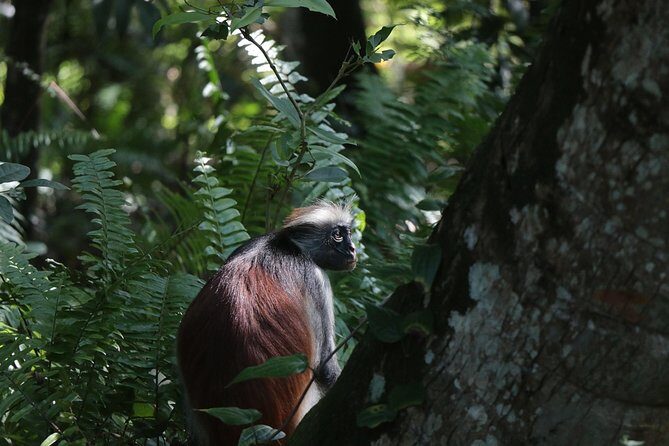
On the way, you may spot wildlife depending on conditions. When you reach the gate, you get a Kilimanjaro summit certificate and you’re bid farewell at the end of your climb.
What’s included: where this $2,600 tends to pay off
This package covers a lot of the stuff that often causes surprise costs on mountain trips.
You’re getting:
- Professional guides and porters, plus a cook (with salaries included)
- Tents: quality, waterproof, four-season tents on a twin sharing basis, plus sleeping mattresses
- Food setup: mess tents with table and chairs
- Clean purified drinking water
- Emergency oxygen cylinder
- Park fees and related costs: conservation fees, camping/hut fees, rescue fees (all noted as part of park fees)
- VAT (18%) charged by the Government
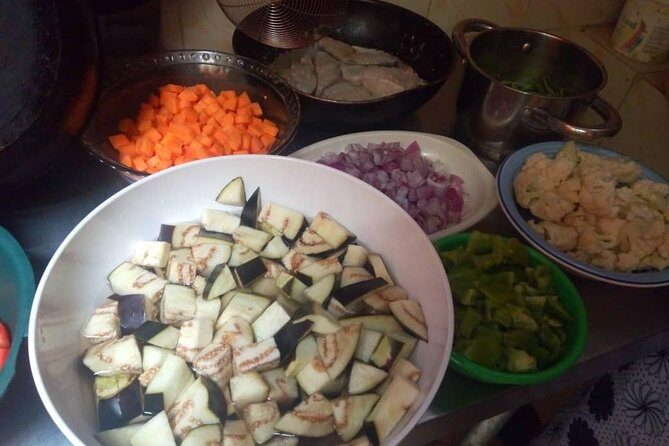
- Hotels in the mix, plus breakfast/dinner and lunches (8 lunches, 7 breakfasts, 7 dinners listed)
The practical value here is that you’re not piecing together dozens of mountain logistics. You’re spending more time hiking, sleeping, and eating—not managing gear problems or chasing unclear costs at the last second.
Price and logistics: what the cost includes, and what you still own
At $2,600 per person, this isn’t a bargain deal. But it’s easier to judge value because many major pieces are included: porters, guides, tents, mattresses, purified water, park and rescue fees, and emergency oxygen.
What you’ll still need to handle:
- Tanzania visa
- International and domestic flights
- Personal trekking items like sleeping bags, boots, and clothes (available for rent)
- Tips and gratuities
- Personal travel insurance
- Personal expenses like laundry, phone use, and beverages (including alcoholic drinks)
If you’re the kind of traveler who prefers one clear package—gear, food, fees, and staff handled—this setup fits well. If you already own all the right mountain gear and want to manage everything yourself, you might find cheaper options, but you’d likely trade off convenience and bundled safety support.
Safety and altitude reality: plan for the mountain, not for luck
Even with a good route, Kilimanjaro is still an altitude challenge. This tour builds in acclimatization time by spacing the days across camps before summit night. That’s a big deal because it reduces the odds that you’ll feel crushed by altitude too early.
Safety support is also part of the package. The trek includes an emergency oxygen cylinder, and rescue fees are covered as part of park fees. Still, no operator can eliminate altitude risk entirely, so take the “moderate physical fitness” note seriously and don’t treat summit night as a test of toughness.
A good guide team helps, and the names Victor and Edwin show up in examples of guides associated with this kind of trek support. I also saw Joseph mentioned as someone who made the whole experience feel supportive and steady. That’s the difference between surviving a trek and enjoying it while you do.
Who this tour is for (and who should reconsider)
This climb suits you if you:
- Want the structure of an 8-day Lemosho approach with time to adjust to altitude
- Like having staff handle tents, water, and mountain meal logistics
- Prefer a private trip where your group’s needs can be handled without mixing with strangers
It may not be ideal if:
- You’re very budget-focused and can’t add extra costs like visa, flights, gear, and tips
- You don’t have the physical foundation for steep days and the midnight summit push
If it’s your first Kilimanjaro attempt, the step-by-step progression from rainforest to higher zones can feel like a guided lesson in how the mountain works.
Should you book this 8-day Lemosho Kilimanjaro tour?
I’d book it if you want a route that gives you time to acclimatize, and you value having the core mountain needs covered: tents, meals, guides/porters, purified water, park fees, and emergency oxygen. For most people, that turns Kilimanjaro from a gear-stress trip into a focused climb.
I would pause before booking if $2,600 still doesn’t leave room in your budget for visa, flights, insurance, and personal gear. Also, be honest about your fitness. When you’re climbing through alpine terrain and starting the summit push in the middle of the night, comfort on paper doesn’t replace training.
FAQ
How long is the Lemosho route Kilimanjaro climb?
The trek is listed as 8 days (approx.).
Where does the trek start and where does it end?
It starts at Lemosho Gate and ends with the hike to Mweka Gate, where you receive your summit certificate.
Do you include pickup in Moshi?
Yes. The tour includes airport pickup and drop-off, plus transfers between Moshi hotels and the mountain.
What is included in the tour price?
Included items cover guides and porters, cook and salaries, tents and mattresses (twin sharing), mess tents, purified drinking water, emergency oxygen cylinder, park/conservation/rescue fees, VAT, and meals plus hotels.
Is emergency oxygen provided?
Yes. An emergency oxygen cylinder is included.
What is not included?
Not included are the Tanzania visa, international and domestic flights, personal trekking equipment (sleeping bags, boots, clothes, etc.), tips and gratuities, personal travel insurance, and personal expenses such as drinks or laundry.
Is this tour private?
Yes. It’s a private activity, meaning only your group participates.
Is free cancellation available?
Yes. Free cancellation is available if you cancel up to 24 hours in advance for a full refund.