REVIEW · ARUSHA
Serval wildlife ,Materuni waterfall and coffee tour
Book on Viator →Operated by Dancing Simba Safaris · Bookable on Viator
Servals on foot beats the usual safari routine. In Arusha, this two-day outing mixes an on-foot walk with a local guide at a serval sanctuary and then points you toward the Kilimanjaro slopes for birds, chameleons, and waterfall country. I like how the day is built around learning, not just watching.
My favorite part is the combo of Materuni waterfall time plus a guided coffee tour. You get the mountain-to-water moment, and you also get a natural place to cool off with a swim in a pool area.
One consideration: Day 1 starts with big altitude energy. You’ll be waking at about 2,500 meters, and the day includes walking plus water time, so it helps to pack smart and move at a steady pace.
In This Review
- Key things I’d prioritize before you go
- Serval Wildlife Sanctuary on Foot: Close Encounters Without the Big Safari Bus
- Kilimanjaro Slopes Transfer: Why the Journey Feels Like Part of the Activity
- Materuni Waterfall: The Moment You’ll Remember (And Why the Swim Matters)
- Coffee Tour in the Kilimanjaro Region: More Than a Souvenir Stop
- Drinks, Lunch, and the Real Meaning of the $300 Price
- Private Group Comfort: A Big Deal for Families and Photo Lovers
- Weather and Timing: What Can Change Your Day
- Who This Tour Is Best For (And Who Might Want to Rethink It)
- Should You Book This Serval + Materuni + Coffee Two-Day Combo?
- FAQ
- What does the tour cost?
- How long is the experience?
- Where are pickups offered?
- Is this a private tour?
- What’s included in the price?
- Is admission included for the serval wildlife stop?
- Do I need to bring money for tips?
- What weather does the tour require?
- What’s the cancellation policy?
Key things I’d prioritize before you go
- On-foot wildlife time with a local guide in a serval-focused sanctuary
- Materuni waterfall + a swim at a natural pool area (water time is part of the appeal)
- Coffee tour in the Kilimanjaro region, with plants like banana and coffee trees in the mix
- Kilimanjaro-slope nature spotting such as birds and chameleons during the transfer
- Value adds in the price, including lunch plus drinks like beer and wine
Serval Wildlife Sanctuary on Foot: Close Encounters Without the Big Safari Bus
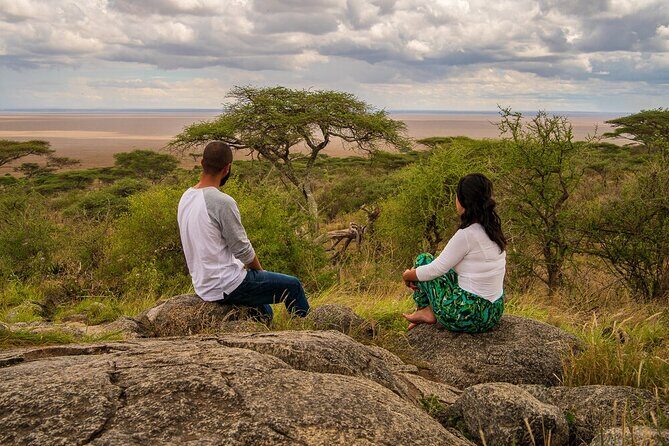
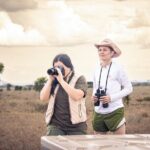
This is the sort of wildlife experience I wish more tours would copy. Instead of sitting at a distance behind glass or a steering wheel, you walk in with a local guide. That changes everything. You notice sounds first, then tracks, then movement—small clues you would miss from a vehicle.
In the serval sanctuary, you’re not just there to take photos. The experience includes educational tours focused on local flora and fauna and the conservation work protecting animals in the Kilimanjaro region. For me, that’s what turns an animal sighting into an actual story. You learn why the sanctuary is built the way it is, and you get a better sense of how the ecosystem functions around it.
I also like that the sanctuary experience includes practical nature activities like guided walks and bird watching. If you enjoy slow travel—quiet, patient time with a guide—it fits your rhythm. And if you’re traveling with kids, it’s easier to keep everyone engaged when the guide is constantly pointing out what you can actually see and notice right now.
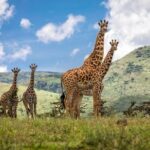
What about variety of animals? The tour is centered on servals, but the sanctuary setting can include other animals too. In particular, some people highlight seeing animals like giraffe and zebras at close range during their visit. You should still set your expectations around servals, but it’s a good sign if you’re hoping for more than one type of wildlife moment.
A few more Arusha tours and experiences worth a look
Kilimanjaro Slopes Transfer: Why the Journey Feels Like Part of the Activity
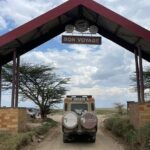
The driving and walking aren’t treated like dead time here. You start by being picked up from either Moshi or Arusha, then you transfer into the Kilimanjaro region for your wildlife time. After the sanctuary, the plan continues toward Materuni, and that transfer comes with a nature focus.
You’ll be dealing with altitude right away. The tour notes that you’ll wake at about 2,500 meters above sea level, and you’ll travel with a local safari guide who helps you explore the slopes of Mount Kilimanjaro. This is where the smaller details matter: the guide points out birds, chameleons, and the plants growing there, including coffee and banana trees.
If you’ve never done a Kilimanjaro-region route on foot and with a guide, it helps to know what you’re aiming to see. Birds can be quick—so having a guide who scans constantly is a big deal. Chameleons are even more about patience and timing. The value of this kind of guided transfer is that you’re not guessing where to look.
Practical tip: at altitude, you can feel colder earlier than you expect, even in Tanzania. Bring layers you can adjust on the move. Also, keep water with you—your body needs it both for walking and for the long day rhythm.
Materuni Waterfall: The Moment You’ll Remember (And Why the Swim Matters)
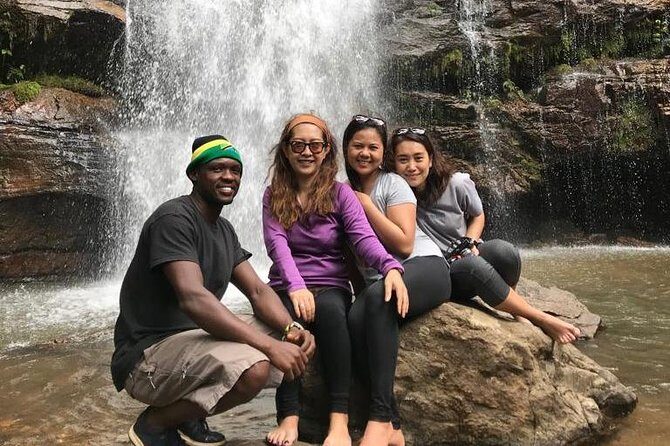
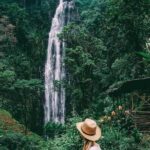
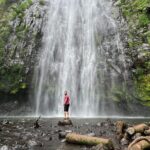
Materuni waterfall is the emotional payoff of this tour. After the sanctuary and Kilimanjaro-slope nature time, you reach the waterfall area and get a chance to enjoy it in a way that’s more active than just standing at the viewpoint.
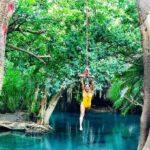
The plan includes time at the falls, and the experience specifically mentions swimming to a natural pool area. That’s a key part of the appeal because the waterfall isn’t just for looking—it’s for cooling off and resetting. Some descriptions also point to a hot-spring-style swim stop, so you might find the water time feels both refreshing and relaxing, depending on how conditions are that day.
There’s also a note about finishing with a small inside stop. The wording is vague, so I wouldn’t assume anything fancy. But it does suggest there’s a structured end to the waterfall segment, so you’re not left to wander around without a plan.
A balanced expectation check: water time can be slippery and can take energy. If you’re not confident in wet footing, you can still enjoy the waterfall without pushing it. The best approach is to follow your guide’s cues, test steps slowly, and prioritize safety over hero moments.
Coffee Tour in the Kilimanjaro Region: More Than a Souvenir Stop
This tour doesn’t toss in coffee as an afterthought. The coffee tour is part of the core experience, and it fits naturally after the Kilimanjaro-slope plant spotting.
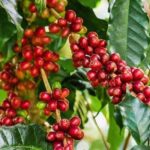
Coffee growing in this region isn’t just a background detail; it’s part of how you understand the landscape and the local livelihood. Since the route includes time with coffee trees (and banana trees as well), the coffee experience doesn’t feel like it’s unrelated to what you already saw outside your vehicle window.
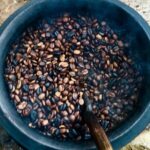
What I like about guided coffee tours is the structure. You don’t just get a tasting; you typically get a walkthrough of how coffee connects to the local environment and how it’s handled from plant to cup. Even if you’ve done coffee before elsewhere, doing it here adds meaning because the tour ties into the Kilimanjaro-region ecology you’re already experiencing—birds, chameleons, and the higher-altitude vegetation.
If you’re a coffee person, you’ll probably enjoy the chance to compare your tastes and preferences after seeing where the beans are grown. If you’re not a coffee person, it still works as a cultural and natural stop, especially because it’s framed with a guide and placed after nature walking rather than being a random drive-by.
Drinks, Lunch, and the Real Meaning of the $300 Price
At $300 per person for about two days, you should look closely at what you’re actually paying for. This price isn’t just access to wildlife and a waterfall. It includes multiple guided components—wildlife sanctuary walking, Kilimanjaro-slope nature spotting, and coffee and waterfall time—and it also includes food and drinks.
Included items:
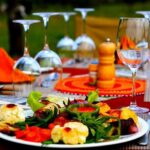
- Lunch
- Drink water
- Beer and wine
Not included:
- Tips for the safari guide
That “beer and wine” detail might sound small, but it’s part of the value. It can help turn a long two-day day into something that feels like a proper outing instead of a shoestring trek. Also, having lunch included usually matters more than people think. If you’re at altitude and spending the day walking and swimming, being hungry can drain your energy faster than you expect.
Where the price can vary for your own budget: you’ll want to set aside money for tips since they’re explicitly not included. A tip doesn’t have to be huge, but skipping it entirely can leave a bad taste with someone who guided you through animals and water time.
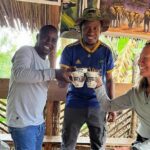
One more value note: the tour includes pickup from Moshi or Arusha, plus a mobile ticket. Those two things reduce friction—less time negotiating rides and fewer surprises when you arrive.
A few more Arusha tours and experiences worth a look
Private Group Comfort: A Big Deal for Families and Photo Lovers
This is a private tour/activity with only your group participating. That matters if you’re traveling with family or you want control over pace. With a private setup, the guide can slow down when someone spots something interesting—like a bird’s movement or a chameleon hiding in plain sight.
Family-friendly highlights show up in the way people describe their day. One family celebrated a birthday and still managed to enjoy close encounters with animals and lots of photos. Another trip with a parent and child described the experience as a once-in-a-lifetime moment. While every group is different, the common thread is that the guide-led pace makes wildlife time feel personal.
If you’re bringing kids: the combination works because you’re not only dealing with animals. You also get the waterfall, swim time in the natural pool area, and the coffee tour. That mix helps keep attention from drifting, especially during longer transfer segments.
Weather and Timing: What Can Change Your Day
This experience requires good weather. That’s not just a legal line—it’s practical. Waterfalls and swim areas are heavily influenced by conditions, and if the day is unsafe or the water is too rough, your plans may shift.
Good news: if it’s canceled due to poor weather, you’ll be offered a different date or a full refund. Also, changes are possible only up to a certain window before the start time, so if you’re juggling a tight Kilimanjaro schedule, keep an eye on timing once you book.
Who This Tour Is Best For (And Who Might Want to Rethink It)
This tour makes sense if you want a wildlife experience that feels more human-sized than big-vehicle safari tourism. You’ll enjoy it if you like walking, listening, and having a guide interpret what you’re seeing—servals on foot, bird watching, and then the nature-to-culture jump toward Materuni.
It’s also a strong match for people who want both animals and water in the same trip window. The waterfall swim component is a big part of why this itinerary clicks.
Who might want to rethink it? If you strongly prefer not to walk, or if swim time would stress you out, you’ll need to manage expectations and communicate that early. The experience does include water time, and it’s better when you plan for it rather than trying to muscle through.
Should You Book This Serval + Materuni + Coffee Two-Day Combo?
I think this is a great pick if you want variety without feeling rushed: serval wildlife on foot, Kilimanjaro-slope nature spotting, and then Materuni waterfall with a natural pool swim plus a coffee tour that connects the dots.
Book it if:
- You want guided animal walking and education, not just a vehicle ride
- You care about a waterfall experience that includes time in the water
- You like the idea of combining nature, culture, and food with drinks included
Skip or consider alternatives if:
- You’re uncomfortable with altitude and long walking days
- Swimming sounds like a hassle more than a highlight
- Your schedule is so tight that a weather-related date shift would be stressful
If you’re looking for a practical, hands-on day in northern Tanzania—Arusha base, Kilimanjaro-region nature, and Materuni’s water payoff—this tour fits the bill.
FAQ
What does the tour cost?
The price is $300.00 per person.
How long is the experience?
It runs for 2 days (approx.).
Where are pickups offered?
Pickup is offered from Moshi or Arusha.
Is this a private tour?
Yes. It is a private tour/activity, and only your group participates.
What’s included in the price?
It includes lunch, drink water, and beer and wine.
Is admission included for the serval wildlife stop?
The serval wildlife time is shown as Admission Ticket Free.
Do I need to bring money for tips?
Tips for the safari guide are not included.
What weather does the tour require?
The experience requires good weather.
What’s the cancellation policy?
Free cancellation is offered. You can cancel up to 24 hours in advance for a full refund.