REVIEW · ARUSHA
4-Day Safari to Tarangire ,Serengeti and Ngorongoro crater from Arusha
Book on Viator →Operated by Telly Africa Safaris · Bookable on Viator
Sunrise over Ngorongoro feels unreal. This 4-day circuit is interesting because it stacks Serengeti predator country with elephant-rich Tarangire, then ends with a crater morning when animals tend to be up and moving. I especially like the way the plan targets the big wildlife moments: Serengeti for the massive wildebeest scene and Ngorongoro for the classic crater concentration of wildlife, including black rhino.
I also like the people behind it. Guides named Omar, Maliaki, Innocent, Aaron, Simon, Assad, José, David Simba, and Joseph show up in the experience records, and they’re repeatedly credited for working hard to find the headline animals—sometimes even the rhino.
The main drawback is simple: early wake-ups plus long stretches in the open safari vehicle. You’ll do sunrise game drives and full park days, and at least one overnight is at park campsite style, so this is for you if you want the real rhythm of safari, not a slow, cushy vacation schedule.
In This Review
- Key Highlights You’ll Actually Feel
- Sunrise Safari Circuit: Tarangire, Serengeti, and Ngorongoro
- Why This 4-Day Route Works for Big Cats and Big Elephants
- Day 1 in Tarangire: Elephant Herds and River Swamps
- Day 2–3 in Serengeti: Wildebeest Season and Predator Chances
- Day 2: From Ngorongoro Rim Views to Endless Plains
- Day 3: Sunrise Drive Plus Afternoon Game Time
- Simba Campsite Night in Ngorongoro: Why It Matters
- Day 4 in Ngorongoro Crater: Black Rhino, Flamingos, and Morning Light
- Price and What You’re Really Getting at $1,515
- Comfort Level: Campsites, Meals, and Open-Roof Viewing
- Guide Names You’ll Want to Look For (and Why It’s Not Random)
- Choosing Your Season: Wildebeest Calves From January to April
- Who This Safari Fits Best
- Should You Book This Tour?
- FAQ
- What time does the safari start from Arusha?
- Is pickup and drop-off included?
- What’s included in the safari price?
- What is not included?
- Does the tour visit Tarangire, Serengeti, and Ngorongoro?
- Can I cancel for a full refund?
Key Highlights You’ll Actually Feel
- Two nights in Serengeti gives you time to catch both daytime action and early-morning movement
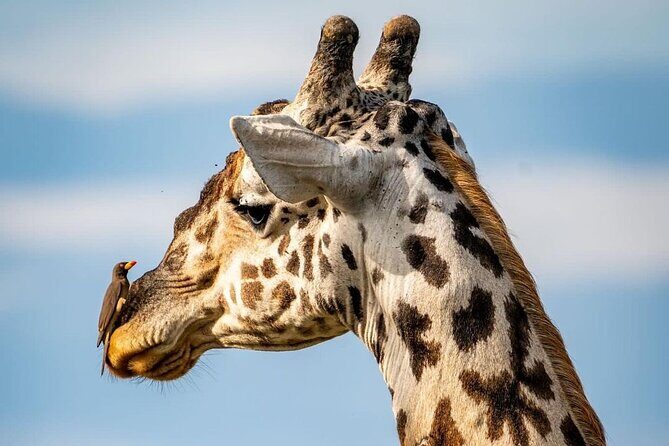
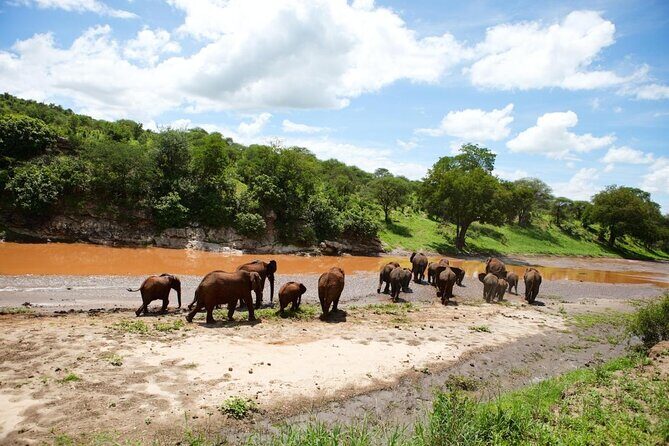
- Tarangire’s elephant herds are the star, with river habitats that also draw giraffe, zebra, buffalo, and more
- Sunrise drives are built into both the Serengeti day and the Ngorongoro day for better animal activity
- Ngorongoro’s crater variety includes swamps, forest, open plains, and a soda lake that can bring flamingos into view
- Guides who chase results show up across the experience records, including first sightings of black rhino
Sunrise Safari Circuit: Tarangire, Serengeti, and Ngorongoro
If you want one trip that hits Tanzania’s wildlife greatest hits, this is a clean, practical way to do it. You start around Arusha, move through Tarangire and Serengeti, and finish inside the Ngorongoro Conservation Area with a crater-focused morning.
The reason the route works so well is timing. Wildlife viewing is not just about where you go—it’s about when you go. This plan builds in early drives and gives you more than one day in Serengeti, which matters because animal sightings can shift hour to hour.
Also, this is set up as a private experience. That means your group stays together, and you’re not squeezed into a mixed “herding sheep” schedule with strangers. That flexibility can make a difference when a guide decides to linger for one more pass at a likely spot.
A few more Arusha tours and experiences worth a look
Why This 4-Day Route Works for Big Cats and Big Elephants
On a short safari, you’re always balancing two things: distance and time. Tarangire, Serengeti, and Ngorongoro are far enough apart that you can’t spend forever in any one place—but this itinerary avoids the worst mistake, which is trying to cram too many parks in with too little time.
Here’s the logic behind the selection:
- Tarangire is your elephant and river habitat stop. It’s famous for large elephant herds, and it’s also a good place for other savanna animals.
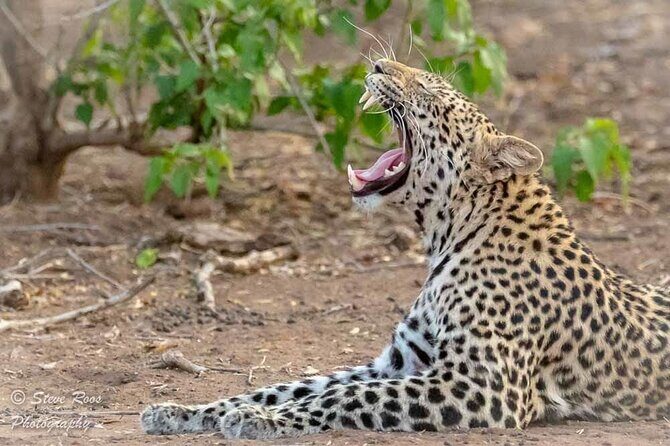
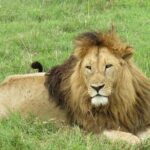
- Serengeti is the predator-and-migration powerhouse. The itinerary gives you two nights there, which increases your chances of getting a good mix of big cats, hyenas, and their prey.
- Ngorongoro Crater is a “high density” finish. You’re doing an early morning crater safari, which is when the setting feels most alive—especially with sunrise light across the crater floor.
One more practical point: the tour includes professional guiding, camping equipment, drinking water on all days, and meals as listed. That reduces the number of decisions you have to make on the ground.
Day 1 in Tarangire: Elephant Herds and River Swamps
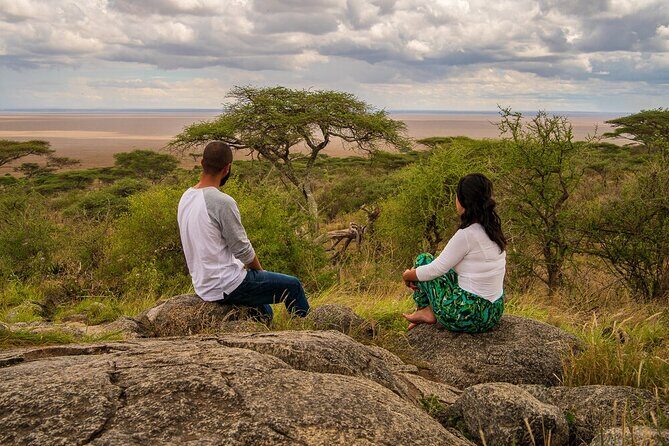
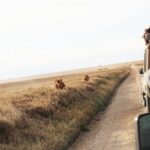
Day 1 starts with breakfast, then you’re picked up and driven to Tarangire. This park is built for sightings: open-roof vehicle viewing, seasonal swamps, savanna stretches, and the Tarangire River. That river system matters because it concentrates animals and makes wildlife easier to find.
The wildlife focus here is clear. You’re likely to look for:
- elephants (especially big herds),
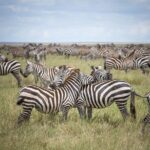
- zebra and wildebeest,
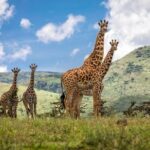
- buffalo and giraffe,
- plus the thrilling extras like lions stalking or leopards resting in trees.
Even if you don’t get a dramatic kill scene, Tarangire can still feel like a highlight because elephants change how the park looks. A herd crossing in front of you is not subtle.
After a full day in the park, the plan moves to Fig Tree Lodge for dinner and overnight. That matters for pacing. You’ll want a real place to eat and reset because tomorrow is Serengeti time.
Practical tip: bring patience for the long stretches of looking. In parks like Tarangire, you’ll often go from “nothing for a while” to “there they are” fast. A good guide’s eye and positioning can make that waiting feel worthwhile.
Day 2–3 in Serengeti: Wildebeest Season and Predator Chances
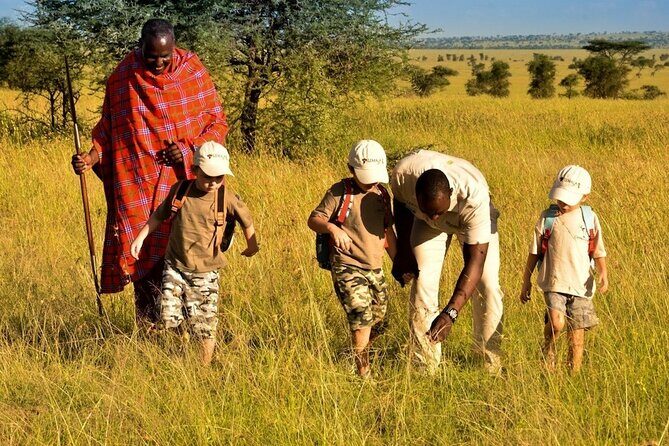
Serengeti is the main event on this trip. The schedule includes time with big sky views and also time specifically designed to help you catch animals when they’re most active.
Day 2: From Ngorongoro Rim Views to Endless Plains
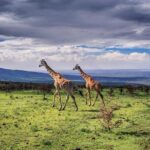
On Day 2 you drive up into highland viewpoints, with a stop at the rim for a view of Ngorongoro Crater. Then you continue on into the Serengeti “endless plain” feeling.
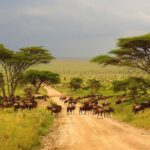
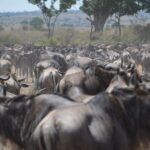
This is where season plays a starring role. The tour notes that from January to April, wildebeest births can happen, and that brings calves into the scene. At the same time, large numbers of plains zebras and Thomson’s gazelles are around, which pulls predators closer.
What you’re really watching for is the food chain in motion:
- prey animals moving through the grasslands,
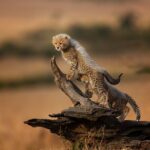
- then lions, cheetahs, and hyenas drawn in by abundance.
It’s also not just the big stuff. Smaller wildlife can pop into view too, and a solid guide will be the difference between “passing interest” and “wait, there’s something special right there.”
A few more Arusha tours and experiences worth a look
Day 3: Sunrise Drive Plus Afternoon Game Time
Day 3 is another early start. You’ll do a sunrise game drive, then return for brunch or lunch at mid-day, followed by an afternoon game drive.
That rhythm is a smart use of your limited time. Sunrise often gives you cleaner sightings and more relaxed animal movement. Late morning and afternoon can bring different behavior too, especially when animals are adjusting to heat and shade.
In the evening you drive to Simba campsite in Ngorongoro for overnight. That sets you up well for a crater morning on Day 4.
Simba Campsite Night in Ngorongoro: Why It Matters
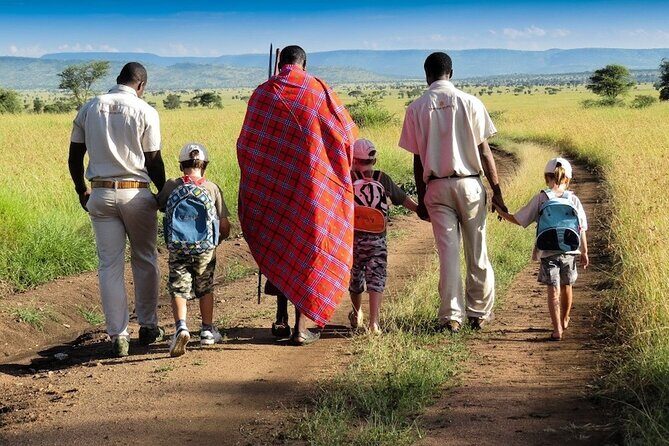
Sleeping near the crater changes the whole feel of Day 4. You’re not trying to squeeze a long drive in before sunrise light and animal activity. Instead, the plan positions you for an early morning safari and then a proper crater viewing day.
This is also where you should decide what you want from “comfort.”
The tour is built around safari-style nights inside the park area, not a city hotel lifestyle. If you like the outdoors, camp nights can add to the experience. If you expect soft sheets and room service, this part may feel too basic for your taste.
Either way, it’s part of why the safari works: proximity and timing.
Day 4 in Ngorongoro Crater: Black Rhino, Flamingos, and Morning Light
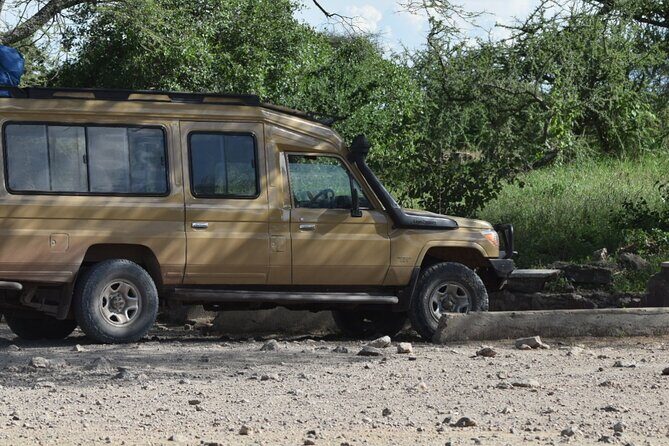
Day 4 is the money day. You wake early for an early morning safari before breakfast, with sunrise in front of you. That early light on the crater floor can look unreal. More importantly, animals tend to be active at this time.
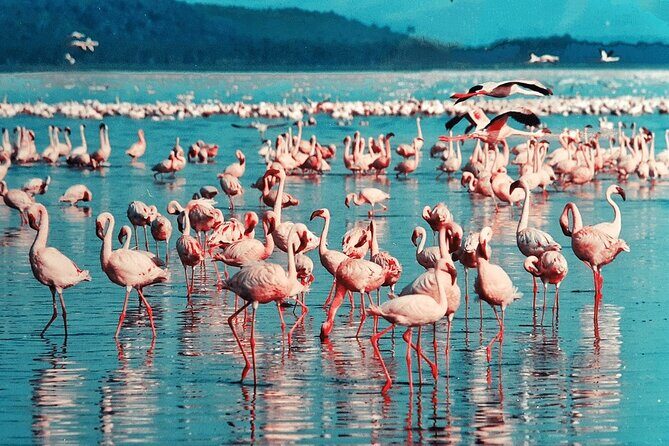
Then you head into the crater, which the plan describes as hosting nearly every wildlife species indigenous to East Africa, including the rare black rhino. The crater’s appeal is its mix of habitats in one place:
- a river,
- swamps,
- a soda lake that can look like steam from above,
- flamingos on the lake,
- forest,
- and open plains.
That’s why Ngorongoro feels like a concentration test. You’re not searching endlessly across miles of savanna. You’re moving through a relatively contained landscape with many food and water options at once.
The tour also points out bull elephants living in the crater area. If you’re the kind of person who remembers animals as much by their behavior as their looks, Ngorongoro can stick with you.
Practical photo note: sunrise drives can mean low light. Dress in layers so you don’t end up shivering while you’re trying to shoot.
Price and What You’re Really Getting at $1,515

At $1,515 per person for 4 days, you’re paying for more than “a vehicle and some game drives.” You’re paying for logistics and coverage: park time across Tarangire, Serengeti, and Ngorongoro; professional guiding; included meals and drinking water; camping equipment; and park admission fees and taxes marked as included.
Here’s how to think about value:
- You’re not self-planning. The itinerary already handles the flow between parks and the early starts.
- You’re not guessing on basics. Drinking water is included on all days, and meals are listed (breakfast four times, lunch four times, and dinners on three nights).
- You’re buying time in the right places. Two nights in Serengeti is the key value piece. One night would feel rushed. Three nights might be ideal, but four days is a realistic sweet spot.
Could the price feel high? Sure—safaris rarely feel cheap once you include conservation areas, guiding, vehicle time, and logistics. But in the safari world, this one looks built to make your money count through better scheduling rather than just adding more stops.
Comfort Level: Campsites, Meals, and Open-Roof Viewing
This is safari travel, so your comfort is “field-friendly,” not spa-level. You’ll spend your days in the open-roof vehicle, which is part of why sightings feel so immediate. You also need to handle the weather. Layers help more than fancy jackets.
On the food side, you’re covered. The tour includes:
- Breakfast (4),
- Lunch (4),
- Dinner (3),
plus drinking water throughout.
The good sign in the experience records is that people often highlight how well they were looked after. Named staff members like Mohamed and William show up in the organization side, and guides such as Aaron and Simon are praised for spotting big animals and keeping the trip running smoothly. Those are practical comfort signals, because safari comfort is often about timing and support—getting you to the right place at the right moment, then feeding you and getting you rested.
Guide Names You’ll Want to Look For (and Why It’s Not Random)
Safari success is heavily guide-driven. A good guide knows where animals are likely to be and how to position the vehicle without wasting time. The experience records give you a few names to pay attention to:
- Omar is credited for strong animal spotting and big-animal effort.
- Maliaki is praised for making the trip unforgettable and for being first to find a rhino.
- Innocent and Joseph show up as guides with standout animal-finding skills.
- Aaron and Simon are praised for helping spot big game.
- Assad is mentioned in driver support.
- José and David Simba are also noted for guiding moments that stuck.
I can’t promise which guide you’ll get, but the repeated pattern is clear: the people doing the searching matter as much as the parks themselves.
Choosing Your Season: Wildebeest Calves From January to April
If your dates line up, this tour’s seasonal note is a big deal. From January to April, wildebeest births may be happening, which means calves and increased attention from predators. When prey becomes more visible and active, predator viewing often improves.
Even if you’re not in that birth window, Serengeti still works because prey animals and predators are part of the ongoing ecosystem. But if you can travel in that window, you’re aiming for a more dramatic “wildlife movie” storyline.
Who This Safari Fits Best
This is a good fit if you want:
- a classic wildlife circuit with Tarangire elephants, Serengeti predators, and Ngorongoro crater density,
- early starts and full park days,
- a trip where the schedule is doing real work for you.
It may not fit if you want slow travel, lots of free afternoons, or a hotel-only vibe.
It can also work well for families and groups. Multiple records mention family-friendly organization and a team that helps keep the trip smooth. With kids, the key is still the early mornings, so plan for that energy shift.
Should You Book This Tour?
Yes—if you want a focused, time-efficient safari that prioritizes the wildlife “best windows” (sunrise drives and multiple days in Serengeti) rather than cramming in extra parks.
I would book it if:
- you’re excited about Tarangire elephants,
- you want Serengeti time without feeling rushed,
- Ngorongoro and sunrise crater viewing are on your must-do list,
- and you’re okay with safari-style camping nights and long days in the vehicle.
If you hate early mornings, or you want a totally hotel-based comfort level, you might prefer a different safari format.
FAQ
What time does the safari start from Arusha?
The experience start time is listed as 7:30 am.
Is pickup and drop-off included?
Yes. The tour includes free airport pick up and drop off, plus free accommodation before and after safari.
What’s included in the safari price?
Included items are all fees and taxes, a professional guide, camping equipment, drinking water on all days, and meals as specified (breakfast four times, lunch four times, and dinner three nights).
What is not included?
Tips for the safari guide and cook, international flights, domestic flight, and personal items like souvenirs and travel insurance are not included.
Does the tour visit Tarangire, Serengeti, and Ngorongoro?
Yes. It includes Tarangire National Park, Serengeti National Park, and Ngorongoro Conservation Area with an early morning game tour in the crater.
Can I cancel for a full refund?
You can cancel for a full refund up to 24 hours in advance. If you cancel within 24 hours of the start time, the amount paid is not refunded.