REVIEW · ARUSHA
5-Days Private Serengeti Wildebeest Migration Lodge Safaris
Book on Viator →Operated by MERU SLOPES TOURS AND SAFARIS · Bookable on Viator
Wildebeest crossings feel close on this route. This 5-day private safari stitches together Tarangire, Serengeti, and Ngorongoro with drives aimed at the Great Migration, and it uses an extended 4×4 with a pop-up roof for better viewing. I love how the plan gives you real time in each park (not just fast stops), and I also love the lodge rhythm: nights in Serengeti, then a classic Ngorongoro crater experience. The main drawback is the schedule—long days in the jeep and early wake-ups—so pack for comfort and sun.
You’ll start from Arusha with hotel pickup and return, plus airport transfers, so you can focus on wildlife instead of logistics. One timing note matters: July to September is when this route is set up to target northern Serengeti for Mara River crossing chances.
In This Review
- Key things that make this safari work
- Why Tarangire, Serengeti, and Ngorongoro fit together
- Arusha mornings, airport transfers, and your first “tick-tock” day
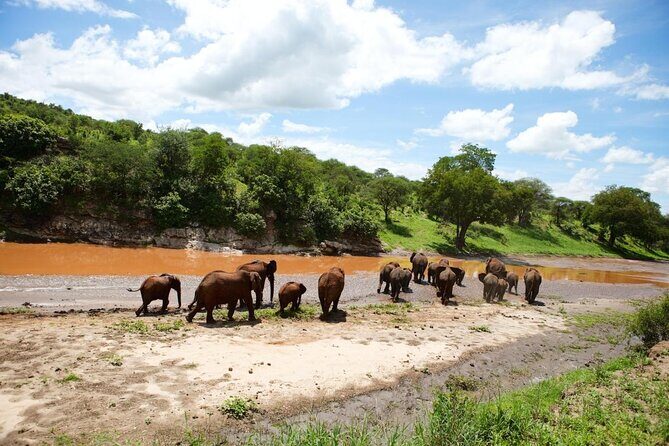
- Tarangire National Park: elephants, baobabs, and that river-water draw
- Serengeti Day 2: the en-route views and your first evening drive
- Serengeti Day 3: full-day migration hunting (and how to think about odds)
- Serengeti Day 4: sunrise, a mid-morning reset, then onward to Ngorongoro
- Ngorongoro Crater Day 5: Big Five odds, black rhino mention, and flamingos at lunch
- Guides and your pop-up-roof advantage: how to spot more, not just see more
- What $2,300 buys you (and what to budget extra)
- Who this safari is best for (and who should pause)
- Should you book this Serengeti wildebeest migration safari?
- FAQ
- How long is the safari?
- Where does the tour start?
- Does the price include park fees and meals?
- Is airport transfer included?
- What vehicle do you use for game drives?
- Which parks are visited during the 5 days?
- When is the best time to see the wildebeest migration on this route?
- What can you expect at Ngorongoro Crater?
- What’s not included in the tour price?
- Are WiFi and mobile tickets included?
Key things that make this safari work
- A private safari vehicle with pop-up roof for easier spotting from standing-eye height
- Tarangire + Serengeti + Ngorongoro so you get three different ecosystems in five days
- Migration-focused Serengeti routing (especially July–September for Mara River)
- Serengeti lodge nights mean you’re actually in the action, not commuting all day
- Ngorongoro crater floor game drive with strong odds for iconic species and lots of birds
- Meals and major costs bundled (breakfast, lunch, dinner, fees, and taxes are included)
Why Tarangire, Serengeti, and Ngorongoro fit together
This is a smart Tanzania combo if your #1 goal is the wildebeest migration and you want more than just wildebeest. Tarangire brings elephants, baobabs, and a totally different feel from Serengeti’s open plains. Then Ngorongoro gives you a dramatic bowl of wildlife—often with dense sightings in a short time.
What I like here is that the trip doesn’t treat Ngorongoro as a quick side quest. You descend early, spend meaningful time on the crater floor, and include an on-site lunch—so it doesn’t feel rushed. It’s also private, which matters because your driver-guide can position the jeep for sightings without the “everyone stop here” rhythm you get on larger shared tours.
The operator also flags the migration timing logic: the Great Migration shifts around the year, and the itinerary is built to give you the best chance during specific windows.
You can also read our reviews of more private tours in Arusha
Arusha mornings, airport transfers, and your first “tick-tock” day
You’ll be picked up in Arusha, and the safari starts with an early schedule (the listed start time is 7:00 am). That’s not for drama—it’s because in savanna wildlife country, the day’s best action often happens early. Translation for you: bring water, sunscreen, and something warm for mornings, even if the sun later gets bold.
This tour includes transfers between the international airport and Arusha, and it also includes two nights in Arusha town—the night before and after the safari. That’s a comfort upgrade. It reduces the odds of your itinerary turning into a travel-day scramble, and it helps you arrive rested enough to enjoy your first full park day.
Also included: WiFi on board. It won’t replace a data plan, but it’s handy for quick messages and sending that “we’re here” update.
Tarangire National Park: elephants, baobabs, and that river-water draw
Day 1 is a full day in Tarangire National Park, after a drive from Arusha (the info provided says about 115 km). Tarangire is named for the river that attracts animals, and that “water magnet” concept is one of the reasons the park is so reliable for sightings.
Here’s what you can reasonably expect based on the tour’s focus:
- Elephants are a major highlight
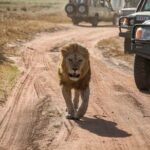
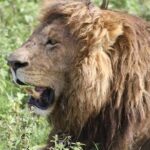
- You may see lions, leopards, and other animals
- You’ll spot classic Tarangire scenery like baobab trees, plus interesting wildlife behaviors (the notes mention climbing trees and pythons)
Game drives can be slower or faster depending on where the animals are that day. Your advantage on a private safari is that your driver can adjust without waiting for a whole lineup.
At the end of the day, you drive to Marera View Lodge for dinner and overnight. That lodge stop matters because it breaks the travel day cleanly—no chaotic check-ins after long hours on the road.
Serengeti Day 2: the en-route views and your first evening drive
Day 2 is about getting to Serengeti the right way: an en-route game drive plus a late-afternoon/evening plan. You leave after waking up, enjoy breakfast, load your luggage, and then do game viewing while heading toward Serengeti, with lunch served inside the jeep. The itinerary notes you can enjoy views like the Rift Valley, and you’ll also pass viewpoints related to Ngorongoro.
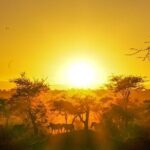
You reach Serengeti around 3:00 pm, then you do an evening game drive in central Serengeti for sunset. In practice, sunsets are when animals often feel more active—plus the light makes for better sighting conditions (and better photos, if that’s your thing).
Overnight is at Serengeti Heritage Tented Lodge inside Serengeti. That’s a key value point. Staying inside the park reduces time lost driving and helps you squeeze more wildlife hours out of each day.
The migration angle on this day is “part of it,” not “guaranteed crossing.” Your driver-guide is aiming to put you where migration activity is most plausible at that time.
Serengeti Day 3: full-day migration hunting (and how to think about odds)
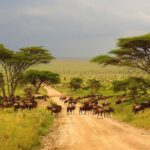
Day 3 is a full day in Serengeti with early starts and a focus on the Great Migration. This is where your tour’s timing strategy becomes real. The info you provided explains that the best chance for migration viewing is often June to September, and the itinerary specifically notes that for July to September, the route may take you to northern Serengeti for Mara River crossing chances.
That’s useful for you because it turns a vague goal (see wildebeest migration) into a more concrete plan (get to the crossing zone during the months when the movement is more likely to hit there). Of course, wildlife never follows a calendar, but having a seasonal route plan improves your odds.
You’ll be on the move with your driver for key areas in Serengeti, aiming to spot the migration mix—wildebeest moving with zebra, plus smaller numbers of other grazing animals mentioned in the tour notes (like Grant’s and Thomson’s gazelle, eland, and impala).
If you want to get the most out of a full day drive, I recommend you treat it like a long film with frequent pauses: sit forward, scan patiently, and trust your guide’s pattern spotting. That calm focus often beats frantic “spotting by luck.”
Return for dinner and overnight at the same Serengeti Heritage Tented Lodge.
Serengeti Day 4: sunrise, a mid-morning reset, then onward to Ngorongoro
Day 4 begins early—wake-up time listed around 5:45 am—for sunrise viewing in Serengeti. Then you do an early morning game drive up to about 11:30 am, followed by lunch and packing. This is one of those days where you still get a lot of wildlife time, but you also get momentum for Ngorongoro.
After your hot lunch, you proceed with game drives while heading toward Ngorongoro and overnight at Ngorongoro Wildlife Lodge for dinner.
One practical thing: mornings tend to be cooler, afternoons warmer, and this day includes both. Bring layers and a hat. If you’re sensitive to heat, plan to hydrate early—don’t wait until you’re thirsty.
This stop is also your shift from plains-style Serengeti wildlife toward crater-style density. The style of game viewing changes fast once you descend later.
Ngorongoro Crater Day 5: Big Five odds, black rhino mention, and flamingos at lunch
Ngorongoro crater day starts early again (breakfast around 5:30 am), and then you descend to the crater floor. The tour notes specifically say you can see the Big Five, and they mention black rhino inside the crater. They also highlight birds and a high concentration of flamingos—plus lunch inside the crater while watching wildlife and nature.
Game drive time on the crater floor is listed as 6 to 7 hours, which is plenty. You’re not just dropping in; you’re spending enough time to adjust when sightings appear in different pockets of the crater.
After the crater drive, you ascend, then the plan includes driving back toward Arusha with packing wrapped up for overnight.
If you’re the kind of person who likes a “best part” of the day, Ngorongoro is it. The crater can feel like a wildlife theater: animals close to the roads, birds working the sky, and a strong chance of iconic species if your timing and viewing spots align.
Guides and your pop-up-roof advantage: how to spot more, not just see more
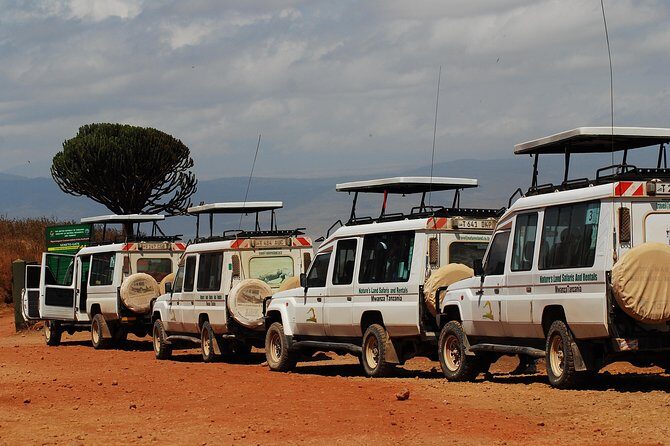
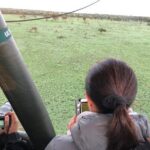
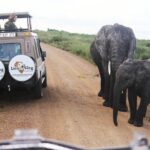
This safari uses an extended 4×4 luxury jeep with a pop-up roof. That single feature changes your game drive experience. You’re not limited to window height, and when animals are just beyond a rise, a slightly higher viewing angle can make the difference between “maybe” and “there it is.”
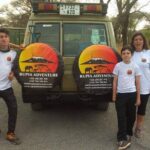
A private safari also means your guide can adapt the drive to your day. In the information you shared, guides like Salehe, Lobulu, Mudi, and Robert were named in past experiences, and the consistent theme was strong wildlife focus—like putting effort into tracking down harder-to-see animals such as cheetahs. I can’t promise which guide you’ll get, but I’d still ask your operator who will be driving your jeep and look for someone who emphasizes patient scanning.
Practical tip: on long days, switch your scanning method. Every few minutes, check:
1) open ground for grazers and predators’ approach routes
2) tree lines for leopards
3) movement patterns (wildebeest and zebra clusters often tell you where activity is about to happen)
Also, WiFi on board can help with quick coordination, but don’t let your phone steal your eyes from the grass. Wildlife is doing the actual storytelling.
What $2,300 buys you (and what to budget extra)
At $2,300 for about five days, you’re not just paying for transport and a driver. The package includes a lot of the expensive basics:
- Private transportation in a safari jeep
- Transfers between the international airport and Arusha
- Two nights in Arusha town (the night before and after)
- Lodging during the safari itself (Tarangire to Serengeti to Ngorongoro stays are included in the plan)
- Meals: breakfasts, lunches, and dinners are listed as included for the trip days
- All fees and taxes are included
- Admission ticket notes are marked free in the itinerary days
- WiFi on board
- Mobile ticket provided
What you’ll need to budget separately:
- Tanzania visa
- Personal expenses (like drinks, laundry, and other extras)
- Tips and gratuities for the guide and cook
Value takeaway: for a private, multi-park safari with multiple lodges and most park/meal costs bundled, the price can make sense—especially if you’d otherwise pay separately for a driver, park tickets, and hotel nights in Arusha.
Who this safari is best for (and who should pause)
This is a strong fit if you:
- want private guiding and vehicle flexibility
- care about the Great Migration, especially if you’re traveling during June–September
- want a classic circuit: Tarangire elephants, Serengeti migration, Ngorongoro crater big-moment wildlife
It may be less ideal if you:
- hate early starts (this plan includes multiple morning wake-ups)
- want a lighter, slower pace with fewer long driving days
- get cranky on long jeep hours (you’re spending a lot of time in transit to cover three parks)
For most people, the trade-off works. You just need to pack like a safari pro: water, layers, good sun protection, and patience.
Should you book this Serengeti wildebeest migration safari?
If your dream is to see the Great Migration and you want it delivered with meaningful time in each park, I’d book this. The itinerary is built around real timing logic (June–September and Mara River targeting in July–September), and the route combines the big three safari beats: Tarangire, Serengeti, and Ngorongoro.
I’d say hold off or ask more questions if you’re traveling outside the peak migration windows and your trip is laser-focused on one exact moment like a specific crossing day. Wildlife is never guaranteed, and the plan is designed to maximize chances, not to promise an exact spectacle on cue.
FAQ
How long is the safari?
It’s a 5-day private safari (approximately 5 days).
Where does the tour start?
The tour is based in Arusha, Tanzania, with pickup offered from your Arusha hotel. The listed start time is 7:00 am.
Does the price include park fees and meals?
Yes. All fees and taxes are included, and the itinerary lists breakfast, lunch, and dinner as included for the safari days.
Is airport transfer included?
Yes. Transfers between the international airport and Arusha are included.
What vehicle do you use for game drives?
You’ll use an extended 4×4 luxury safari jeep with a pop-up roof for game viewing.
Which parks are visited during the 5 days?
The route includes Tarangire National Park, Serengeti National Park, and Ngorongoro Crater.
When is the best time to see the wildebeest migration on this route?
The tour notes that the best chance is during June up to September. It also notes that July to September can focus on northern Serengeti for Mara River crossings.
What can you expect at Ngorongoro Crater?
The plan says you can see the Big Five, including black rhino, along with birds and a high concentration of flamingos. You also have lunch inside the crater.
What’s not included in the tour price?
Not included are the Tanzania visa, personal expenses (like drinks, laundry, and phone use), and tips and gratuities for the guide and cook.
Are WiFi and mobile tickets included?
Yes. WiFi on board is included, and the tour provides a mobile ticket.