REVIEW · ARUSHA
5 Days of Wilderness Ride
Book on Viator →Operated by Motorbike Safari Tanzania · Bookable on Viator
If you want dirt under your boots and big views on the horizon, this Tanzania wilderness ride is your kind of trip. I like how the route is built for off-road riding across all skill levels and how the trip is run with full-time English-speaking guides and mechanics (including standout guides like Moi and Goodluck). I also love that you get the gear and support you need—safety kit, backup car, and a bike trailer—so you can focus on the trail instead of logistics. One thing to think about: you’ll be on a bike in remote areas, so it’s not a sit-and-sightsee vacation, and you should have moderate physical fitness and a comfort level with long days.
What makes it especially interesting is the setting: Arusha is the base, and the riding swings through northeast Tanzania with scenery that includes lakes and major mountain backdrops like Oldonyo Lengai, Kilimanjaro, and Mount Meru. You’ll also get glimpses of local people and different tribes, not as a checklist stop, but as part of the backcountry rhythm. The trip is designed for real riding—expect long stretches at times, with duration ranging from about 1 to 12 hours depending on the day and route.
In This Review
- Key Points at a Glance
- Why This 5-Day Wilderness Ride Feels Different Around Arusha
- Bikes, Gear, and Support: What You’ll Be Counting On
- Gear: Included, But Bring What Fits You
- Off-Road Skill Levels: Built for a Mixed Group
- The Terrain You’ll Ride: Lakes, Oldonyo Lengai, Kilimanjaro, and Mount Meru
- Oldonyo Lengai and the Volcano View Factor
- Kilimanjaro and Meru: Different Directions, Same Wow
- Wildlife and Village Life: When the Backcountry Turns Personal
- Lodge Nights and Meals: Fueling Up for Another Big Day
- Safety in Remote Tanzania: Gear, First Aid, and AMREF
- Price and Value: Is $1,250 Fair for This Kind of Ride?
- Who Should Book This (and Who Might Prefer Another Style)
- Should You Book the 5 Days of Wilderness Ride?
- FAQ
- FAQ
- How long is the wilderness ride tour?
- Where does the tour take place?
- What is the price per person?
- Is pickup or airport transfer included?
- What riding skill level is this suitable for?
- What gear is included?
- Are meals included?
- What safety and medical support is provided?
- What’s not included in the tour price?
- What does the cancellation policy allow?
Key Points at a Glance
- Off-road routes for amateurs to experts, with support always close by
- Standout English-speaking guides and mechanics who handle the details
- Safety gear included (and you can bring your own for comfort)
- Big-name scenery on the horizon: Oldonyo Lengai, Kilimanjaro, and Mount Meru
- Wildlife moments can happen, like riding in an area with giraffes, zebras, and elephants
- Lodge accommodation with full meals, so you recharge properly after riding
Why This 5-Day Wilderness Ride Feels Different Around Arusha
This is one of those trips where the main event isn’t a single monument. It’s the travel method: motorbikes on off-road trails. That changes what you notice. You move slower than a car, faster than a hike, and you feel the terrain through the bike. If you’re the type who likes the journey as much as the destination, this works.
The tour is based out of Arusha, with airport transfer included for the Kilimanjaro or Arusha airports. That matters because it removes the “how do I get there” stress right at the start. You’ll also get a tour briefing either on arrival or the day before, so you’re not guessing how things work once you’re already tired from the flight.
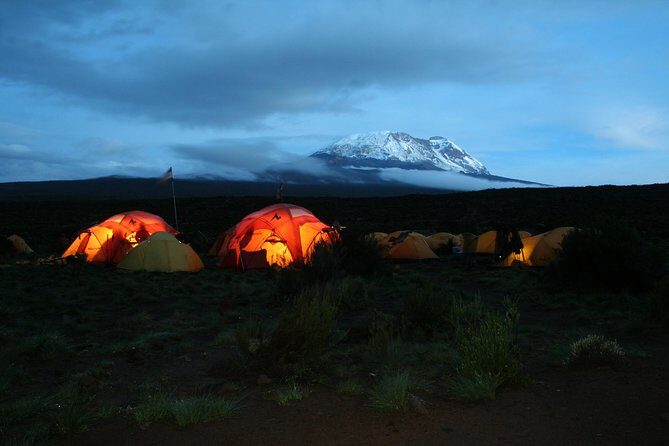
You’ll ride in northeast Tanzania where the visuals are built for a rider’s eye—wide views, changing terrain, and open backcountry. The ride is also set up to show you more than road scenery. The idea is to uncover the quieter, less predictable Tanzania through off-road trails, with long sightlines toward the big mountains and moments that feel like they’re happening to the landscape, not just for tourists.
A few more Arusha tours and experiences worth a look
Bikes, Gear, and Support: What You’ll Be Counting On
You don’t just rent a bike and hope for the best. The trip is designed around constant mechanical and logistical help. There’s a support car, a bike trailer, full-time English-speaking guides, and a mechanic on hand throughout the ride. That’s not a small detail. In remote riding, it’s the difference between a minor issue becoming a wasted day.
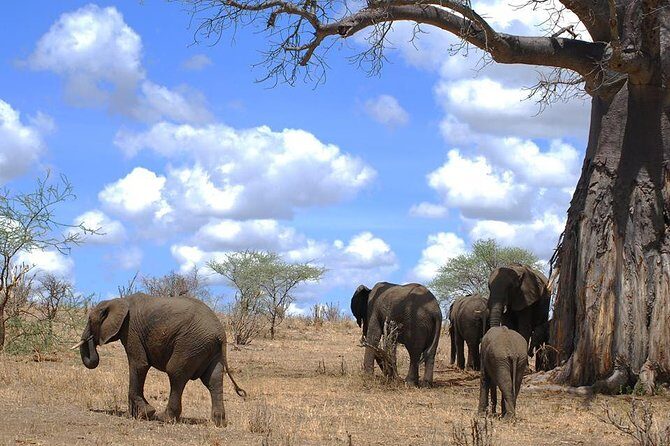
Bikes are described as being in immaculate condition in at least one review, and the riding experience can be truly wild in the best way. One memorable moment shared was riding with an off-road Honda Rally 300 while seeing giraffes, zebras, and elephants in the area. That’s exactly the kind of day where having a confident guide and quick problem-solving nearby makes you relax and enjoy the moment instead of worrying about what could go wrong.
Gear: Included, But Bring What Fits You
A big plus here is that safety gear is included: boots, gloves, pants, jacket, glasses, and helmet. You’re also encouraged to bring your own riding gear if you have it, mainly for your comfort and fit. If you don’t have it, gear can be hired.
Here’s how to think about it: included gear covers the essentials, but fit matters when you’re riding for hours. If you’ve ever had gloves that pinch or boots that rub, you know comfort becomes safety. If you can, pack your favorite items (especially gloves and boots) and treat the included gear as your backup.
Off-Road Skill Levels: Built for a Mixed Group
The tour says trails are off-road suitable for all skilled riders, from amateurs to experts. In practice, that usually means you’ll get guidance on line choice, speed, and pacing, rather than being thrown into the deep end with no support. If you’re a beginner, that matters. If you’re advanced, it means you’re likely to find enough challenge without it turning into a stress-fest.
The Terrain You’ll Ride: Lakes, Oldonyo Lengai, Kilimanjaro, and Mount Meru
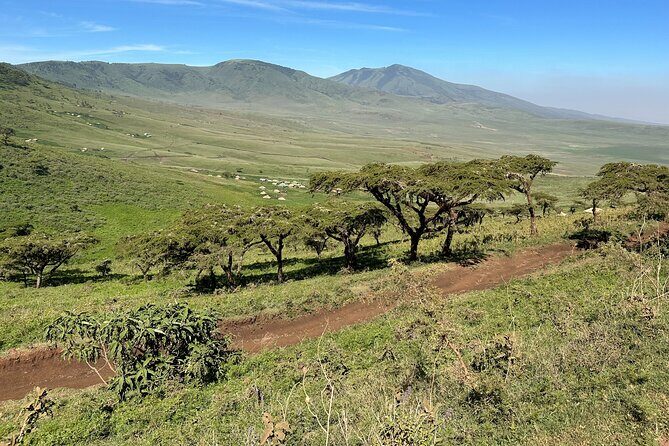
Your scenery isn’t random. It’s framed around big geological features and classic Tanzanian visuals. The tour highlights scenic views of lakes and famous mountains including Oldonyo Lengai, Kilimanjaro, and Mount Meru.
Oldonyo Lengai and the Volcano View Factor
Oldonyo Lengai is mentioned specifically, and that’s a clue that the route is set up for dramatic volcanic scenery rather than just “pretty countryside.” Even if you’ve seen photos before, seeing that kind of mountain presence while you’re riding is different. You get that slow-building moment where the terrain opens up and the view hits all at once. It’s the kind of sight that makes you pause mentally even while your hands are busy.
Kilimanjaro and Meru: Different Directions, Same Wow
Kilimanjaro and Mount Meru are both named, which suggests you’ll have multiple opportunities to look toward the mountain massifs from different angles. On a bike, those long sightlines are part of the joy. You’re not just looking up from a viewpoint; you’re watching the mountains shift position as the road bends and the trail changes.
If you’re someone who loves photos, you’ll get plenty. If you’re not, don’t worry. The point isn’t snapping a perfect shot. The point is feeling the scale and the way the terrain carries you through the region.
Wildlife and Village Life: When the Backcountry Turns Personal
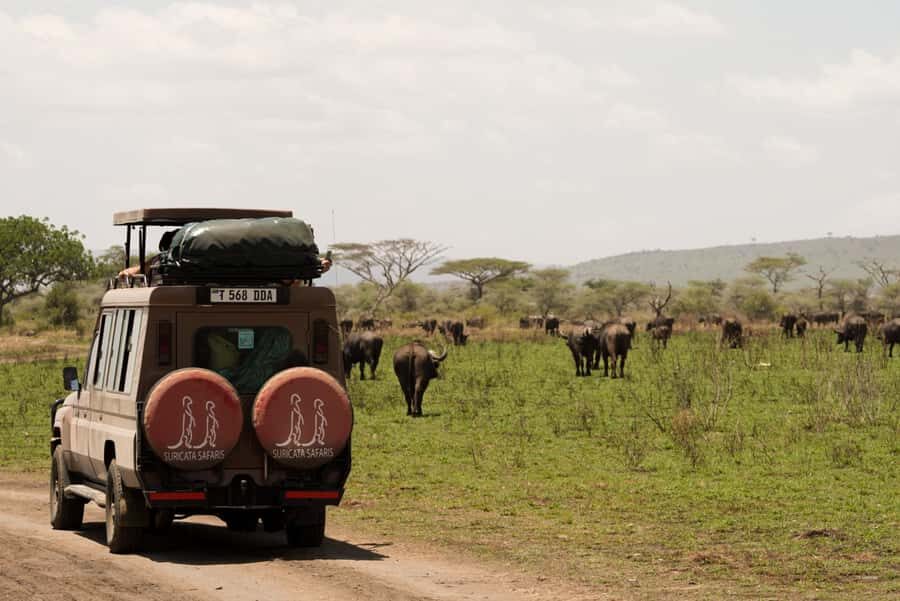
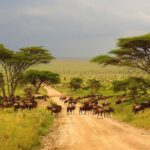
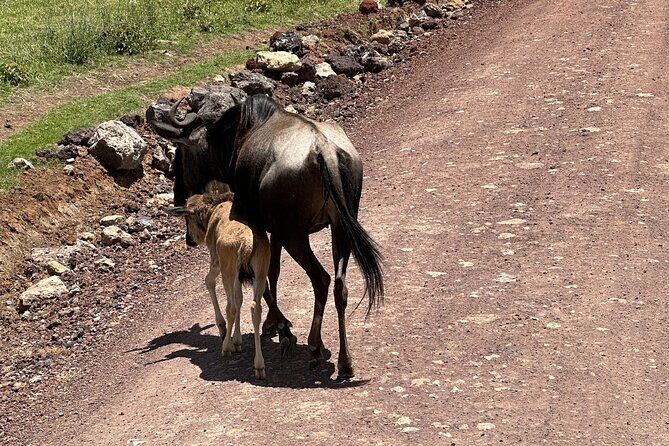
One reason riders like this kind of itinerary is that wildlife and human life can show up without being staged. A review described an off-road ride with giraffes, zebras, and elephants around the route. You can’t count on wildlife every day, but the fact that it happened on the ride tells you the trails are genuinely in animal habitat, not behind a wall of tourist infrastructure.
When animals are around, your guide’s instructions matter. Treat the day like a moving viewing platform: slow down when told, keep your line steady, and don’t try to “chase” moments. A good guide will know how to read the situation quickly.
You’ll also have a chance to see local people from different tribes and observe their ways of life. The tour emphasizes this as part of the experience, not an add-on workshop. In other words: you’re moving through communities and landscapes where people live, and the ride becomes a window into daily Tanzania rather than a parade of stops.
Lodge Nights and Meals: Fueling Up for Another Big Day
The itinerary uses lodges for accommodation. That’s a big practical choice for a riding trip. You don’t want to be scrambling for bedding and meals after a full day on rough tracks. Lodges also give you a stable base to wash up, check gear, and mentally reset before the next push.
Meals are included: 3 meals per day in 3-4 courses plus bottled water. That course-based setup is great after a long day because it doesn’t just keep you alive—it helps you recover. On a bike trip, recovery is part of the adventure. If you show up tired and underfed, your ride gets less fun fast.
If you’re wondering what to do with evenings: plan to unwind and review your riding gear (especially gloves, glasses, and helmet fit). You’ll be grateful for the small routine when you’re waking up for another day of dust, sun, and dirt tracks.
Safety in Remote Tanzania: Gear, First Aid, and AMREF
Safety is treated as a real priority here, not a brochure promise. You’ll receive safety gears and a first aid kit is available for emergency first aid from one of the guides. The tour also works with AMREF for medical emergency evacuation.
That combination is worth noticing. Remote riding is where things can go from “oops” to serious quickly—especially if you’re far from hospitals. Having a plan and a partner for evacuation matters, and it adds a layer of reassurance beyond just wearing a helmet.
Also remember: safety here isn’t only about emergency response. It’s also about support. With the support car, bike trailer, and full-time mechanic, issues can be addressed before they escalate into a lost day. That makes you more comfortable taking the route as it’s designed, instead of hesitating because you’re unsure you can handle setbacks.
Price and Value: Is $1,250 Fair for This Kind of Ride?
At $1,250 per person, this isn’t a bargain-basement tour. But the value story isn’t just the ride time. It’s the package around it: airport transfers, park and government fees, English-speaking guidance, full-time mechanics, support vehicles, bottled water, and safety gear.
If you tried to assemble this yourself, you’d quickly feel the cost of doing it right: transporting riders and bikes, paying for guides and mechanics, arranging lodge stays, and handling park entry and permits. Here, those pieces are bundled together, which is often the difference between a “DIY dream” and a smooth trip.
The cost is also consistent with the experience being designed for off-road riding rather than standard sightseeing. Off-road trips require extra staff time and equipment. When you see the support system described—car, bike trailer, mechanic, and safety gear—you’re paying for that safety net.
My practical take: if you want a guided, off-road bike safari with serious support, lodge comfort, and major mountain scenery, the price looks in the reasonable range. If you want a relaxed, low-effort trip, you might feel it’s pricey for what you’d get, because you’ll be actively riding and paying attention most days.
Who Should Book This (and Who Might Prefer Another Style)
This tour fits best if you’re a motorbike person, love nature, and want to see Tanzania from the backcountry seat. You should also enjoy the outdoors and be comfortable with off-road riding.
You’ll also get along well with the tour if:
- You like mixed terrain and don’t mind dust and rough track days
- You want a guide who speaks English and can handle both riding and mechanical questions
- You’re interested in scenery—lakes and volcano/mountain views are specifically emphasized
- You’re curious about local communities and different tribes
It might be less ideal if:
- You want mostly paved roads and short outings
- You’re not comfortable with the idea that ride days can run from about 1 hour to long sessions up to roughly 12 hours
- You expect no physical effort at all
If your goal is a car-based safari with minimal biking, you’ll likely feel friction here. If your goal is a “ride Tanzania” experience, this is strongly aligned.
Should You Book the 5 Days of Wilderness Ride?
I’d book this if you want a motorbike-focused Tanzania trip with real support and a route that prioritizes off-road trail time plus major mountain views. The combination of included safety gear, full-time English-speaking guides and mechanics, and the added AMREF evacuation support makes it feel like the company thought about risk, not just marketing.
I’d think twice only if you’re looking for an easy, low-movement holiday. This is for outdoor people who enjoy riding and can handle long days. If that sounds like you, you’ll likely come away with a kind of memory that stays in your hands long after the trip ends—dust, dirt, big mountains, and the feeling that you went where regular tours can’t easily follow.
FAQ
FAQ
How long is the wilderness ride tour?
It’s a 5-day tour. Ride time can vary by day, with duration listed as approximately 1 to 12 hours.
Where does the tour take place?
The tour is in northeast Tanzania, with Arusha as the base location.
What is the price per person?
The price is $1,250.00 per person.
Is pickup or airport transfer included?
Yes. Pickup is offered, and round trip airport transfer is included for Kilimanjaro/Arusha airports.
What riding skill level is this suitable for?
The trails are described as off-road suitable for all skilled riders, including amateurs to experts.
What gear is included?
Included safety gear covers boots, gloves, pants, jacket, glasses, and a helmet. The tour also says you can bring your own riding gear for comfort, and gear can be hired if needed.
Are meals included?
Yes. Bottled water and 3 meals per day are included, served in 3-4 courses (breakfast, lunch, dinner).
What safety and medical support is provided?
Safety gear is provided, and there’s a first aid kit for emergency first aid from the guides. The tour also works with AMREF for medical emergency evacuation. Medical insurance is not included.
What’s not included in the tour price?
Not included: things of personal nature, tips/gratuities to guides, medical insurance, and flights and visa.
What does the cancellation policy allow?
Free cancellation is available up to 24 hours in advance of the experience start time for a full refund. Changes made less than 24 hours before the start time aren’t accepted.
If you want, tell me your riding experience level (beginner/intermediate/advanced) and what kind of bike comfort you need, and I’ll help you sanity-check whether this style of off-road trip is a match.