REVIEW · MOSHI
Machame Route 7-Day Private Kilimanjaro Trek
Book on Viator →Operated by Bush Lion Trekking and Tours · Bookable on Viator
Kilimanjaro rewards planning. This 7-day Machame Route mixes rainforest, moorland, alpine desert, and summit ice for a trek that feels like you’re changing worlds each day. I especially like the way the plan builds in altitude time (so you’re not just yanking yourself upward), and I love that the package covers the big stuff—guides, porters, meals, tents, and even oxygen tanks if needed. One consideration: you still need to be ready for a very early, very long Day 6 climb, and it can take a toll even if you’re fit.
You’ll start with a drive from Moshi to Machame Gate, then spend the week moving through distinct ecosystems and camp altitudes that steadily raise your body’s acclimation. Guides in this program are repeatedly described as kind, professional, and safety-focused, with names like Jackson (planning and communication), plus lead guides such as William and Innocent. The itinerary also includes helpful “downhike” days, like the push up toward Lava Tower followed by the drop to Barranco Camp.
The one drawback to keep in mind is practical: this isn’t a light hike with long rests. Some days clock 8+ hours hiking, and the summit day can run 12–15 hours total—so you’ll want good footwear, weather flexibility, and a calm mind when it gets steep.
In This Review
- Key things I think you’ll care about
- Why the Machame Route’s 7-Day Plan Makes Sense
- Price and What $2,209 Really Buys (and What It Doesn’t)
- Day 1: Moshi to Machame Gate, Then Rainforest to Machame Camp (3,010m)
- Day 2: Moorland Views to Shira Camp (3,840m)
- Day 3: Lava Tower Lunch, Then the Drop to Barranco Camp (3,960m)
- Day 4: Barranco Wall (No Climbing Skills Needed) to Karanga Camp (4,035m)
- Day 5: Short but Steep to Barafu Camp (4,640m) for the Summit Prep
- Day 6: Midnight Summit to Uhuru Peak (5,895m) and the Long Descent to Mweka
- Day 7: Rainforest Descent to Mweka Gate and Your Summit Certificate
- Guides, Porters, and the Safety Stuff You Don’t Want to Be Missing
- Camping Routine: What “Included Gear” Means on the Ground
- Who This 7-Day Machame Trek Fits Best
- Should You Book This Machame Route Private Trek?
- FAQ
- How many days is the Machame Route trek?
- Where does the trek start and end?
- What kinds of landscapes will I hike through?
- Do I need to bring my own camping tent and sleeping bag?
- Are park fees, guides, and meals included?
- What’s included for safety?
- Is this a private tour?
- Can I get a refund if plans change or weather is bad?
Key things I think you’ll care about
- Altitude-friendly pacing, including up-and-down days that help your body adjust.
- Camping setup is included: tents, sleeping mats, and sleeping bags, plus a portable toilet.
- Safety gear included, including first aid kits and oxygen tanks.
- Professional guide teams, with repeatedly praised support and clear communication.
- Private setup for your group, even if your “group” includes multiple friends.
- Real variety: rainforest mornings, moorland views, dry alpine sections, then summit ice.
Why the Machame Route’s 7-Day Plan Makes Sense
The Machame Route is popular because it gives you variety and time. You’re not walking the same kind of trail every day, and the changes in terrain help break up mental fatigue. More importantly, the 7-day structure isn’t just about covering distance. It’s about teaching your body a new rhythm: go higher, pause, go a bit higher, then drop low enough to help you recover.
That “recovering on purpose” is a big deal. On Kilimanjaro, the problem isn’t only effort—it’s how your body handles lower oxygen. When you’re given a day that includes a climb to a high point (like Lava Tower) and then a controlled descent (like the drop to Barranco Camp), you’re more likely to feel steady later.
Also, Machame tends to feel scenic from early on. Day 1 starts deep in forest. Day 2 turns into moorland with big sightlines. Then later you get dry, rocky alpine terrain before the summit push. You’re not just hiking to reach a goal—you’re hiking through multiple worlds, each with its own rhythm and temperature.
You can also read our reviews of more private tours in Moshi
Price and What $2,209 Really Buys (and What It Doesn’t)
At $2,209 per person, you’re paying for a full, managed climbing operation—not just a guide walking beside you. Based on what’s included, a lot of the “hidden costs” are already handled:
Included value highlights:
- Airport transfers to and from Kilimanjaro International Airport
- Transport to the trailhead
- Park fees and permits
- Experienced guides and porters
- Meals during the climb (breakfast, lunch, dinner)
- Clean drinking water
- Tents and camping gear (sleeping bags, mats, portable toilet)
- Safety equipment, including oxygen tanks and first aid kits
- Summit certificate
- Two nights of accommodation: one night before and one night after the trek
What you’ll need to budget separately:
- Flights to Tanzania
- Travel insurance (medical, evacuation, trip cancellation)
- Personal gear (boots, clothing, pack, etc.)
- Tips for guides, porters, and staff
- Extra hotel meals (the package notes lunch and dinner in the hotel aren’t included)
Is it good value? For many hikers, the answer is yes, because the package reduces the “logistics load.” You don’t have to organize permits, camping equipment, or food under time pressure. And because the safety setup is included, you’re not trying to assemble critical gear last-minute.
The one “cost reality” to plan for is that the trip still requires personal readiness: bring the right clothing layers and footwear, and make sure you’re insured. Those two items can make or break your experience.
Day 1: Moshi to Machame Gate, Then Rainforest to Machame Camp (3,010m)
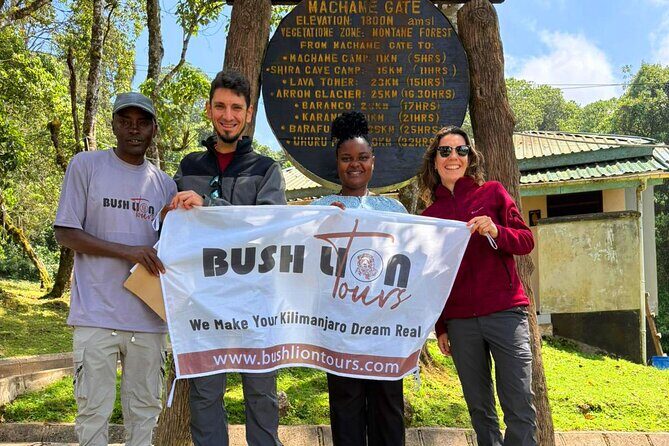
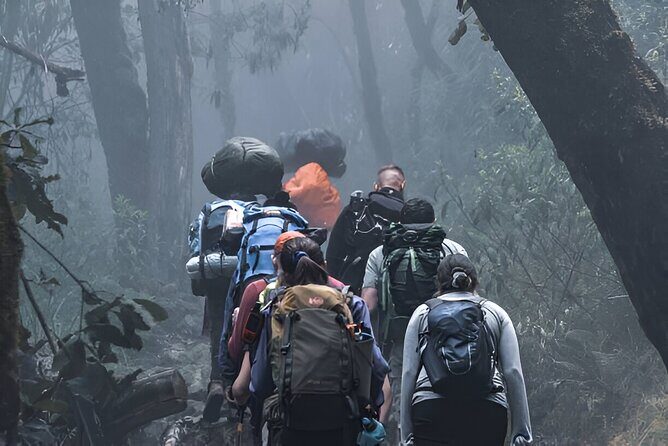
Your trek starts with a drive from Moshi to Machame Gate, then you sign in and get a briefing. After that, it’s into a thick rainforest. Expect green walls of trees, a cooler feel, and the steady hum of a trail that’s more about building momentum than “winning altitude.”
This day is about 5–7 hours and around 11 km (7 miles), ending at Machame Camp (3,010m / 9,875 ft).
What I like about this start:
- Rainforest hiking tends to be easier on the body than loose rock at altitude. Your legs get a warm-up.
- It’s a gentle way to ease into the camp routine: pace yourself, hydrate, and get used to walking with a consistent rhythm.
Possible drawback:
- Even “easy” terrain at altitude can feel slower once you’re breathing heavier. If you start too fast in the forest, you’ll pay for it later.
Day 2: Moorland Views to Shira Camp (3,840m)
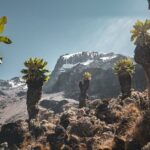
Day 2 shifts. The trail becomes steeper as you leave the forest and enter the moorland zone. The scenery changes fast, and you’ll get big glimpses of Mount Meru and the Shira Plateau.
You’re hiking about 4–6 hours for roughly 5 km (3 miles) to Shira Camp (3,840m / 12,600 ft).
Why this matters:
- Moorland is often colder and windier. It trains you for changing weather without going full summit-challenge yet.
- Shorter distance but steeper effort is a good compromise day. You get altitude without exhausting your body completely.
What you’ll want to do:
- Keep your breathing calm. On moorland, people often move too quickly because the views tempt them to “push to see more.”
- Dress in layers you can adjust without stopping for ten minutes each time.
Day 3: Lava Tower Lunch, Then the Drop to Barranco Camp (3,960m)
This is one of the most important days for altitude. You hike up toward Lava Tower (4,630m / 15,190 ft), stop for lunch, then go down to Barranco Camp (3,960m / 13,000 ft).
Total distance is about 10 km (6 miles), with a hiking time around 6–8 hours.
The value here is the up-and-down strategy:
- Going high enough helps your body acclimate.
- Descending afterward helps you recover before you continue climbing again.
And then there’s the mental effect. When you’re later staring at a steep section (like Barranco Wall on Day 4), your body won’t feel like it’s being asked to do something brand new.
Small drawback:
- This day can feel “long” because it has both climb and descent. It’s not only effort—it’s constant attention to footing and pacing.
You can also read our reviews of more hiking tours in Moshi
Day 4: Barranco Wall (No Climbing Skills Needed) to Karanga Camp (4,035m)
Day 4 starts with Barranco Wall. It’s steep, but the good news is you don’t need special climbing skills. You reach the top and get views over the surrounding area, then the trail continues through a dry, open section.
You’ll finish at Karanga Camp (4,035m / 13,250 ft). The hike is about 5 km (3 miles), taking around 4–5 hours.
What makes this day memorable:
- Barranco Wall is the “character-building” moment of the route. Even if it’s short, it teaches you that slow and steady beats brute force.
- The dry surroundings make it feel harsher than earlier rainforest days, so your layers and water planning matter more.
A practical tip:
If you get tempted to rush because the wall looks conquerable, don’t. Keep your steps controlled. Loose footing up high is where people lose time—and sometimes confidence.
Day 5: Short but Steep to Barafu Camp (4,640m) for the Summit Prep
Day 5 is a short walk in distance, but it’s steep and rocky. You head to Barafu Camp (4,640m / 15,220 ft) through a rocky alpine desert.
It takes about 4–5 hours for roughly 4 km (2.5 miles). Then you get an early dinner and rest, because the summit attempt starts later.
This is a “save your energy” day, and that’s not just advice—it’s how the plan works. You’re building your reserves for the midnight start.
Possible drawback:
- Even though it’s short, it can feel like a workout. You’ll arrive at Barafu tired. That’s normal. Let rest actually mean rest.
Day 6: Midnight Summit to Uhuru Peak (5,895m) and the Long Descent to Mweka
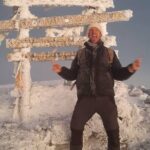
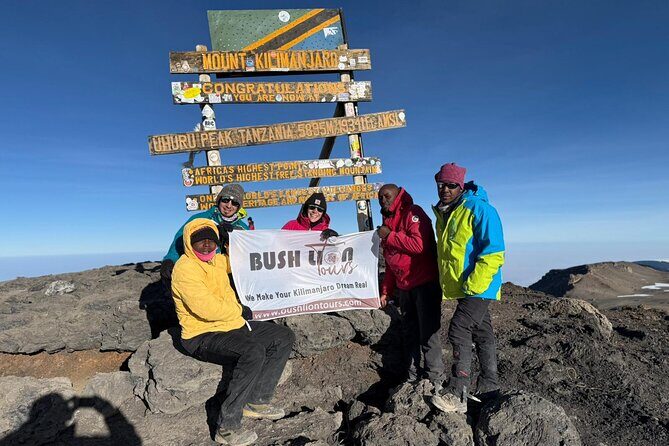
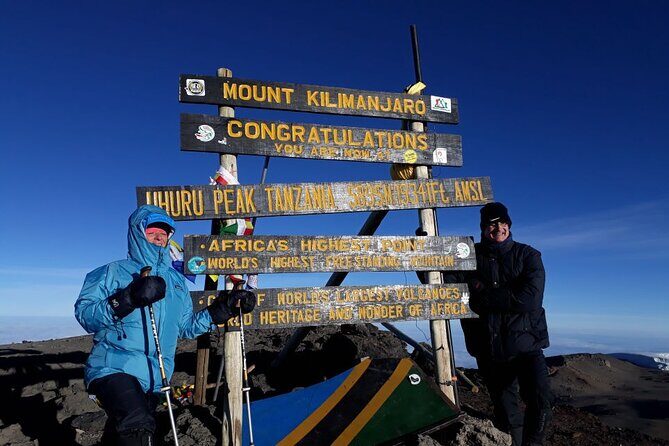
This is the big day. You start around midnight and push toward Uhuru Peak (5,895m / 19,341 ft). It’s steep and the ground is loose. After 7–8 hours of walking, you reach the top.
Then you spend some time on the summit—celebrating matters, even when you’re chilled and tired. After that, you head back to Barafu Camp briefly, rest, and then descend to Mweka Camp (3,110m / 10,200 ft).
The whole day can run 12–15 hours total, with around 17 km (11 miles) covered.
Why this segment is worth your grit:
- Summit day is where the route’s altitude setup pays off. Days like the Lava Tower + Barranco Camp combination are there for a reason.
- You get a real sense of accomplishment at the highest point in Africa, not just a dramatic finish line.
What to watch for:
- Loose ground means technique matters. Small, steady steps help you manage energy and reduce slipping.
- The cold is real. Even if your legs feel okay, your hands and breath may not.
Day 7: Rainforest Descent to Mweka Gate and Your Summit Certificate
The final day is a rewarding cooldown through rainforest. The trail is green and full of life, and you might spot animals along the way.
You hike about 3–4 hours for roughly 10 km (6 miles) to Mweka Gate. You’ll receive your summit certificate, then the team drives you back to Moshi.
This day is often emotionally important because it’s the shift from “survive the climb” to “enjoy the outcome.” Your legs may protest, but the walking is usually more comfortable than the summit approach.
Guides, Porters, and the Safety Stuff You Don’t Want to Be Missing
One of the strongest signals from real experiences with this operator is the professionalism of the team. Communication is described as clear and fast, and the guides are praised for being kind and supportive—exactly what you want when your body is working overtime.
You’ll also see recurring guide names in feedback: Jackson is highlighted for planning help and responsiveness, while trekking leaders mentioned include William, Innocent, Kenny, Shafii, and Emmanuel. Different parties, same theme: you’re not left to guess what to do next.
Safety and comfort details included in this package are also meaningful:
- Oxygen tanks (important on Kilimanjaro routes)
- First aid kits
- Clean drinking water
- Portable toilet
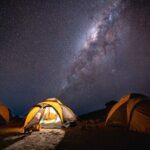
- A real camping setup with tents, sleeping bags, and mats
And there’s another practical note: in at least one documented climb experience with this team, bad weather (a snowstorm) hit and the group still reached Uhuru Peak. Weather can always change fast on Kilimanjaro, so it helps when you’re with people who stay calm and keep the plan moving.
Camping Routine: What “Included Gear” Means on the Ground
This trek is camping at altitude, so your comfort isn’t optional. The package supplies:
- Tents
- Sleeping bags
- Sleeping mats
- Camping equipment plus a portable toilet
That’s a big deal for value because these items can be expensive or annoying to source locally if you arrive with the wrong setup. It also means you’re less likely to show up without gear that actually fits the conditions.
Meals are also handled during the climb. You’ll have breakfast, lunch, and dinner, plus clean drinking water. That’s not just convenience—it’s fuel management. On summit day, steady energy intake matters more than fancy flavors.
The mindset shift: camping days are about routine. You’ll eat, hike, rest, and repeat. If you can accept that rhythm, the trek feels more manageable.
Who This 7-Day Machame Trek Fits Best
This is built for people with at least moderate physical fitness. If you can handle multi-hour hikes, slow steep walking, and a very long summit day, you’re likely a fit.
It also works well for:
- Couples who want a private group dynamic but still feel supported by a full team
- Solo travelers who want professional guidance and don’t want to manage permits and logistics alone
- Families or teen-adult groups, as long as everyone understands the demands of altitude and long hiking hours
If you’re the kind of traveler who wants constant shortcuts, this isn’t it. If you’re the kind of traveler who likes a clear plan, a strong team, and daily goals, you’ll probably love this setup.
Should You Book This Machame Route Private Trek?
If your priority is altitude pacing plus a complete, managed climb, I’d put this Machame trek near the top of your shortlist. You’re getting far more than a walking guide: you’re covered for permits, transport, meals, camping gear, and key safety equipment like oxygen tanks. And the team’s communication and support show up repeatedly in real experiences, including successful summits even when weather turns.
I’d pass or ask extra questions if:
- You’re not comfortable with the long summit day (12–15 hours total) or early midnight start.
- You’re still building a personal gear list and haven’t nailed the basics like footwear and warm layers.
- You’re hoping for a mostly easy, low-effort vacation. This is a climb, not a stroll.
FAQ
How many days is the Machame Route trek?
It’s a 7-day trek (approx.).
Where does the trek start and end?
You start in Moshi and drive to the trailhead at Machame Gate. The trek finishes at Mweka Gate, then you’re driven back to Moshi.
What kinds of landscapes will I hike through?
You’ll hike through rainforest, moorland, dry open areas, rocky alpine desert, and the summit ice zone.
Do I need to bring my own camping tent and sleeping bag?
No. The package includes camping equipment such as tents, sleeping bags, and sleeping mats.
Are park fees, guides, and meals included?
Yes. Park fees and permits, experienced guides and porters, and meals (breakfast, lunch, dinner) during the climb are included.
What’s included for safety?
Included safety equipment includes first aid kits and oxygen tanks.
Is this a private tour?
Yes. It’s described as a private tour/activity, meaning only your group participates.
Can I get a refund if plans change or weather is bad?
You can cancel for a full refund if you cancel up to 24 hours in advance. If it’s canceled due to poor weather, you’ll be offered a different date or a full refund.
If you tell me your group size, fitness level, and your travel month, I can help you sanity-check whether the 7-day Machame pacing matches your timeline and comfort level.