REVIEW · MOSHI
Kilimanjaro-marangu Route 6 Days Itinerary
Book on Viator →Operated by Africa Joy Tours - Day Tours / Mult Day Tours · Bookable on Viator
Kilimanjaro gets real fast on Marangu. This 6-day route starts with a stay at Kilimanjaro Mountain Resort and includes an airport transfer from JRO, so you’re not scrambling on day one. Two things I like right away: the private transfer is built into the package, and the itinerary is structured for gradual acclimatization rather than rushing.
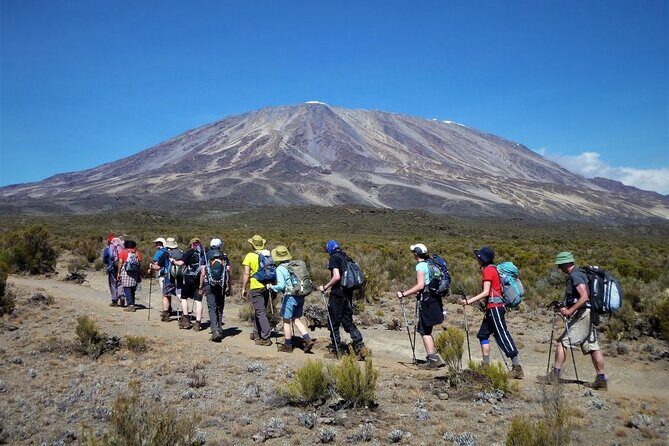
I also like how the climb moves you through distinct altitude zones. You go from rainforest into moorland, then out toward the saddle and the Kibo area, with an extra acclimatization day at Horombo and a slow, steady summit approach. That rhythm matters when you’re trying to reach Uhuru Peak.
One possible drawback to plan for: the summit day is long and early, and at Kibo Hut there’s no running water. If you’re the type who hates long stretches and hates being without basic comforts, this climb may feel like a lot.
In This Review
- Key things to know before you pick this Kilimanjaro Marangu route
- Moshi Base Camp: Kilimanjaro Mountain Resort and Your Easy Arrival
- Day 1 (5:30 pm): Briefing, Gear Check, and Insurance Reality
- Day 2 Trail Plan: Marangu Gate to Mandara Hut Through Rainforest
- Day 3: Mandara to Horombo Hut and the Moment the Views Show Up
- Day 4: Zebra Rocks Pass and an Extra Acclimatization Night at Horombo
- Day 5: Horombo to Kibo Hut, the Saddle, and the Lunar Desert Feel
- Day 6: Midnight Start, Gillman’s Rim, and the Uhuru Peak Summit Moment
- Day 7: Horombo Back to Marangu Gate and Summit Certificates
- Day 8: Private Departure Transfer From Moshi to JRO
- Price and Logistics: Does $1,950 Feel Like Good Value?
- Weather Timing: When to Plan for Clearer Conditions
- Fit Level and Pace: Who This Marangu Plan Suits Best
- Operator Reality Check: Communication and Timing
- Should You Book This Kilimanjaro Marangu 6 Days Route?
- FAQ
- How do I get to Kilimanjaro Mountain Resort on arrival?
- What is the start time for the trip?
- How does the tour handle tickets and group size?
- What do we do on Day 1 before the hike?
- Which huts does the itinerary include?
- Is there water available at Kibo Hut?
- What is the summit plan timing?
- What’s the typical walking time on summit day?
- What happens if the weather is bad?
Key things to know before you pick this Kilimanjaro Marangu route
- Included JRO transfers: You’re met at Kilimanjaro International Airport and taken to Kilimanjaro Mountain Resort without extra fees.
- Hut-to-hut route with acclimatization: Mandara and Horombo huts break up the altitude gain, and Horombo includes extra time.
- Kibo Hut prep before summit: You sleep high, then wake before midnight to start the steep crater approach.
- Summit timing starts in the dark: The push begins under darkness with sunrise moments built in at the crater rim.
- Water reality at Kibo Hut: No running water there, so you’ll want to treat water planning seriously.
- Private tour, only your group: This isn’t a mixed crowd experience.
Moshi Base Camp: Kilimanjaro Mountain Resort and Your Easy Arrival
This itinerary anchors you in Moshi, at Kilimanjaro Mountain Resort on the lower slopes of the mountain. The big practical win is that you can focus on the climb instead of logistics chaos. If your flight lands at JRO, a private transfer is waiting for you and takes you to the resort.
In my view, this kind of setup is worth something. You’re coming off travel, and Kilimanjaro punishes tired bodies. With a smooth transfer, you get a calm evening before the real work starts, instead of spending the night hunting for transport or figuring out check-in.
The resort also acts like a staging area: you get your equipment check and a briefing before you hike. That matters because on Kilimanjaro, one missing item can turn into a stressful scramble later.
A few more Moshi tours and experiences worth a look
Day 1 (5:30 pm): Briefing, Gear Check, and Insurance Reality
Day one isn’t a hiking day. You gather in the evening at 5:30 pm for a pre-climb briefing and equipment check. I like this timing because it gives you daylight to settle and then turns the evening into a focused planning session.
The tour also confirms you have appropriate mandatory medical coverage and travel insurance. That’s not glamorous, but it’s smart. Kilimanjaro is remote enough that the paperwork and coverage question needs to be handled before you start climbing, not after something goes sideways.
If you’re hoping to sleep early, this day helps. You’ll be mentally ready for the next morning’s movement to the park gate.
Day 2 Trail Plan: Marangu Gate to Mandara Hut Through Rainforest
On day two, after breakfast you travel a short distance from Marangu to the National Park gate for formalities. This is one of those steps that feels tedious, but it’s also where everything becomes official and organized.
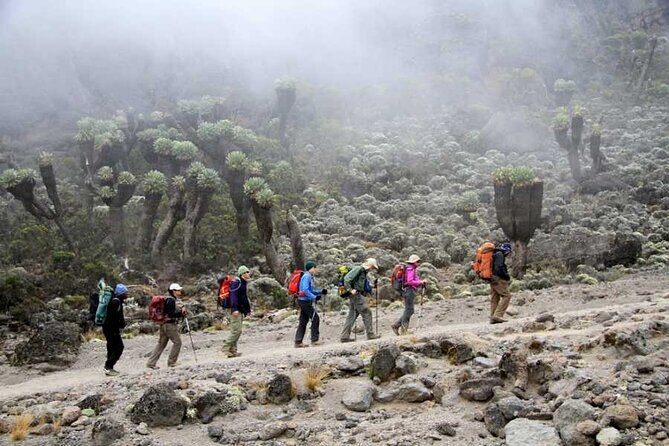
Then you step into the climb through tropical rain forest. It’s described as a fascinating start, and the route is designed so you’re not instantly dropped into extreme altitude strain. The first hut is Mandara, where you’ll have dinner and sleep.
The walk runs about 5–6 hours and climbs to 2,700 m. The payoff is that you’re still moving at a human pace while your body starts adjusting. If the weather cooperates, you’ll get a mix of shade, humidity, and that deep forest atmosphere that makes day two feel less like punishment and more like travel.
Day 3: Mandara to Horombo Hut and the Moment the Views Show Up
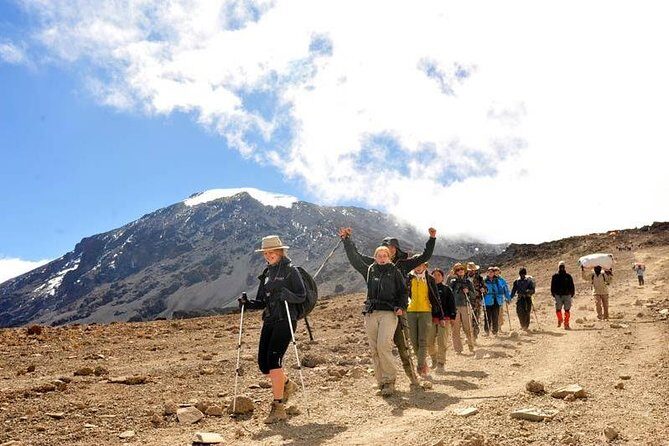
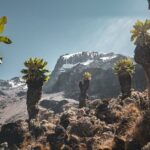
Day three begins with a steep ascent through the forest. After that, the path opens out into moorland, and if visibility is good you get views of Kibo and Mawenzi peaks.
You reach Horombo Hut mid-afternoon, where you can relax and enjoy the scenery around camp. This is where you learn an important rhythm: altitude climbs aren’t just about walking. They’re also about how you rest, how you hydrate, and how you manage your energy.
The climb takes about 4–6 hours (to 3,720 m). I find that this is a “settle-in” altitude day. You move enough to keep progress going, but you’re not forced into a brutal schedule that leaves you exhausted before acclimatization even begins.
Day 4: Zebra Rocks Pass and an Extra Acclimatization Night at Horombo
Day four is your acclimatization day, and it’s one of the smartest parts of this itinerary. You pass Zebra Rocks on the way toward the Mawenzi hut area, but the plan is to return and spend additional time back at Horombo.
The goal here is simple: give your body time to adapt before you climb higher toward the crater zone. The itinerary directly advises drinking enough water and walking slowly, which is exactly what you should do on altitude days.
You’ll spend about 3 hours walking as part of this acclimatization plan. This isn’t a long day, and that’s the point. If you rush day four, you’re more likely to feel it later—especially once you’re heading toward Kibo Hut.
Day 5: Horombo to Kibo Hut, the Saddle, and the Lunar Desert Feel
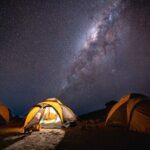
Day five shifts the vibe. You start a gradual climb toward the Saddle between Mawenzi and Kibo, described as the route toward a lunar desert landscape. This is the kind of environment that makes you feel like you’ve left normal Earth behind.
You’ll walk slowly over 6–7 hours to reach Kibo Hut (4,700 m) and spend the night there. The big practical note: there is no running water at Kibo Hut. So you’ll want to be thoughtful about how you use what you have and avoid casual water habits earlier in the trip.
The remainder of the day is for relaxing and preparation for the final ascent. I recommend treating this like a pre-race evening. Eat what you can, rest, and avoid burning energy chatting for hours when your legs will want to switch into summit-mode later.
Day 6: Midnight Start, Gillman’s Rim, and the Uhuru Peak Summit Moment
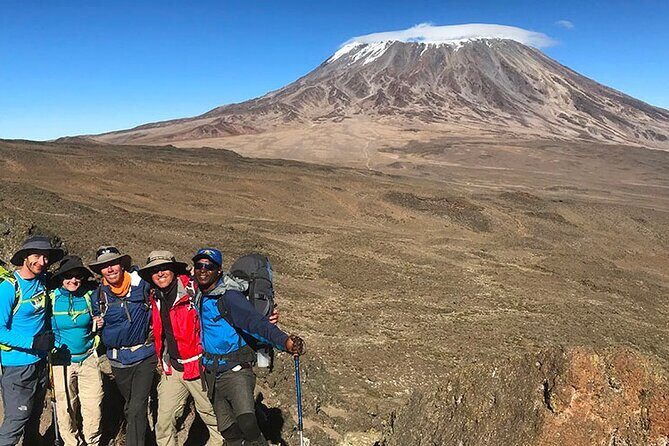
This is the day you came for. You wake up before midnight and begin a steep climb over loose volcanic scree. The route includes well-graded zig-zags, but the surface still demands slow, steady steps.
You’ll take the climb up to the rim of the main crater at Gillman’s 5,685 m. There’s a pause to enjoy sunrise over Mawenzi—a payoff that helps you cope with cold hands, slow breathing, and the fact that you’re climbing in the dark.
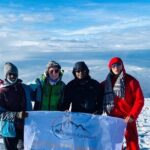
If you feel good, you continue to the crater rim area around Uhuru Peak (5,895 m), then spend a few minutes appreciating what you’ve done. After that, you descend quickly back down to Kiko Hut, stop again at Kibo Hut for refreshment, and then continue descending to Horombo.
The itinerary lists the full climb-descent schedule as 13–15 hours walking. That’s long enough that pacing matters more than speed. You’ll likely feel it in your knees on the way down, so don’t hero-walk the descent. Short, controlled steps save energy.
Day 7: Horombo Back to Marangu Gate and Summit Certificates
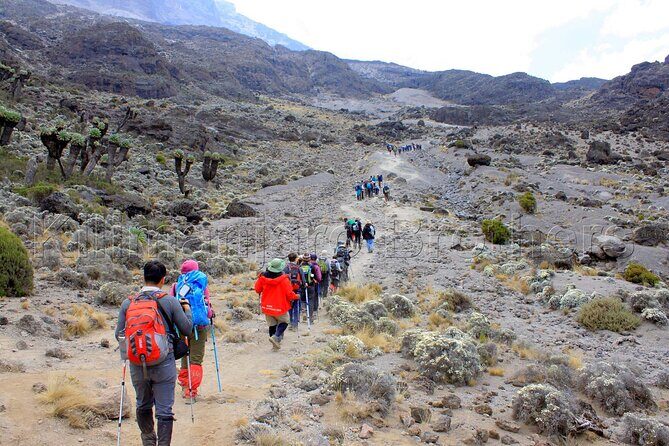
Day seven is a descent day, but it still deserves focus. You move from the high altitude zone back down past Mandara toward Marangu National Park and the Marangu Gate.
Successful climbers receive their summit certificates at this stage. It’s a small moment, but it matters because it marks a transition from suffering to completion.
The walk is listed at about 6–7 hours. After you reach the gate, you’re transferred back to Kilimanjaro Mountain Resort for dinner and overnight. This is one of those times when you’ll be tired but also weirdly hungry in a happy way.
Day 8: Private Departure Transfer From Moshi to JRO
You’ll say goodbye to your guide team, then head out with a private departure transfer included from Moshi to Kilimanjaro International Airport (JRO) for your flight.
If you want to build in extra time, the plan mentions discussing options like a short safari or other add-ons. Even without extras, the included transfer means you won’t be hunting for transport right after finishing the hike.
Price and Logistics: Does $1,950 Feel Like Good Value?
At $1,950 per person, this isn’t a bargain-bin option. But Kilimanjaro is never a cheap climb if you want real support: park procedures, hut stays, guides, and a structured route all cost money.
What helps the value is that the itinerary includes airport transfers both ways. You also get a private tour where only your group participates, which can be more comfortable than joining a mixed group with unpredictable pacing.
The package also includes a mobile ticket, which is a small detail but still useful when you’re traveling internationally and trying to reduce paper chase.
The one thing to weigh is fit for your style. This route is designed for steady progress, but summit day is still a long, early push. If you want a climb that feels easy, Kilimanjaro won’t deliver that. If you want a clear plan with built-in acclimatization time, this itinerary lines up well.
Weather Timing: When to Plan for Clearer Conditions
Kilimanjaro weather is a big deal, and the itinerary guide gives direct month guidance. March, April, and May are flagged as long rains and should be avoided. November usually brings short rains but not every day, so climbing is possible.
For best conditions, the guide calls out January, February, August, and September. It also notes July can be colder, and November to December can be wet.
That matters for a simple reason: your summit window depends on good weather. The tour is also described as requiring good weather, with cancellation and rebooking options if conditions don’t cooperate.
If you’re picking dates, aim for those “usually better” months. And when you’re packing, plan for cold early mornings and layers that you can adjust as you climb.
Fit Level and Pace: Who This Marangu Plan Suits Best
The tour expects moderate physical fitness. That’s not a guarantee you’ll feel great every day, but it does imply the hiking pace is designed to be manageable with consistent effort.
Still, you should plan for a wide range of exertion. Day two and three are solid climbs into camp. Day four gives you a break for acclimatization. Then day five brings you to Kibo and sets you up for the summit push on day six.
The summit day is the real test: wake before midnight, climb over scree, hit Gillman’s rim, then (if you can) continue toward Uhuru Peak, and descend for many hours after. If that sounds like a lot, it is. But it’s also exactly the reason acclimatization days are included.
Operator Reality Check: Communication and Timing
The overall rating is 4.3 from 9 reviews, so this isn’t a universally flawless experience. One negative account described a situation where the pickup arrived about 30 minutes late and the guest had to contact the operator instead of receiving a clear update.
I’d treat that as a reminder to be proactive. Before your climb starts, confirm exact pickup expectations and have a way to reach your contact quickly if delays happen. On mountain trips, small communication gaps feel bigger because you’re on a tight schedule.
At the same time, the operator response shows they’re focused on improving service after that kind of issue. The best approach for you is simple: set expectations early, keep your phone accessible, and don’t assume every detail will run like a clock.
Should You Book This Kilimanjaro Marangu 6 Days Route?
Book it if you want a structured climb with classic Marangu pacing: rainforest-to-hut hiking, an acclimatization day at Horombo, a Kibo prep night, and a summit plan that starts in the dark and builds in sunrise at the crater rim.
Think twice if you hate long summit days or you’re not comfortable with the practical limitations like no running water at Kibo Hut. Also consider your tolerance for early mornings and the fact that weather can shift plans.
If you like clear steps, steady altitude progress, and a private group setup with included airport transfers, this itinerary is a strong match for an organized Kilimanjaro attempt from Moshi.
FAQ
How do I get to Kilimanjaro Mountain Resort on arrival?
You’ll arrive at Kilimanjaro International Airport (JRO). A private transfer is waiting for you and takes you to Kilimanjaro Mountain Resort in Marangu, and it’s included in the package.
What is the start time for the trip?
The meeting start time is 8:30 am.
How does the tour handle tickets and group size?
This is a private tour/activity, so only your group participates. It also includes a mobile ticket.
What do we do on Day 1 before the hike?
On Day 1 you stay at Kilimanjaro Mountain Resort and meet at 5:30 pm for a pre-climb briefing and equipment check, including confirmation of mandatory medical coverage and travel insurance.
Which huts does the itinerary include?
The itinerary includes Mandara Hut, Horombo Hut, Kibo Hut, and Kiko Hut during the summit-day descent.
Is there water available at Kibo Hut?
No. The itinerary notes that there is no running water at Kibo Hut.
What is the summit plan timing?
On Day 6 you wake up before midnight and climb toward the crater rim at Gillman’s (with sunrise time included). If you feel good, you continue toward Uhuru Peak, then descend back down.
What’s the typical walking time on summit day?
The itinerary lists the combined summit-and-descent walking time from Kibo Hut to Summit to Horombo as 13–15 hours.
What happens if the weather is bad?
The experience requires good weather. If it’s canceled due to poor weather, you’ll be offered a different date or a full refund. You can also cancel for a full refund up to 24 hours in advance of the start time.