REVIEW · MOROGORO REGION
3 Days 2 Nights Amazing Masai Tour & Mikumi National Park
Book on GetYourGuide →Operated by Supreme Tanzania Safaris · Bookable on GetYourGuide
Masai culture and Mikumi wildlife in three days. You get a real culture encounter, then jump straight into game drives in Mikumi National Park with a roof-hatch Land Cruiser built for animal spotting and photos. I like how the schedule balances people time and wildlife time, not one long travel day followed by boredom.
Two things I especially like: the Masai portion is designed to teach you about daily life, traditions, and taboos, not just pose-for-a-photo stops; and Mikumi has a layout that supports serious sighting chances, with observation towers and good viewing around water areas. One consideration: the driving portion from Dar es Salaam is substantial, so you’ll want to be ready for early starts and long road hours.
You’ll also notice this tour focuses on comfort where it counts. You’re picked up from your hotel, you’ll have hot lunch on arrival, and you stay full-board at Bastian Camp. The one drawback I’d flag is practical, not dramatic: the activity isn’t suitable for wheelchair users or pregnant women, so plan accordingly before booking.
In This Review
- Key points you’ll care about
- From Dar es Salaam to Mikumi: the trip starts fast
- Day 1 in plain terms: Masai tour with real-life context
- Day 2 Mikumi game drive: where the animals line up
- The animals you’ll be looking for
- Lunch and pacing
- Why Mikumi’s setting helps you actually see animals
- What your $680 pays for and why it can be good value
- Included (the value core)
- Not included (what you must plan)
- The comfort details that make or break the experience
- Who this tour suits best
- Arrival, departure, and the timing you should expect
- Should you book this Masai and Mikumi tour?
- FAQ
- What time is pickup in Dar es Salaam?
- How long is the drive from Dar es Salaam to Mikumi?
- Where do I stay during the safari?
- What wildlife can I expect to see in Mikumi?
- What language is the guide?
- What should I bring?
Key points you’ll care about
- Masai culture, explained: You’ll learn about traditions and taboos and how modern Masai life works in practice.
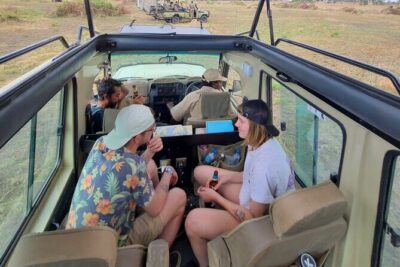
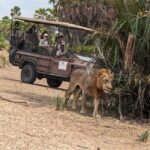
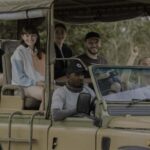
- Game drive viewing gear: An outfitted Land Cruiser with roof hatches makes it easier to spot animals and take photos.
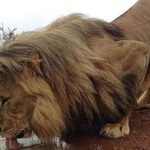
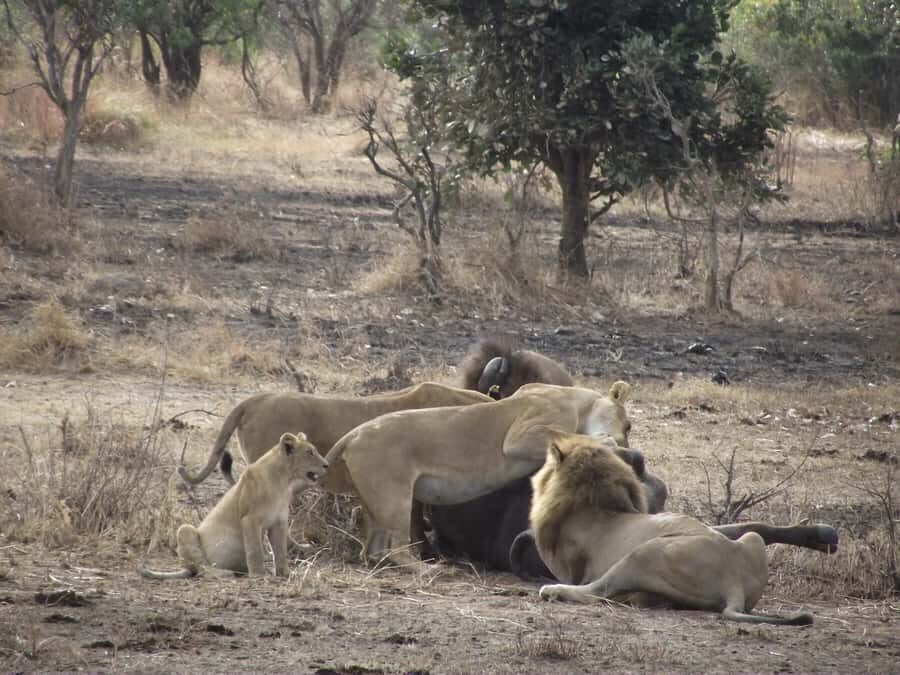
- Mikumi has variety in one park: Lions, elephants, buffalo, giraffes, zebras, and more show up across woodland and water-hole areas.
- Built for a short safari: Three days is fast, so you’ll see both culture and wildlife without spending a week on the road.
- English guide support: A live English guide and English audio guide help you understand what you’re seeing.
From Dar es Salaam to Mikumi: the trip starts fast
This tour is timed for people who want to get moving right away. Pickup is set for 7:30am from your hotel, and you’re looking at about five hours to reach Mikumi. That matters because it shapes your whole rhythm: you’re not waiting around for days to “build momentum.” Instead, you arrive, eat, and start learning that same afternoon.
On arrival, you’ll get hot lunch, then a chance to relax before the cultural portion begins. Later, around 4:00pm, you head out for the Masai experience until evening. Then it’s dinner and overnight at Bastian Camp, so your first full day ends where you’ll sleep—no extra chasing around for night transport.
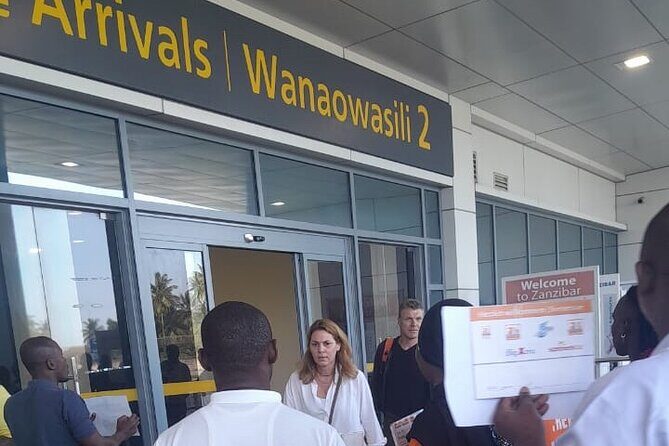
One practical detail I like here: the driver is set up to find you. They’ll wait in the lobby 15 minutes before your tour starts, holding a sign with your names. That reduces the annoying “where are they?” scramble that can happen in bigger cities.
A few more Morogoro Region tours and experiences worth a look
Day 1 in plain terms: Masai tour with real-life context
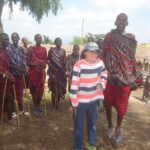
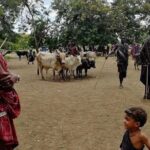
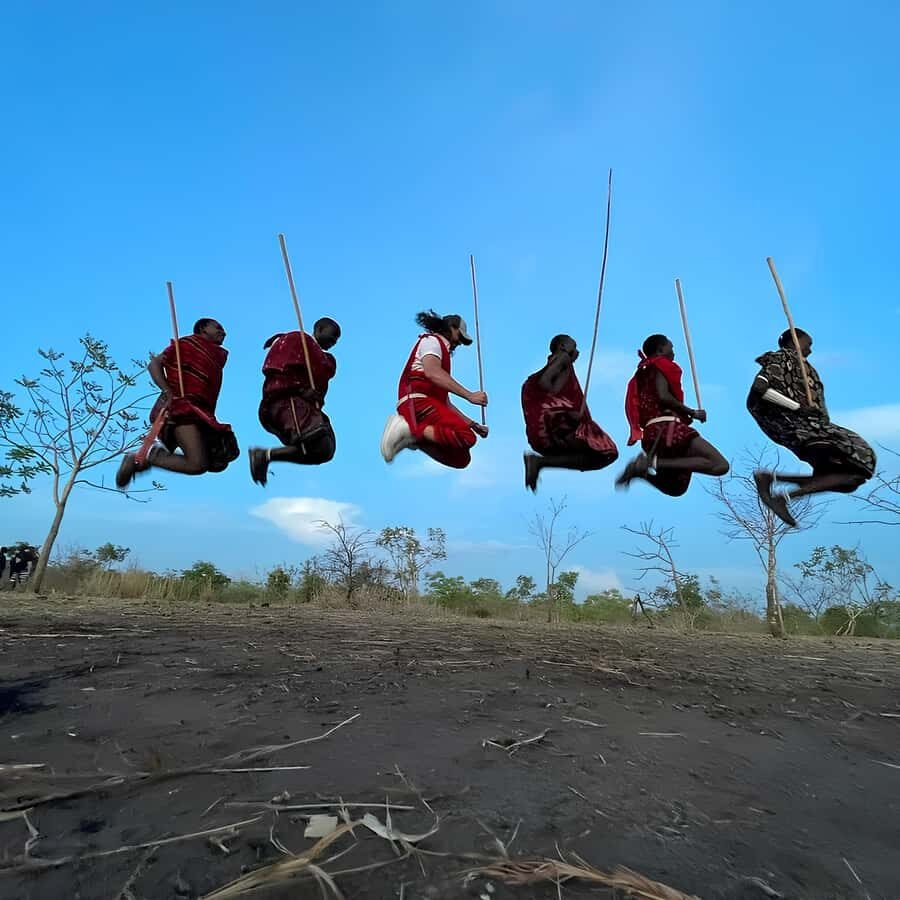
Day 1 is essentially your culture introduction, done in a way that tries to explain the why behind the customs. Instead of only seeing traditional scenes, you’ll interact with Masai cultural life and learn about their modern way of living through tradition and taboos that are still practiced.
Why this matters: safari tours can sometimes flatten cultures into a quick show. Here, the goal is to help you understand how culture guides everyday choices—what people observe, what they avoid, and how community rules show up in real life. That sort of context makes your interactions feel more grounded and less like a performance.
You’re also traveling with English support. The tour includes a live English guide plus an English audio guide, which helps you catch details that might otherwise slip by when you’re trying to look around at people, animals, and the setting all at once.
And while the exact guide can vary, this is the kind of trip where the guide makes a difference. Names shared for this experience include Tony and Samwel. One guide was noted for making the explanation work well even with kids, while another was described as professional and friendly. Translation: you’ll want a guide who can pace the day, answer questions, and keep the stories clear.
Dinner and overnight at Bastian Camp close out the day. Full-board matters because after an arrival day and a cultural evening, you don’t want to think about logistics at all.
Day 2 Mikumi game drive: where the animals line up
Day 2 is the wildlife day, and it’s scheduled like a proper safari: early morning breakfast, then a full day of game viewing in Mikumi National Park. In practice, that early start is a big deal. Animals tend to be more active and more visible when the day begins fresh.
Mikumi is described as mostly Miombo woodland with gently rolling hills. That habitat mix affects what you’ll see. Woodland can create great spotting opportunities from the vehicle, especially when you have drivers who know where animals move and how to read the terrain.
You’ll also benefit from park structure. Mikumi includes several observation towers, letting you view the park in a wider sweep. From a tower, you’re not just scanning one direction—you can compare zones and spot movement or silhouettes that might be harder to catch from ground level. Then you can connect what you see from above with where you drive next.
The animals you’ll be looking for
This tour specifically sets your expectations for a wide range of sightings. You may see large mammals like:
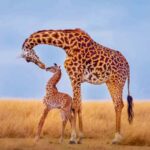
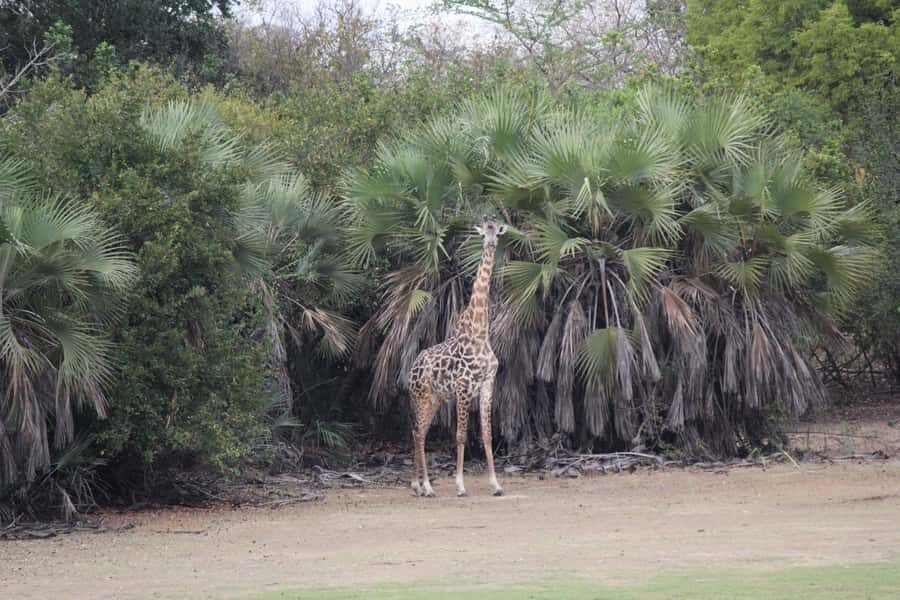
- Giraffes
- Buffaloes
- Elephants
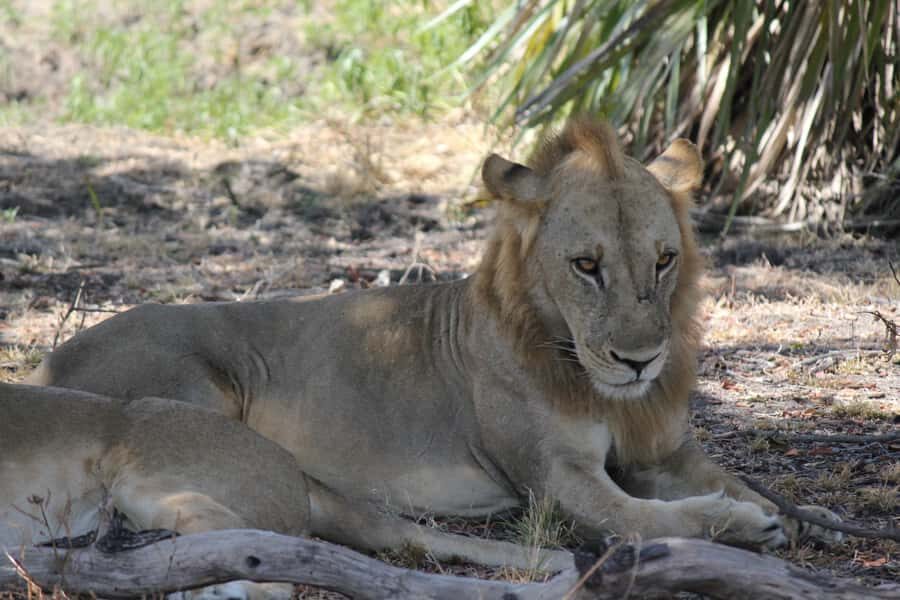
- Lions
- Leopards
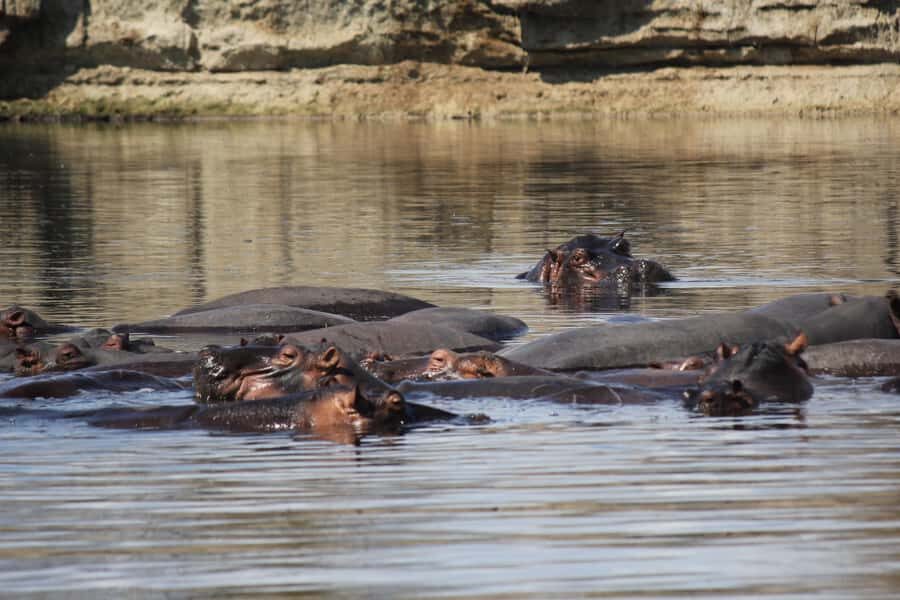
- Hippos (often linked with water areas)
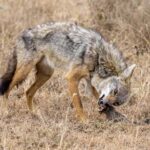
You may also encounter other wildlife such as zebras, wild dogs, python, hartebeest, wildebeest, impala, warthog, eland, and other antelopes.
Here’s the helpful way to think about that list: Mikumi is not only about one “moment.” You’re covering different micro-areas—woodland, open patches, and especially zones near water. That’s why lions and hippos are mentioned in connection with near water holes. If you’re someone who gets impatient waiting for one species, this itinerary is built to keep the day full.
Lunch and pacing
In the afternoon, there’s a stop for lunch, then you drive back to camp for dinner and overnight. That structure keeps the day from dragging too long in the vehicle. It’s also enough time to reset your eyes for late-day wildlife movement, when shadows change and animals can appear differently than in the morning.

Why Mikumi’s setting helps you actually see animals
Mikumi is positioned in southern Tanzania, sharing boundaries in the south with the Selous Game Reserve and the Kilombero Game Controlled Area. That context matters because it implies a larger ecosystem around the park. Even if you’re only visiting Mikumi, the movement of animals and the behavior of predators can be influenced by the bigger region.
The tour also hints at why Mikumi works for short safaris. The park’s mix of woodland and water areas supports a spread of species:
- Woodland areas can concentrate grazers and browsing animals.
- Water holes can become high-activity stages for predators and large herbivores.
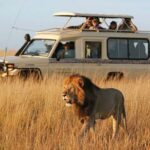
That’s where the driving strategy and viewing setup come in. You’re in an outfitted Land Cruiser with roof hatches, which makes scanning much easier. When you can see over the vehicle and angle your camera without fighting the vehicle roofline, spotting gets faster and photos get more predictable.
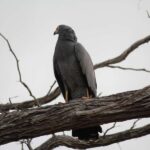
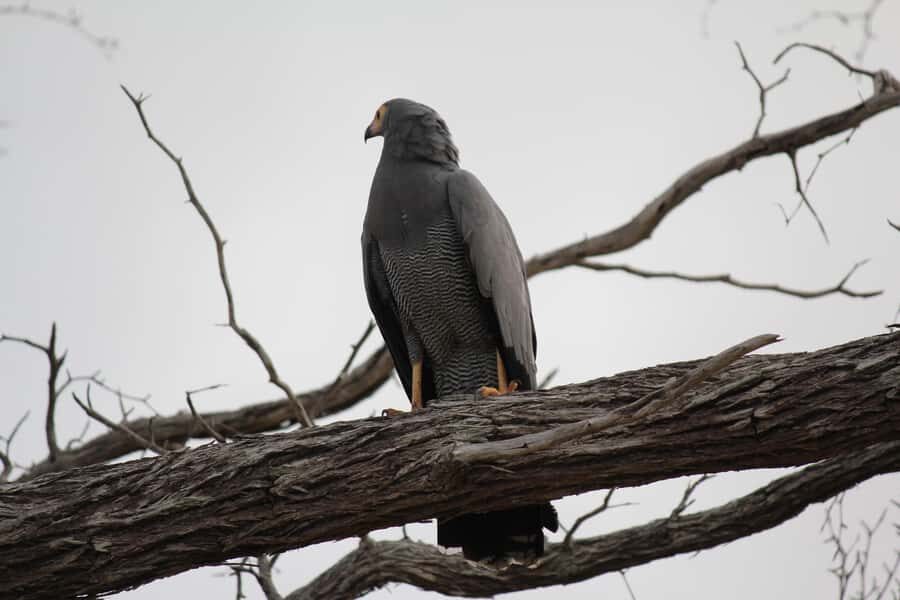
And yes, you should expect birds, too. Mikumi is noted for a wide variety of bird species, which is a nice bonus if you enjoy small details. If big mammals are your top goal, birds are still a good “filler” between sightings because they keep the day feeling alive even when the park is quiet.
What your $680 pays for and why it can be good value
The price is $680 per person for 3 days and 2 nights. On its face, that’s not a cheap safari. But look at what’s bundled, and it starts to make sense.
Included (the value core)
You’re getting:
- Park fees
- Hotel pickup and drop-off (Dar es Salaam)
- Masai tour
- Full-board accommodation
- Professional Tanzanian guide
- Outfitted Land Cruiser with roof hatches for game viewing and photos
- Unlimited mineral water
Those pieces usually cost real money when you price them separately. Park fees and a vehicle with proper viewing access are the big ones, and many short safaris feel expensive because they pack in those unavoidable costs. Here, the price also covers the culture component, plus meals via full-board—meaning you’re not forced to solve where to eat after every outing.
Not included (what you must plan)
Also pay attention to what’s not included:
- Tourist visas
- Insurance
- Alcoholic beverages unless prescribed
- Personal items
This matters for your budgeting. If you plan to drink alcohol on top of safari costs, you’ll want to account for that. And if you don’t already have insurance arranged, this listing won’t cover it.
A small booking comfort note: there’s free cancellation up to 24 hours and a reserve now & pay later option. Those don’t change the safari quality, but they reduce risk if your flights or plans wobble.
The comfort details that make or break the experience
Safari quality often comes down to small operational choices. This tour tries to keep those choices on your side.
- Unlimited mineral water: Hydration is not optional in the field. Having it included means you don’t manage cash or stop frequency during the day.
- Roof hatches: This is a practical photo upgrade, not a marketing gimmick. It helps with both spotting and framing.
- Full-board at Bastian Camp: You’re not juggling restaurants after game drives. You eat, sleep, repeat.
- Private group: You’re not stuck with a random mixed group vibe. That can be a big deal when you want questions answered at your pace.
The tour is listed with English support through both a live guide and an audio guide. If English is your comfort zone, that’s a real convenience, especially when you’re trying to understand cultural taboos and park behavior.
Who this tour suits best
This is a good fit if you want a two-part Tanzania experience without spending your whole time traveling.
You’ll likely enjoy it if you:
- Want both culture and wildlife in one short timeline
- Prefer a vehicle setup that helps you see and photograph animals
- Value a guide-led experience, including explanations in English
- Like structured days: morning start, afternoon break, evening wrap-up
It may not be a fit if:
- You’re using a wheelchair (it’s listed as not suitable)
- You’re pregnant (not suitable)
If you’re traveling with kids, the tour’s emphasis on an explaining guide is a positive sign. One experience highlighted a guide who kept kids interested while also ensuring animal sightings happened. That’s a good signal that the day isn’t just “drive and hope.”
Arrival, departure, and the timing you should expect
Day 3 is straightforward: after breakfast, you’re taken back to Dar es Salaam and dropped at your hotel or the airport. This matters because you get a clean exit from the safari rhythm. No extra overnight needed just to reorganize travel.
One thing to understand about the timing: the trip includes a lot of driving up front and then again for departure. So even though the safari is “only” three days, you’ll feel the road time.
Still, that trade-off is the point of this itinerary. You get to experience Mikumi and Masai life without turning Tanzania into a multi-week project.
Should you book this Masai and Mikumi tour?
I’d book it if you want a compact itinerary that gives you two very different Tanzania experiences: a Masai cultural evening with explanations, then full-on wildlife time in Mikumi. The value comes from the bundle: park fees, vehicle access with roof hatches, full-board accommodation, and trained guiding for both culture and game viewing.
Skip it (or reconsider) if you can’t handle long driving days, or if your mobility needs fall outside what the tour supports. And if your main goal is a deep, slow safari with minimal road time, then this format may feel rushed—because it’s built to be efficient.
If you want a trip that balances meaningful cultural learning and serious wildlife searching, this 3-day plan is a strong candidate.
FAQ
What time is pickup in Dar es Salaam?
Pickup is scheduled for 7:30am from your hotel.
How long is the drive from Dar es Salaam to Mikumi?
The drive is approximately 5 hours.
Where do I stay during the safari?
You’ll have dinner and overnight at Bastian Camp on both nights.
What wildlife can I expect to see in Mikumi?
The game drive may include lions, elephants, buffaloes, giraffes, zebras, and other animals such as leopards, hippos, wild dogs, and pythons.
What language is the guide?
The live tour guide and audio guide are both in English.
What should I bring?
Bring your passport and a camera.