REVIEW · MOSHI
Kilimanjaro Machame Route 6 Days
Book on Viator →Operated by Kilimanjaro Brothers · Bookable on Viator
Altitude meets comfort on the Machame route. This 6-day Machame Route climb from Moshi targets Uhuru Peak, with about 62 km (37 miles) gate-to-gate and five nights on the mountain.
I especially like two things. First, the practical safety layer: VHF handheld radios, emergency oxygen tanks, a pulse-oximeter, and even a Gamow Bag hyperbaric chamber. Second, the day-to-day comfort that keeps you moving: warm water for washing every day plus clean, purified drinking water and meals served in camp like someone planned for hungry humans.
The one drawback to plan for is that this is still serious trekking. Day 3 runs about 8–9 hours, and you’ll feel every altitude meter if you rush the pace.
In This Review
- Key Highlights Before You Lace Up
- Why the 6-Day Machame Route Works for First-Time Summit Seekers
- Day 1: Machame Gate to Machame Camp (Rain Forest, 11 km)
- Day 2: Machame Camp to Shira Camp Two (Low Alpine, 5 km)
- Day 3: Shira Camp 2 to Barranco Camp (The Long Day, 8–9 hours)
- Day 4: Barranco to Karanga Valley and On to Barafu (High Alpine Prep)
- Day 5: Summit to Uhuru Peak (5,895 m) and Down to Mweka Camp
- Day 6: Mweka Camp to Mweka Gate (Rain Forest) + Certificate Celebration
- Safety, Communication, and Medical Readiness (What Included Really Means)
- Food, Tents, and Porter Help: Comfort That Protects Your Energy
- Guides, Team Size, and How the Experience Feels on the Ground
- Price and Value: Is $2,326.61 Worth It?
- Who Should Choose This Machame 6-Day Climb
- Should You Book Kilimanjaro Brothers for the Machame 6-Day Climb?
- FAQ
- What is the route for this 6-day climb?
- How long is the trek?
- How far will I walk on the mountain?
- What is the highest point you reach?
- How long is the longest hiking day?
- What safety and medical items are included?
- Are meals included during the climb?
- Where do I stay before and after the trek?
- What is not included in the price?
- Can I cancel for free?
Key Highlights Before You Lace Up
- Machame in 6 days (five nights) for acclimatization: long enough to adjust, not so long that you lose a week to walking.
- Safety and comms that aren’t afterthoughts: oxygen tanks, a Gamow Bag, rescue fees, VHF radios, and oxygen monitoring.
- Guides who are known by name: past climbs cite guides Mawra and Samson as especially professional on the summit day.
- Camp comfort basics are included: warm water washing, purified drinking water, cold-weather sleeping mats, and proper mess setup.
- Porter support for the summit push: you get help carrying your day-pack during the critical attempt.
Why the 6-Day Machame Route Works for First-Time Summit Seekers
The Machame Route is one of Kilimanjaro’s classic paths, and this 6-day timing is built around the simple idea that your body needs time to adjust. You’re looking at roughly 62 km (37 miles) from gate to gate, spread across five nights on the mountain. That matters because you’ll be climbing in chunks, not doing one giant staircase of suffering all at once.
This climb is geared toward people with moderate-to-good fitness and some hiking experience, but it’s also something first-time trekkers can take on successfully when they keep a steady pace. The altitude is the real boss here, not the mileage. So if you’re disciplined about walking slower than you want to, you’ll usually do better than the person who sprints ahead on day one.
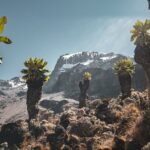
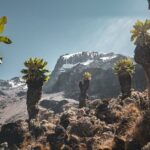
One smart detail is how the route changes altitude zones as you go: rain forest, low alpine, high alpine, and then the glacial zone near the top. That progression gives you a gradual feel for what altitude does to breathing and how your body responds at different heights. It’s not painless, but it is structured.
And if you care about the practical side, the inclusion list is strong: you’re not just paying for a badge and a view. You’re getting safety gear, daily camp support, meals, and camp comfort items that reduce the little stressors that sap energy.
A few more Moshi tours and experiences worth a look
Day 1: Machame Gate to Machame Camp (Rain Forest, 11 km)
Day 1 starts at Machame Gate at 1,640 meters (5,380 ft). You drive from Moshi and then head into the forested start of the route. Expect rain forest hiking with thick air at lower altitude and a climb that’s more about getting your rhythm than crushing distance.
You’ll walk about 11 km (7 miles) and plan for roughly 5–6 hours. You climb up to Machame Camp / Machame hut at around 2,850 meters (9,350 ft). That first day is a good warm-up for lungs and legs, but it also sets the tone: even early on, Kilimanjaro makes you respect your pace.
The benefit of this start is that your effort feels manageable compared with later days. The challenge is the weather. In rain forest, conditions can be damp. So you’ll want to treat Day 1 like a training session for consistency, not a race.
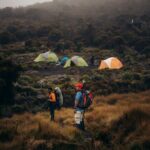
What I like here is the camp groundwork. The plan includes waterproof tents for the climb and crew tents, plus cold-weather sleeping mats. You’ll still feel tired at night, but you won’t be scrambling for basic shelter comfort.
Day 2: Machame Camp to Shira Camp Two (Low Alpine, 5 km)
Day 2 is much shorter on paper: about 5 km (3 miles) with roughly 5–6 hours of hiking. You move from Machame Camp up to Shira Camp Two at about 3,810 meters (12,500 ft). It’s a big altitude jump for the distance, which means the climb will test you even if it doesn’t look long.
The route sits in the low alpine zone. That’s when air starts feeling thinner and your body asks for slower movement. This is also where “I feel fine” can turn into “why am I breathless?” if you go too hard. Keep your pace calm and controlled.
A key value of this day is the acclimatization logic: you gain height without doing a brutal long-hours grind. The goal is to help your body adjust, even if the legs feel okay and you want to speed up.
Your support system helps here too. The included plan includes clean purified water and large portions of fresh, healthy food. When your appetite is weird because of altitude, having proper camp meals matters more than you think.
Day 3: Shira Camp 2 to Barranco Camp (The Long Day, 8–9 hours)
Day 3 is the heavy hitter: about 10 km (6 miles) and roughly 8–9 hours of hiking. You go from Shira Camp Two to Barranco Camp. The zone shift is described as low alpine to high alpine, which fits what most people feel around this time—less humid air, colder temperatures, and your breathing taking on a new rhythm.
This day can feel long because it asks for effort late in the trip. If you’re already tired, 8–9 hours doesn’t sound fun. But it’s also a useful reality check: you’re here to climb safely, not to win the day.
What helps is that the route alternates pressure. You’re not just going straight up toward the summit every day. Later days include a mix of climbing and repositioning to set you up for the summit push.
One comfort advantage: the climb includes warm water for washing every day. When you’re cold and tired, a wash station isn’t luxury. It reduces the discomfort that makes it harder to sleep, and better sleep supports better altitude performance.
Day 4: Barranco to Karanga Valley and On to Barafu (High Alpine Prep)
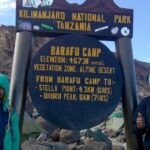
Day 4 is shorter in hiking hours, but it’s not a rest day. You hike from Barranco Camp toward Karanga Valley Camp at about 3,995 meters (13,106 ft) after lunch, then continue from Karanga Valley to Barafu at around 4,673 meters (15,331 ft).
The plan lists about 4–5 hours total, with about 4 km (2 miles) for that main segment. In practice, you’ll feel the climbing more than the distance suggests, because you’re moving through high alpine terrain where cold can hit hard and the air feels thin.
This day is all about preparation. Barafu is your staging area before the summit attempt. That means you’ll want to treat meals and hydration like mission-critical tasks. The plan includes all meals while on the mountain, and that consistency can help your energy management when you’re juggling cold, altitude, and the mental pressure of knowing tomorrow is the big one.
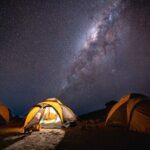
Also, you’re sleeping at significant height after Day 4, so your cold-weather gear and sleeping setup matter. The included cold-weather sleeping mats and warm camp arrangements help you handle the night.
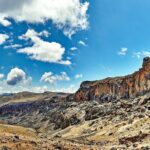
Day 5: Summit to Uhuru Peak (5,895 m) and Down to Mweka Camp
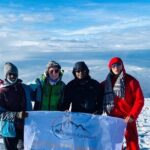
Day 5 is the day you came for: climb to Uhuru Peak at 5,895 meters (19,341 ft), then descend to Mweka Camp at about 10,000 ft. The hiking is listed at roughly 4–6 hours with a 12 km (7 miles) distance.
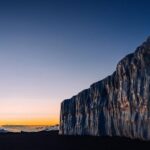
It’s a shorter day than the longer hours you’ve already walked, but it’s mentally demanding. Near the summit, the route is described as glacial zone and all preceding zones. That tells you the conditions can feel stark and cold. The goal is steady motion, disciplined pacing, and listening to your guide’s instructions.
The safety support here deserves its own spotlight. This tour includes emergency oxygen tanks and a pulse-oximeter for oxygen-level checks, plus a Gamow Bag hyperbaric chamber. You also get VHF handheld radios carried on each trek for communication. Even if you never need the emergency gear, having it built into the plan is a real comfort.
Guiding quality matters on summit night too. In provided feedback, guides such as Mawra and Samson are named for professional support on the summit day. That kind of on-the-ground competence can make a huge difference when you’re tired and your mind is negotiating with altitude.
Day 6: Mweka Camp to Mweka Gate (Rain Forest) + Certificate Celebration
Day 6 is a big emotional finish and a physical cooldown. You descend from Mweka Camp to Mweka Gate at about 1,640 meters (5,340 ft), with a walk of roughly 3–4 hours and a distance around 10 km (6 miles). The route moves back into rain forest zone, so the air and temperature can feel surprisingly different compared with summit altitudes.
After the walk, there’s a transfer back to the hotel. You also get a summit certificate and a celebration party, then an overnight stay at your previous hotel. That wrap-up is more than ceremony. It’s your moment to decompress, confirm you’re safely off the mountain, and swap stories with your team while your body catches up.
Safety, Communication, and Medical Readiness (What Included Really Means)
I love when safety is practical instead of vague. This plan includes several specific elements that tell you the company takes risk seriously.
- Emergency oxygen tanks are included.
- Gamow Bag (hyperbaric chamber) is included.
- A pulse-oximeter helps measure oxygen levels.
- VHF handheld radios are carried on each trek for communication.
- Rescue fees on the mountain are included.
Put together, this means your guides and crew aren’t guessing if something goes wrong. Communication tools and monitoring support faster decision-making, and rescue readiness is built into the package.
It also reduces the mental load for you. Altitude trekking already puts your mind on alert. When safety gear is part of the plan from the start, you can focus on the only job that matters: walking steadily and staying responsive to your body.
Food, Tents, and Porter Help: Comfort That Protects Your Energy
Kilimanjaro is a weird mix: you’re exercising hard, then resting hard, then doing both again at higher altitude. So camp comfort and meal structure can change your climb.
This plan includes all meals while on the mountain. You’ll get breakfast, lunch, and dinner, with large portions of fresh, healthy and nutritious food. That’s the practical side. The less-fun side is that at high altitude, you may not feel like eating much. Having consistent meals and proper portions helps you get fuel even when appetite is low.
Camp setup sounds basic until you’ve tried to eat outdoors in cold wind. Here, meals are served with aluminum dining tables and large aluminum chairs with backs and armrests. You’re not crouched on a rock. You can actually sit, eat, and warm up a bit.
Sleeping setup is also included with waterproof tents and cold-weather sleeping mats, plus a mess tent and crew tents. Warm water for washing every day is listed too. That matters because hygiene affects sleep comfort and how you feel the next morning.
And you get porter support for logistics. A porter carries your day-pack during the summit attempt. That means when the hardest part hits, you’re not hauling extra weight in the moments when your legs are already running on fumes.
Guides, Team Size, and How the Experience Feels on the Ground
This is listed as a private tour/activity, meaning only your group participates. That usually translates to less chaos and more focused attention, especially during summit push hours.
You also get experienced professional English speaking mountain guides. In feedback tied to this operator, guides like Samson and Mawra are mentioned for being supportive and professional, including the summit day. I treat that as a strong sign that the company puts effort into guidance quality, not just logistics.
The plan also mentions fair and ethical treatment of porters. That’s not a nice-to-have line; it affects the entire vibe of your team when you see porters treated properly and schedules handled fairly.
Price and Value: Is $2,326.61 Worth It?
At $2,326.61 per person, this isn’t a budget climb. But value is about what’s included, not just the headline number.
This price includes:
- All meals on the mountain
- Emergency oxygen tanks, Gamow Bag, pulse-oximeter, and VHF radios
- Warm water for washing daily and purified drinking water
- Rescue fees on the mountain
- Park entrance fees and government tax
- Two nights classic standard hotel accommodations before and after the trek (bed and breakfast)
- Arrival and departure transfers and all transportation in the destination area
- Professional English-speaking guides
- Porter support for your day-pack during the summit attempt
What’s not included is also important: tips, Tanzania visa on arrival, and personal expenses like laundry and phone use. Optional short safari tours after your climb are not included either.
So the value comes from coverage: safety gear, meals, park fees, and lodging are all folded into one package. If you’re the type who wants to reduce uncertainty—fewer vendors, fewer separate payments, fewer missing essentials—that bundling can be worth a lot.
Who Should Choose This Machame 6-Day Climb
This is a good fit if you want a well-structured climb with daily support and real safety gear, and you can commit to the physical demands. The plan specifically calls for moderate fitness, and it’s designed for physically fit trekkers with some hiking experience. Still, first-time trekkers can handle it when they move sensibly and follow guide instructions.
It’s also a strong choice if you prefer:
- A clear plan with set camp days and defined walking hours
- Focused team attention (private group)
- A safety-forward operator with oxygen and monitoring equipment
- Comfort basics that make nights easier than the usual nightmare version of camping
If you dislike cold weather, long days, and waiting your turn while your body adapts, you might want to rethink the timing or route. But if you can handle the real climb, this package is built to support you.
Should You Book Kilimanjaro Brothers for the Machame 6-Day Climb?
I’d book this climb if you want a 6-day Machame schedule with safety gear included, proper meal structure, daily warm water washing, and camp setups that reduce stress. The inclusion list is unusually strong for comfort and medical readiness, and the named guides in feedback suggest you’ll be in competent hands on summit day.
I would pause if you’re looking for an easy trek or a low-pressure experience. This route still demands endurance, especially around the longer walking day. You’re buying support and readiness, not a magic pass that removes altitude.
FAQ
What is the route for this 6-day climb?
It’s the Kilimanjaro Machame Route. The climb starts at Machame Gate and finishes at Mweka Gate, moving through camp areas like Machame Camp, Shira Camp Two, Barranco Camp, Karanga Valley Camp, Barafu, and then Mweka Camp.
How long is the trek?
The tour runs for 6 days (approx.), with about five nights on the mountain.
How far will I walk on the mountain?
The total distance covered is about 62 km (37 miles) from gate to gate.
What is the highest point you reach?
You reach Uhuru Peak at 5,895 meters (19,341 ft).
How long is the longest hiking day?
The longest day listed is Day 3, with about 8–9 hours of hiking.
What safety and medical items are included?
The package includes emergency oxygen tanks, Gamow Bag hyperbaric chamber, pulse-oximeter for oxygen level checks, VHF handheld radios for communication, and rescue fees on mountain.
Are meals included during the climb?
Yes. All meals while on the mountain are included, with breakfast, lunch, and dinner each day of the trek, plus large portions of food.
Where do I stay before and after the trek?
You get 2 nights in a classic standard hotel, one before and one after the climb, with bed and breakfast. After Day 6, you also transfer back to your hotel for an overnight stay at the previous hotel.
What is not included in the price?
Not included are tips, the Tanzania visa on arrival, personal expenses (like laundry and phone use), and optional tours such as a short safari after the climb.
Can I cancel for free?
Yes. Free cancellation is available if you cancel at least 24 hours before the experience’s start time for a full refund. If it’s canceled due to poor weather, you’ll be offered a different date or a full refund.