REVIEW · ARUSHA
Unforgettable 5 days Tanzania Private Budget Camping safari
Book on Viator →Operated by Tanzania Serengeti Safaris · Bookable on Viator
Five days, four parks, one big sky. This private budget camping safari in Tanzania is built around camping under the stars and getting you moving early out of Arusha, so you spend more time where the wildlife is and less time watching the clock. You’re also covering the big hits: Tarangire, the Serengeti, Ngorongoro Crater, and Lake Manyara, all in one efficient loop.
I like the wildlife mix this route gives you, from Serengeti game drives to the special shot at tree-climbing lions at Lake Manyara. One watch-out: because it’s a camping safari with full park days, expect long days and a more basic feel than lodge-style comfort.
In This Review
- Key highlights you’ll feel on the ground
- How this 5-day private budget camping safari in Tanzania really works
- Day 1 Tarangire National Park: baobabs, elephants, and that first campfire night
- Day 2 Serengeti afternoon game drive: plains views and migration timing
- Day 3 Serengeti sunrise drive and the road to Ngorongoro rim camping
- Day 4 Ngorongoro Crater full-day: the amphitheater day with rhinos on the radar
- Day 5 Lake Manyara: tree-climbing lions, birdlife, and back to Arusha
- Camping on safari: what you gain and what you trade
- Meals, timing, and park fees: what your money covers
- Maasai culture: meeting people, not just buying photos
- Who this safari suits best, and who should think twice
- Should you book this Tanzania private budget camping safari?
- FAQ
- What parks are included on this safari?
- How long is the Tanzania private budget camping safari?
- Where does the tour start and end?
- What time does the safari start?
- Is this tour private or shared?
- What meals are included?
- Are park admission tickets included?
- What’s not included in the price?
- Is the experience refundable or changeable after booking?
Key highlights you’ll feel on the ground
- Private group pace: only your party joins the safari, so the plan can feel more personal.
- Budget camping nights: you trade lodge comfort for a closer-to-nature vibe and campfire evenings.
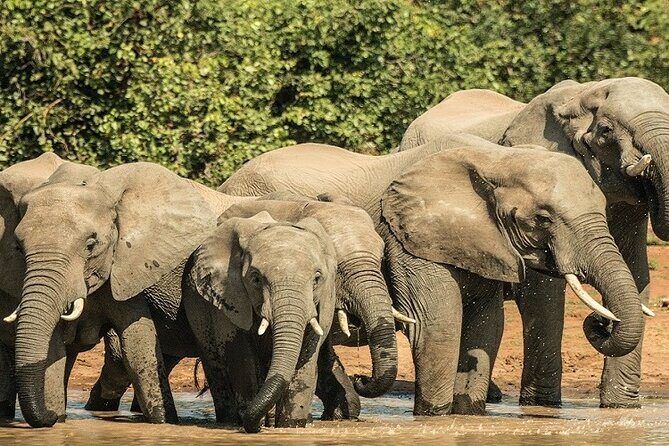
- Big parks in one circuit: Tarangire’s elephants, Serengeti’s plains, Ngorongoro’s crater density, Lake Manyara’s unique lions.
- Morning and afternoon rhythm: early game drives on key days plus afternoon drives when animals are active.
- Ngorongoro Crater full-day focus: you get a crater basin drive plus a picnic lunch in the crater.
- Optional Maasai cultural time: you can add a Maasai village visit for face-to-face cultural learning.
How this 5-day private budget camping safari in Tanzania really works
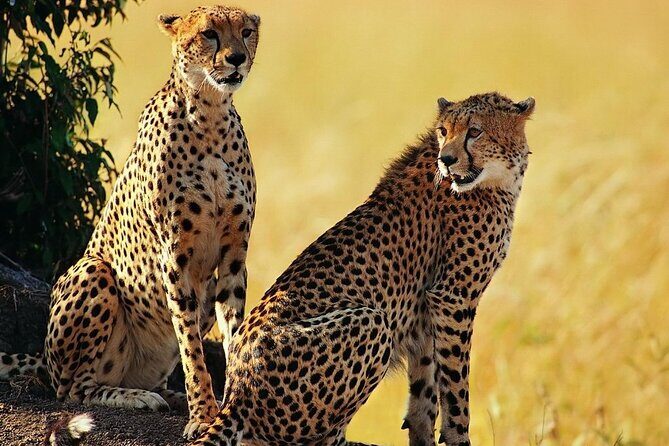
This is the kind of safari you choose when you want the real deal without a luxury price tag. The main idea is simple: you start in Arusha at 8:00am, then you cycle through four standout parks with a professional guide and a camping setup for your nights.
What makes it smart for value is how the days are structured. You’re not just doing one park well. You’re combining Tarangire + Serengeti + Ngorongoro Crater + Lake Manyara in about 5 days (approx.). That matters because wildlife behavior and scenery shift fast across Tanzania. If you only see one ecosystem, the safari can feel repetitive. Here, it changes every day.
You should also know what budget camping usually means in practice: you gain atmosphere and flexibility, but you give up some comfort and convenience compared with lodge safaris. If you’re the type who wants quiet, predictable amenities at night, this style may feel like a trade. If you’re good with a more rugged, outdoorsy rhythm, you’ll probably enjoy how close it feels to the night sounds and morning starts.
You can also read our reviews of more private tours in Arusha

Day 1 Tarangire National Park: baobabs, elephants, and that first campfire night
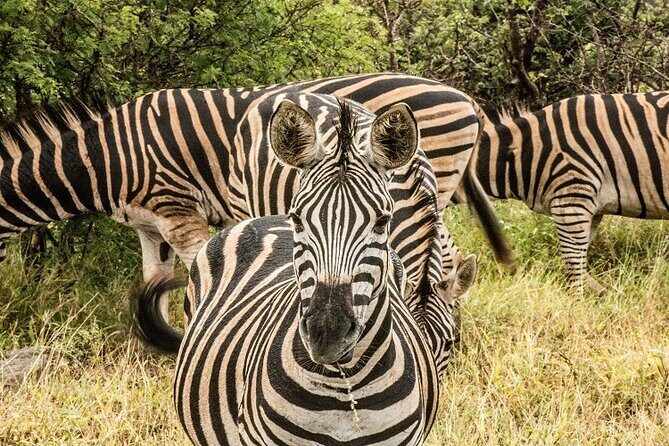
Tarangire National Park is a strong opener. It’s famous for the giant baobab trees, and the timing of the day helps you see them in that golden, low-sun light. Your day starts with an early departure from Arusha and then lands you in Tarangire for a game drive that’s planned around a 6-hour day.
The wildlife draw here is big. Tarangire is known for elephants, and on this kind of route you should go in expecting a decent chance of seeing them, along with a mix of other animals depending on where you find the action. Since your drive is in the park’s daytime hours, you’ll be setting your eyes on the kind of habitat elephants prefer: open areas and river zones.
Then comes the part that makes camping safaris memorable. As the sun sets, you head back to your budget campsite for dinner and time around the campfire. Even if you’ve done safaris before, that first night tends to reset expectations. You’re not waiting for a show. You’re living inside the safari day.
Practical note: on Day 1 you’re still getting used to the rhythm. Plan for a long first day in a good way, but don’t schedule anything heavy for travel the same calendar day before pickup.
Day 2 Serengeti afternoon game drive: plains views and migration timing
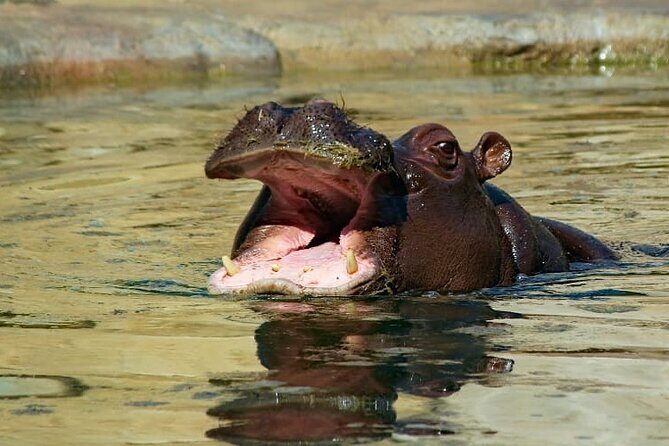
On Day 2, you shift from Tarangire into the Serengeti National Park. The day is again built around a 6-hour safari-focused schedule, and the drive lands you in the Serengeti in the afternoon so you can do a game drive right away.
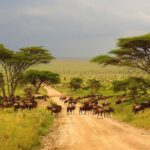
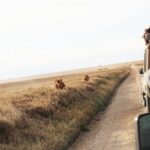
This is one of the best strategies for first-time Serengeti visitors: you get the feeling of the open plains without starting your eyes too early in the trip. Serengeti is all about distance and scale, and the acacia-studded plains plus huge visibility makes it easier to see where animals are moving.
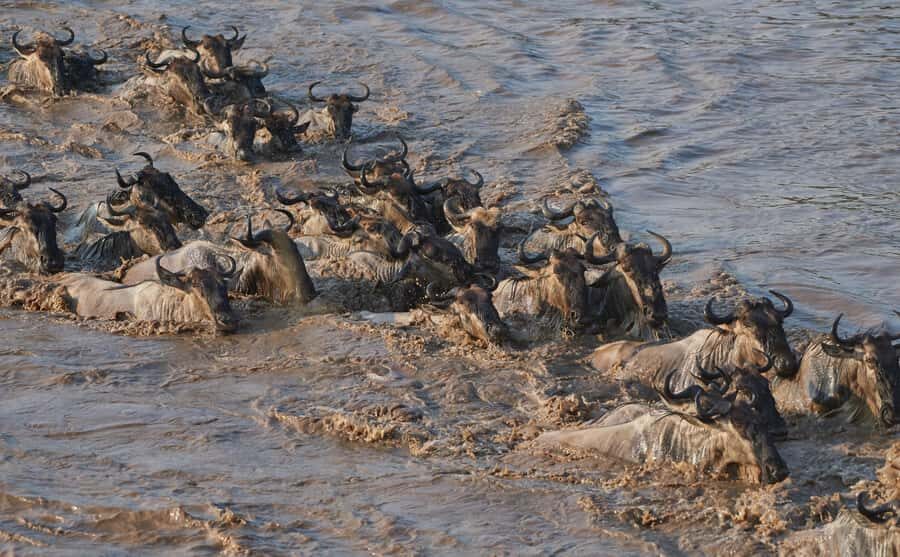
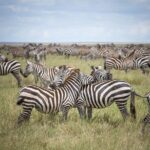
The Great Migration angle is included, but with one important reality check: it’s seasonal. That means you’re not guaranteed a specific moment of wildebeest and zebra movement. What you are guaranteed is the Serengeti experience: wide views, a good chance at predators, and a strong probability of seeing the kinds of herds that make the migration famous.
Even better, your budget campsite gives you a front-row seat to the Serengeti night sounds. Day 2 tends to feel like the “wow, we’re really here” day. After you’ve seen the plains during the drive, you’ll notice how quickly the animal sightings change once light drops.
Day 3 Serengeti sunrise drive and the road to Ngorongoro rim camping
Day 3 starts early. You wake up in the Serengeti and go for an early morning game drive, which is often when animals are most active and photographers tend to find clearer light. The day is scheduled around 8 hours, and you then travel onward through the Rift Valley region toward Ngorongoro Conservation Area.
This is the day where your safari shifts from “plains energy” to “crater anticipation.” The drive gives you the sense of traveling across Tanzania’s big environmental changes. Then you arrive at your budget campsite on the crater rim, with views that remind you Ngorongoro is not just another park.
That evening is spent anticipating the crater day. This part matters more than it sounds. Ngorongoro is a high-density, high-expectation destination. If you arrive already rested and ready, you’ll get more out of the descent and the full-day drive.
If you’re sensitive to long days or prefer a slower pace, keep in mind this is your second consecutive day with a game drive emphasis. The trip is efficient, and the schedule reflects that.
Day 4 Ngorongoro Crater full-day: the amphitheater day with rhinos on the radar
This is your biggest single-day wildlife focus. Ngorongoro Crater is a UNESCO-listed area and described as a natural amphitheater with dense wildlife populations. You spend the day exploring the crater, including a full-day game drive inside the crater basin.
The key difference here is concentration. Instead of chasing spread-out herds across endless plains, you’re working within the crater’s bowl, where animals often cluster around available food and water. Your itinerary also includes a picnic lunch within the crater, which is a nice touch because you don’t lose hours to leaving the crater area.
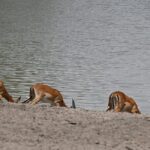
Wildlife you’re aiming for includes rhinos, wildebeest, and more. Rhinos are the headline species on many Ngorongoro itineraries, so this is the day you’ll hear the most excitement in your group if you’re with fellow safari fans.
The day is planned for about 8 hours, then you climb back out and return to your campsite on the rim. That last step out of the crater can feel like a reset. You’ve spent hours surrounded by animals and steep walls, and suddenly you’re back on the edge looking down at what you just experienced.
One consideration: because it’s a long day and a major bucket-list site, you’ll want to bring a flexible mindset. Even with good guiding, animal sightings depend on timing and where you find them.
A few more Arusha tours and experiences worth a look
Day 5 Lake Manyara: tree-climbing lions, birdlife, and back to Arusha
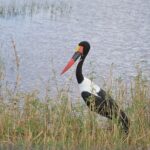
Your final day takes you to Lake Manyara National Park, a different mood from the Serengeti and Ngorongoro. It’s known for diverse birdlife and, most famously on this route, the chance at tree-climbing lions. That’s a rare behavior associated with this region, so it’s worth treating it as a special possibility rather than a guarantee.
The day is scheduled for about 8 hours. You’ll drive through varying park terrain, from woodlands to grassy areas, searching for resident wildlife. Depending on where the lions are active, your game drive could feel like a hunt with sudden payoff.
Then you bid farewell to Lake Manyara and return to Arusha. This is the closing arc that makes the whole safari feel complete: you’ve gone from Tarangire’s baobabs to Serengeti’s plains, down into Ngorongoro’s crater basin, and then out to a park where the wildlife story can look very different.
Camping on safari: what you gain and what you trade
Camping is the heart of this itinerary’s budget approach. It’s also where the trip feels most memorable, because you’re not just visiting nature. You’re staying in it.
Here’s the tradeoff I think you should understand clearly before booking:
- You gain atmosphere: camp dinners, nighttime sounds, and the feeling that the day’s wildlife drive continues into the evening.
- You trade comfort: compared with lodges, you’ll likely have fewer creature comforts and more “keep it simple” moments.
If you want a safari that feels like a nature outing first and a hotel stay second, this style fits nicely. If you’re the type who needs steady comfort after a long day, you may feel the camping difference more than you expect.
This is also why having a professional tour guide matters. On a camping safari, a guide’s pacing and decision-making can shape whether your days feel smooth or stressful.
Meals, timing, and park fees: what your money covers
This tour includes a guide and meals: 4 breakfasts, 5 lunches, and 4 dinners. It’s not just a checkbox list. Meal planning is part of how safari days stay energized. You’ll want to count on solid timing because game drives run on light and animal activity, not on when you feel like eating.
Park admissions are listed as free for most days, with Ngorongoro Crater specifically marked as included. In real life, you’ll usually appreciate having those big-ticket access items handled rather than chasing paperwork at the gate.
You’re also not paying extra just to get moving. Pickup is offered, and because it’s a private safari, your schedule is built for your group rather than squeezed into a shared route with strangers.
Now the value question: the price is $2,088.00 per person. For many travelers, that number can feel high or low depending on what it includes and what the alternative would cost you. In this case, you’re paying for multiple parks in a tight loop, plus a guide and most meal coverage, and you’re using a camping model that typically costs less than lodge-based versions. If you compare against lodge safaris that cover only one or two parks, this route often looks like a fair deal on paper.
Your budget should still include the items not covered: flights, tipping the crew, visas, and personal needs.
Maasai culture: meeting people, not just buying photos
Culture is a stated part of this safari through optional visits to Maasai villages. And the strongest signals from the Maasai-focused parts of similar experiences around this operator show a focus on real contact, not staged performance.
In the experiences people describe, the Maasai connection can feel uniquely personal. One guest talked about meeting Maasai at Olpopongi and described the experience as a long-time dream. Another mentioned Maasai hospitality and even referenced staying in a Maasai house as part of a Maasai-focused stay.
For you, the practical takeaway is this: don’t treat the village visit like a quick photo stop. Plan to ask questions about daily life, learn a bit of context, and respect boundaries. If the visit is optional, it’s usually worth saying yes if you want your safari to include more than animals.
Who this safari suits best, and who should think twice
This route fits best if you want:
- A private safari with an intimate feel (only your group)
- A budget camping approach that keeps costs down without skipping major parks
- Multiple wildlife environments in a compact time window
- A guide-led experience that reduces guesswork
It may not fit as well if you:
- Need lodge-level comfort every night
- Hate long drives and long days
- Want a rigid schedule with minimal surprises (camping travel has more day-to-day variability than fixed hotel routines)
Also think about your wildlife priorities. If your top goal is one specific moment, like a guaranteed migration scene, you’ll be taking a seasonal gamble. The route supports the migration possibility, but timing matters.
Should you book this Tanzania private budget camping safari?
If you’re aiming for a classic Tanzania safari circuit with strong variety, this is a compelling choice. The combination of Tarangire elephants, Serengeti plains and predator chances, Ngorongoro crater density, and Lake Manyara’s tree-climbing lion possibility creates a well-rounded trip that doesn’t rely on just one park.
Book it if you like the idea of camping and you’re excited by early starts and full days in the bush. Don’t book it if your idea of comfort is tied to lodge routines and you strongly dislike the camping style.
One last decision tool: if you’re also interested in the Maasai cultural component, confirm what’s included versus optional before you go. That way you can match the safari to what you actually want to experience.
FAQ
What parks are included on this safari?
The route covers Tarangire National Park, Serengeti National Park, Ngorongoro Crater (Ngorongoro Conservation Area), and Lake Manyara National Park.
How long is the Tanzania private budget camping safari?
It’s listed as 5 days (approx.).
Where does the tour start and end?
It starts in Arusha, Tanzania, and ends back at the meeting point in Arusha.
What time does the safari start?
The start time is 8:00am.
Is this tour private or shared?
It’s a private tour/activity, meaning only your group participates.
What meals are included?
The package lists 4 breakfasts, 5 lunches, and 4 dinners.
Are park admission tickets included?
Admission is listed as free for Tarangire, Serengeti, and Lake Manyara days, and Ngorongoro Crater is marked as included.
What’s not included in the price?
Not included are flights, tipping the crew, visas, and personal needs.
Is the experience refundable or changeable after booking?
No. The experience is non-refundable and cannot be changed for any reason.