REVIEW · MOSHI
Kilimanjaro Lemosho Route 7 Days
Book on Viator →Operated by Kilimanjaro Brothers · Bookable on Viator
Kilimanjaro feels big right away. This 7-day Lemosho Route keeps your first hiking days calmer, then pushes you toward Shira, Barranco, and on to Uhuru Peak, with camping and real altitude life.
I really like the way this trip is set up for practical success: your group gets experienced English-speaking mountain guides (names like Joseph and Ibi show up in past group stories), and the schedule is built around acclimatization rather than rushing.
In This Review
- Meal support and “you’ll be okay” mountain safety
- The vibe of the Lemosho Route on 7 days
- Key things I’d bet on before you book
- Price and what you’re actually buying for $2,669.88
- Moshi logistics: transfers that reduce pre-climb stress
- Day 1: Londorossi Park Gate to Mti Mkubwa Camp
- Day 2: Shira highlands and the camp-to-camp acclimatization rhythm
- Day 3: Shira Camp 2 to Barranco Camp
- Day 4: Barranco to Karanga Valley Camp
- Day 5: Karanga Valley to Barafu Camp
- Day 6: The summit push to Uhuru Peak, then down to Mweka
- Day 7: Mweka Gate descent and your summit ceremony
- Camping setup details that make the trek feel more manageable
- Food on Kilimanjaro: why this camp meals plan matters
- The guides and porter approach: safety, fairness, and teamwork
- Who this tour fits best
- Should you book Kilimanjaro Lemosho Route 7 Days?
- FAQ
- How long is the Kilimanjaro Lemosho Route on this tour?
- What route does the climb follow?
- Is pickup offered in Moshi?
- What safety and medical equipment is included?
- What does the tour include for food and water?
- Is camping gear provided?
- What is not included in the price?
Meal support and “you’ll be okay” mountain safety
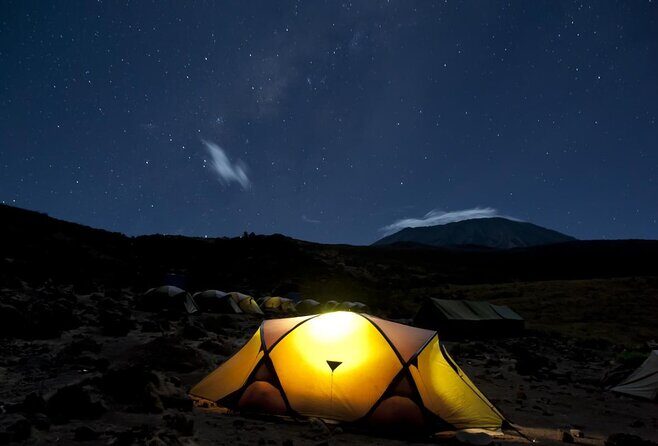
Two things I also love here are the comfort basics and the safety net. You get all meals on the mountain (fresh, healthy, nutritious food that’s clearly meant to keep you fueled), plus purified water and warm washing water so day-to-day life at camp isn’t miserable.
The other big plus is the gear: VHF radios, emergency oxygen tanks, a Gamow bag, a pulse-oximeter, and a team prepared for mountain emergencies. One possible drawback: this is still serious altitude work—some days are long (including a very early summit push), and you should be in at least moderate physical shape.
The vibe of the Lemosho Route on 7 days
Lemosho is known for giving you a steadier path to acclimatize, and this 7-day version leans into that. The first couple of days are quieter than many routes, so you can focus on breathing, pacing, and soaking in the changes in vegetation as you climb.
You’ll be camping much of the way. That’s part of the value: you aren’t just “touring” Kilimanjaro—you’re living it, sleeping at altitude with waterproof tents, sleeping mats, and camp lighting that’s actually functional (LED lights).
You’ll also get a hotel stay before and after, so you can sleep like a human when it matters. Between the edge-of-trek comfort nights and the mountain logistics, you spend less time juggling details and more time thinking about the mountain.
A few more Moshi tours and experiences worth a look
Key things I’d bet on before you book
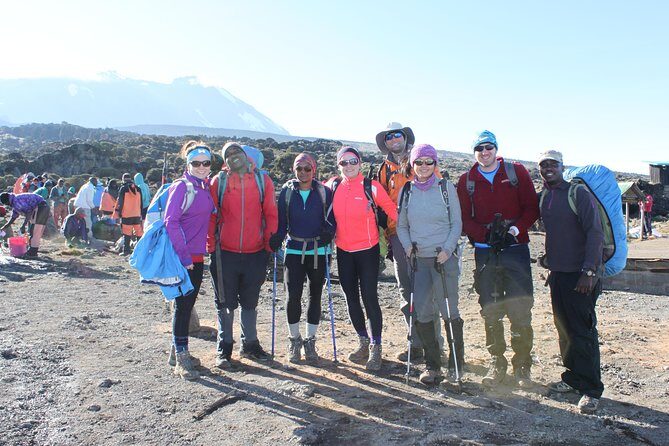
- Quieter early days on Lemosho so you’re not hiking in a constant crowd
- Safety gear that’s more than a slogan, including VHF radios, emergency oxygen, and a Gamow bag
- Full mountain meal plan built around keeping you fueled for altitude work
- Warm washing water and purified drinking water, plus waterproof camping setup
- Porter support during the summit attempt, including carrying your day-pack
Price and what you’re actually buying for $2,669.88
At $2,669.88 per person, this isn’t a bargain-basement climb. What makes it feel more reasonable is what’s included, not just the mountain itself.
You’re paying for a lot of real costs that many cheaper offers try to shift onto you later: professional guides, porter labor (including summit-day day-pack carry), rescue fees on the mountain, park entrance fees, all government tax, and a full food and water setup.
You’re also paying for safety equipment and preparedness—emergency oxygen tanks, VHF radios for communication, and a Gamow bag for altitude emergencies. That stuff costs money and weight, and it’s not always included on every package.
What’s not included is also clear: tips, your Tanzania visa on arrival, and personal expenses. You’ll want to budget for those separately so you don’t get surprised at the end.
For me, the best value angle here is that it’s a private tour (only your group). That matters on Kilimanjaro, where pacing and communication are everything. If you want your own rhythm without other groups squeezing your plan, this format helps.
Moshi logistics: transfers that reduce pre-climb stress
This trip is based out of Moshi, and you get arrival and departure transfers. That sounds basic, but in practice it helps you arrive without a chaos spiral—especially the first day, when you’ll likely be tired from travel and just trying to get your head on straight.
You also get hotel accommodations on both sides of the hike. That’s valuable because Kilimanjaro prep is partly physical and partly mental. Having a proper place to sleep before you start keeps you from using your first “training day” as a recovery day.
And when you finish, you transfer back to your previous hotel for your certificate and summit party ceremony. Again, it’s about reducing friction. You finish, you celebrate, and you don’t immediately get sucked into paperwork.
Day 1: Londorossi Park Gate to Mti Mkubwa Camp
Your climb begins with a drive to Londorossi Park Gate (2,385m / 7,825 ft). From there, you hike about 8 km (around 5 miles) to Mti Mkubwa Camp (2,700m).
This first day is a tune-up. You’re not trying to win speed records. You’re setting a pace you can hold—slow enough to keep your breathing under control, steady enough to feel like you’re actually climbing.
You’ll have camp setup support along the way: waterproof tents and sleeping mats, plus LED lights. That’s the difference between camping that feels manageable and camping that feels like punishment.
Day 2: Shira highlands and the camp-to-camp acclimatization rhythm
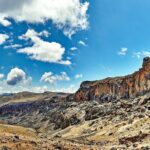
Day two is where the Lemosho Route starts to feel like altitude travel, not just a hike. You move from Mti Mkubwa up into the Shira area—reaching Shira Camp 1 (3,500m) and continuing to Shira Camp 2 (3,840m).
The distances are short by Kilimanjaro standards, but the day is designed for gradual exposure. Total walking time is roughly 5–6 hours plus additional camp movement, and you’ll likely feel it even when the map distance looks modest.
This is a good day to respect the fundamentals:
- take breaks before you’re desperate
- drink water consistently (you’ll have purified drinking water)
- eat even when you don’t feel like eating (food here is fuel)
The upside of this climb style is mental. When you know day two is about acclimatization, you’re less likely to overdo it and pay later.
Day 3: Shira Camp 2 to Barranco Camp
On day three, you hike from Shira Camp 2 (3,840m) to Barranco Camp (3,950m) over about 8 km (around 5 miles), with 6–7 hours of walking time.
Barranco is a turning point on many Kilimanjaro routes because the terrain starts to feel more rugged. You’ll also start to notice how quickly the day can switch from “walking” to “working,” especially when your breathing rate rises.
This is also a day where you’ll appreciate the included camp basics: warm washing water, a camp toilet setup (including a portable flash toilet), and lighting that doesn’t leave you wandering in the dark.
Small comforts matter more at altitude than you expect. They keep you from losing time and energy to basic issues.
Day 4: Barranco to Karanga Valley Camp
Day four is shorter—about 5 km (around 3 miles)—from Barranco Camp to Karanga Valley Camp (3,995m) in roughly 4–5 hours.
Shorter days can feel like a gift, but they’re also tactical. You’re building acclimatization while conserving energy for what’s coming next.
Karanga Valley tends to be a place where you settle into camp routines: checking how you feel, focusing on hydration, and making sure you’re taking in enough calories. On Kilimanjaro, your “strength” is often just good nutrition and smart pacing.
Day 5: Karanga Valley to Barafu Camp
Day five takes you up to Barafu Camp (4,550m) from Karanga Valley. Expect around 4 km (about 2 miles) and 4–5 hours of walking time.
Even with the short distance, Barafu is high, and you’re still building toward the summit day effort. This is the day where you should treat your body like it’s part of the gear system.
If you start feeling weird or unusually exhausted, you don’t push through it blindly. You adjust pace, slow down, and communicate with your guide team. The presence of a pulse-oximeter and oxygen readiness reflects that they’re thinking about health management, not just logistics.
At camp, this is also when warm washing and a functioning toilet setup become real morale boosts. You want to feel human before a night that may be long.
Day 6: The summit push to Uhuru Peak, then down to Mweka
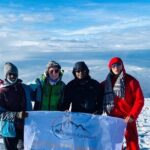
This is the day everyone talks about, and it’s the day that earns the money. Day six starts with the climb to Uhuru Peak (5,895m)—about 7–8 hours and roughly 5 km of ascent—followed by descent.
After summiting, you go down through Barafu for a short rest, then continue to Mweka Camp (3,060m), typically 4–5 hours and about 12 km.
That descent is dramatic. You may feel relief in your body and gratitude in your head, but you’ll still need to watch your footing and not turn it into a “speed day.” Kilimanjaro downhill can be brutal on knees and ankles.
This is also where your team support shows up:
- porters carry your day-pack during the summit attempt
- camp setup and lighting are handled
- the safety system (VHF radios, oxygen tanks, Gamow bag) is there if needed
If you want one practical tip: slow down at the start of the summit hike. The best way to protect summit chances is to avoid early overexertion. The altitude doesn’t care that you’re motivated.
Day 7: Mweka Gate descent and your summit ceremony
Your final day is the walk to Mweka Gate (4,600m), about 4 km (around 2 miles) and roughly 4–5 hours, then a transfer back for your certificate and summit party ceremony.
This day is a mix of satisfaction and physical clean-up. You’ll probably feel tired, and that’s normal. Your goal is to finish safely, not to chase a final pace.
You’ll also likely appreciate the included “after” structure. When the mountain ends, your logistics don’t need to multiply.
Camping setup details that make the trek feel more manageable
On Kilimanjaro, the way a company handles camp can decide whether the days feel hard or miserable.
Here’s what stands out in this package:
- Waterproof tents and sleeping mats
- High powered solar LED lights
- Toilet tents plus a portable flash toilet
- Warm washing water each day
- Purified drinking water
None of this makes the summit day easy. But it does make the in-between easier: you’ll conserve energy, sleep better (or at least sleep with less suffering), and keep your routine steady.
It’s also smart that they provide tools tied to health monitoring: a pulse-oximeter helps measure oxygen level, which supports guide decision-making.
Food on Kilimanjaro: why this camp meals plan matters
Food is one of the biggest differences between a trek that feels doable and one that feels like you’re constantly dragging yourself.
This climb includes all meals on the mountain: breakfast, lunch, and dinner every day. Meals are described as fresh, healthy, and nutritious, and the emphasis is clearly on carbohydrates and balanced fuel.
You’re also covered for washing water and purified drinking water, which helps you stay hydrated without playing guessing games.
One more detail I liked: vegetarian-friendly options and even special meal support are mentioned through customer stories (including vegan/vegetarian and accommodations for certain dietary needs). If you have dietary restrictions, you should confirm details during booking, but it’s a good sign that the team thinks about food variety.
The guides and porter approach: safety, fairness, and teamwork
Every Kilimanjaro plan depends on teamwork on the mountain. You need guides to manage pacing and health, and you need porters to move gear so you’re not carrying more than you should.
This package includes:
- experienced professional English-speaking mountain guides
- fair and ethical treatment of porters
- a porter to carry your day-pack during the summit attempt
- VHF radios for communication across the trek
And from the feedback patterns, guide support is often where people feel the difference. Names like Joseph, Eli, Paul, and Ibi show up alongside praise for professionalism and attentiveness. You’ll still get the mountain regardless, but a good team changes how the mountain feels.
Who this tour fits best
This is a great fit if you:
- want a quieter start on the Lemosho Route
- prefer private group pacing
- value strong mountain safety resources
- want meals and camp comfort handled for you
It may be less ideal if you:
- want a very fast, bare-minimum hike (this plan includes camping, food, and a health-focused pace)
- aren’t comfortable with the summit-day schedule and long hours
- have very limited mobility, since the terrain changes and altitude still matters
Should you book Kilimanjaro Lemosho Route 7 Days?
If your priority is a structured, safety-minded climb with full support—guides, radios, oxygen readiness, a functioning camp setup, and real meals—I’d say this is worth serious consideration.
Before you commit, do one honest check: you’re willing to do the summit-day grind and you’re prepared for the altitude reality. If you can do that, this plan has the ingredients that help you finish with your head clear and your body intact.
FAQ
How long is the Kilimanjaro Lemosho Route on this tour?
The tour runs for about 7 days, including the ascent, camping nights, summit day, and the descent to Mweka Gate.
What route does the climb follow?
It’s the Kilimanjaro Lemosho Route, starting with a drive to Londorossi Park Gate and moving through camps such as Mti Mkubwa, Shira, Barranco, Karanga Valley, Barafu, and then down to Mweka Camp and Mweka Gate.
Is pickup offered in Moshi?
Yes. Arrival and departure transfers are included, and the tour offers pickup.
What safety and medical equipment is included?
Included items are emergency oxygen tanks, VHF handheld radios carried on each trek, a Gamow Bag, and a pulse-oximeter to measure oxygen level. Rescue fees on the mountain are also included.
What does the tour include for food and water?
All meals while on the mountain are included (breakfast, lunch, and dinner each day). You also get clean, purified drinking water plus warm washing water each day.
Is camping gear provided?
Yes. The package includes waterproof tents, sleeping mats, LED lights, and toilet tents. A portable personal flash toilet is also provided.
What is not included in the price?
Not included are tips, Tanzania visa on arrival, and personal expenses like laundry, telephone, and beverages, plus optional tours (such as a short safari after your climb).
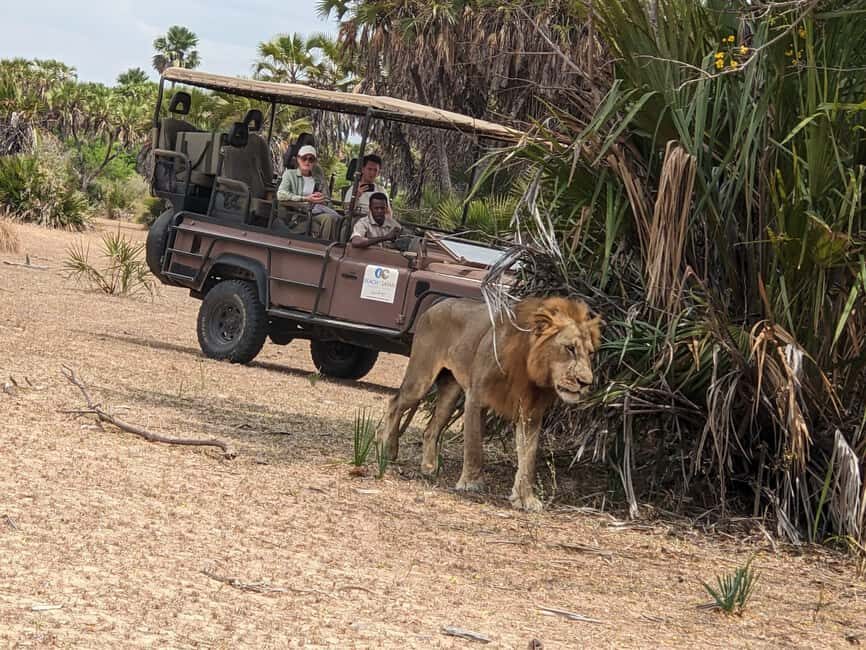
![3 Days Nyerere NP [Selous GR] Game, Walking and Boat - Day 2 full-day game drive: big mammals and serious bird time](https://i.exploringtanzania.com/wp-content/uploads/3-days-nyerere-np-selous-gr-game-walking-and-boat.jpg)