REVIEW · SERENGETI NATIONAL PARK
4 Days Tarangire, Serengeti, Ngorongoro Group Camping Safari
Book on GetYourGuide →Operated by Suricata Safaris Ltd · Bookable on GetYourGuide
Elephants set the tone for this safari. I love the chance to watch Tarangire elephant herds against the famous baobabs, and I also like that the trip ends each day with real camping under the stars instead of rushing hotels. One thing to weigh: the 4×4 rides can be bumpy, and if you have a sensitive back, comfort planning matters. I’ve seen the trip run with friendly guides like Steve and Anthony, and both styles kept the game drives focused and upbeat.
You’ll move in a simple, logical loop: Tarangire for elephants, Serengeti for big-plains action (including the Great Migration story), then Ngorongoro Crater for dense wildlife viewing from a volcanic caldera. That structure is what makes this short 4-day format feel complete, not cramped.
In This Review
- Quick Take: What Makes This Camping Safari Feel Worth It
- Tarangire National Park: Elephant Herds and Baobab Perches
- Serengeti National Park: Big Plains, Predators, and the Migration Promise
- Ngorongoro Crater: UNESCO Wildlife Viewing From a Volcanic Caldera
- Camping Under the Stars: The Real Safari Rhythm
- Your Guide and the Small-Group Advantage (Steve, Anthony, and More)
- Value for $1,150: What You Actually Get (and Why It Matters)
- What You Can and Can’t Do Around Wildlife
- Packing for Cold Nights, Dusty Drives, and Mosquitoes
- Who This Safari Suits Best (and Who Should Rethink It)
- Should You Book This Tarangire–Serengeti–Ngorongoro Camping Safari?
- FAQ
- How long is the camping safari?
- Where does the safari travel during the 4 days?
- Is the group size small?
- What is included in the price?
- What should I wear and pack for temperatures?
- Is there a luggage limit?
- Are binoculars provided?
Quick Take: What Makes This Camping Safari Feel Worth It
- Tarangire elephants and baobabs: First-day wildlife is a strong hook, not a warm-up.
- Serengeti sunrise game drive: You start early to catch predators active on the plains.
- Ngorongoro Crater day: A UNESCO World Heritage site with wildlife concentrations.
- Small group size (max 6): More eyes for spotting and less crowding on wildlife viewpoints.
- Camping with meals included: You stay in the wild rhythm, not just “visit” it.
- English-speaking guides: Clear explanations make sightings easier to understand in real time.
Tarangire National Park: Elephant Herds and Baobab Perches
Your safari begins in Arusha, with an early departure into Tanzania’s safari country. The goal on Day 1 is straightforward: get you to Tarangire National Park while wildlife activity is still building and the light is good for scanning.
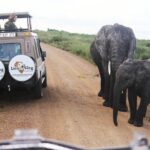
Tarangire is especially strong for elephants. You’re looking for large herds moving with purpose, often framed by the park’s signature baobab trees. Those trees aren’t just decoration. They help you understand the landscape of the park: water and feeding patterns tend to shape where you’ll see groups gathering and lingering. On an elephant day, it’s not only about “spotting something big.” It’s about watching behavior: how herds spread out, how smaller groups fall in behind, and how quickly the herd can change pace when something new appears.
After a morning game drive, you get lunch in the park area, then another drive in the afternoon. That second drive matters because Tarangire can shift as heat changes. If your eyes are still “tuning in” after the first sightings, the afternoon run often brings another chance to re-find action without rushing the day.
Then comes the best part for people who like the outdoors: you head to camp and sleep under the open night sky. Camping on Day 1 also helps you settle into safari mode. You’ll feel the difference between a short drive with windows up and a real night where sounds carry differently.
A few more Serengeti National Park tours and experiences worth a look
Serengeti National Park: Big Plains, Predators, and the Migration Promise
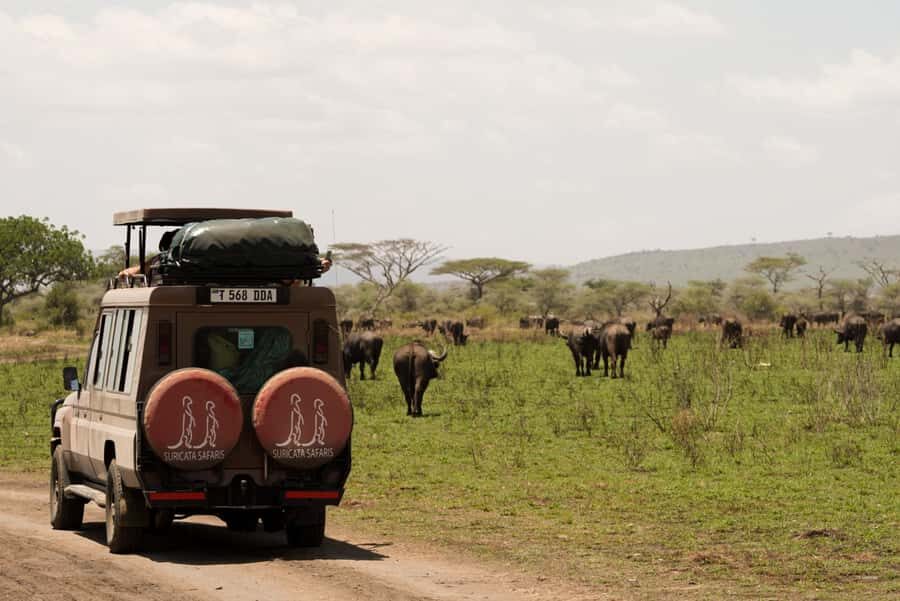
On Day 2 you transfer from Tarangire into Serengeti National Park. The drive is part of the experience because you’re watching Tanzania change as you move. You’ll cross broad open areas and get your first sense of why Serengeti is so famous. This park isn’t about one view. It’s about the scale.
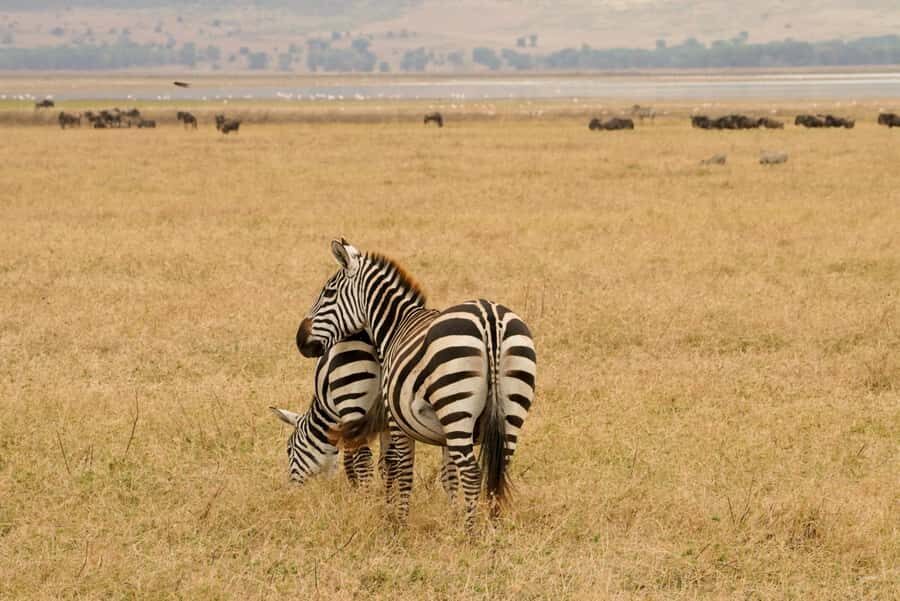
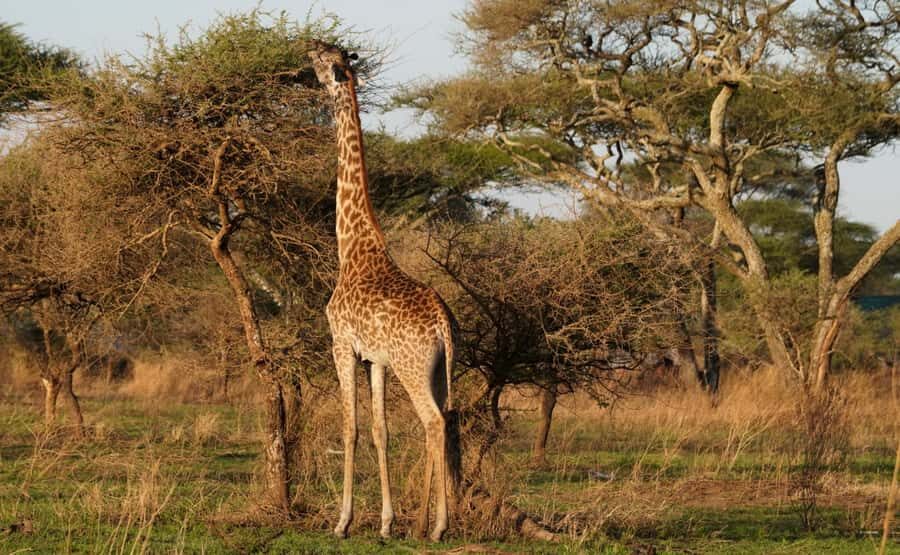
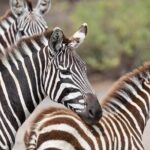
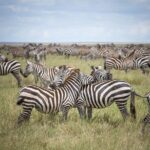
Once you arrive, you start with an afternoon game drive across the plains. Serengeti is built for spotting: zebras moving in lines, giraffes working their way along ridges, and predators that can be difficult to find unless you know what to look for. The trick is patience and good guidance. Your English-speaking guide helps you connect movement you see with what animals are doing, so the sightings don’t feel random.
Serengeti is also where the Great Migration comes into the conversation. Even when your exact timing isn’t the peak of every event, being in the Serengeti ecosystem is what gives the migration story meaning. You’re in the right place to understand the cycle of grazing and hunting.
At night, you camp in the Serengeti area, and you’ll hear wildlife sounds while you’re settling in. Camping here changes the feel of the day. You’re not just watching animals from a safe distance. You’re living through the quiet periods between drives, when the bush carries on like it doesn’t know humans exist.
Ngorongoro Crater: UNESCO Wildlife Viewing From a Volcanic Caldera
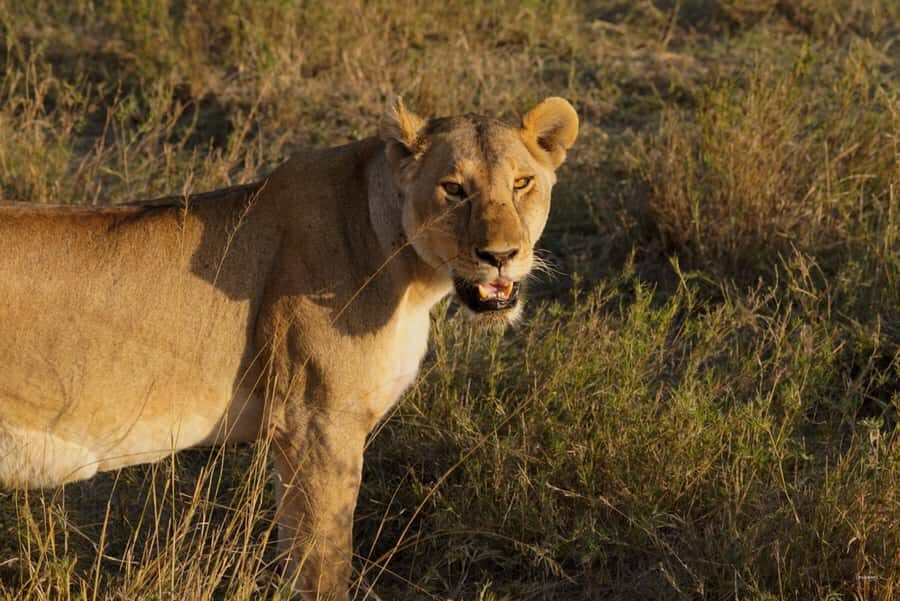
Day 3 is a “get up early” kind of morning. You’ll start with a sunrise game drive in the Serengeti to catch predators active on the move, then return for lunch before heading toward Ngorongoro Crater.
The drive to Ngorongoro brings a different kind of scenery than the plains. The experience changes because the crater is a natural bowl. Once you arrive near the crater area, camp time gives you downtime before tomorrow’s big descent.
Then Day 4 is crater day. You go down into the Ngorongoro Crater, a UNESCO World Heritage site, for a game drive that’s known for concentration. In a bowl like this, wildlife doesn’t spread out the way it does on open plains. You’ll often find more overlap between species and more chances to compare behavior across distances that would be harder in larger, flatter parks.
The crater is also associated with strong odds for seeing the Big Five, and the day is built around that kind of dense viewing. You’ll be out for a morning drive, then you climb back toward the crater rim and head back to Arusha in the afternoon with the kind of memories you don’t need to decorate.
Practical note: crater days can feel physically long, even when they’re not “hard.” Expect a lot of scanning and a lot of sitting in the same seat while you track movement below.
Camping Under the Stars: The Real Safari Rhythm
This trip is a group camping safari, and that’s not a small difference. It changes your schedule, your pacing, and the way you experience the park. Instead of coming back to a hotel and scrolling your phone while the day disappears, you’re eating, sleeping, and listening to the same environment you just drove through.
Meals are included during the safari, and guides often manage the day so you don’t feel like you’re eating at random times. One of the guide stories you’ll hear associated with this kind of safari is how meals get prepared three times a day, and it’s a big part of why people remember the experience. Food matters more when you’re off a normal routine. It keeps your energy stable for long drives and early starts.
Camping also helps you understand what “remote” means in Tanzania. Your surroundings can feel quiet, but they’re not empty. Nights can get cold, and you’ll want warm layers, especially because this safari advises nighttime temperatures can drop to around 5°C.
Your Guide and the Small-Group Advantage (Steve, Anthony, and More)
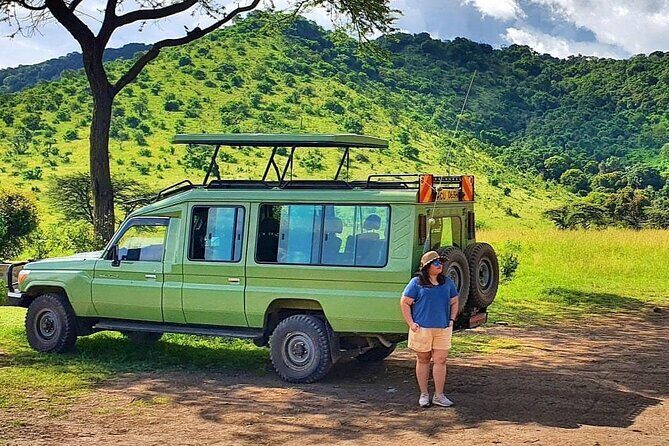
A safari with a group capped at 6 participants is easier to manage on the ground. When fewer people are in the vehicle, your guide can keep attention on sighting quality instead of splitting focus among too many conversations. It also helps during stops, when you want to track exactly where the spotting happened and why.
Guides are provided in English, and that language part isn’t just comfort. It helps you follow what you’re seeing: why the guide is changing direction, what behavior signals you’re likely to witness next, and how to interpret animal movement without guessing.
From the guide names shared in recent experiences, Steve is one example of a friendly guide who made the trip feel smooth and high-energy, while Anthony is another guide associated with cheerful energy and effective pointing-out even on rough tracks. If a guide is alert and communicative, you get more from each game drive, even when wildlife is moving far away.
Binoculars are also included as a shared tool. That means you don’t have to bring your own pair, though if you already own binoculars, you can pack them.
Value for $1,150: What You Actually Get (and Why It Matters)
At $1,150 per person for 4 days, you’re paying for a bundle that many “cheap” safaris don’t fully cover. This trip includes:
- 4×4 vehicle transportation
- Professional English-speaking guide
- Park entrance fees
- Accommodation and meals
- Mineral water during the safari
That matters because park fees in Tanzania add up, and the cost of moving between Tarangire, Serengeti, and Ngorongoro isn’t trivial. When the entrance fees and meals are already included, your budget becomes simpler. You’re not forced to solve a bunch of small payments mid-trip.
What’s not included is also clear: visa, flights (international and domestic), and travel insurance. You’ll want to handle those before you go. And if you’re booking through a third party, do what I always recommend on safari: confirm the operator behind the scenes is the one providing the vehicle, guide, and camping setup. One unhappy experience connected to this safari style highlights why you should verify who you’re actually paying and what the final total covers.
One more note: vehicle condition can affect comfort. A negative experience mentioned that the cars were not in good shape, so if you’re traveling with anyone who needs a smoother ride, it’s smart to ask about the vehicle setup before you lock in.
What You Can and Can’t Do Around Wildlife
Safari rules may sound strict, but they protect you and animals. On this trip, you should remember:
- Do not feed animals
- Do not touch animals
- Avoid bright colors
Bright colors can pull attention and can also make it harder to blend in when animals are close. You’re there to observe, not to interact. The “no touching” rule is especially important because wildlife can respond unpredictably even when it seems calm.
These rules also make sense for a camping trip. You’re often closer to your environment than a hotel stay would put you, so behavior matters even outside the game drive.
Packing for Cold Nights, Dusty Drives, and Mosquitoes
This trip gives direct packing guidance, and it’s worth taking seriously. You’ll want neutral colors like white, beige, and green. Even when you’re excited about outfit photos, follow the safari clothing logic: blend in and keep it practical.
For temperatures, bring a warm sweater and jacket, plus socks. Night drops can be around 5°C, which is cold enough to wake you up if you’re underprepared.
There’s also a 10kg luggage limit per person. If you’re over that, you can store extra in the hotel storage room, but you’ll be happier traveling light. Duffel bags are recommended, so think flexible and packable instead of bulky hard luggage.
Mosquito repellent is advised, specifically a high-mint concentration option. That’s a practical choice because it covers the two realities of Tanzania: mosquitoes and long outdoor hours.
Binoculars aren’t required for you to see well because guides share one. But if you’re the type who loves a close look, personal binoculars can still help.
Who This Safari Suits Best (and Who Should Rethink It)
This safari fits well if you want a classic Tanzania circuit in only 4 days, with the feeling of camping rather than hotel nights. It’s also a strong pick if you like your wildlife time structured: game drives in the morning and afternoon, a sunrise start, and a crater day built for high-density viewing.
It may not suit everyone. It’s listed as not suitable for:
- people with back problems
- wheelchair users
- babies under 1 year
- people over 95
Even if you’re generally healthy, think about long sitting periods, dust, and the style of 4×4 travel. If that’s an issue, you might look for a more comfortable vehicle category or a longer itinerary with more breaks.
Also, this is best for travelers who can handle rules and focus. If you want constant free time, this is likely to feel structured.
Should You Book This Tarangire–Serengeti–Ngorongoro Camping Safari?
I’d say book it if you want three Tanzania highlights in a tight package and you truly like the outdoors. Tarangire’s elephant herds, Serengeti’s wide-open predator chances and migration story, and Ngorongoro’s concentrated wildlife in a UNESCO crater create a full wildlife arc in just four days.
I’d hold off if you’re extremely sensitive to uneven roads or you’re hoping for a super soft, low-effort comfort setup. One downside to consider is that vehicle comfort may vary, so prioritize asking about the vehicle condition. Also double-check that you’re booking through a channel that clearly identifies the actual safari provider and total cost, not just a low headline price.
If you’re willing to pack smart, keep your color choices neutral, and accept early starts, this camping safari has the ingredients for a trip you’ll remember long after the animals move on.
FAQ
How long is the camping safari?
It runs for 4 days, starting and ending in Arusha.
Where does the safari travel during the 4 days?
You’ll visit Tarangire National Park, Serengeti National Park, and Ngorongoro Crater.
Is the group size small?
Yes. The safari is limited to a small group of up to 6 participants.
What is included in the price?
The price includes 4×4 transportation, a professional English-speaking guide, park entrance fees, mineral water during the safari, plus accommodation and meals during the safari.
What should I wear and pack for temperatures?
Neutral colors are recommended (white, beige, green). Bring a warm sweater, socks, and a jacket because nighttime temperatures can drop to around 5°C.
Is there a luggage limit?
Yes. The limit is 10kg per person. Additional luggage can be stored at the hotel, and duffel bags are recommended.
Are binoculars provided?
Binoculars are available to share in the vehicle, so you don’t necessarily need to bring your own.