REVIEW · MOSHI
Climb Kilimanjaro, 7 Days Machame Route Hiking
Book on Viator →Operated by Sucess safaris Brand · Bookable on Viator
Fog, mud, and a real summit goal.
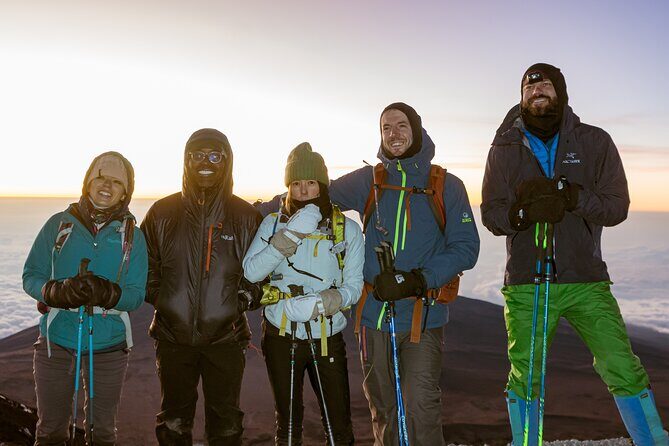
This 7-day Machame Route hike from Moshi is interesting because the route’s topography supports trek high, sleep low, which can help your body adjust to altitude. I also like that it’s often described as quieter and more gradual than other routes, meaning less of the abrupt push and more time to settle into rhythm. Two things I especially like: the built-in acclimatization approach and the way the trail is paced to reduce daily strain. One consideration: you should plan for rain, mud, and fog, which can make everything feel harder than the map suggests.
A big practical win is how much the package covers. You get private transportation and transfers, all accommodation, a professional guide, and even the core climb setup like tents and sleeping bags plus mineral water and scheduled meals. In the Machame Camp segment, porters and chef arrive first, set up tents, boil drinking water, and get snacks ready, then you roll in for a hot dinner. That means you’re not spending your energy on camp logistics.
The main drawback is simple: this is still a tough climb. Even on a gentler Machame profile, the walking can feel tiring day after day, and if you want extra insurance for altitude, the itinerary notes that an extra acclimation day at Shira or Karanga valley is recommended. If your tolerance for cold, wet hiking is low, you’ll want to prepare carefully.
In This Review
- Key points to plan around
- Why the Machame Route is the “work-smart” Kilimanjaro choice
- Moshi start: transport, small-group energy, and first-day expectations
- Weather reality on Kilimanjaro: rain, mud, fog, and wildlife
- The Machame Camp segment (2980m): what camp life feels like
- Day-by-day on the 7-day Machame climb: how the pacing stays manageable
- Day 1: Set your pace on the gentler Machame profile
- Day 2: Kilimanjaro National Park day with steadier rhythm
- Day 3: Keep acclimatizing even when you feel impatient
- Day 4: Rain and fog can change your perception of effort
- Day 5: National Park days that prioritize staying functional
- Day 6: Protect your recovery like it’s part of the climb
- Day 7: Finish the trek with the same calm focus
- Price and value: what $900 covers (and what might cost extra)
- Who should book this Machame 7-day climb
- Final verdict: should you book this Machame Route experience?
- FAQ
- How long is the Kilimanjaro hike on the Machame route?
- Where does this Kilimanjaro Machame climb start?
- What’s included in the price of $900 per person?
- Are park admission tickets included?
- How big is the group?
- What weather should I expect on the trail?
- Do I need to bring a sleeping bag or tent?
- Are tips included in the tour price?
- Should I plan for extra acclimatization time?
- Is cancellation free if plans change?
Key points to plan around
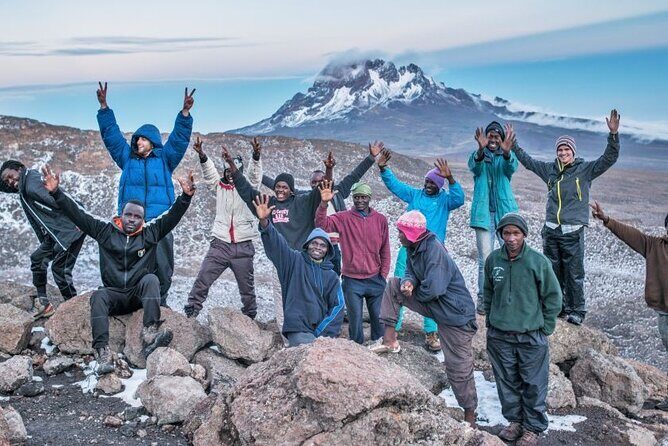
- Machame’s acclimatization logic: trek high, sleep low supports better adjustment to altitude.
- Quieter, more gradual feel than faster, steeper options like Umbwe or Marangu.
- Weather can go sideways with rain, mud, and fog on this climb segment.
- Wildlife spotting is real; keep an eye out for colobus monkeys.
- Machame Camp (2980m) is handled fast: tents up first, boiled water ready, hot dinner after you wash up.
- Small-group cap of 14 plus professional guidance for a calmer pace.
Why the Machame Route is the “work-smart” Kilimanjaro choice
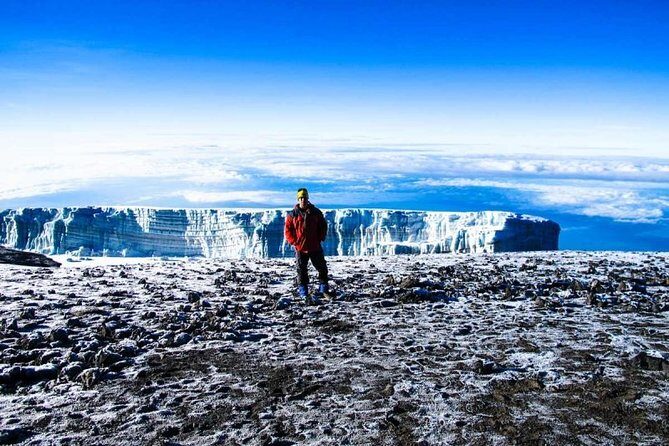
The Machame Route stands out for how it deals with altitude. The climb is not easy, but the route is designed so you can gain height gradually while still having nights lower than the highest points you reach during the day. That’s the heart of the strategy: trek high, sleep low. It matters because altitude headaches, nausea, and that heavy “lungs full of air” feeling often show up when your body doesn’t get enough time to adapt.
I like that this itinerary also emphasizes shorter walking days during the trek. Translation: you still move every day, but you’re not spending each day in an all-day grind from start to finish. That’s a big deal on Kilimanjaro, where fatigue can quietly turn into altitude trouble.
One more note worth your attention: this experience is described as having a higher summit success rate tied to the route’s topography and acclimatization profile. I can’t promise outcomes, but I can say this style of planning tends to give you more options if you start the climb feeling good. If you start struggling early, the “slower” Machame plan gives your guide a better chance to keep you safe through pacing changes.
You can also read our reviews of more hiking tours in Moshi
Moshi start: transport, small-group energy, and first-day expectations
You’ll base out of Moshi, and the meeting point listed is Kilimanjaro Airport. The package includes private transportation and all transfers, so you’re not trying to piece together a taxi chain after a flight. There’s also a pickup offered, which is helpful if your arrival timing varies.
This is a small-group climb with a maximum of 14 travelers. For Kilimanjaro, that number is comfortable. You’ll still share the mountain with other hikers, but your group dynamic should feel more controlled than the chaos you can get on mega groups.
On Day 1, the itinerary points you toward Kilimanjaro via a scenically beautiful Whiskey Route profile. It’s longer and gentler than Umbwe or Marangu, but it’s still tiring. The value of Day 1 isn’t only “starting the climb.” It’s also learning your pace quickly—how fast you can walk without turning every hour into a sprint.
A small practical detail: the schedule lists admission as included on the first day (with a 30-minute admission ticket entry), while the later days show admission listed as free. That’s a good sign for smooth entry into the protected area as you go.
Weather reality on Kilimanjaro: rain, mud, fog, and wildlife
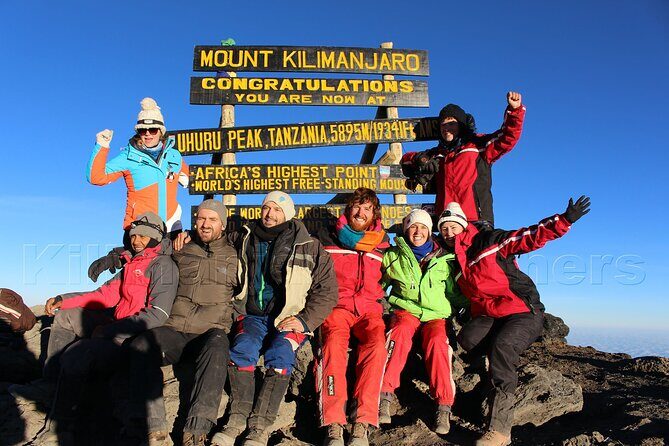
Kilimanjaro doesn’t follow your packing list. This hike segment specifically calls out rain, mud, and fog. That means three things for you day-to-day:
- Trails can turn slick, so your legs do more work than you expect.
- Fog can swallow views and make the mountain feel “closer,” even when you’re still moving upward.
- Mud affects everything—boots, gait, and even how long you spend drying gear at camp.
I treat fog as a navigation and mood issue. When you can’t see far, it’s harder to track progress visually. Your best tool becomes time, pace, and how your breathing feels, not what the landscape looks like.
Now add wildlife. The climb info specifically says to watch for colobus monkeys. That’s a fun reminder that even while you’re focused on altitude, the ecosystem is alive. Don’t chase animals for photos. Just keep your eyes open while staying safe on the trail.
The Machame Camp segment (2980m): what camp life feels like
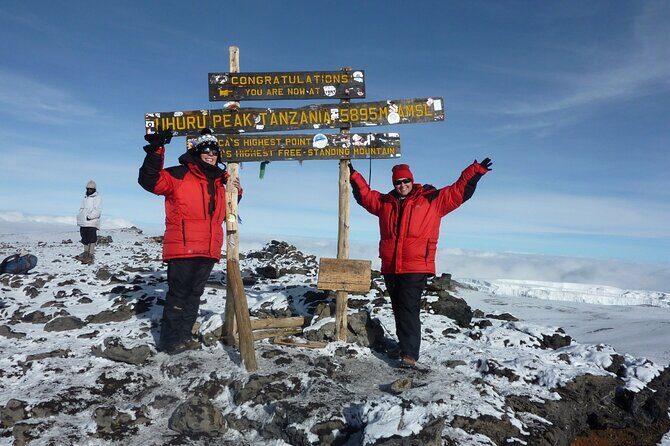
This is one of the most concrete parts of the experience description, and it’s a big reason the trek stays rewarding even when conditions are wet.
About halfway up the trail, you’ll have a lunch break. After that, you reach Machame Camp (2980m) in the late afternoon or early evening. Here’s the operational advantage: the porters and chef reach camp before you. They set up your tents, boil drinking water, and prepare snacks for your arrival.
Then you wash up and get a hot dinner.
I like camp setups like this because they protect your energy. On Kilimanjaro, it’s easy to waste strength on tasks that should be taken care of. When tents are already up and water is handled, you get to focus on recovery: eating, warm layers, and getting your legs ready for the next day.
Day-by-day on the 7-day Machame climb: how the pacing stays manageable
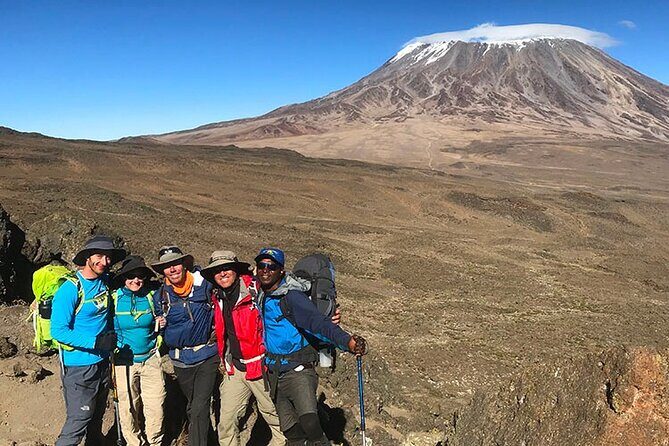
The daily itinerary entries are structured around Kilimanjaro National Park and a gradual Machame profile, with the key theme repeated: a steady trek style meant to help acclimatization. Since the day-by-day entries are similar, the useful way to understand your time is by how each day contributes to your rhythm—start slow, adjust to altitude, protect energy, then keep moving.
A few more Moshi tours and experiences worth a look
Day 1: Set your pace on the gentler Machame profile
Day 1 is about entering the climb with a trail that’s scenically beautiful and longer, not shorter. It’s described as longer and much gentler than Umbwe or Marangu. That matters because it lets you start building hiking stamina without immediately “burning your match.”
Also, the plan’s design includes the idea of shorter walking days during the trek. On Day 1, that usually means you’re not forcing a marathon hike just to prove toughness.
What to watch: don’t interpret a gentler gradient as an excuse to speed up. Early altitude work often punishes overconfidence.
Day 2: Kilimanjaro National Park day with steadier rhythm
Day 2 continues the gradual Machame style and keeps you within Kilimanjaro National Park. The repeated notes are telling: the focus is on a quieter route and a steady ascent.
You’ll also see that admission is listed as free for the day entries after Day 1, which suggests your overall schedule flow is designed to avoid admin delays. Those delays matter on a route where you want consistent hiking windows.
Day 3: Keep acclimatizing even when you feel impatient
By Day 3, your body starts telling you the truth. Even if the walking feels manageable, your breathing and sleep patterns can change quickly.
The itinerary’s theme—shorter walking days and gradual ascent—means you should treat this time as body-training. Your goal isn’t to win a hiking contest. It’s to reach the higher elevations with enough physical and mental control to handle summit-day effort later.
Day 4: Rain and fog can change your perception of effort
This is where weather can flip your mood. The climb description warns of rain, mud, and fog during this section. If that hits you, you’ll feel like every step costs more.
A steady route helps here. You’re not constantly hiking steep switchbacks like some faster routes. Still, the walking can be tiring, so your job is to keep your pace consistent and avoid big surges.
Day 5: National Park days that prioritize staying functional
Day 5 stays on the same overall pattern—Machame Route climbing inside Kilimanjaro National Park with gradual ascent and a quieter feel.
If you’re feeling good, it can tempt you to walk harder. Don’t. Kilimanjaro punishes “feel-good” effort when altitude is still climbing in the background.
Day 6: Protect your recovery like it’s part of the climb
By Day 6, your recovery routines matter as much as your steps. This tour includes mineral water and structured meals across the trek: breakfast (6), lunch (6), and dinner (6). That schedule helps keep you fueled without you having to manage food logistics.
When you get to camp, treat washing up and warm-down time as training. Wet conditions can make small mistakes—like not drying socks or not layering properly—show up faster on the next day.
Day 7: Finish the trek with the same calm focus
Day 7 continues the National Park walking experience. The route profile stays tied to acclimatization and gradual ascent rather than a rushed push.
The practical mindset for your final day is simple: keep your breathing steady, keep your footing careful, and don’t let fatigue steal your attention from the trail.
Price and value: what $900 covers (and what might cost extra)
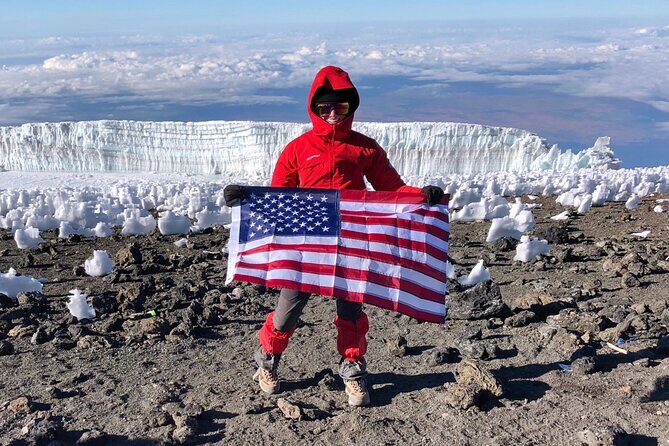
At $900.00 per person for an approximately 7-day climb, this package looks like it’s priced to cover the big “moving parts” of Kilimanjaro logistics.
Included:
- Private transportation and all transfers
- All accommodation
- A professional guide
- Mineral water
- Sleeping bags, tents, and all climbing gear
- Breakfast (6), lunch (6), dinner (6)
Not included:
- Tips
- Parking fees
Here’s how I’d judge value in plain terms: you’re paying for the safety framework and convenience of having tents, sleeping bags, and climbing gear handled, plus having your guide manage the route and timing. Meals and water are built in, and that reduces a common cost and hassle risk on multi-day treks.
The two likely add-ons you should budget for are tips and any parking fees. Tips are not optional in many real-world service scenarios, especially when porters and a chef are part of the team.
Who should book this Machame 7-day climb
This hike fits best if you want:
- A quieter, more gradual route experience rather than a fast, steep sprint.
- A plan designed for acclimatization, with trek high, sleep low and shorter walking days.
- A group structure that’s small enough to stay calm, with a maximum of 14 travelers.
- A package that takes care of major gear and camp basics (tents, sleeping bags, climbing gear).
It’s also for most travelers who want an organized climb experience. Still, you should take seriously the note that an extra day at Shira or Karanga valley is recommended for better acclimation. If you’re sensitive to altitude, or if you can add time, that extra day can be a smart trade.
Final verdict: should you book this Machame Route experience?
If you’re aiming for a Kilimanjaro climb that’s built around acclimatization and day-to-day practicality, I’d say this is a strong option. The big reasons are the Machame route logic, the calmer pacing described for the itinerary, and the way camp operations are handled early at Machame Camp (2980m) with tents and boiled drinking water ready before you arrive.
Skip it—or at least think hard—if you’re not comfortable with wet hiking conditions. Rain, mud, and fog are part of the deal here, and the walking is described as tiring even on a gentler profile.
My recommendation: book if you can commit to slow, steady effort and treat recovery as part of the climb. Add an extra acclimatization day at Shira or Karanga valley if you want extra buffer.
FAQ
How long is the Kilimanjaro hike on the Machame route?
The duration is listed as 7 days (approximately).
Where does this Kilimanjaro Machame climb start?
The start meeting point is listed as Kilimanjaro Airport, and the experience is based in Moshi, Tanzania.
What’s included in the price of $900 per person?
The package includes private transportation, all transfers, all accommodation, a professional guide, mineral water, sleeping bags, tents, and your climbing gear, plus breakfast (6), lunch (6), and dinner (6).
Are park admission tickets included?
The schedule lists admission as included on Day 1 and free for Days 2 through 7.
How big is the group?
This experience has a maximum of 14 travelers.
What weather should I expect on the trail?
You should expect rain, mud, and fog during this section of the hike.
Do I need to bring a sleeping bag or tent?
No. Sleeping bags, tents, and all climbing gear are listed as included.
Are tips included in the tour price?
No. Tips are not included.
Should I plan for extra acclimatization time?
The information says an extra day at Shira or Karanga valley is recommended for better acclimation.
Is cancellation free if plans change?
Free cancellation is offered up to 24 hours in advance for a full refund.