REVIEW · ARUSHA
7 Days Private Serengeti Wildebeest Migration Tour
Book on Viator →Operated by MERU SLOPES TOURS AND SAFARIS · Bookable on Viator
There’s a reason people plan Tanzania around migration season. This 7-day private safari strings together Tarangire, the Serengeti, and Ngorongoro Crater in a logical route that keeps you focused on wildlife instead of logistics, starting with a smooth Arusha arrival and ending with a relaxed return.
Two things I especially like: the tight attention to early starts and prime game-drive timing (including a sunrise drive in the Serengeti), and the hands-on coordination style from Meru Slopes staff—names that come up include Shadrak, Kelvin, Jacob, and Jerome, with a reputation for handling details and quick tweaks fast.
One possible drawback: this is a premium-price, lodge-style private tour at $4,500 per person, so you’ll want to confirm exactly what’s included for park entry and lodge specifics for your dates before you lock in, especially if you’re trying to travel on a leaner budget.
In This Review
- What makes it special (quick highlights)
- Arusha arrival and the first easy night (Serena Arusha Hotel)
- Tarangire National Park: elephants, baobabs, river wildlife, and big bird numbers
- Tarangire day: what to watch for
- Serengeti National Park: migration country plus classic big-park sightings
- Early Serengeti sunrise and aiming toward the Mara River crossings
- Serengeti night: what it feels like
- Serengeti to Ngorongoro: switching worlds without killing your momentum
- Ngorongoro Serena Safari Lodge: why the rim matters
- Ngorongoro Crater morning: Big Five odds in a compact, crater-shaped ecosystem
- Day 7 in Arusha: a calm last morning before flying out
- Price and value: what $4,500 per person buys you (and what to confirm)
- Who this safari suits best (and who might want a different style)
- The human factor: coordination that helps you feel safe on the ground
- Should you book 7 Days Private Serengeti Wildebeest Migration?
- FAQ
- How long is the safari?
- Where does the tour start and what time?
- Is pickup included?
- Is this tour private?
- Are meals included?
- What parks are included?
- Are tips included in the price?
What makes it special (quick highlights)
- Private, guide-led wildlife time: you’re not sharing the driving and guiding attention with strangers in a big group format.
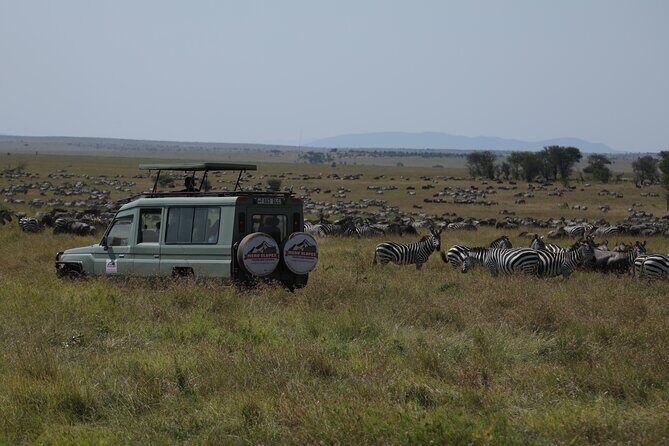
- Migration-focused Serengeti days: you get one mid-afternoon arrival game drive and then earlier, movement-focused time on the following day.
- Tarangire elephants + birding: the plan explicitly targets elephants near the Tarangire River and highlights the park’s strong bird list.
- Mara River hunting for the herd: the itinerary is built to look toward the northern parts as wildebeest track river crossings.
- Ngorongoro rim lodge views: staying on the rim at Ngorongoro Serena Safari Lodge gives you crater views without rushing your day.
- Big Five inside Ngorongoro Crater: an early crater drive is where you can stack your odds for lion, elephant, rhino, and more in a compact area.
Arusha arrival and the first easy night (Serena Arusha Hotel)
Day 1 is all about landing in Tanzania and getting your body and head set for safari. You’re met at Arusha Airport and transferred to your hotel in Arusha, with a built-in buffer to relax after travel. If you have time, there’s an optional city tour, but the main win here is simple: you start the safari fresh instead of scrambling for transportation.
You sleep at Serena Arusha Hotel. That matters because many safari days start early—when your hotel is comfortable and the transfer is already arranged, you can hit the next morning with less stress and more energy.
You can also read our reviews of more private tours in Arusha

Tarangire National Park: elephants, baobabs, river wildlife, and big bird numbers
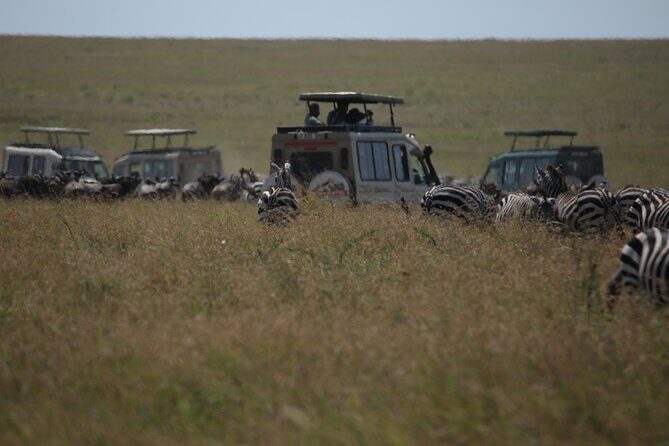
Tarangire is the “greatest hits” version of Northern Tanzania wildlife, and this plan treats it that way. The day starts with an early game drive, then you shift toward the Tarangire River, which pulls in heavy wildlife concentration, especially in the dry season.
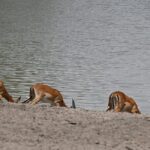
Tarangire’s elephant herds are a headline here. I like that the schedule doesn’t just promise elephants; it also sets you up to understand why you’ll likely see them: the river is a dependable anchor for animal movement. You’ll also have a chance at predators like lions and leopards, plus a variety of antelope species.
A practical detail I appreciate is the picnic lunch idea. You’re told to find a safe, shaded spot for lunch. That’s exactly the kind of small comfort that makes a long day feel smoother, and it helps keep you out in nature without rushing.
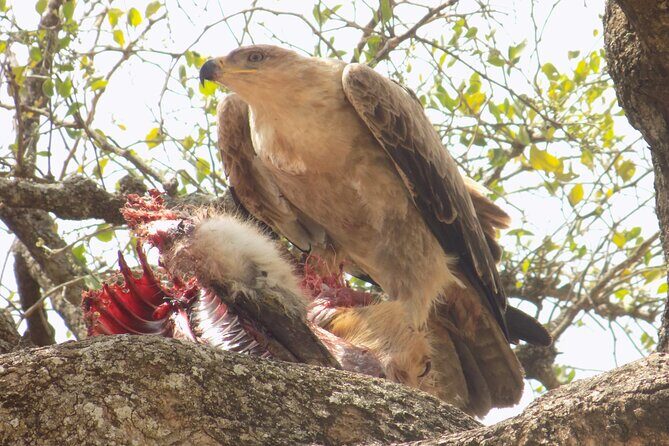
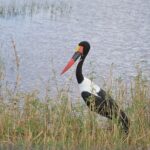
The birding angle is real, too. The park is noted for 550+ bird species, so even if you’re not a dedicated birder, you’ll likely spot more winged variety than you expected—sunbirds, raptors, and other local specialties that show up when you slow down.
Tarangire day: what to watch for
Expect the best wildlife opportunities to come in two ways: early morning drives for activity, and river time when animals gather. Photography can be easier in the late afternoon because of changing light, and the itinerary calls that out.
The main trade-off is time. A full day here means long hours in the vehicle, even though the plan includes downtime for dinner back at the lodge.
Serengeti National Park: migration country plus classic big-park sightings
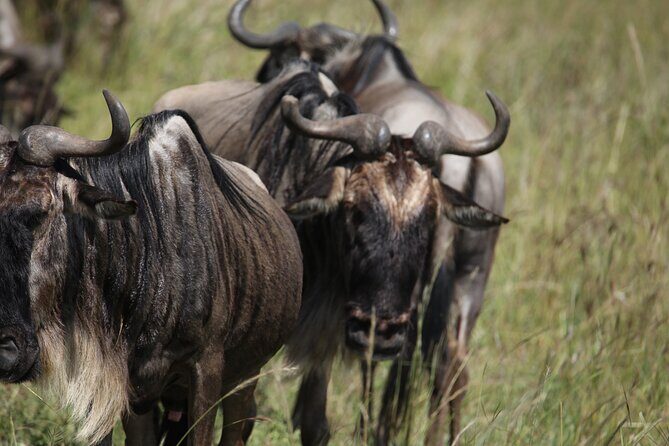
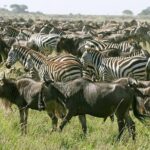
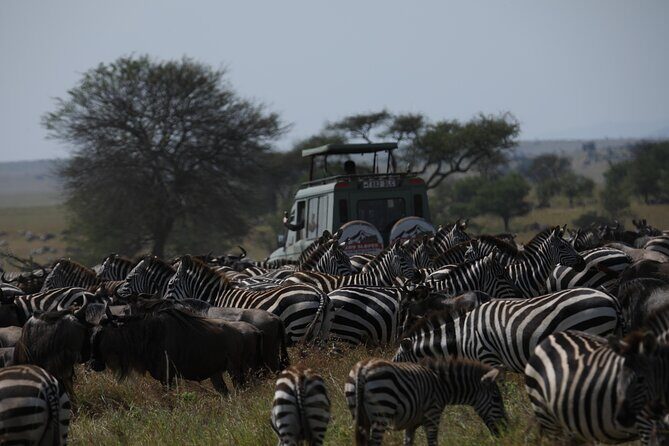
Then you roll into the Serengeti National Park, a UNESCO World Heritage Site with wide ecosystems—savannah, woodlands, and river systems. The plan is built around what most people come for: the Great Migration, where wildebeest and zebras move across the plains looking for greener conditions.
Here’s the thing I want you to know upfront: you can plan to be in the right region, but nature decides the exact moments. So instead of promising a single guarantee, this tour structure gives you the time needed to catch movement—arrival game drive mid-afternoon, plus stronger timing with early next-day driving.
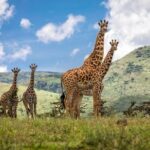
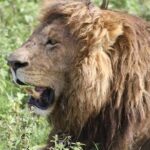
Serengeti is also the place where you can stack classic large-mammal chances: the plan mentions Big Five presence (lion, elephant, buffalo, leopard, and rhino), along with cheetahs, giraffes, and lots of birds. With a guide, those sightings aren’t just luck; your guide can reposition you as opportunities pop up.
You arrive mid-afternoon, have lunch, and then get a game drive before transferring to your Serengeti lodge for dinner and overnight. That’s a smart pacing choice. It helps you settle into the lodge, recharge, and still get at least one real wildlife window the same day.
Early Serengeti sunrise and aiming toward the Mara River crossings
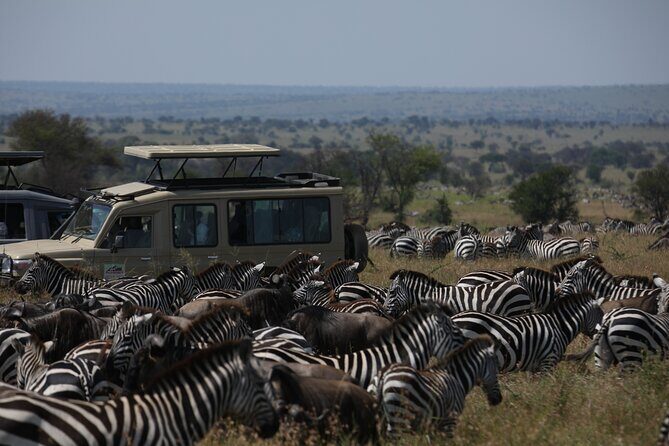
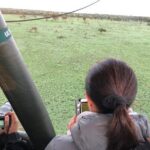
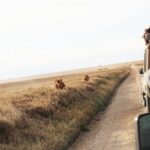
Day 4 is the Serengeti day that leans into maximum odds. You depart around 6:00 AM for a sunrise game drive, and the plan focuses on driving from central Serengeti toward the northern parts to explore wildebeest movement as they approach and interact around the Mara River.
Why this matters: in migration season, animals don’t just appear on command. They move, pause, form groups, then scatter. Early light often helps you see more, and cooler temperatures can mean more activity before the heat pushes everyone into shade.
You spend the day with a professional guide and end up in the Northern Serengeti area for dinner and overnight. Staying there the same day helps because it shortens the distance between where you’re chasing the migration and where you’re sleeping. In migration country, reducing travel time often means more time watching animals.
A few more Arusha tours and experiences worth a look
Serengeti night: what it feels like
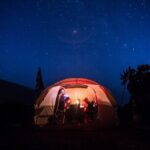
You’re told to spend the final night under the African sky, with the lodge offering campfire or evening entertainment options. Even when you’re “just relaxing,” that’s still part of the safari rhythm—an actual reset between long driving days and another big wildlife morning later.
Serengeti to Ngorongoro: switching worlds without killing your momentum
Day 5 changes pace. You start again with an early Serengeti game drive at around 6 AM and then enjoy a packed lunch in the park. Then you head to Ngorongoro Crater, about a 3–4 hour drive, to check into Ngorongoro Serena Safari Lodge set on the crater rim.
I like this staging because it keeps the safari momentum. You don’t have a “dead” travel day where you’re stuck in a car most of the daylight hours without wildlife time. Instead, you get a morning window in Serengeti and then still arrive at Ngorongoro early enough to relax.
Ngorongoro Serena Safari Lodge: why the rim matters
Staying on the rim gives you views and makes your next morning easier. You’ll have a clear starting point for crater descent later, and you won’t have to squeeze every minute out of the transfer day.
When you finally unwind after check-in, it’s not just a break. It’s also a practical move: crater drives can be long, and stepping into them rested helps.
Ngorongoro Crater morning: Big Five odds in a compact, crater-shaped ecosystem
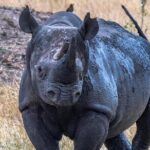
Day 6 is one of the most intense experiences in the whole Northern Circuit. After breakfast, you head out for an early morning game drive in Ngorongoro Crater, a deep bowl (about 600 meters deep). The plan highlights the crater as a unique ecosystem where you can see Big Five wildlife, including elephants, lions, and rhinos.
The itinerary also points out different habitats inside the crater—swamps and grasslands. That’s valuable because you’re not just chasing one type of animal. One part of the crater may feel like open grazing territory, while another can turn into a hotspot for different species and behavior.
You continue game driving until lunch time at a picnic site. Then you check out and begin the drive back to Arusha, about 3–4 hours. The route includes local villages and Lake Duluti views, which is a nice reminder that you’re not only driving through parks—you’re also passing through communities and countryside.
Back in Arusha, you stay again at Serena Arusha Safari Lodge and finish with a final dinner and time to reflect on the whole circuit.
Day 7 in Arusha: a calm last morning before flying out
Day 7 is simpler: breakfast at your pace, then departure to the airport. The plan lists breakfast items like fresh fruit, pastries, eggs, and local Tanzanian coffee, which is a good way to start if you want something more than just toast and tea.
The key benefit here is mental. Instead of ending your safari with another long drive and rushed packing, you get a proper final morning and then you’re on your way.
Price and value: what $4,500 per person buys you (and what to confirm)
At $4,500 per person, this tour sits firmly in the premium category. The value is in the package structure: roundtrip airport transfers, all transportation, a professional driver-guide, and lodge-style accommodations at named properties (Serena Arusha Hotel, plus Serena lodges in the Serengeti and Ngorongoro).
Meals are also included in a clear way: breakfast (7), lunch (5), and dinner (5). For safari, those meal inclusions matter more than they look on paper. They remove decision fatigue, save you money on sit-down meals during long days, and make it easier to stick to early game drives without waiting around for food.
The tour details say admissions are included/free on park days, but the wording varies by day. Before booking, I’d ask the operator to confirm park entry status for your dates and what your voucher covers. That’s the one area where the written info can be slightly unclear, even when the intent is that admission is part of the package.
Tips aren’t included, so you should budget for tipping separately.
Who this safari suits best (and who might want a different style)
This tour is a strong fit if you want:
- A private experience with your own driver-guide time
- A well-paced Northern Circuit with Tarangire + Serengeti + Ngorongoro in one week
- Lodge comfort at named Serena properties
- Early mornings built into the schedule, especially for sunrise in Serengeti and an early crater drive
It might be less ideal if you’re chasing the cheapest possible safari or if you prefer a fully flexible, independent approach with public transport and budget camps. The whole plan is set up around convenience and structured game-drive time.
The human factor: coordination that helps you feel safe on the ground
One consistent theme in the feedback about Meru Slopes is responsiveness. People credit coordinators like Shadrak and Kelvin for managing arrangements smoothly, and guides such as Jacob and Jerome for thoughtful, professional guidance.
You don’t need a big speech to feel that difference. It shows up in timing—who’s meeting you, how quickly changes get handled, and how confidently you move from one park to the next. On a safari, small problems can turn into big days. Having a team that handles details matters.
Should you book 7 Days Private Serengeti Wildebeest Migration?
If you’re aiming for a classic Northern Tanzania checklist and you want it in a private, lodge-based format, I think this tour is worth serious consideration. The itinerary is designed to support migration viewing with early timing, and it doesn’t burn your day with constant transfers—each move has a reason.
Book it if:
- You like the idea of early game drives and want guided help repositioning for sightings
- You’re comfortable with premium pricing for comfort, transfers, and included meals
- You want a one-week route that hits Tarangire, Serengeti migration country, and Ngorongoro Crater
Think twice if:
- You’re very budget-focused and can’t justify $4,500 per person
- You want to squeeze in extra independent activities, because the schedule is built around safari windows
If you decide to move forward, ask one simple question before payment: confirm the exact status of park admissions for your travel dates and what’s covered under the listed tickets. Then you can spend the money on what counts—time watching animals do their thing.
FAQ
How long is the safari?
It’s listed as 7 days (approx.).
Where does the tour start and what time?
The tour starts in Arusha at Arusha Airport, with a start time of 8:00 am.
Is pickup included?
Yes. Pickup offered and roundtrip airport transfer are included.
Is this tour private?
Yes. It’s a private tour/activity, meaning only your group participates.
Are meals included?
Yes. The tour includes breakfast (7), lunch (5), and dinner (5).
What parks are included?
You visit Tarangire National Park, Serengeti National Park, and Ngorongoro Crater/Ngorongoro Conservation Area.
Are tips included in the price?
No. Tips are not included.