REVIEW · MOSHI
Bodaboda Experience to Materuni Waterfall and Coffee Tour
Book on Viator →Operated by Materuni Village Experience · Bookable on Viator
Ninety meters of waterfall makes the day sing. This Bodaboda day tour from Moshi turns a simple outing into a full-on village experience: a guided walk to Materuni Waterfall, plus time in coffee and banana country while you learn how the Chagga community lives on Kilimanjaro’s slopes.
I love how Bodaboda transport folds into the story. It gets you out of town and into Materuni Village fast, and it makes the morning feel like more than just travel. I also like the mix of activities that actually feed you: coffee/tea, lunch cooked by local mamas, and even banana beer tasting.
One consideration: it’s about 6 hours with walking, and the hike requires moderate physical fitness. If your feet tire easily, plan on slower pacing and bring grippy shoes.
In This Review
- Key things I’d plan around
- From Moshi to Materuni Village: Bodaboda energy, village pace
- Materuni Waterfall: what the 90-meter hike feels like
- Coffee and banana trees: learning without turning it into a lecture
- Lunch with local mamas and banana beer testing
- Price and value from Moshi: what $52 gets you
- Timing, pacing, and what to bring for a 6-hour day
- Who should book this tour (and who might prefer something else)
- Should you book the Bodaboda to Materuni Waterfall and Coffee Tour?
- FAQ
- How long is the Bodaboda experience to Materuni Waterfall and Coffee Tour?
- What is the price per person?
- Does the tour include pickup in Moshi?
- Is lunch and coffee or tea included?
- What transportation is used during the tour?
- Can I get a full refund if I need to cancel?
Key things I’d plan around

- 90-meter Materuni Waterfall: the hike is the main payoff, so wear shoes you trust
- Bodaboda go-and-return: motorbike rides are part of the rhythm, not just a transfer
- Chagga village guide: you’ll learn community history and local farming culture with a real guide
- Coffee and banana trees: you don’t just taste coffee; you walk through the farm landscape where it grows
- Lunch + bottled water + drinks: you won’t spend your day searching for food stalls
- Banana beer testing: it’s included, so you’ll know what to expect before you go
From Moshi to Materuni Village: Bodaboda energy, village pace
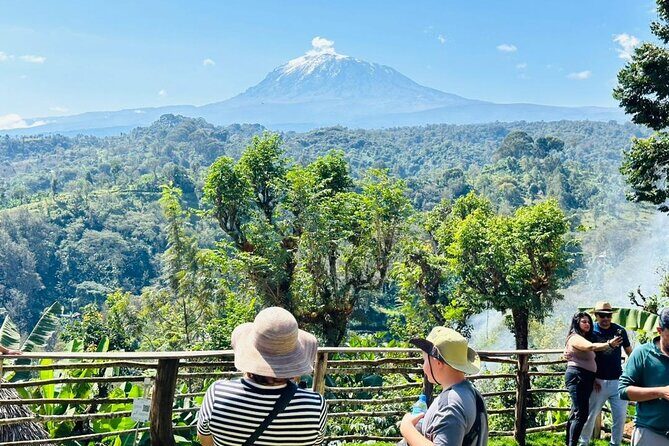
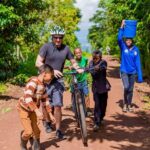
This tour is built around a simple idea: don’t treat Kilimanjaro-area culture like a museum visit. You move through it. Your day starts in Moshi, then you head toward Materuni Village by Bodaboda (motorbike). Even if you’ve ridden a motorbike before, this kind of transfer works differently here because the ride leads you straight into the local setting, not back into “tour-bus life.”
The value is practical. A motorbike gets you moving while keeping the schedule tight enough to fit the waterfall hike, coffee tour, and lunch into one day. And because this is a private tour/activity for your group, you’re not stuck waiting behind another group’s pace.
The guide matters just as much as the route. In the reviews, the name Sylvester comes up for being super conversational and thoughtful, and for explaining the coffee story with clarity. That’s a big deal in this region, because coffee isn’t just a crop—it’s part of how families earn, eat, and share hospitality.
One more detail I like: your day includes bottled water, and the tour also provides coffee or tea. That sounds small until you’re in the middle of a walking day and you realize you don’t have to budget extra for drinks while you’re learning.
A few more Moshi tours and experiences worth a look
Materuni Waterfall: what the 90-meter hike feels like
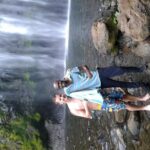
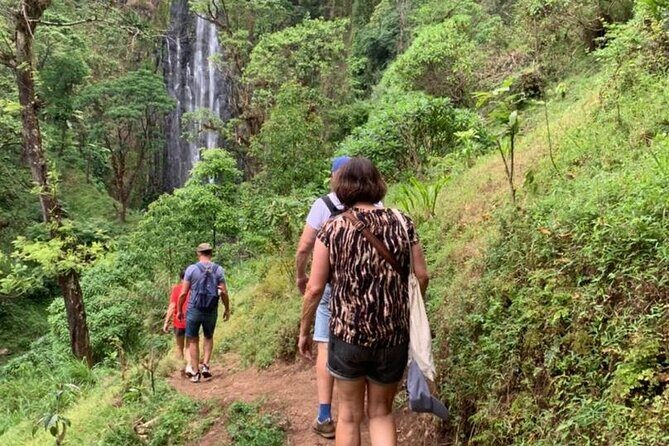
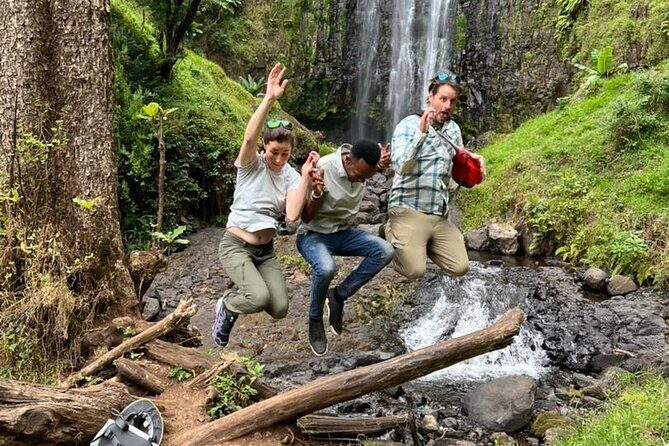
The standout moment is the walk to Materuni Waterfalls, listed as 90 meters high. This is the kind of waterfall where the height is the headline, but the real experience is the in-between: the trail and the surrounding vegetation while your guide points out what’s living on Kilimanjaro’s slopes.
Expect the hike to be the physical centerpiece of the day. The tour notes a moderate physical fitness level, which tells you the hike isn’t meant to be a sprint, but it also isn’t a flat stroll. If you know your body tends to get sore on uneven ground, plan for slower steps and a steady pace with rest breaks as needed.
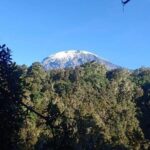
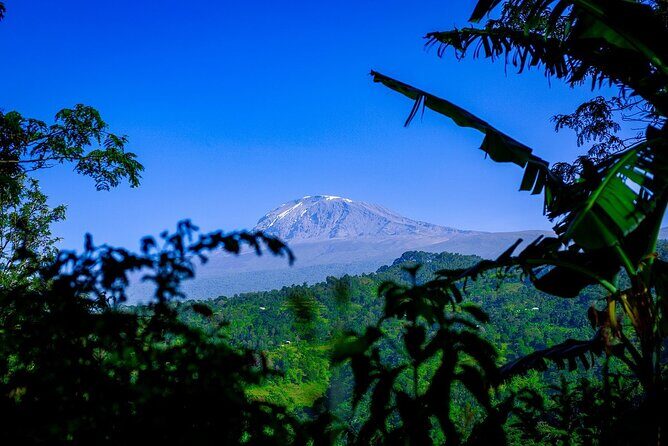
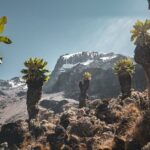
What makes the waterfall segment especially worth it is how it connects to the people. The guide’s job isn’t only to show you the fall; it’s to help you understand the Chagga community and their history. You’ll also get chances to see the stunning view of Mount Kilimanjaro, which is one of those “I get why this is iconic” moments when you finally see the mountain from this side of the story.
I’d also treat the waterfall time like a photo window. Get your shots, take in the sound, then listen to what your guide is saying. The best guides can turn a “pretty place” into a “now I understand why it matters” place.
Coffee and banana trees: learning without turning it into a lecture
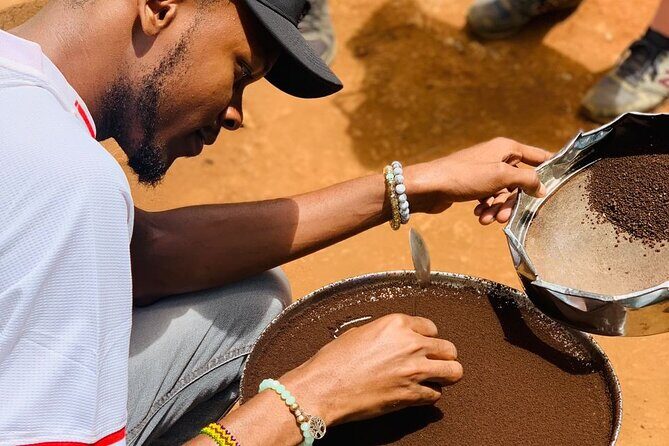
After the waterfall, the tour shifts from views to work you can understand. You’ll walk in areas with coffee and banana trees, and the tour is designed to explain the flora and fauna found on the mountain slopes—so you’re not just walking through scenery. You’re learning what you’re seeing.
This is where the tour earns its “highlight of the trip” reputation. Coffee experiences can go two ways: either you get a rushed tasting with a quick slideshow, or you get a guided walk that makes the farming process make sense. Here, the coffee tour is tied to local farms and to the Chagga way of growing and managing coffee.
The reviews emphasize the way guide Sylvester explains the history of coffee cultivation in the Kilimanjaro region. That kind of commentary turns coffee from a beverage you buy into a system of decisions: what grows where, how families organize their farms, and why this crop matters culturally and economically.
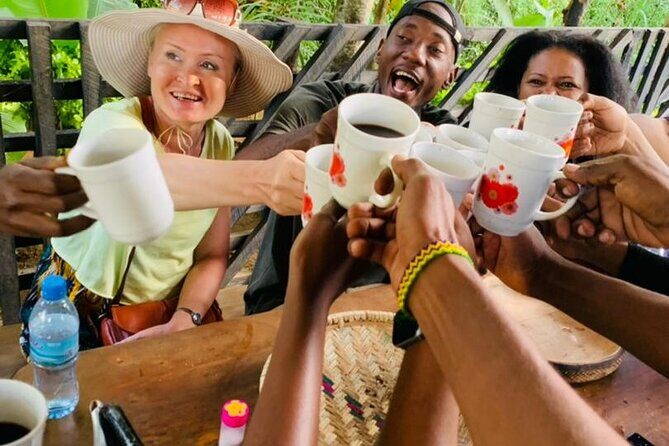
You’ll also get coffee and/or tea as part of the experience. That’s great value because it means you can pace yourself during the farm part without thinking about where the next drink will come from.
Practical tip: coffee farms can be active and uneven, and your route may include narrow paths. Wear shoes with grip. Your feet will thank you more than you expect.
Lunch with local mamas and banana beer testing
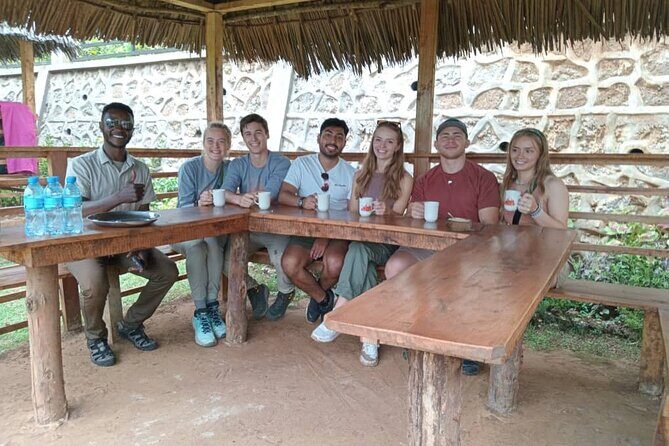
This tour is thoughtful about meals. Lunch is included, along with bottled water and coffee/tea. That matters because the itinerary is packed into about 6 hours, so meal timing can make or break your energy level.
One of the strongest praise points in the reviews is the food. People specifically call out the cook in a positive way, and that’s a hint you’re not eating a generic meal meant to satisfy a group. You’re eating in a village context, which usually means the food feels like part of the day instead of a pit stop.
Then there’s the banana beer testing. It’s explicitly included as local Banana Beer Testing, which is one of those “say yes and see what happens” moments. If you’re unsure about trying alcohol, this is still useful information because you won’t be wondering if it’s included later. You’ll know it’s part of the plan.
And if you’re the type who likes learning through conversation, this is likely one of your favorite stretches. Food and drinks are where people relax. Even with a guided structure, village hospitality tends to be more natural and human at the table than it is on a timed factory tour.
Price and value from Moshi: what $52 gets you
The price is $52.00 per person for about 6 hours. On paper, that might look like a lot or a little, depending on what you compare it to. Here’s the value angle that matters:
You’re paying for a full, guided village day—not just a transfer and a photo spot. The tour includes:
- all fees and taxes
- professional village guide
- Bodaboda transport go and return
- waterfall access/entry (admission ticket included)
- coffee or tea
- lunch
- bottled water
- banana beer testing
When a tour includes both transport and meals, it’s easier to control costs once you’re already in the area. And because the guide is part of the experience design, you’re not left to interpret everything yourself.
Also note: it’s listed as private for your group. If you’re traveling with friends or family, that can mean better attention from the guide and less waiting around. Group discounts are mentioned too, which can make the per-person value even better if you’re not solo.
One item not included: tips. If you want to budget ahead, keep a little aside for the guide. In many community-based tours, tipping is the simplest way to reward good guiding.
Timing, pacing, and what to bring for a 6-hour day
The tour runs Monday to Friday, 6:00 AM to 6:00 PM. That gives you flexibility in Moshi, but it also hints the day starts relatively early to fit everything comfortably.
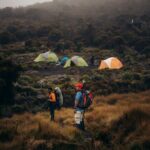
What you should plan for is pacing. This is a walking-centered day: waterfall hike first, then farm paths among coffee and banana trees, then lunch and tasting, then return. Because moderate fitness is recommended, you’ll likely feel it in your legs. Build in the mindset that you’re moving all day.
What I’d pack:
- grippy shoes for uneven, natural ground
- a light layer for mornings when you start early
- a small water plan (you have bottled water included, but extra comfort helps)
- something simple for photos, since Mount Kilimanjaro views are part of the schedule
Also, this tour includes a mobile ticket, and it’s near public transportation. That’s useful if you’re not using your hotel pickup every time. Speaking of pickup: pickup is offered, so if you want the smoothest start, ask for it during booking.
Finally, this is a private tour/activity with only your group. That’s a big quality-of-life feature if you dislike crowds or you want a more personal pace with your guide.
Who should book this tour (and who might prefer something else)
This tour is ideal if you want a real village day with guided learning. You’ll enjoy it most if you like:
- getting out of Moshi for a structured experience in the countryside
- learning about the Chagga community through a local guide
- a hands-on feel (walks, coffee area time, village food)
- the “try it” moments like banana beer testing
It’s also a smart pick if you want a highlight that isn’t just a viewpoint. The waterfall hike and the coffee tour both give you movement and context, not only a stop-and-go photo spree.
Who might rethink it? If you can’t do moderate walking, this probably won’t feel great. The itinerary is built around a hike and farm paths, so you’d want to look for a less active alternative if mobility is a concern.
Should you book the Bodaboda to Materuni Waterfall and Coffee Tour?
Yes, if you want one day that mixes waterfall views, coffee learning, and village hospitality without nickel-and-diming your budget. The strongest reason to book is how the day is designed around a guided story: Chagga community context, Mount Kilimanjaro views, a proper coffee farm walk, then food and banana beer testing.
I’d say book it sooner rather than later if you can handle moderate walking and you like tours where the guide’s personality matters. In the reviews, Sylvester is highlighted for being engaging and clear about coffee cultivation history, and that kind of guiding can turn a good day into a memorable one.
If you’re mainly chasing low effort and minimal walking, this won’t match that goal. But if you want a full village experience from Moshi with value baked in—this is the kind of tour that tends to earn repeat praise.
FAQ
How long is the Bodaboda experience to Materuni Waterfall and Coffee Tour?
It runs for about 6 hours.
What is the price per person?
The price is $52.00 per person.
Does the tour include pickup in Moshi?
Pickup is offered.
Is lunch and coffee or tea included?
Yes. Lunch is included, and the tour also includes coffee and/or tea.
What transportation is used during the tour?
You’ll use Bodaboda (motorbike) transport, go and return.
Can I get a full refund if I need to cancel?
Yes. You can cancel up to 24 hours in advance for a full refund. Cancellation within 24 hours won’t be refunded.