REVIEW · MOSHI
7 days, 6 Nights – Private Marangu Route
Book on Viator →Operated by Keys Tours · Bookable on Viator
Tanzania’s climb starts with comfort, then turns epic. I like the Keys Hotel setup in Moshi (easy access, pool, solid meals) and the laid-back Marangu pacing with plenty of time to enjoy the rainforest and acclimatization stops; I do note one consideration: you’ll do early, cold-dark starts for the summit push, and the trail can be muddy and slow in spots.
This is a private experience from Moshi, with airport pickup and a team that takes care of meals during the trek. You’re looking at a long, high-altitude week where your body earns the views—so if you’re the kind of traveler who likes photos, careful pacing, and getting your footing in scree, you’ll be in good shape.
In This Review
- Key Highlights You’ll Feel Right Away
- Moshi Basecamp: Keys Hotel Makes the Week Easier
- Quick context: what you’re actually chasing up there
- Day 2: Marangu Gate Through Rainforest to Mandara Huts
- The waterfall detour (worth considering)
- Possible drawback here
- Day 3: Mandara to Horombo Hut—Giant Heather and Altitude Work
- What I like about this day
- Your focus on the day
- Day 4: Toward Kibo Hut—From Heathers to the Moon-Like Alpine Desert
- Practical reality: colder air and harder steps
- Possible drawback
- Day 5: The Summit Push—Uhuru Peak, Gilman’s Point, and Sunrise
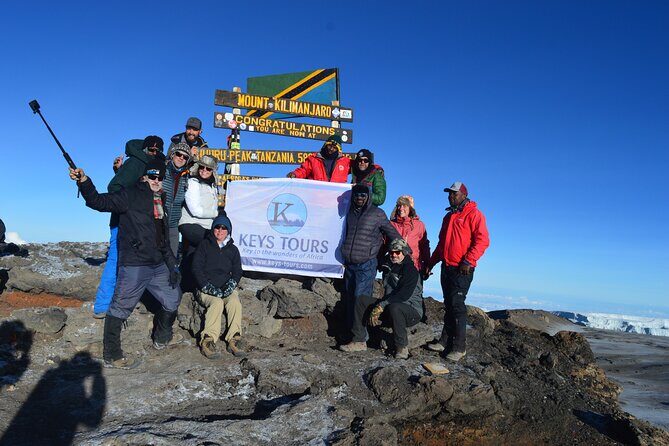
- The sunrise at the crater rim
- Where names and service show up
- Day 6: Horombo to Marangu Gate—Rainforest Steps and the Hot Shower Payoff
- The practical “value” of this day
- Price and Logistics: Is $1,965 Good Value?
- The trade-off you should think about
- Who This Private Marangu Climb Fits Best
- A Few Honest Tips to Make This Week Smoother
- Should You Book This Private Marangu Route?
- FAQ
- FAQ
- How long is this Kilimanjaro experience?
- Where does the tour start and when?
- What’s included in the price?
- What’s not included?
- Is this a private tour?
- What happens if weather is poor?
- What’s the cancellation window?
Key Highlights You’ll Feel Right Away
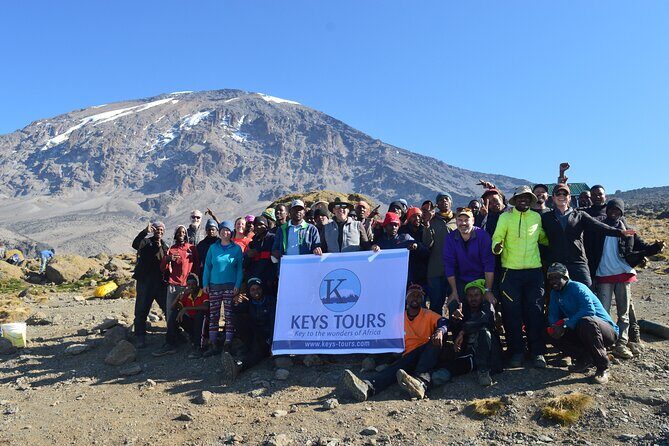
- Keys Hotel in Moshi: family-run comfort on the mountain slopes, plus a clean pool and friendly service
- Private, team-led climb: you’re not sharing the experience with strangers, and your guides/porters handle the heavy lifting
- Rainforest to alpine desert: shifting plant life as you climb, from muddy jungle trails to a moon-like rock zone
- Sunrise at Uhuru Peak: the most memorable part for many people, with headlamps lined up like fireflies
- Practical Marangu routine: hut nights (Mandara, Horombo, Kibo) and structured hike days with included meals
- Descent that feels like a speed-run: a fun (and real) scree-slide option after the summit
Moshi Basecamp: Keys Hotel Makes the Week Easier
Most Kilimanjaro trips start with stress—packing, catching buses, hoping you got the right advice. This one starts smoother. After you land at Kilimanjaro International Airport, a representative meets you and transfers you to Keys Hotel in Moshi. The hotel sits on the slopes of Kilimanjaro, and that matters: you’re close enough to the action that your day feels less like a travel scramble and more like a build-up.
I’d especially look forward to Keys Hotel if you want a real break between altitude days. It’s described as family-run, with comfortable rooms, a clean swimming pool, and meals that keep things simple and filling. It’s also about a 10-minute walk to Moshi town center, so if you want a quick bite, a pharmacy run, or just to stretch your legs off-site, you can.
There’s also something underrated here: getting enough sleep before you start climbing. Your summit morning is early—so your first night and the days around it matter.
You can also read our reviews of more private tours in Moshi
Quick context: what you’re actually chasing up there
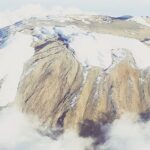
Kilimanjaro is made of multiple volcanic formations. The main peaks include Kibo (5,895m) and Mawenzi (5,149m), plus the older extinct Shira (3,962m). The name Kilimanjaro has ties to “Kilima” (mountain in Swahili) and “Njaro” (whiteness in Kichagga), which fits the famous snowcap image people picture.
It’s also a national park since 1973, tourism opened in 1977, and it became a UNESCO World Heritage Site in 1987 (later recognized as a Natural Wonder of Africa). All that history is cool—but for your body, the key fact is simpler: it’s altitude, weather shifts, and long days.
Day 2: Marangu Gate Through Rainforest to Mandara Huts
On your second day, you move from Moshi up toward Kilimanjaro National Park via the Marangu Gate. The experience starts in the rainforest, and that’s not just a scenic detail—it shapes your whole first hiking day.
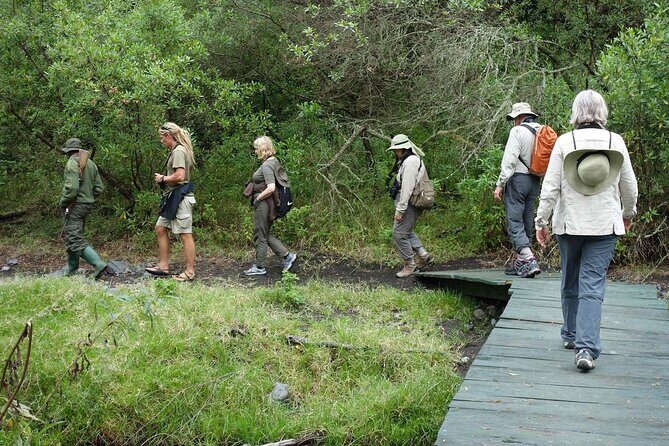
You’ll walk on a trail that can be muddy, with dense vegetation and a lot of vegetation cover. That usually means two things:
- The air can feel humid, and your pace needs to stay controlled.
- The temperature swings aren’t as extreme as on the higher route sections, but footing becomes the priority.
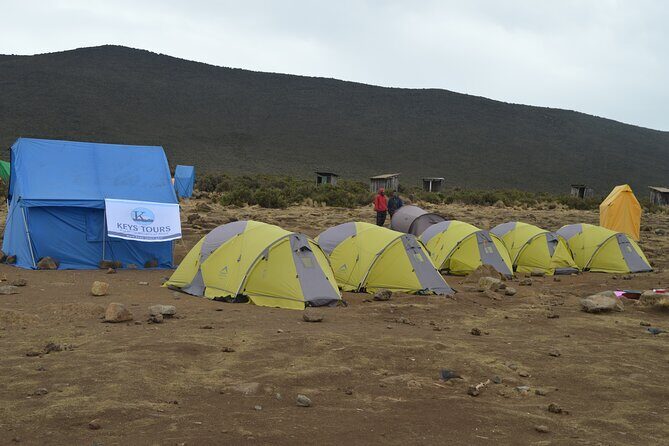
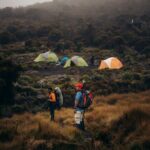
The itinerary has you hiking around 4 hours to Mandara Hut (about 2,700m). The pace is described as slow and comfortable, and there’s time for photos and a packed lunch during the day. Meals are included during the climb, and your guide/porters handle preparation—so you’re not juggling cooking logistics while also adjusting to altitude.
The waterfall detour (worth considering)
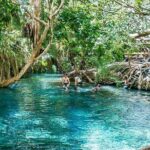
There’s mention of a detour to waterfalls in the rainforest. If it’s offered by your guide on the day you go, it’s the kind of side experience that makes the first day feel special without breaking the plan. One practical tip: before you set off, talk with your guide about the detour so you understand how it affects timing and energy.
Possible drawback here
Rainforest mornings can be wet. Even if you’re feeling fine, muddy trails mean slower progress and more focus on steps. If you hate wet boots, this is not your fantasy hike. If you can handle boots-that-still-dry-later, it’s great.
A few more Moshi tours and experiences worth a look
Day 3: Mandara to Horombo Hut—Giant Heather and Altitude Work
Day three pushes you to Horombo Hut (around 3,700m). This section is important because it’s where acclimatization turns into a real strategy, not just a slogan.
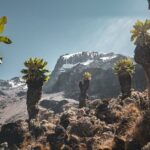
You’ll start with a steep stretch that can be wet, then transition into a 2km area of tall giant heather mixed with tussock grass. That change isn’t just visual. Vegetation cover affects how the trail feels—wind can come through differently, and the ground texture changes. Higher up, the hike isn’t about sprinting; it’s about consistent rhythm.
Expect about 5 hours from Mandara to Horombo, with the day running longer overall (around 7 hours is noted). The vegetation shifts again into stunted heather with everlasting flowers and short tussock grasses, and there’s mention of lobelia and groundsel in wetter areas.
What I like about this day
This day feels like the “workhorse” of the ascent. You’re still getting variety—forest elements are fading, but the hike isn’t all boring stone yet. The change in scenery keeps you mentally engaged, and that matters at altitude.
Your focus on the day
- Keep your pace slow.
- Don’t treat this as a cardio challenge.
- Use the quiet rhythm for photos and careful breathing.
Day 4: Toward Kibo Hut—From Heathers to the Moon-Like Alpine Desert
Day four is where Kilimanjaro starts to look like a different planet. After breakfast, you hike along a path that traverses west, then turns north toward Middle Red Hill and the Triplets before heading to the final climb for Kibo Hut (around 4,700m).
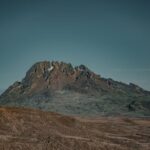
The day is described as a long walk of about 7 hours, ending in alpine desert terrain. Think rocks, scattered ground, and a stark, high-altitude feel. The description compares the walking sensation to being on the moon, and that tracks with what hikers experience when vegetation thins dramatically and your world shrinks to trail, air, and sky.
You’ll also get one of the nicer payoff moments of the climb: views toward Mawenzi Peak to the east are noted as especially spectacular.
Practical reality: colder air and harder steps
When you go from rainforest to rock desert, your “comfort level” drops quickly. Even if the trail is steady, the air can feel thin and your legs may work differently. This is a good day to keep expectations realistic: your job is to reach the hut safely and rest well.
Possible drawback
This is a long day. If you’re coming in stressed or impatient, you’ll feel it. If you’re comfortable with slow movement and the idea that the summit is still days away, you’ll be fine.
Day 5: The Summit Push—Uhuru Peak, Gilman’s Point, and Sunrise
Day five is the one everyone talks about: the summit morning.
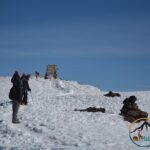
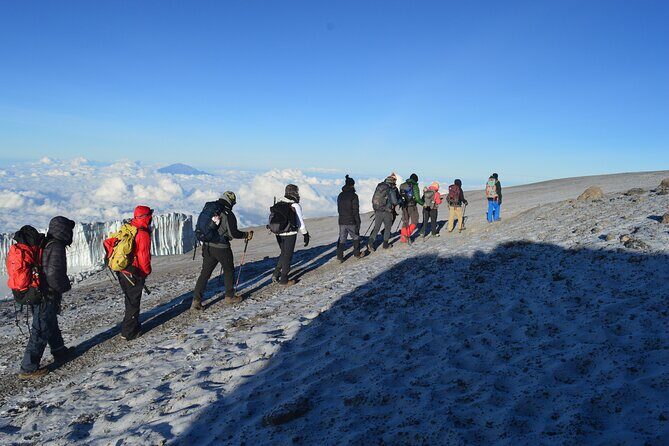
You’ll need an early wake-up, with a quick bite and something warm to drink before setting off in darkness. The hike to Gilman’s Point is described as a slow steep walk on volcanic scree for about 5–6 hours. Scree changes everything. Each step can feel like it slides a bit, so you’re constantly balancing speed with stability.
A memorable image is how the headlamps line up on the trail toward the summit, looking like fireflies. That detail is funny, but it also highlights something real: you’ll see people spread out across the mountain in a long line, each working through the same difficult climb in their own pace.
The sunrise at the crater rim
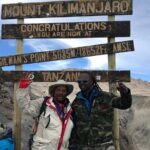
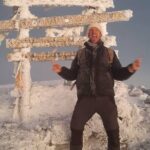
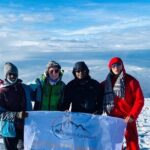
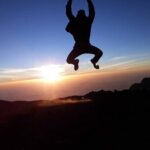
The big moment arrives as you approach the crater rim. The sunrise is described as a golden sunrise over Africa, with the curvature of the earth visible at that height and the sunrise horizon adding drama. If you’re someone who loves photography, you’ll want your camera accessible because there are plenty of opportunities along the summit route.
Then you descend. The itinerary notes that the trail down from Gilman’s Point on the Marangu route can be fun, with a scree slope slide option—skidding down the loose gravel with big steps and some sideway moves. This is one of those “try it if conditions are safe and you feel stable” moments.
Where names and service show up
This is also where I’d pay attention to who’s guiding you. In past experiences tied to this style of climb, guides such as Moses and John Bosco have been highlighted for making the climb feel smoother and more supported, and other team members like Swai and Trizer have been noted for helping travelers feel safe. That matters most on summit day, when your body is tired and decision-making needs to stay calm.
Day 6: Horombo to Marangu Gate—Rainforest Steps and the Hot Shower Payoff
After the summit, you’re moving downhill to Horombo Hut and then continuing to Marangu Gate.
The descent starts with high spirits because you’ve done the hard part. But your body may still feel wobbly. One itinerary detail worth noting: you may stop at Kibo Hut briefly depending on how you feel, before continuing down to Horombo and then onward.
From Horombo to Marangu Gate, you’ll hike through rainforest again. The trail has many steps leading down, and the experience is described as lush, including Old Man’s Beard (tree moss) growing on giant trees and giant ferns towering above the forest bed. That’s a nice emotional reversal: after days of rock and cold, the rainforest feels like a deep breath.
You’ll reach Marangu Gate and then be transferred back to Keys Hotel for a hot shower and an overnight rest.
The practical “value” of this day
You’re not just walking to finish. You’re resetting your body. A proper hot shower and rest at a comfortable hotel can make the end of the trip feel dignified instead of frantic.
Price and Logistics: Is $1,965 Good Value?
At $1,965 per person, you’re paying for more than “a week on a mountain.” You’re paying for:
- A private climbing experience (not sharing your team with other groups)
- Pickup from the airport and transfers between Moshi and the trailheads
- A full food plan during the trek: breakfasts (5), lunches (4), dinners (3) plus meals prepared by guides and porters
- The operational side of national-park trekking: parking fees are included
What’s not included is also clear: drinks and tips. In other words, your baseline costs are handled, and your personal spending stays personal.
The trade-off you should think about
This price is not for a budget-only vibe. You’re buying comfort before and after the climb (Keys Hotel) and support during the climb (guides and porters preparing meals). If you want the cheapest possible way to attempt Kilimanjaro, you might shop elsewhere.
If you want your trip to feel organized and human—especially on summit day and during long hiking stretches—the structure here can justify the cost.
Who This Private Marangu Climb Fits Best
This plan suits travelers with moderate physical fitness who can handle long hiking days and high altitude demands. It also fits people who like a guided pace and want their trek support to feel solid from start to finish.
You’ll likely enjoy it most if:
- You want a classic route profile with hut nights (Mandara, Horombo, Kibo)
- You care about comfort in Moshi and want a reliable hotel base at the start and end
- You want a private experience where your group moves together with your team
- You’re excited by the idea of sunrise at Uhuru Peak and the emotional payoff
If you’re the type who hates cold starts or has trouble with scree footing, take a serious look at whether you can be patient on summit day and steady during descents.
A Few Honest Tips to Make This Week Smoother
I can’t control weather or your body, but I can point out the details that usually decide whether the week feels great.
- Plan for an early summit wake-up: you’ll be moving in darkness, and you’ll rely on warm drinks and a quick bite to get going.
- Expect muddy trail segments early on: rainforest sections can be wet and slow.
- Treat acclimatization as your job on the middle days: don’t race the itinerary.
- Keep your camera ready on summit day and around the crater rim. That sunrise description is the kind you remember, not the kind you skip.
- Bring tip money if you want to tip: tips aren’t listed as included, and you’ll likely appreciate the effort of guides and porters up close.
Should You Book This Private Marangu Route?
If you’re going to climb Kilimanjaro, I think this is the kind of setup that makes the difference between a chaotic trip and a focused one. The big strengths are the Keys Hotel base (comfort, pool, easy access to Moshi) and the private support that keeps the climb running: guides and porters handle meals, you get structured days with time to enjoy the scenery, and you’re positioned to chase the sunrise at Uhuru Peak.
I’d hesitate only if you’re very budget-driven or if cold-dark summit mornings and scree footing sound like something you’d regret. Otherwise, this Marangu plan offers a balanced mix of rainforest beauty, altitude discipline, and a summit morning that’s built for memorable views.
FAQ
FAQ
How long is this Kilimanjaro experience?
It’s scheduled for 7 days and 6 nights, with the climbing itinerary running about 6 days.
Where does the tour start and when?
The start is at Kilimanjaro International Airport, with a start time of 7:30 am.
What’s included in the price?
The price includes parking fees, plus breakfast (5), lunch (4), and dinner (3) during the climb.
What’s not included?
Drinks and tips aren’t included.
Is this a private tour?
Yes. It’s a private tour/activity, so only your group participates.
What happens if weather is poor?
This experience requires good weather. If it’s canceled due to poor weather, you’ll be offered a different date or a full refund.
What’s the cancellation window?
You can cancel up to 3 days in advance for a full refund. If you cancel less than 3 days before the start time, the amount paid is not refunded.