REVIEW · ARUSHA
3 Day Serengeti National Park & Ngorongoro Crater Camping Safari
Book on Viator →Operated by SafariHQ · Bookable on Viator
Serengeti nights feel like a different planet. This 3-day camping safari puts you in a 4×4 for game drives in Tanzania’s best-known parks, then drops you into the Ngorongoro Crater caldera where wildlife concentrates in a natural bowl. You’ll travel with SafariHQ, sleep at the campsite as part of the experience, and get real-time guidance for spotting the animals that matter most, from big cats to rhino. The Ngorongoro setting is the real hook, because it’s an intact volcanic caldera holding about 30,000 animals at a time.
I especially like two things about this trip. First, it’s a small group capped at 6 travelers, which makes it easier for the guide-driver to keep everyone oriented and react quickly when animals show up. Second, the guiding seems to be a major strength: many departures mention guides like Daniel Lyimo, Emmanuel, James, Peter, and Manuel steering you to strong viewing positions while also calling out what you’re seeing along the way.
One thing to keep in mind: camping safari comfort can be basic. One shared downside was very dirty ablutions on the first night, and another note was that you should plan for cooler conditions on the Ngorongoro side and bring warm clothes.
In This Review
- Key highlights you’ll actually feel on this safari
- Arusha to Serengeti: how the first day sets your expectations
- What I like about this pacing
- Possible drawback
- Serengeti mornings and Seronera lunch: the best way to catch wildlife patterns
- Afternoon drive toward the Ngorongoro rim
- What to watch for
- Ngorongoro Rim to the crater floor: why this caldera feels unreal
- Wildlife you’re likely to encounter inside the crater
- One real-world consideration
- Camping life: food, comfort, and the small stuff that matters
- The drawback you should plan around
- Big value check: is $1,100 per person fair for what you get?
- What you should budget separately
- Who gets the best deal from this format
- Group dynamics, transport, and real expectations
- Who should book this camping safari (and who might not)
- Should you book this 3-day Serengeti + Ngorongoro camping safari?
- FAQ
- What’s included in the safari price?
- Are meals provided during the 3 days?
- Do I need to pay park fees or camping fees separately?
- Is pick-up or airport transfer included?
- Do I pay tips to the guide or driver?
- What group size is this safari?
- Can I cancel and get a full refund?
Key highlights you’ll actually feel on this safari
- Small group (max 6): more time with your guide and less waiting around for the next decision.
- Big-cat and rhino focus: Serengeti plus Ngorongoro gives you strong odds for cheetah, leopard, and the black rhino.
- Campsite rhythm: the days are built around morning and late drives, with meals timed to keep energy up.
- Ngorongoro Crater scale: a 265 sq km caldera with sides up to 600 m deep means dramatic visibility and dense animal presence.
- Food handled on the trip: cooked lunches and breakfasts/dinners are included, with coffee and tea each day.
- Culture stop included: you also get a Maasai boma visit as part of the package.
Arusha to Serengeti: how the first day sets your expectations
The tour starts from Arusha with a safety talk and briefing. It’s a good way to get your bearings fast: how to behave around wildlife, how to manage your viewing time, and what to listen for when your guide spots movement.
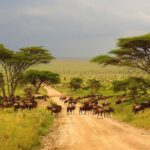
Then the driving begins, rolling through the Ngorongoro Highlands area before you reach Serengeti National Park for an afternoon game drive. Serengeti is Tanzania’s oldest national park and a World Heritage Site, and it’s famous for the Great Wildebeest Migration—the kind of event that can change what you see depending on the time of year. Even if the full spectacle isn’t the main focus on your specific dates, Serengeti still has a big density of animals and long sightlines that make it easier for you to spot movement and interpret the landscape.
A few more Arusha tours and experiences worth a look
What I like about this pacing
Afternoon drives into Serengeti are smart on day one because you get acclimated without burning the whole day before you understand how your guide works. You also start building your mental list of what’s common vs. what’s rare.
Possible drawback
Because it’s an early start and a full driving day, you’ll want to be ready for a faster rhythm than a typical sightseeing trip. If you’re the type who needs slow mornings, schedule your mindset accordingly.
Serengeti mornings and Seronera lunch: the best way to catch wildlife patterns
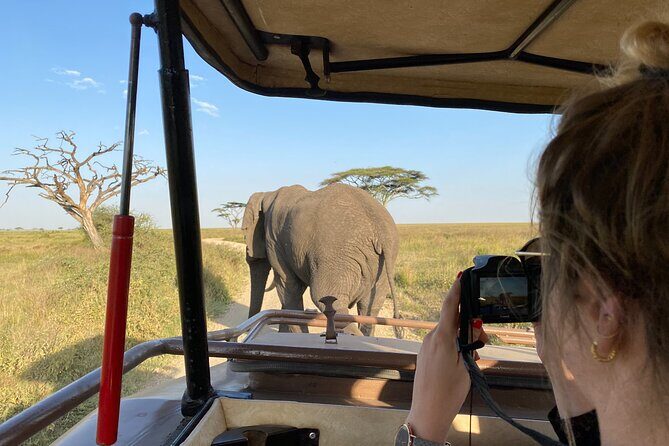
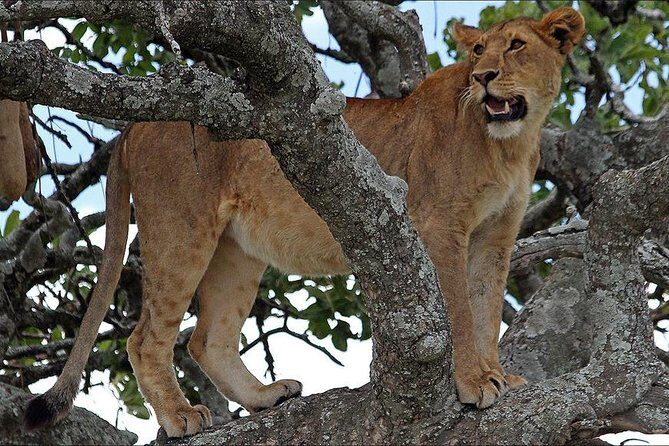
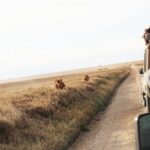
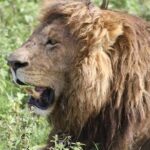
Day two shifts into two game-drive sessions, starting with a morning drive. This is where Serengeti does its thing: wide-open country plus big-animal concentrations. You should expect a mix of common sightings and occasional surprises. Based on the tour description, that includes cheetah, wildebeest, lion, giraffe, dik-dik, impala, gazelle, buffalo, and hippo, plus the possibility of an elusive leopard.
One practical advantage here is that your guide has time to “work” the morning. That matters because on safari, the best viewing spots aren’t always where you first stop—they’re often the places you reach after you’ve studied the area. The guides highlighted in the feedback—like Daniel Lyimo, Emmanuel, and James—are repeatedly described as strong at finding animals and helping you get close photo opportunities when the situation allows.
After the morning drive, you head to Seronera Campsite for a cooked lunch prepared by SafariHQ chefs. This is an important part of the day because it breaks up the game-drive intensity and gives you time to recharge. It’s also one of those moments that turns a “wildlife tour” into an actual trip you’ll remember: the staff setting up, the smell of meals after dust and sun, and the reality that you’re doing this as a camping safari, not a quick drive-through.
Afternoon drive toward the Ngorongoro rim
After lunch, you go back out for another game drive on the route through Serengeti and the Ngorongoro Conservation Area, heading toward the Ngorongoro Crater Rim. Expect long stretches where your guide scans for movement, then shorter moments where everything changes fast because an animal appears close.
A few more Arusha tours and experiences worth a look
What to watch for
Two-day builds can create fatigue, especially when you’re scanning nonstop. I suggest you take breaks mentally, not just physically. If you’re trying to memorize every species, you’ll burn out. Instead, pick a few targets (cats, rhino chances, hippo/buffalo groups) and let the rest be bonuses.
Ngorongoro Rim to the crater floor: why this caldera feels unreal
On day three, you descend into the Ngorongoro Crater for game viewing. This is the star. The crater is the world’s largest intact volcanic caldera, a bowl about 265 square kilometers across with sides up to 600 meters deep. The tour also notes it holds roughly 30,000 animals at any one time, which helps explain why sightings can feel so concentrated compared with many other parks.
Ngorongoro is also where black rhino is part of the conversation. The tour description specifically says the crater is home to the last few black rhinos in East Africa. That’s not a promise you’ll see one, but it sets the right mindset: your guide will likely prioritize the areas and timing that give the best chance.
Wildlife you’re likely to encounter inside the crater
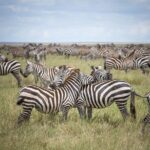
Chances for cheetah and leopard are called out as good, along with the chance of black-maned lions. You should also expect to see animals like wildebeest, zebra, eland, gazelle, and lions. Another neat detail: Lake Magadi’s soda waters can bring in flamingos, so keep an eye out for those pink clusters when the scenery opens up.
One real-world consideration
One piece of feedback said you definitely need warm clothes on the Ngorongoro side. That makes sense in practice because you can be in bright sun at rim height and still feel cooler once you’re deeper in the crater. Bring layers you can pull on quickly and a warm layer you’ll actually wear, not just carry.
Camping life: food, comfort, and the small stuff that matters
This is a camping safari, so your comfort will be a mix of logistics and good organization. The included meals are a real plus here. The package lists all meals plus coffee and tea daily, mineral water daily, and lunch and dinner included across the days. There’s also mention in feedback of packed lunches for park/crater time—exactly what you want when game drives run longer than planned and you don’t want hunger to steal your attention.
The accommodations are listed as part of the deal, and many comments praise campsites as clean and well set up, with tents ready each night. There’s also consistent praise for the chef and food quality—one note specifically calls out delicious breakfast and dinner and the fact that a chef and support team handled meals smoothly.
The drawback you should plan around
Still, camping means you should accept basic conditions. One review said the first night ablutions were very dirty, and that’s the kind of issue you should be prepared for rather than surprised by. If you’re sensitive to bathroom conditions, pack your own small hygiene supplies so you’re not caught unprepared.
Big value check: is $1,100 per person fair for what you get?
At $1,100 per person, this isn’t a budget safari in the typical sense. But it also isn’t just a set of drives with no support. You’re paying for a package that includes park and camping fees, a 4×4 safari vehicle and guide, airport transfers, mineral water daily, coffee and tea daily, and all meals. You’re also getting a Maasai boma visit, which adds a cultural component beyond the pure wildlife focus.
What helps the value is that many of the big line items on a safari are usually the expensive parts: park fees, vehicle time, and guiding. By bundling them, you avoid the “surprise costs” that can pop up when tours are priced low but extras pile on later.
What you should budget separately
The package doesn’t include porterage, travel insurance, laundry, alcoholic beverages, or hotel phone calls. Tips are also on you: the guidance included asks you to tip drivers $20 per day. If you’re thinking about total cost, add that into your internal math so the trip stays comfortable financially.
Who gets the best deal from this format
If you want Serengeti plus Ngorongoro in only 3 days, this is a tight route. The value is best for people who want a full wildlife hit without spending a week planning every segment.
Group dynamics, transport, and real expectations
This safari runs with a maximum of 6 travelers. That small size matters because safaris work on responsiveness: when your guide gets an animal location, the vehicle needs to move at the right moment and keep everyone with good sightlines.
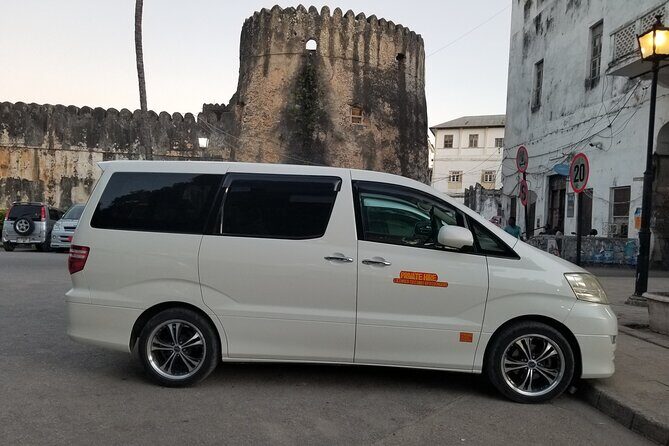
The tour offers pickup and includes airport transfers, and it uses a mobile ticket. It’s also described as near public transportation. That combination is practical if you’re staying in Arusha pre-trip and want an easier handoff into the safari days.
The tour also states that most travelers can participate and any age is accepted on this safari. That said, it’s still active: you’re spending hours in a 4×4 and you’ll likely do early mornings and long drives. If you have mobility constraints, treat this as an “ask questions early” situation with your operator.
Who should book this camping safari (and who might not)
Book it if you:
- Want Serengeti and Ngorongoro together, not as separate trips
- Like the camping safari vibe and can handle basic camp conditions
- Care about seeing big cats and want black rhino chances at Ngorongoro
- Appreciate strong guiding and spot-ability—names that repeatedly come up include Daniel Lyimo, Emmanuel, James, Peter, and Manuel
You might consider a different style if:
- You’re very sensitive to bathroom cleanliness in camps
- You dislike cold mornings and cooler crater-day conditions (bring warm layers either way)
- You want alcohol included or expect luxury lodging standards
Should you book this 3-day Serengeti + Ngorongoro camping safari?
If your dream safari includes both Serengeti game drives and the crater-floor intensity of Ngorongoro, this is a strong match. The package is built around the places that deliver the big moments: lots of wildlife time, catered meals, and a guide who helps you turn sightings into real understanding.
My call: book it if you’re ready for camping reality, you’ll pack for temperature swings (especially warm clothes), and you’re okay budgeting for driver tips. If that sounds like your style, you’re set up for a trip that feels like Africa, not just a checklist.
FAQ
What’s included in the safari price?
The package includes all fees and taxes, park and camping fees, a 4×4 safari vehicle and guide, mineral water daily, airport transfers, coffee and tea daily, accommodation as listed, all meals, and a Maasai boma visit.
Are meals provided during the 3 days?
Yes. All meals are included, including breakfast (2), lunch (3), and dinner (2). The tour description also notes lunches are prepared and served for park and campsite time.
Do I need to pay park fees or camping fees separately?
No. Park and camping fees are listed as included.
Is pick-up or airport transfer included?
Yes. Airport transfers are included, and pickup is offered.
Do I pay tips to the guide or driver?
Yes. The guidance is to tip drivers $20 per day. Hotel gratuities are also not included, so plan for that.
What group size is this safari?
The tour has a maximum of 6 travelers.
Can I cancel and get a full refund?
Yes. Cancellation is free up to 24 hours in advance of the experience start time for a full refund. If you cancel less than 24 hours before, you won’t receive a refund.