REVIEW · ARUSHA
3 Days Safari Serengeti NP and Ngorongoro Crater
Book on Viator →Operated by Simba Adventures · Bookable on Viator
Serengeti and Ngorongoro in just three days is a smart way to chase the big sightings—without turning your trip into a logistics project. I like that this tour keeps you in the action with a sunset drive on Day 1 and an early sunrise drive on Day 2, the two times wildlife watching is often at its best. I also like the human touches people seem to remember: guides with real field skill and even the camp experience (including food) stays part of the journey—when you’re fed well out there, the whole day feels easier.
The main thing to consider is that you’re sleeping at campsites, not a hotel—so pack for camping comfort and expect basic outdoor conditions as part of the deal.
In This Review
- Key things that make this safari work
- Big Five chances in three days (and what that really means)
- Day 1: Arusha to Serengeti, then a sunset game drive
- Day 2: Sunrise in Serengeti, then Ngorongoro dinner and sleep
- Day 3: Descend into Ngorongoro for about six hours of crater-floor viewing
- Where you sleep: campsites, meals, and the comfort math
- Price and value: what you’re paying for at $962
- Guides, food, and why this feels human (not robotic)
- Photo and viewing tips that match this itinerary
- Who this safari suits best
- Should you book this 3-day Serengeti and Ngorongoro safari?
- FAQ
- What animals are the Big Five in this safari?
- Where does the safari start and end?
- Is pickup offered?
- How long is the tour?
- What accommodations are included?
- Are meals included?
- What is the group size limit?
- Is a driver guide included?
- What costs are not included?
- Can I cancel for a full refund?
Key things that make this safari work

- Serengeti at both ends of the day: sunset on Day 1, sunrise on Day 2 for two peak-feeling game drives
- A long crater day: about 6 hours on the Ngorongoro floor for serious viewing time
- Small group size: up to 7 travelers, which usually means less crowding during drives
- All meals and mineral water included: plus camping facilities, so you’re not juggling daily costs out there
- A crew you interact with: driver guide and cook are built into the experience, not an add-on
Big Five chances in three days (and what that really means)

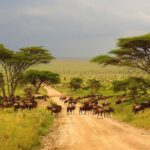
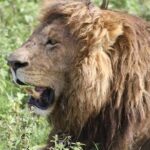
If your dream is to see the Big Five—lion, elephant, buffalo, rhino, and leopard—this route is one of the classic ways to focus your time in Northern Tanzania. Serengeti gives you the broad wildlife stage: open plains, thick bush, swamps, lakes, and lots of different habitats in one park. Ngorongoro Crater (technically the Ngorongoro Conservation Area) is a different kind of wildlife experience: a huge collapsed volcano with a crater floor that concentrates animals.
Here’s the truth you should plan around: even with a great guide, sightings are never guaranteed. But this style of itinerary is built for maximizing odds. You’re in Serengeti at the times when animals often move more, then you spend a long chunk of Day 3 at ground level inside the crater, where viewing is intense and close-range possible.
Also, this is a value-minded safari format. At $962 per person for a 3-day package, you’re paying for transport, park-related costs, meals, and the camping setup, all together. In other words, you’re not piecing it out from five different vendors while you’re already in East Africa.
A few more Arusha tours and experiences worth a look
Day 1: Arusha to Serengeti, then a sunset game drive
Your day starts in Arusha after an early breakfast, and you’re picked up for the drive to Serengeti National Park. This first transfer matters more than it sounds. The time on the road is your runway: you’re getting positioned so your first wildlife time doesn’t feel rushed.
After lunch, you go out in the afternoon for a sunset game drive. That timing is popular for a reason. Light changes fast, shadows stretch, and animals often look more active in those hours. If you want photos that feel alive—golden edges, dust in the air, animals in motion—sunset is where you’ll usually spend your best energy.
You end the day at Seronera Nyani Campsite. Camping here can feel like a real change of pace from city life. There’s something grounding about hearing the sounds of the park after the drive. The upside is you’re close enough to wildlife routine that the next morning’s early outing makes sense.
What to watch for: your comfort on the drive. If you’re sensitive to bumpy roads, bring layers and something to help with dust. The tour includes safari transportation and all meals, but the physical reality of safari travel is still part of your day.
Day 2: Sunrise in Serengeti, then Ngorongoro dinner and sleep

Day 2 is where the safari often starts feeling like a real movie. You wake up early, before breakfast, for a sunrise game drive. Sunrise is all about momentum. You’re starting in cooler hours, with animals often more noticeable—then you build your day from there.
After the drive, you return for late breakfast or brunch at camp, and you continue with more game viewing on your way toward Ngorongoro. You’re not just transferring. You’re using travel time as another wildlife window.
By evening you arrive for dinner and overnight at Simba Campsite in the Ngorongoro Conservation Area. This matters because it sets up Day 3. You won’t be racing into the crater after a long travel day—you’re already in the right place to get an early start.
A detail worth paying attention to: small-group safaris can feel more personal on days like this. With a maximum of 7 travelers, you typically have a better chance of hearing instructions clearly, asking questions without shouting over everyone, and adjusting your viewing habits without feeling like you’re in a bus crowd.
Possible drawback to consider: this is an early-morning schedule. If you don’t do well with alarms, plan to treat your body gently—hydration, a good breakfast after the morning drive, and rest when you can.
Day 3: Descend into Ngorongoro for about six hours of crater-floor viewing

This is the big finish. After an early breakfast, you leave camp and descend into the crater floor for around 6 hours of game drive time. That long stretch is a gift. You’re not getting a quick hit and a goodbye. You’re getting repeated chances to adjust: when animals move, when herds change direction, when the best sight lines open up.
Ngorongoro is famous for density. Over 25,000 mammals call it home, and the crater is where the Big Five story becomes most dramatic—lion, elephant, buffalo, rhino, and leopard are all part of the possibility set here. Even if you don’t tick every box, the experience of being in that landscape is intense: scale, wildlife movement, and constant visual payoff.
After the crater game drive, you drive back toward Arusha. The tour ends back at the meeting point, though you can be dropped off at your hotel of choice in Arusha. Either way, you’ll likely feel the “safari afterglow”: tired in a good way, a little dust-covered, and mentally sorting your photo roll into keepers.
What to bring on the crater day: patience and layers. Crater mornings can feel different from the rest of the region, and you’ll be parked and driving for hours. Comfortable shoes matter, too—safari days are one long session of getting in and out of the vehicle.
Where you sleep: campsites, meals, and the comfort math

This tour uses Seronera Nyani Campsite on Night 1 and Simba Campsite on Night 2. You should think of these as functional, out-in-the-wild lodging with camping facilities included. That’s a huge plus for value because it reduces the shopping list for what you need to pay for on the spot.
The package includes all meals and mineral water, which is exactly what you want to hear on a safari. When food and water are handled, you spend your mental energy on the day’s viewing instead of hunting down snacks, figuring out prices, or managing dietary stress while you’re already far from town.
Also, the quality of the camp experience shows up in real feedback. People mention the chef doing a great job, and that friendly service makes it easier to relax after long drives. When your food is solid and the team is warm, camping stops feeling like a compromise and starts feeling like part of the adventure.
Comfort reality check: you’ll still want to pack smart for nights out in the bush: a warm layer for early hours, something for dust, and whatever personal items you rely on daily. The tour does not include personal items, so bring the basics you’d normally hate to go without.
A few more Arusha tours and experiences worth a look
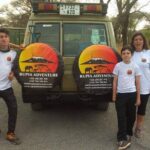
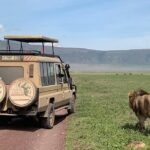
Price and value: what you’re paying for at $962

Let’s talk about the money in a way that helps you decide. At $962 per person for 3 days, the big question is whether it covers the real costs safari travelers care about.
This package includes:
- All fees and taxes
- Airport transfers
- All meals and mineral water
- All camping facilities
- Driver guide and cook
- Safari transportation
That’s a lot bundled together, and bundling matters. It reduces decision fatigue and stops you from discovering surprise add-ons at each step. It also usually means the operator has arranged the logistics so you can focus on game drives.
What’s not included is also important:
- Tipping
- Personal items
- Hotel in Arusha before/after safari
So if you need an extra night in Arusha pre- or post-safari, budget for that separately. The experience starts with pickup from your hotel area and ends back at the meeting point, but if your travel dates don’t line up perfectly, you may have to arrange your own city hotel.
Who gets the best value here: couples, small groups of friends, and solo travelers who are happy with camping and want a clean, structured route for big wildlife targets.
Guides, food, and why this feels human (not robotic)

A safari can either feel like a checklist or like a guided field day. The difference is often the guide. Names like Issack come up in feedback as someone who really knows what to look for and how to guide the day. That kind of skill matters because wildlife can be invisible until you know where to look and when to move.
The other standout is camp teamwork. Feedback also highlights a chef producing great food and a crew that stays friendly and helpful. After hours in the vehicle, that matters more than you might expect. Good meals help you stay energized, and a calm crew helps you stop worrying about the small stuff.
If you like a safari that has a personal feel—even when it’s organized—this small-group setup (max 7 travelers) is a strong match. It’s not silent luxury, and it’s not a huge crowd either. It’s the middle lane: structured, but still human.
Photo and viewing tips that match this itinerary

You can’t control where animals go. But you can control how ready you are when they appear.
Here are practical moves that fit this exact schedule:
- Use your early hours: sunrise on Day 2 is a priority; don’t oversleep or skimp on sleep the night before.
- Plan for dust and sun: even in cooler morning light, conditions can change. A cap, sunglasses, and light layers help.
- Treat the long crater day as your main effort: Day 3 is your longest block, around six hours, so plan to stay alert and patient.
- Keep your camera accessible: you’ll be taking pictures at stops and while the vehicle is moving slowly.
- Ask questions during downtime: with a small group, you can often get clearer answers from the driver guide instead of shouting over a crowd.
And one more: conserve your energy. These days are long and bumpy. If you push yourself too hard, you’ll feel it by afternoon—right when sightings might get best.
Who this safari suits best
This tour is a good fit if you:
- Want a classic Northern Tanzania route in a short time
- Care about seeing the Big Five, especially the crater-based possibilities
- Are okay with camping for two nights
- Prefer a small group experience
It’s also fine if you’re traveling solo, as long as you’re comfortable joining a small group. If you want hotel-style comfort every night, you might find the campsites a mismatch.
Should you book this 3-day Serengeti and Ngorongoro safari?
Yes, you should consider booking it if you’re serious about Serengeti plus Ngorongoro and you want a tight plan that maximizes early-day game drives and gives you a long crater experience. The bundled value is strong: fees, meals, water, camping facilities, and transport are all included, so you’re not constantly adjusting budgets mid-trip.
I’d hold back if camping comfort is a hard requirement for you, or if you’re the type who can’t handle early starts. Also, if your travel dates don’t line up well with a safari-ready schedule in Northern Tanzania, you may need to plan your Arusha hotel nights carefully since it isn’t included.
If your goal is wildlife, big landscapes, and a manageable 3-day timeline, this is the kind of safari that can deliver lasting memories—without turning your vacation into a spreadsheet.
FAQ
What animals are the Big Five in this safari?
The Big Five listed for this safari are lion, elephant, buffalo, rhino, and leopard.
Where does the safari start and end?
It starts at Hotel EquatorClock Tower, Arusha, and ends back at the meeting point.
Is pickup offered?
Yes. Pickup is offered.
How long is the tour?
It runs for 3 days (approx.).
What accommodations are included?
You stay at Seronera Nyani Campsite on Day 1 and Simba Campsite on Day 2, with camping facilities included.
Are meals included?
Yes. All meals and mineral water are included.
What is the group size limit?
The tour has a maximum of 7 travelers.
Is a driver guide included?
Yes. A driver guide is included, along with a cook.
What costs are not included?
Tipping, personal items, and your hotel in Arusha before/after the safari are not included.
Can I cancel for a full refund?
You can cancel up to 24 hours in advance for a full refund. The experience depends on good weather. If it’s canceled due to poor weather, you’ll be offered a different date or a full refund.
If you tell me your travel month and whether you’re comfortable with camping, I can help you sanity-check timing and packing for your specific trip.