REVIEW · DAR ES SALAAM
Dar Es Salaam: Overnight Safari at Mikumi National Park
Book on GetYourGuide →Operated by Dove Adventure Tanzania · Bookable on GetYourGuide
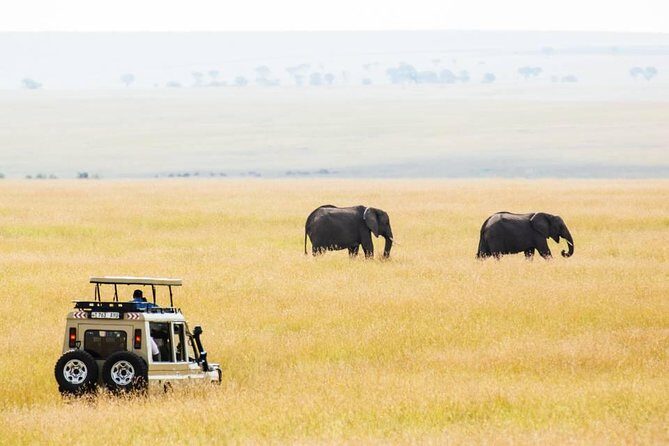
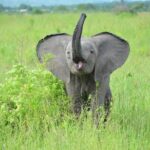
Wildlife time is the real luxury here. A quick hop from Dar es Salaam turns into two full days in Mikumi National Park, where you get a good shot at elephants, buffaloes, lions, leopards, giraffes, zebra, and more—plus the kind of scenery that comes from baobabs, black hardwood trees, and open grassy plains.
What I like most is the two game-drive rhythm: you arrive with enough daylight for an afternoon drive, then you do another early drive the next day. The other standout is the human side, with time at a Masai Boma for cultural interaction instead of rushing straight back to the city.
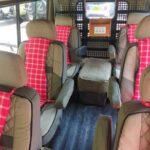
One thing to consider: the drive from Dar es Salaam to the park is long and traffic can make it unpredictable, and you may ride in a jeep that’s on the older side (still functional, just not brand new).
In This Review
- Quick Hits for Mikumi in Two Days
- Why Mikumi Works for a Short Safari From Dar es Salaam
- The Road From Dar es Salaam: Plan for Time Variability
- Afternoon Game Drive in Mikumi: What You’re Really Looking For
- Camp Bastian Overnight: Comfort That Lets You Do Day 2 Right
- Masai Boma Cultural Interaction: A Break That Isn’t Fake
- Morning Drive on Day 2: How to Get More From the Second Safari Window
- Price and What $597 Covers: Is It Good Value?
- What to Bring (and What to Expect) for a Smooth Safari
- Who This Safari Suits Best
- Should You Book This Mikumi Overnight Safari?
- FAQ
- FAQ
- How long is the Mikumi overnight safari?
- Where does the safari start?
- Do I get a safari guide, and is English included?
- What’s included regarding the national park?
- What accommodation do I get during the safari?
- What animals might I see in Mikumi?
- What should I bring?
Quick Hits for Mikumi in Two Days
- Two game drives means you’re not betting everything on one afternoon.
- Camp Bastian overnight gives you real downtime between drives, not just a day trip.
- Masai Boma cultural interaction is built into the schedule.
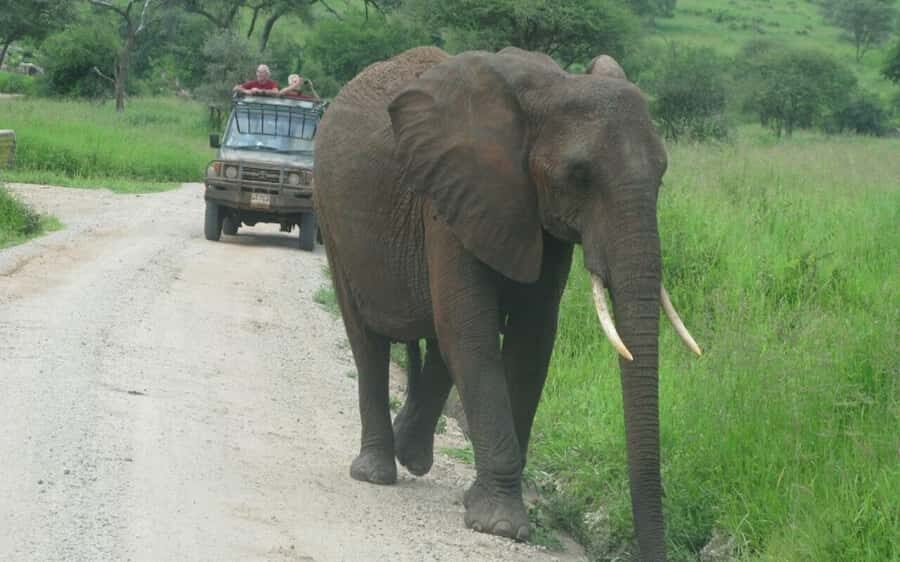
- Big herds are part of the story here, especially elephants and buffalo.
- A 4×4 safari vehicle keeps you in the right mode for road and track conditions.
- 1 liter of mineral water per person per day is included, which helps on a long drive day.
Why Mikumi Works for a Short Safari From Dar es Salaam
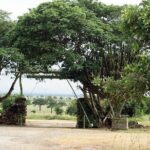
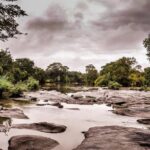
Mikumi is Tanzania’s fourth-largest national park, and it’s close enough to Dar es Salaam that a 2-day safari can feel like a proper safari instead of a drive-and-hope exercise. The park sits in the Morogoro Region, between the Uluguru Mountains to the northeast, the Udzungwa Mountains and Rift Valley escarpment to the southwest, as part of the Selous ecosystem. That setting matters because it shapes the park’s mix of open grassy areas and areas with older trees like baobabs and black hardwood stands.
You’re also going for an experience that’s about animal behavior: animals moving in search of food, water, and survival. In two days, you’re not trying to “collect sightings.” You’re trying to get your eyes trained to what’s typical here—big herd travel, predator stalking opportunities, and birds doing their constant work in the background.
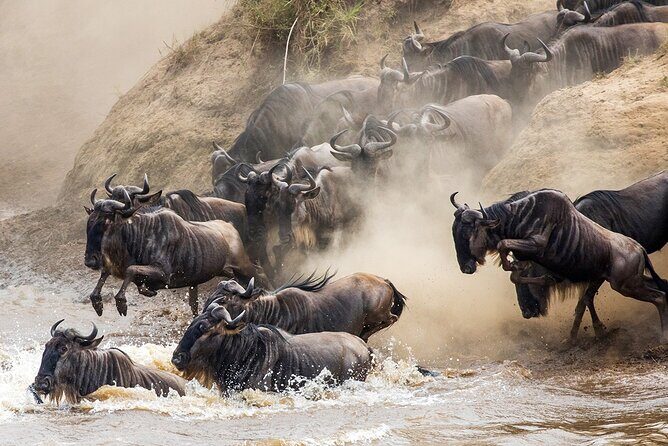
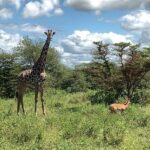
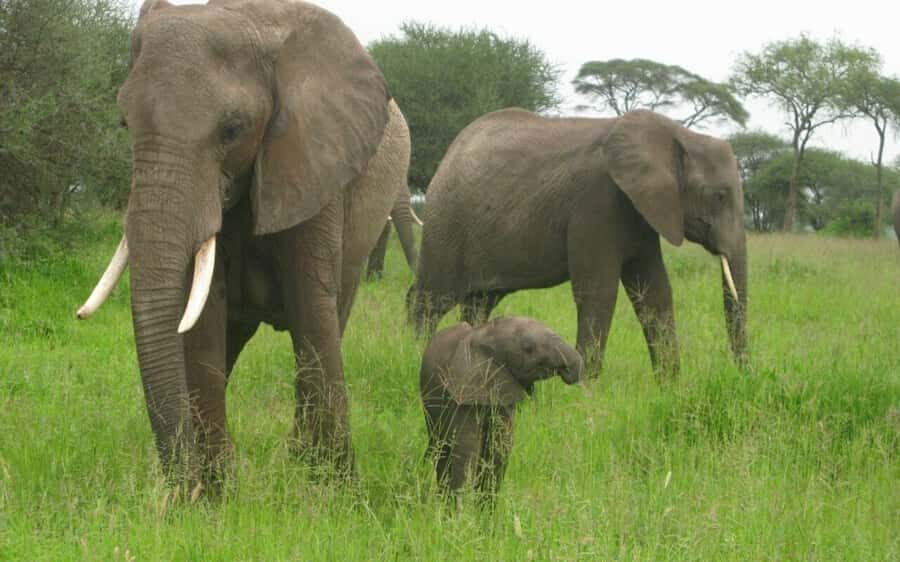
The wildlife list you’ll hear ahead of time is broad, and that’s a good sign: elephants and buffaloes are a big draw, and you may also see giraffes, lions, leopards, wildebeest, and zebras, along with plenty of birds. Just keep your expectations flexible. Two days is enough time for real chances, but nothing here is guaranteed.
A few more Dar Es Salaam tours and experiences worth a look
The Road From Dar es Salaam: Plan for Time Variability
This is a transfer-heavy safari in the best way: you start with breakfast at your chosen hotel in Dar es Salaam, then you meet your driver-guide for a briefing. From there, the day is all about getting to the park entrance and building in enough time for an afternoon drive.
The practical reality is the drive time can vary. One booking noted a roughly 7-hour drive and called out that heavy traffic makes arrival time unpredictable. Another schedule description had departure around 6:00 and arrival closer to midday, followed by a shorter first stretch of safari before settling into the camp experience.
For you, the takeaway is simple:
- Go into Day 1 expecting the road to be the longest part.
- If you hate long drives, this is still doable, but it’s not a “quick hop” with minimal sitting.
- Pack like you’re commuting for most of the day: water is included later for the safari, but you’ll still want comfort snacks and a way to pass the time.
Your driver-guide is there in the car, and that’s more than a formality. One guide named Michael was described as attentive and professional, and another named Samuel was praised as super. That kind of guiding matters because on the way in, you’ll often get context for what you’re about to see—so the safari starts before you even reach the first viewing point.
Afternoon Game Drive in Mikumi: What You’re Really Looking For
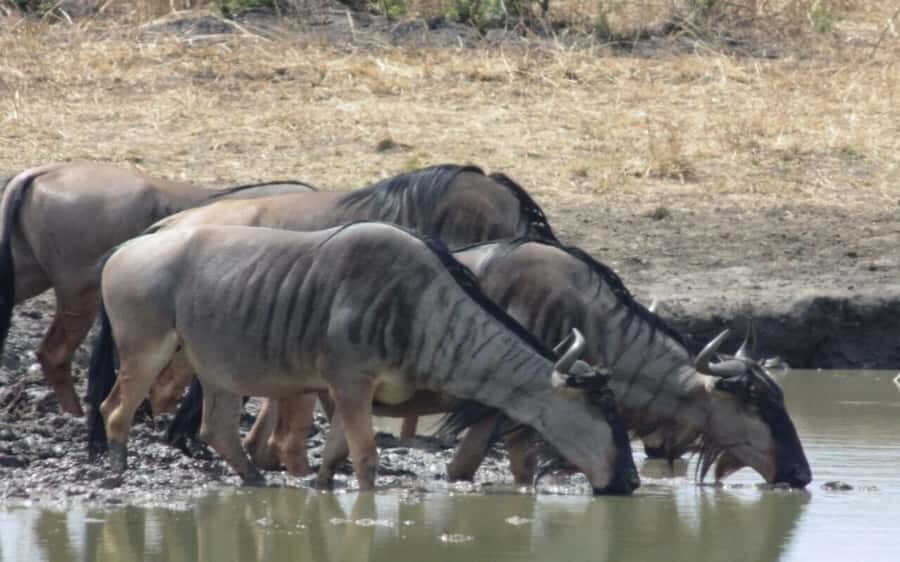
Once you arrive, Day 1 turns into the first real safari block: an afternoon game drive with dinner and an overnight at Camp Bastian. Mikumi’s terrain and vegetation are built for scanning. In open areas, you look for big movement patterns—herds shifting, water-seeking routes, and predator wake-up signals. In tree and woodland edges, you look for the smaller clues: stillness that doesn’t feel natural, birds reacting, and tracks that suggest you’re close.
This is also when you can get a sense of the park’s “big game” vibe. The highlight you’re paying for includes the powerful presence of elephants and buffaloes. In a short itinerary, those are the kinds of animals that can anchor the whole trip. Even if you don’t see everything on your wishlist, seeing the large animals in their natural routines makes the safari feel authentic.
You’re also likely to notice the mix of animals you’ve heard about:
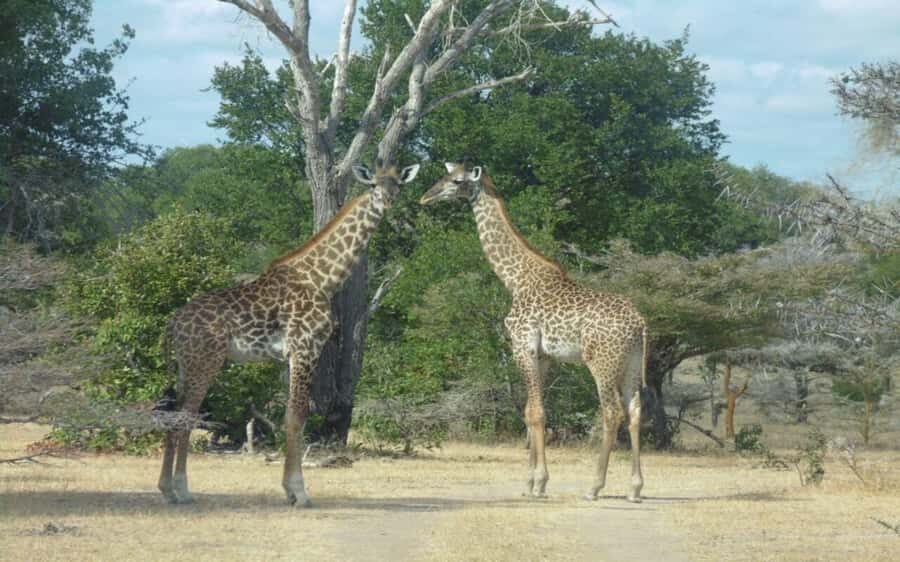
- Giraffes using the space differently than herd animals.
- Wildebeest and zebra moving with herd logic—less random, more purposeful.
- Lion and leopard potential, which often comes down to watching the landscape and waiting for the right behavior cues.
- Birds that keep signaling where activity is happening.
The biggest advantage of an afternoon drive is that it gives your brain time to adjust. By the end of the first session, you start spotting patterns faster—where to look, what motion means, and when to slow down. That helps a lot for Day 2 morning.
Camp Bastian Overnight: Comfort That Lets You Do Day 2 Right
Sleep location is where many short safaris either work well or fall apart. Here, you’re staying at Camp Bastian with full board accommodation while you’re in the park.
The practical value of that overnight is that it lets you do two different safari windows instead of trying to cram everything into one long day. You get dinner back at the camp, and the second day starts from the park environment, not from the city.
In one experience, the camp was described as a perfect place to overnight, with room comfort and good food. That matches what you want: after a long drive, you need a place where you can reset. Even when you’ve been out spotting animals all day, sleep quality still affects how sharp you are in the morning.
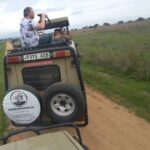
One caution from a booking: the safari jeep was described as old. The key detail is that it still did the job, but if you’re sensitive to vehicle comfort, you should know this could mean a bumpier ride than you’d get on newer vehicles. That’s not a dealbreaker, but it’s good to mentally prepare.
Masai Boma Cultural Interaction: A Break That Isn’t Fake
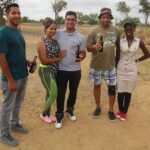
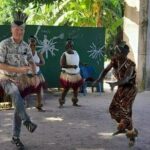
Day 2 includes time at a Masai Boma for cultural interaction. This matters because it adds variety to a safari that’s otherwise all animals, tracks, and early starts.
In a two-day program, cultural time can easily feel like a quick photo stop. Here, it’s placed after breakfast and before the return drive, which helps it feel like part of the overall journey instead of a random detour. For your experience, look at it as a chance to slow down and connect with people and place. You’ll get a different kind of learning than animal spotting provides.
Also, cultural interaction slots in a mental reset. After an overnight in the park, it can be surprisingly refreshing to have a different setting before the long trip back to Dar es Salaam.
Morning Drive on Day 2: How to Get More From the Second Safari Window
Day 2 starts with breakfast at the camp, then you move into the cultural stop, and later you head back toward Dar es Salaam. The safari element includes an earlier drive time as well, because the schedule is built around a morning and a prior afternoon.
If you’re wondering why two drives matter, here’s the real-world logic: animals don’t behave on a schedule just for your convenience. The same area can look totally different in morning light. Morning can bring more active movement, more feeding time, and different predator opportunities. Even when you’re in the same general region, your viewing “odds” shift based on time of day.
This is why the two-day rhythm is better than a one-day plan. With one drive, you’re at the mercy of luck and timing. With two, you’re adapting. You see more, you learn faster, and you get a second chance if the first window is quieter than expected.
You may also end up connecting dots between what you saw the day before and what you spot now: where herds went, how birds responded, and what types of areas seemed to hold the most activity. That makes the safari feel less like a checklist and more like understanding what’s happening.
Price and What $597 Covers: Is It Good Value?
At $597 per person for a 2-day safari, value comes down to what’s included versus what you’d normally pay separately.
Here’s what you get in the package:
- Mikumi National Park entry fees
- Full board accommodation at Camp Bastian
- One liter of mineral water per person per day
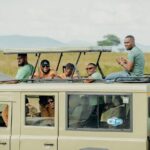
- Use of a 4×4 safari vehicle on safari
- English-speaking driver-guide
- Meet and greet services
You also have covered most of the hard logistics: you’re not self-navigating, not booking a separate driver, and not figuring out camp + park entry combinations. For many people, that planning headache is the real hidden cost.
What’s not included:
- Drinks
- Flights (domestic and international) and visas
- Dar es Salaam accommodations before and after the safari
- Laundry, phone bills, alcohol, cigarettes, and other personal expenses
So the best way to judge value is to add up what you’d pay on your own: park fees, a guide + 4×4 vehicle for safari time, and a camp overnight with meals. This itinerary bundles those into one payment, which makes it easier to budget and reduces the risk of cobbling together mismatched services.
If you already have your Dar hotel nights handled and you’re comfortable with the long transfer day, the price looks like it’s aimed at giving you a real safari structure in a short window. If you still need everything from scratch, your total trip cost will be higher once you factor in Dar lodging and travel documents.
What to Bring (and What to Expect) for a Smooth Safari
This trip has one simple item requirement: bring your passport or ID card.
Beyond that, here’s what I’d treat as non-negotiables based on how this day runs:
- Plan for a long drive day from Dar to the park and back.
- Expect safari time to be active and watch-focused, with time spent scanning for movement and birds.
- Keep your expectations aligned with a short trip: you can see a lot, but you’re still making sightings choices and getting what the park offers during those windows.
Comfort-wise, you’ll be relying on the camp for meals and rest, and on the vehicle for track time. Since one booking flagged that the jeep can be older, it’s smart to pack in a way that makes you resilient to bumps—something with a bit of support and comfort for long sitting.
Who This Safari Suits Best
This Mikumi overnight safari is a strong fit if:
- You want big animals as your main focus, especially elephants and buffalo.
- You can handle long transfers from Dar es Salaam.
- You like having a guide with you and value explanation while you’re traveling.
- You want a short trip that still includes an overnight, instead of a rushed day program.
It’s also a good option if you’re mixing wildlife with culture because the Masai Boma time gives the trip balance.
If you hate driving time, or you’re extremely sensitive to vehicle comfort, you might find the logistics taxing—though the camp overnight helps you feel less rushed.
Should You Book This Mikumi Overnight Safari?
Yes, if you want a structured 2-day safari with real park time, covered meals, and a camp stay at Camp Bastian. The package is built around practical value: park entry fees, 4×4 safari access, an English-speaking driver-guide, and full board all in one place.
I’d say book with eyes open if you’re counting on perfect timing or expect brand-new vehicles. Traffic can shift your arrival, and the jeep may not be the newest. Still, the overall setup gives you two safari windows and a cultural stop, which is about as balanced as a short safari from Dar can be.
FAQ
FAQ
How long is the Mikumi overnight safari?
It’s a 2-day experience.
Where does the safari start?
It starts in Dar es Salaam, with breakfast at your chosen hotel and meeting your driver-guide for a briefing.
Do I get a safari guide, and is English included?
Yes. You’ll have an English-speaking driver-guide.
What’s included regarding the national park?
Mikumi National Park entry fees are included.
What accommodation do I get during the safari?
You stay at Camp Bastian with full board accommodation while you’re in the park.
What animals might I see in Mikumi?
You may see elephants and buffaloes, along with giraffes, leopard, lion, wildebeest, zebra, and various birds.
What should I bring?
Bring your passport or ID card.