REVIEW · NGORONGORO CRATER
1-Day Ngorongoro Crater Special Big 5- Joining Group Safari
Book on GetYourGuide →Operated by KILINGE -ADVENTURES · Bookable on GetYourGuide
Craters like this make time vanish. One day inside Ngorongoro means you get big wildlife odds, dramatic caldera views, and a guided drive that keeps moving through different habitats. It’s a classic Tanzania day trip done in a smart, efficient way.
I especially like the crater rim-to-floor rhythm: you stop for panoramic views, then you go down about 600 meters for the main game drive. I also like that the safari is guided by an English-speaking pro, with time for spotting animals and learning what you’re actually looking at.
The main drawback to plan around is the early start and pick-up timing. If your hotel pick-up is slightly off, it can mean waiting in the car before the day gets going. So confirm your exact pick-up point and be ready to leave early.
In This Review
- Quick hits: what makes this Ngorongoro Big 5 day special
- Entering Ngorongoro Crater: why one day works
- The early run from Arusha or Moshi: logistics that matter
- Crater rim views and the 600-meter descent
- Big 5 game drive: what you should actually watch for
- The midday picnic at the hippo pool
- Afternoon crater habitats and Maasai context on the move
- The drive back to Arusha or Moshi: plan for an early evening
- Price and value: what $190 covers and what to budget
- Who should book this joining-group Ngorongoro Big 5 safari
- Should you book this Ngorongoro Crater Special Big 5 day?
- FAQ
- FAQ
- Is the national park fee included in the tour price?
- What is included in the tour?
- Do you provide pick up from Moshi?
- What Big 5 animals might I see on this safari?
- Is lunch included?
- What language is the tour conducted in?
- What should I bring?
Quick hits: what makes this Ngorongoro Big 5 day special
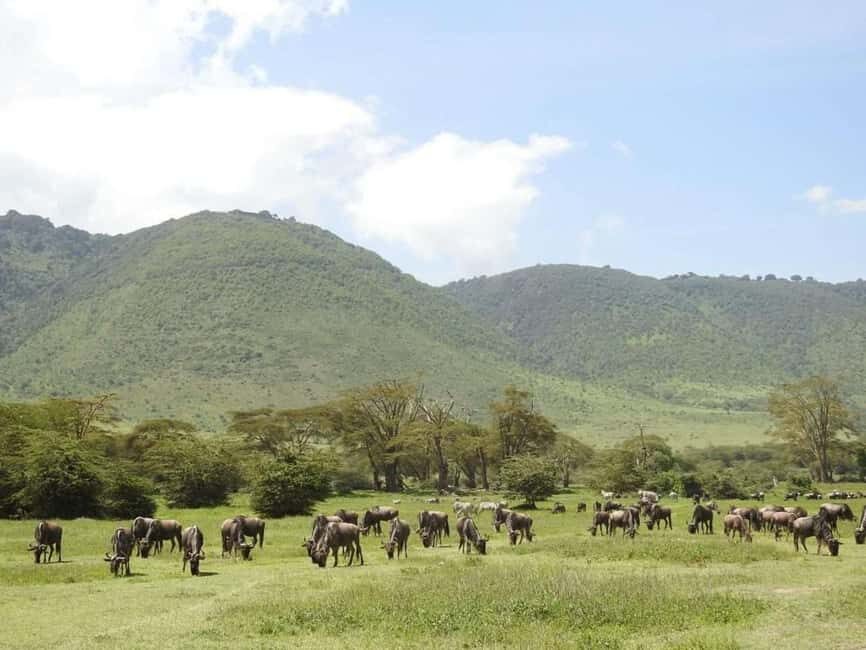
- 600-meter descent from the rim to the crater floor for real wildlife-viewing
- A guided Big 5 game drive with chances for lions, elephants, buffalos, leopards, and black rhinos
- Picnic lunch by a hippo pool, with hippos lounging nearby when conditions allow
- You move through different crater habitats, including Lerai Forest, grassy plains, and a lake area
- Maasai cultural context gets woven into the day, not treated like a separate show
Entering Ngorongoro Crater: why one day works
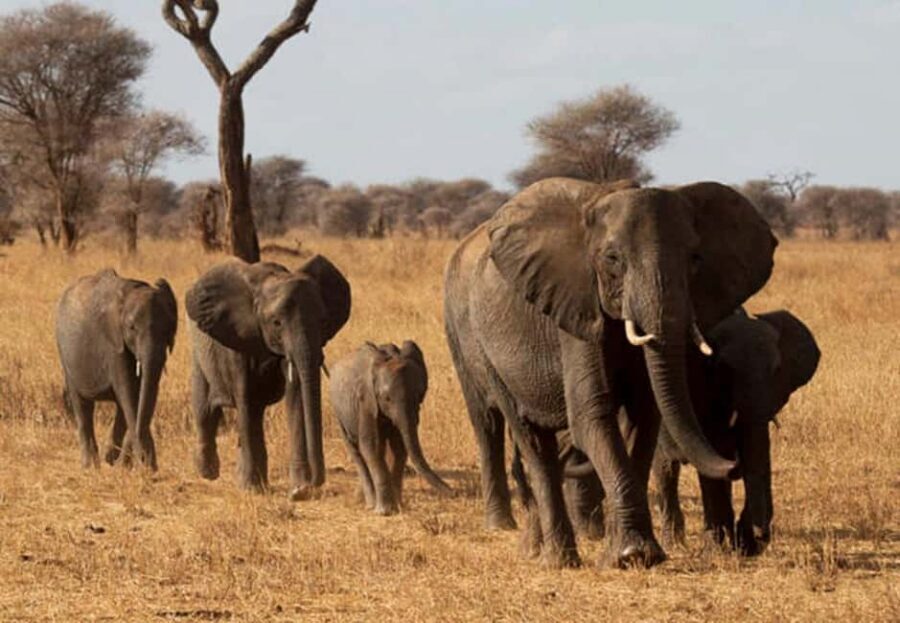
Ngorongoro Crater is famous for a reason. It’s an enclosed, high-walled setting where animals concentrate, and that changes the whole feel of a safari. Instead of searching for wildlife for hours, you’re often scanning from a vehicle as the ecosystem brings sightings to you.
A 1-day format can be a win if you’re time-limited. You still get the big “wow” moment of the crater rim, then the payoff happens once you’re on the crater floor. And because the whole day runs with a guide, you’re not stuck figuring out where to go or what to look for.
There’s also a practical benefit: you can plan your Tanzania trip without losing a full extra day to logistics. Even so, this is not a casual morning. It’s an early departure kind of day, and you’ll want a good night of sleep.
A few more Ngorongoro Crater tours and experiences worth a look

The early run from Arusha or Moshi: logistics that matter
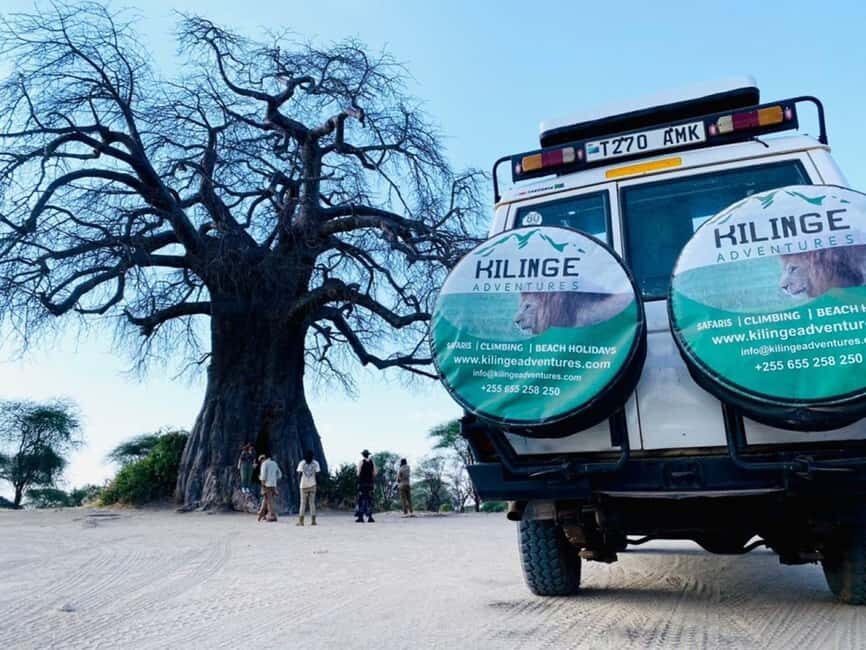
Your day starts with pick-up from a hotel in Arusha or Moshi. If you’re in Arusha, pick-up for hotel clients starts there with no extra cost. If you’re in Moshi, pick-up is available, but it comes with an extra transfer cost.
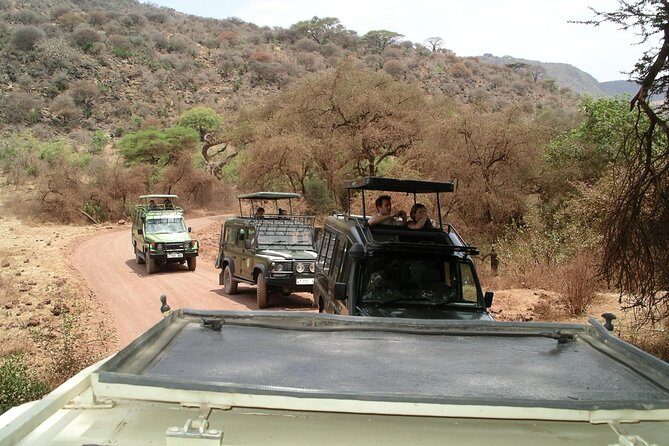
After pick-up, you drive through the Great Rift Valley and the Tanzanian highlands on the way to Ngorongoro. That road time matters because it affects your energy level, not just your schedule. You’ll likely be ready for coffee and snacks before you ever reach the rim, so travel prepared.
One caution: pick-up coordination can make or break the morning. There’s at least one past experience where the pick-up timing felt disorganized, leading to waiting. I can’t control that, but you can. Confirm your pick-up time, ask where the vehicle will meet you, and plan to be ready a few minutes early. Your future self will thank you.
Crater rim views and the 600-meter descent
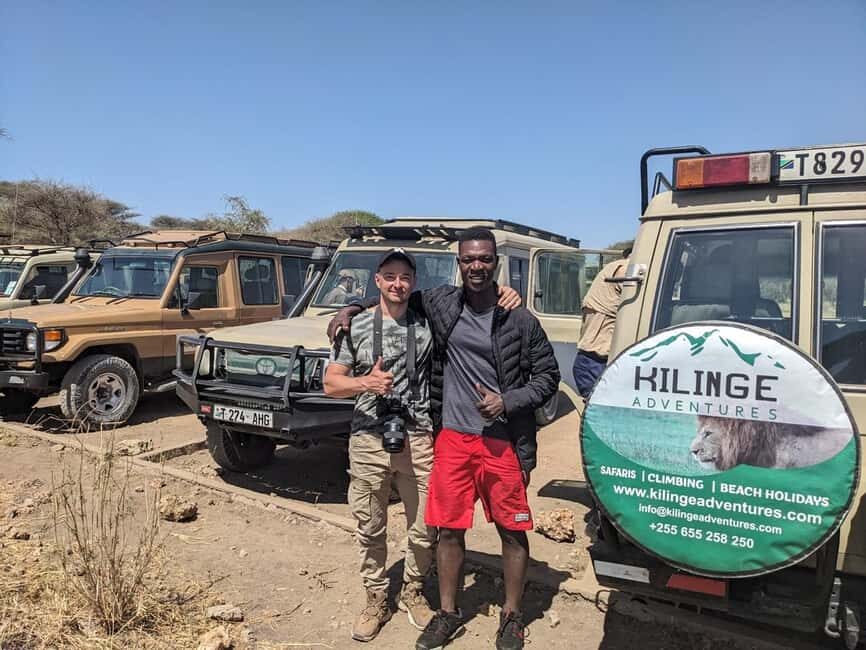
The first stop is the crater rim, where you take in panoramic views of the enormous caldera. Even if you’ve seen photos before, the scale hits differently in person. The rim is also where your guide can set expectations: what the crater structure means for wildlife movement and where you’ll spend most of your time on the floor.
Then comes the descent. You go down roughly 600 meters to reach the crater floor, and that change in elevation is part of why wildlife density can feel so high. The air, the sightlines, and the vegetation all shift, so your camera brain should switch gears once you’re below.
On the floor, the driving style changes too. You’re moving through a more enclosed ecosystem, and the guide’s job becomes more about finding the right vehicle positions and reading animal behavior, not chasing fast roads. It’s the kind of safari where patience pays off.
Big 5 game drive: what you should actually watch for
This safari is built around the Big 5 concept, with the main goal being a game drive where you keep your eyes open for:
- Lions
- Elephants
- Buffalos
- Leopards
- Black rhinoceros (noted as endangered)
Now, one reality check that keeps things honest: the Big 5 idea is about opportunities, not guaranteed checklists. The crater can be incredibly productive, but wildlife sightings depend on the day’s conditions and animal movement.
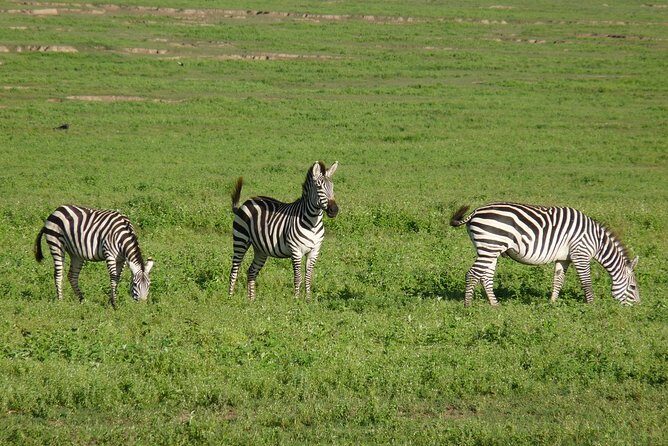
The good news is that Ngorongoro isn’t only about the Big 5. The crater ecosystem supports a wide range of wildlife you’ll see alongside predators and big mammals. Expect chances for zebras and wildebeests, plus species like hyenas and hippos when you’re near water or swampy areas.
Also, don’t ignore the “middle layer” of action. Small-to-medium mammals often show up where you’d least expect, and they can signal what’s happening around you. Your guide can help you look for gazelles, warthogs, and jackals, and to spot signs of hunting.
A practical tip: take photos, yes, but also keep a few seconds to watch without the camera. That’s how you notice movement patterns, attention changes, or a predator deciding to move. If you rush only for the lens, you’ll miss the real story.
The midday picnic at the hippo pool
Lunch is a picnic stop in one of Ngorongoro’s designated areas, often near a hippo pool or a lush swamp. It’s one of the best parts of the day because you’re not just eating. You’re pausing inside the wildlife rhythm of the crater.
Hippos can be surprisingly entertaining even when they aren’t doing anything flashy. You might see them lounging in the water, with the rest of the ecosystem continuing in the background. If you’re the type who likes to photograph without constantly driving, this is your break.
Food-wise, guests have praised the quality. One person highlighted that breakfast felt filling and energizing earlier in the day, and lunch was fresh and satisfying. I’d treat this as a reason to skip heavy last-minute snacking before pick-up, since you’ll likely have real meal time mid-safari.
If you want the simplest approach: after lunch, hydrate, check your camera settings, and mentally reset. The afternoon game drive can deliver new sightings because you’re moving into different areas.
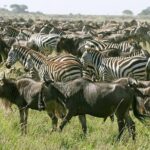

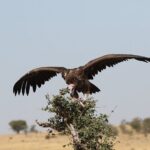
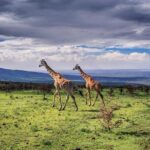

Afternoon crater habitats and Maasai context on the move
After lunch, you continue the game drive through multiple crater habitats. You may pass through:
- Lerai Forest
- Grassy plains
- Lake areas
That matters because wildlife use the crater differently depending on cover, food, and water. Forest edges can help with sightings where visibility is broken up by vegetation. Grassy plains tend to be good for grazing species and predators tracking movement. Water areas can bring hippos and other animals into view.
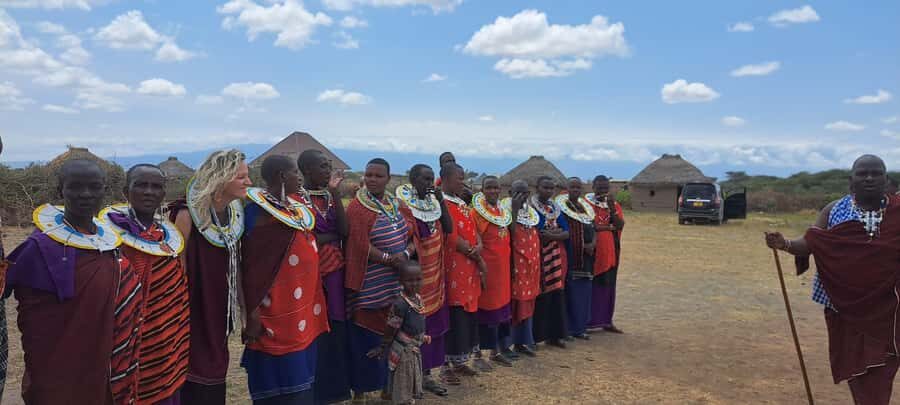
During the drive, your guide shares context about the Maasai communities in the conservation area and about the crater’s geological history. This isn’t just trivia time. When you understand how the caldera formed and how the ecosystem works, you look at sightings differently. You start thinking in patterns instead of random luck.
One practical note from real-world experiences: not every guide explains as much as you might want. If your guide is more quiet, you can still make the day better by asking direct questions early, like what animals you’re likely to see and how the crater formed. Even if your guide has a short answer style, getting clarification helps your whole safari feel more meaningful.
The drive back to Arusha or Moshi: plan for an early evening
At the end of the safari, you ascend back up to the crater rim for final sweeping views, then begin the return drive. You’ll reach Arusha or Moshi in the early evening and get dropped back at your hotel.
This part is underrated. The crater rim views on the way out can feel like a second “arrival” moment because you’re seeing the crater from a different angle after your wildlife day. It’s also the moment to check your photos and decompress while the day is still fresh.
For evening plans, keep it simple. You’ve done a long day with early departure, so dinner is likely a low-effort, high-reward situation. If you’re flying the next day, double-check your transport timing, since this tour keeps you out of your bed earlier than most trips.
Price and value: what $190 covers and what to budget
The listed price is $190 per person, and it’s structured around a guided day with transport, meals as indicated, drinking water, and an English-speaking guide. That’s the core value: you’re paying for the logistics and expertise needed to make a crater day run smoothly.
Here’s what to budget separately:
- National park fee is not included.
- Alcoholic beverages aren’t included.
- Travel insurance isn’t included.
- If you’re picked up from Moshi, transfer has an extra cost.
So is $190 good value? Usually yes, especially if you want a Big 5-focused crater experience without organizing vehicles and driving yourself. The “gotcha” is the total cost once fees and transfers are added. Before you book, estimate your final number: tour price plus park fee plus any Moshi transfer.
If you’re comparing options, treat this as a full-day guided package. You’re not only buying admission. You’re paying for transportation, interpretation, and the crater-route plan that places you on the right areas when the animals are most active.
Who should book this joining-group Ngorongoro Big 5 safari
This tour makes the most sense if you:
- Want a single-day Ngorongoro experience rather than a multi-day safari
- Are interested in a guided Big 5 approach with time for other wildlife too
- Prefer a structured plan where meals and driving are handled
- Like learning while you look, including Maasai and geological context
It’s also a good fit for couples and solo travelers who don’t want to deal with logistics. If you’re traveling with family, the day can work, but you should be realistic about the early start.
One more mindset tip: treat the day like a wildlife day, not a museum tour. You’ll get the best experience if you stay flexible with where the vehicle parks and you give the guide a chance to guide your attention.
Should you book this Ngorongoro Crater Special Big 5 day?
If you’re choosing between doing Ngorongoro in one day versus skipping it, I’d lean yes. The crater is the star, and this format gets you to the rim, down to the floor, and into a guided drive that focuses on major wildlife opportunities, including black rhinoceros chances and the rest of the crater’s animal network.
Book it if:
- You can handle an early morning start
- You want a guided day with English support
- You’re okay budgeting the national park fee separately
I’d hesitate if:
- You’re very sensitive to timing and hate waiting around before departure
- You don’t want to ask questions during the drive if your guide is quiet
If you do book, do two things that make the biggest difference: confirm your pick-up details the night before, and ask what animals and crater formation themes you should focus on early. That way, the day feels like a guided safari, not a long drive with occasional sightings.
FAQ
FAQ
Is the national park fee included in the tour price?
No. The national park fee is not included, so you should plan to pay that separately.
What is included in the tour?
The package includes guided safari tours, a professional English-speaking guide, transportation, meals as indicated in the itinerary, and drinking water.
Do you provide pick up from Moshi?
Yes, pickup from Moshi is available, but it has an extra cost. Free pick-up from hotel clients starts from Arusha.
What Big 5 animals might I see on this safari?
The Big 5 focus is lions, elephants, buffalos, leopards, and the endangered black rhinoceros. You also may see other crater wildlife such as zebras, wildebeests, hyenas, and hippos.
Is lunch included?
Yes. The day includes a picnic lunch at a scenic spot, typically near a hippo pool or a swamp area.
What language is the tour conducted in?
The tour is conducted in English.
What should I bring?
Bring a camera. Also, plan to have your essentials ready for an early departure day.