REVIEW · ARUSHA
5 Days Camping Tarangire, Serengeti & Ngorongoro crater & Visiting Maasai
Book on Viator →Operated by MERU SLOPES TOURS AND SAFARIS · Bookable on Viator
Five days of big wildlife, no fluff. I like this setup because it hits Tarangire, Serengeti, and Ngorongoro in one trip, and it keeps things personal with a private guide. I also appreciate the practical touches that make a camping safari feel more manageable—meals are included and there’s unlimited drinking water during the days on the road.
I do see one trade-off: because it’s a camping safari, your comfort level can vary by campsite. Some past guests flagged basics like restroom conditions, so if you hate roughing it, this may not be your style.
In This Review
- Key Highlights You’ll Actually Notice
- How This Camping Safari Delivers Big Parks for $1,254
- Getting From Arusha to Tarangire: Elephants, Baobabs, and a Real River
- Tarangire drawback to consider
- Serengeti: Seronera Plains, River Water, and Game Drive Rhythm
- Serengeti practical note
- Following the Great Migration: When Timing Matters (and When It Doesn’t)
- Migration drawback to consider
- Ngorongoro Conservation Area and the Shot at Sunrise Views
- Consideration
- Ngorongoro Crater: UNESCO Scale, Deep Walls, and Dense Wildlife
- Ngorongoro drawback to consider
- Mto wa Mbu Village: Bananas, Banana Plantations, and Local Guides
- Practical note
- Camping Comfort: What’s Included, What’s Variable, What to Pack
- Food is covered
- Your Guide Makes the Difference (and You Can Spot That in the Details)
- Price and Logistics: When This Is a Smart Value, and When It Isn’t
- Should You Book This 5-Day Camping Safari?
- FAQ
- What parks and sites are included in this safari?
- How many days does the safari take?
- What’s the group size?
- Are meals included?
- Is drinking water provided?
- Is Wi‑Fi available?
- Are park fees and tickets included?
- Can I request vegetarian food?
- What should I know about the timing for the Great Migration?
- What’s not included in the price?
Key Highlights You’ll Actually Notice
- Private safari for up to 6 people means quicker custom stops when you see animals.
- Unlimited drinking water and included meals cut down day-to-day hassle.
- Serengeti timing for the Great Migration is discussed clearly (June–September is best for crossings).
- Ngorongoro Crater is the headliner: deep, dense wildlife, and a realistic chance at black rhino.
- Free Wi‑Fi inside the safari jeep helps when you want to check messages between drives.
- Local cultural stop at Mto wa Mbu adds more than just animals to your photos.
How This Camping Safari Delivers Big Parks for $1,254
This safari is built for travelers who want Tanzania’s headline wildlife without paying big-luxury prices. For about $1,254 per person, you’re not just buying “sightseeing.” You’re paying for a tight logistics package: park time with a private guide, ranger-style game drives, and multiple days of meals and camping/lodging.
The value jumps out when you compare what’s included. You get all fees and taxes, breakfast/lunch/dinner for 5 days, and accommodation before and after the safari. That last part matters. Arusha often becomes the “dead time” city for safari travelers—this itinerary tries to smooth that out so you spend more hours in the bush and less time chasing arrangements.
One more thing I like: it’s small-group by design. The tour says a maximum of 6 travelers, and your guide is private. That usually means less crowding around sightings and more flexibility to take that extra minute at a river crossing or in a likely predator area.
A few more Arusha tours and experiences worth a look

Getting From Arusha to Tarangire: Elephants, Baobabs, and a Real River
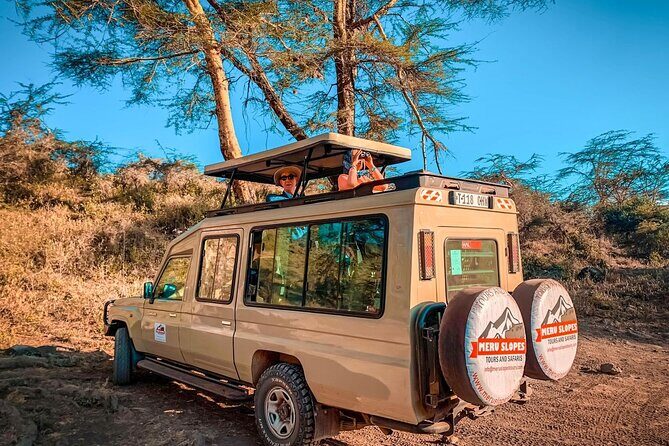
Day 1 starts with an early pickup from your Arusha hotel (the schedule notes 8:00am, with the overall start time listed as 9:00am). Then you drive about 3 hours toward Tarangire National Park (around 115 km from Arusha). This is a good first day because Tarangire often “pays you back” fast.
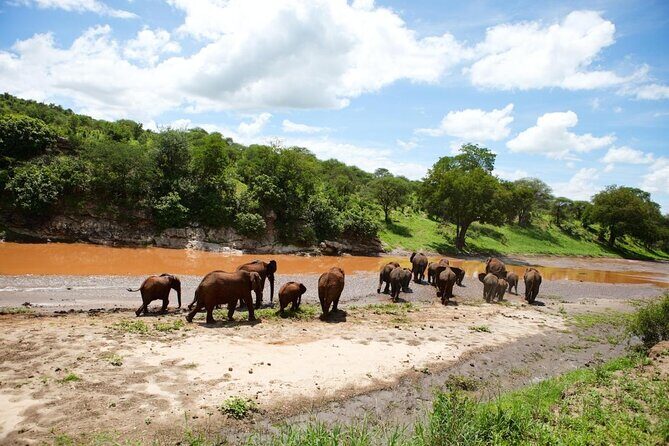
Tarangire is famous for elephants, and that makes Day 1 feel like you’re entering the main story right away. The park’s terrain includes baobab trees (Tarangire is especially known for them), and the wildlife draw is simple: the Tarangire River. In fact, the park’s name is tied to that river. When animals are using the water, game drives become less about searching and more about watching.
You’ll get a full day game drive in Tarangire, then head to Jambo lodge for dinner and overnight. The day also mentions chances for big cats—lions and leopards—and reptile sightings like pythons, plus classic “small safari drama” moments (trees with climbing wildlife, or the way predators stalk around the edges of water).
Tarangire drawback to consider
Tarangire’s style can be different from Serengeti. It’s still dramatic, but you may feel the park is more “focused on water and trees.” If you’re hoping for endless open plains, save that big wide-feel for Serengeti.
Serengeti: Seronera Plains, River Water, and Game Drive Rhythm
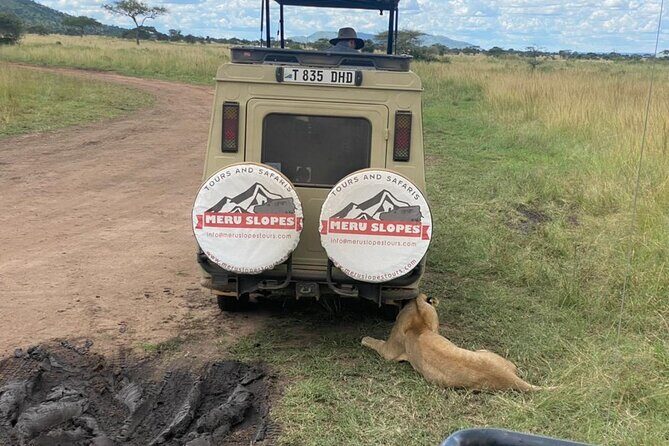
After breakfast on Day 2, you head to Serengeti National Park via Karatu farmlands and the Ngorongoro Conservation Area, then descend into the kind of open terrain that makes people believe the word endless.
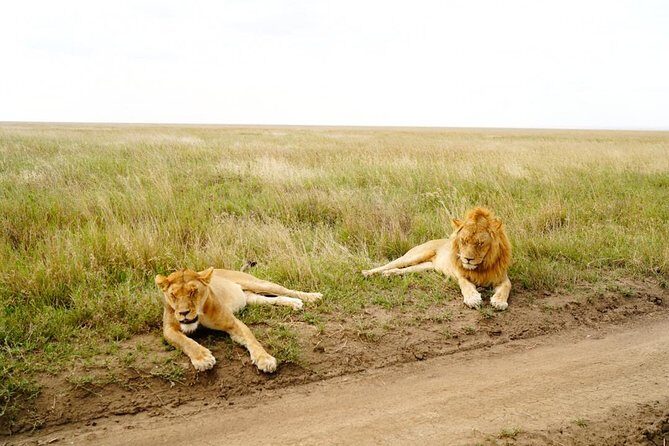
Your day centers on the Seronera area, which the schedule calls out as one of the richest wildlife habitats. The key detail here is the Seronera River, a water source that draws animals into an area with year-round viewing potential. This is why Serengeti can feel so reliable even when you’re not hunting specific migration moments.
You arrive for lunch, then enjoy an afternoon game drive until sunset. That timing is practical. Predators often become more active as heat drops, and animals shift from resting to moving. You also get a cleaner first “feel” for the park.
For your photo set, Serengeti gives you variety: grazing zebras and wildebeest patterns, big cats working edges, and lots of birds because water and open grassland attract different species.
Serengeti practical note
Day 2 is not the “all-day migration chase” style. It’s more about planting you in a productive area (Seronera) and letting you learn the rhythm of the ecosystem with your guide before Day 3 ramps up.




Following the Great Migration: When Timing Matters (and When It Doesn’t)
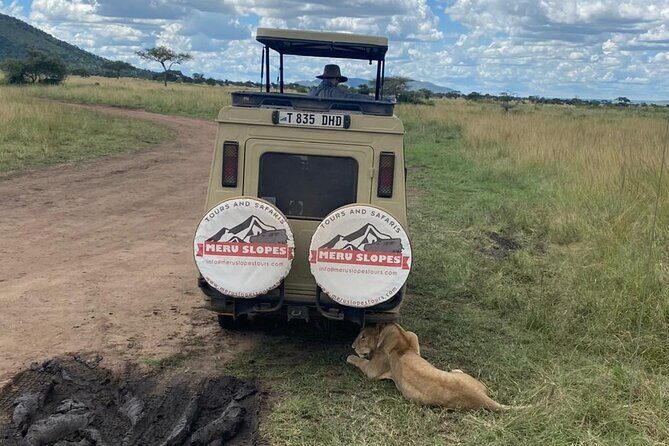
Day 3 is the day you wake early, eat breakfast, and start your full day game drive in Serengeti. The itinerary specifically discusses the Great Migration, including why timing changes everything.
Here’s what the schedule lays out:
- June to September is the best chance for seeing the migration crossings.
- January to March is the calving season.
- For July to September, drivers can often position you for northern Serengeti where herds may cross the Mara River.
You don’t need a biology degree to understand what this means in the field. A migration isn’t one magic moment—it’s animals responding to rainfall and fresh grazing. Your guide’s job is to read those movement patterns and take you to areas with the best odds for what day-of-viewing can deliver.
This is also where I think having a private guide becomes more than a perk. In a smaller vehicle, it’s easier to adjust when you find fresh tracks or when herds are funneling toward water. If you’re in the right season, migration sightings can feel almost unreal. If you’re outside peak months, you’ll still see Serengeti wildlife in full motion—but it may be less about one dramatic crossing.
Migration drawback to consider
Migration viewing is never 100% guaranteed. Even with good timing, herds can shift. So treat the migration as a high-probability bonus, not a promise.
Ngorongoro Conservation Area and the Shot at Sunrise Views
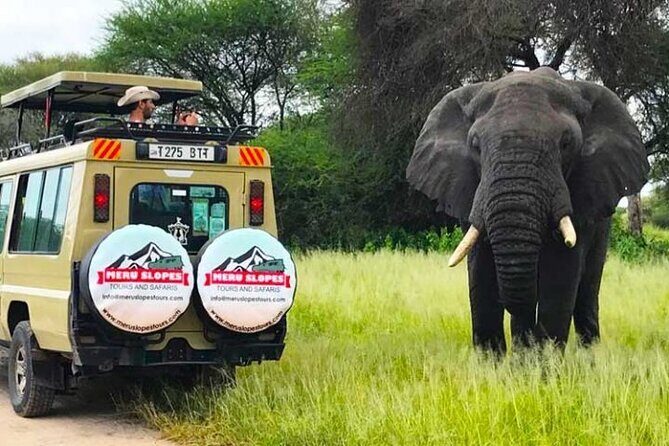
Day 4 changes the game. You wake early (the schedule says 5:45am) for breakfast, then go for an early morning game drive up to 11:30am. It even mentions seeing sunrise inside Serengeti, which is exactly the kind of quiet, low-light moment that makes the day start feel special.
Then you head back for a hot lunch and pack up. After that, you proceed with game drive while heading toward Ngorongoro Crater and on to Simba campsite for dinner and overnight.
This day is essentially a bridge: you’re not only traveling into the crater area, you’re also still looking for wildlife along the way. That’s helpful because it prevents the classic feeling of “we’re just driving today.” The guide has time to keep you seeing animals instead of just checking off a route.
Consideration
The crater day is demanding (steep views and a long wildlife-focused schedule). If you’re sensitive to early starts, it helps to pack and rest well on Day 3.
Ngorongoro Crater: UNESCO Scale, Deep Walls, and Dense Wildlife
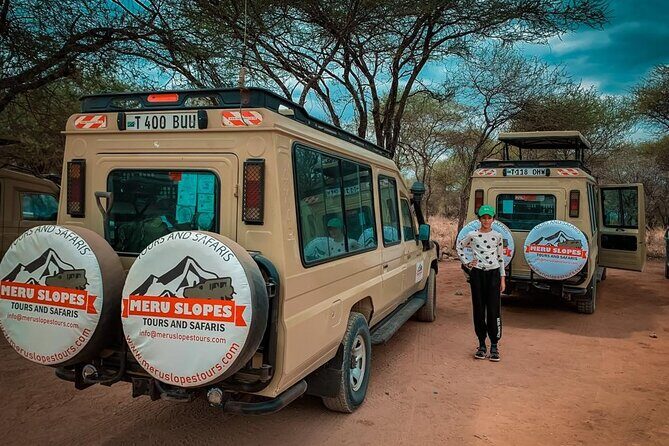
Day 5 is the headliner: early risers get sunrise views over the crater edge, then you have breakfast and drive down into Ngorongoro Crater.
The schedule gives hard numbers that help you picture what’s happening:
- the crater is about 610 m deep
- it covers roughly 260 square kilometers
- it holds an estimated 25,000 animals
- it’s a UNESCO World Heritage site
When wildlife density is that high, your game drives can feel quick and efficient. In a matter of minutes, the itinerary expects to spot animals like wildebeest, zebras, gazelles, elephants, and 500+ bird species. It also mentions a realistic chance of seeing the endangered black rhino through the grass.
I like how this day balances drama with practicality. You don’t just rush downhill and sprint back out. You also get time later after the crater viewing.
After lunch, you ascend the steep crater walls and head to Mto wa Mbu for a short tour, then drive back to Arusha for overnight.
Ngorongoro drawback to consider
Expect a full-day focus with a lot of time in a vehicle plus walking around viewpoints. If you’re prone to motion sickness, bring what helps you most. The crater road and the timing can make the day feel long.
Mto wa Mbu Village: Bananas, Banana Plantations, and Local Guides
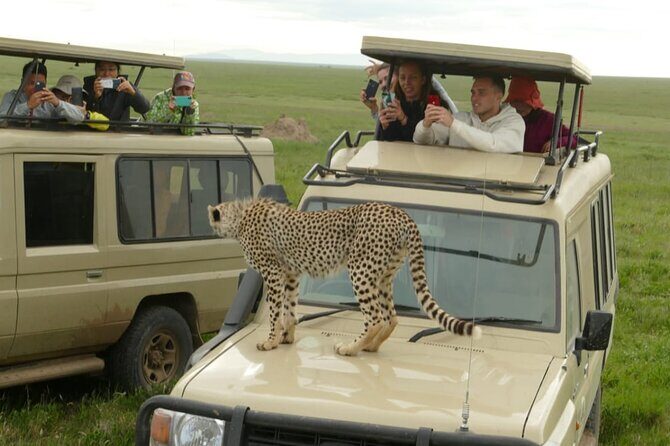
After the crater, you shift gears to people and daily life. Mto wa Mbu village includes a visit with a local guide, and the itinerary calls out that these guides are focused on community knowledge—so you’re not just watching from a distance.
You’re welcomed and then guided through activities, with the itinerary highlighting:
- starting in banana plantations
- seeing over 30 species of bananas grown by the community
- being encouraged to ask questions and take photos (the guide is there to explain)
This part of the trip is more than a cultural checkbox. After days of wildlife viewing, it gives your brain a break and adds context for what life looks like around Tanzania’s parks.
Then you drive back to Arusha for your overnight stay.
Practical note
This is a short village stop compared to the park days. Go in expecting highlights, not a full day of community immersion.
Camping Comfort: What’s Included, What’s Variable, What to Pack
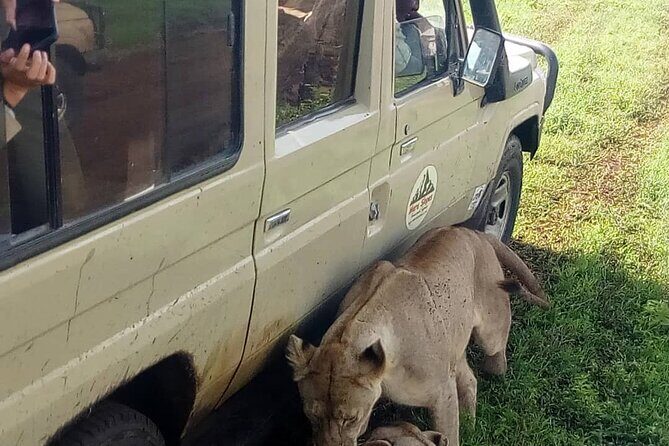
This is a camping safari, so the experience lives or dies by your expectations. The itinerary includes lodging on the safari nights (and the nights before/after in Arusha), plus all meals. That helps a lot.
Still, camping isn’t hotel-level. Some past guests flagged that campsites can be basic and mentioned issues like restrooms. I’m not saying it’s a disaster—just that this is an environment with fewer creature comforts than a lodge-only trip.
Here’s how to make it feel better:
- Bring layers for early mornings and cooler crater viewing.
- Pack a headlamp so you can handle nighttime routines without stress.
- Expect limited privacy and basic facilities depending on the site.
Food is covered
The itinerary lists breakfast (5), lunch (5), dinner (5), which is a big deal for camping. It means you’re not hunting for meals during long drive days, and you can keep your energy steady for early game drives.
Your Guide Makes the Difference (and You Can Spot That in the Details)
Private guiding is the real “secret sauce” here. The tour highlights that your guide will explain the local ecosystem, and that matters because Tanzania’s wildlife viewing isn’t just about seeing animals—it’s about understanding what you’re seeing.
Past travelers also specifically named guides and support staff, which gives you a clue about what to look for:
- Guide Samwel and chef Saleem
- Guide Douglas
- Guide Johnson
- Guide Jacob
- Cook names like Johanna
- Mention of support staff Yohane
Not every group gets the same team, but the consistent thread is that guides can make the difference between a standard drive and a truly satisfying safari day—especially when you’re tracking predator behavior, bird activity, and migration patterns.
If you book, ask your operator who your guide and chef will be, and what languages they speak. The itinerary notes it may be multi-lingual, so clarity helps.
Price and Logistics: When This Is a Smart Value, and When It Isn’t
For $1,254 per person for 5 days, the math looks strongest if you want:
- 3 major wildlife areas (Tarangire, Serengeti, Ngorongoro)
- UNESCO World Heritage value (Serengeti and Ngorongoro)
- included meals plus water and park fees
- a small group with private guiding
You also get:
- unlimited drinking water
- free Wi‑Fi inside the safari jeep
- mobile ticket
- an optional vegetarian meal if you request it at booking
This tour is also scheduled for small totals: maximum 6 travelers. That’s a sweet spot for safari viewing because you’re more likely to get space at sightings and better access to guide decision-making.
When might it not be a perfect fit?
- If you want lodge comfort every night.
- If you’re sensitive to basic campsite facilities.
- If you want long, unstructured stops—you’ll be in a set wildlife-focused rhythm.
Should You Book This 5-Day Camping Safari?
I’d book it if you want the core Tanzanian wildlife story—Tarangire elephants, Serengeti wildlife and migration odds, and Ngorongoro’s dense crater viewing—with private guiding and meals included. The value is strong because your costs stay predictable: park fees and most day-to-day needs are wrapped in.
I’d think twice if your comfort expectations are high or you’re deeply uncomfortable with camping basics. The safari can still be amazing, but your enjoyment depends on accepting that campsites may not feel like a hotel.
If you’re considering it for migration season, this itinerary also has a helpful timing focus: June–September is where you’re most likely to see crossings mentioned for the Mara River route.
One last practical tip: the tour name mentions visiting Maasai, but the day-by-day details provided here focus on Tarangire, Serengeti, Ngorongoro, and Mto wa Mbu. Before you pay, ask your operator exactly how the Maasai portion fits in (time, location, and what’s included).
FAQ
What parks and sites are included in this safari?
You’ll visit Tarangire National Park, Serengeti National Park, and Ngorongoro Crater. The schedule also includes a stop at Mto wa Mbu. The crater and Serengeti are described as UNESCO World Heritage sites.
How many days does the safari take?
The tour is listed as 5 days (approx.). It includes nights before and after the safari, and the day-by-day schedule runs through Day 1 to Day 5.
What’s the group size?
The tour has a maximum of 6 travelers, and it’s described as a private tour with a private guide.
Are meals included?
Yes. The itinerary lists breakfast (5), lunch (5), and dinner (5) included.
Is drinking water provided?
Yes. The tour includes unlimited drinking water during the safari.
Is Wi‑Fi available?
Yes. There’s free Wi‑Fi inside the safari jeep.
Are park fees and tickets included?
The tour lists all fees and taxes as included, and the itinerary marks admission as free for the park days.
Can I request vegetarian food?
Yes. A vegetarian option is available if you advise the operator at booking.
What should I know about the timing for the Great Migration?
The schedule notes that the best chance for migration crossings is typically June to September, and for July to September the driver may take you to northern Serengeti for possible crossing areas along the Mara River.
What’s not included in the price?
Tips and flights are not included.