REVIEW · ARUSHA
3 Days Tarangire, Ngorongoro & Lake Manyara Group Camping Safari
Book on Viator →Operated by Suricata Safaris · Bookable on Viator
A short safari with big scenery. This 3-day camping route from Arusha strings together Tarangire elephants and Ngorongoro’s crater wildlife in a tight schedule, so you get maximum park variety without giving up comfort. I also like that the group stays small (up to six), which makes it easier for your guide to answer questions and spot what matters from the vehicle. The main drawback to keep in mind: three parks in three days means long drives and early starts, so you’ll want an even-keeled attitude about being on the move.
The camping side is designed to be practical, not fancy for fancy’s sake. You’ll sleep at a tree-shaded campsite with a central setup, and meals are handled for you (breakfast, lunch, dinner included), which cuts down planning stress. Still, because this is a group safari with a fixed itinerary, you’ll have less flexibility to slow down on a day you feel like lingering.
In This Review
- Key highlights worth planning around
- A Three-Park Safari That Packs Big Variety Into 3 Days
- Arusha Pick-Up at 8:00 and the Small-Group Camping Reality
- Day 1 in Tarangire: Elephants, Baobabs, and Picnic Lunch Time
- Day 2 in Ngorongoro Crater: Down 600 Meters to a Predator-Rich Bowl
- Day 3 at Lake Manyara: Baboons, Wetlands, and the Tree-Climbing Lion Twist
- Food and Camping: Included Meals That Actually Change the Day
- Price and Value: Why $700 Can Work for Three Parks
- Who This Safari Fits (and Who Might Want Something Different)
- Should You Book This 3-Day Tarangire, Ngorongoro & Lake Manyara Safari?
- FAQ
- What time does the safari start?
- Where does the group meet in Arusha?
- Which national parks are included?
- Are meals included?
- Is this a shared tour with other groups?
- Is the safari cancellable for a full refund?
Key highlights worth planning around
- Small group (max six): more personalized guiding and easier vehicle positioning during game drives
- Tree-shaded camping base: a calmer home base between parks, with included meals to keep you fueled
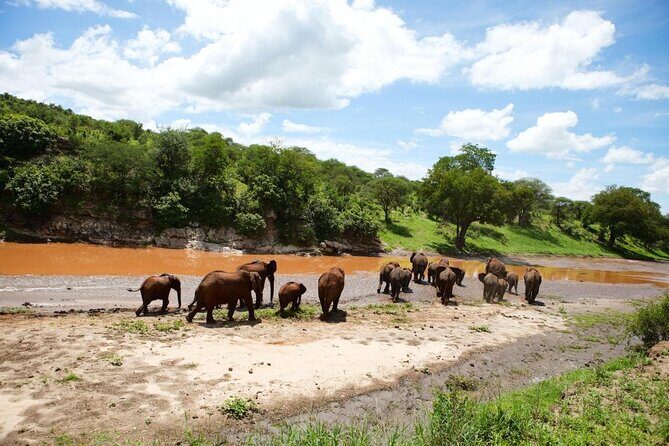
- Tarangire’s elephant-baboons combo: classic baobabs plus large herds moving through the park
- Ngorongoro’s crater rules the day: a big altitude change (down about 600 meters) that concentrates animals
- Lake Manyara’s habitats: acacia woodland, swamps, hot-spring areas, and serious bird life in a smaller park
- Meals included: lunch at Tarangire, plus full days of breakfast and dinner so you don’t manage food on the road
A Three-Park Safari That Packs Big Variety Into 3 Days
This safari is built for people who want the Tanzania “great parks” feeling but don’t have a full week. The logic is solid: Tarangire, Ngorongoro Crater, and Lake Manyara are close enough to link, yet each one behaves like a different world. In three days, you can go from elephant-and-baobab country to a crater bowl with predators and thick concentrations, then finish with Lake Manyara’s mix of woodland, wetlands, and dramatic birdlife.
You’ll also notice a smart pacing choice: each day is organized around a main game-drive period plus a lunch plan where it counts. That matters because wildlife time is where the value is. If meals were extra or poorly timed, you’d burn daylight on logistics. Here, the schedule takes care of it.
A few more Arusha tours and experiences worth a look
Arusha Pick-Up at 8:00 and the Small-Group Camping Reality
Your day starts at 8:00 am at Jevas Hotel EncoreTZ in Arusha (Makao Mapya, Arusha 0255). The route ends back at the same meeting point. That back-to-base setup is underrated on a safari like this, because it reduces the chance of wasted time hunting down a departure spot after a long day.
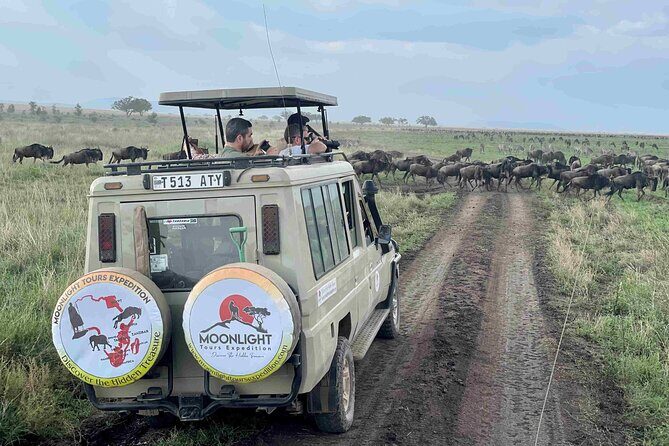
You’re also on a private-style setup in the sense that your party is the only group taking part—so you aren’t sharing the vehicle with random strangers. The group limit is six travelers, which can make a real difference on safari. With fewer people, your guide can manage the vehicle flow more smoothly during sightings, and it’s easier to hear explanations when someone asks a question.
On the camping side, don’t expect hotel-style downtime. You’re getting a real safari rhythm: early start, game drive, then the kind of camp evening where you’ll likely want to conserve energy for the next morning. The good news is that you’re told the campsite is tree-shaded and centrally located. That’s a practical comfort upgrade in a setting where heat, wind, and dust can swing fast.
Day 1 in Tarangire: Elephants, Baobabs, and Picnic Lunch Time
After breakfast, you head to Tarangire National Park for the main game drive. Tarangire is famous for two things that work together beautifully for photos and for “wow” moments: huge elephant populations and baobab trees. Baobabs don’t just look cool; they act like landmarks in a park that’s spread out. Watching animals move around those trees gives you a sense of scale.
This park is also tied to an annual migratory cycle, including numbers like up to 3,000 elephants and tens of thousands of wildebeest and zebra (the exact timing varies). Even if your day isn’t the peak of the cycle, Tarangire’s reputation comes from consistency: the elephants are a major draw year-round.
The lunch plan is straightforward: you’ll have a picnic lunch inside the park, then continue to the campsite at Twiga Campsite. That inside-the-park meal is worth appreciating. It keeps you from losing time driving out to eat, and it helps you stay in “game-drive mode” while the light and animal activity are still working for you.
A small consideration: Tarangire’s animal activity can be spread out. That means you may do more scanning and repositioning than you would in a smaller, denser “bowl” like Ngorongoro. If you’re the kind of person who needs to feel rewarded every ten minutes, you may want to mentally prepare for a slower build—then a big payoff.
Day 2 in Ngorongoro Crater: Down 600 Meters to a Predator-Rich Bowl
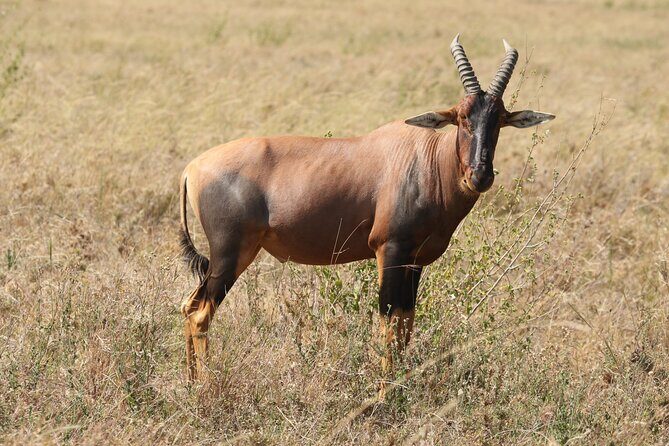
Ngorongoro Crater is the centerpiece day, and the itinerary treats it like one. After an early breakfast, you descend about 600 meters into the crater for wildlife viewing. That drop isn’t just a scenic detail—it’s part of why the crater works so well for spotting animals. The crater’s ecosystem is concentrated: year-round water and fodder support a large variety of animals.
In the crater, you can expect to see wildebeest, zebra, buffalo, eland, warthog, hippo, and giant African elephants. That’s a strong mix on paper, but the real reason Ngorongoro earns its fame is predators. The conservation area is described as having a dense population of predators, including lions, hyenas, jackals, cheetahs, and the leopard, which can take trained eyes (and patient eyes) to spot.
You’ll also visit Lake Magadi, a large but shallow alkaline lake in the crater’s southwestern corner. This is a useful stop even if you’re not chasing birds or geology. It breaks up the day, gives you a visual contrast, and helps explain why the crater sustains different animal needs in a tight area.
One possible drawback: Ngorongoro is a “concentration game.” When animals cluster, it can be easier to spot them—but your time can also be influenced by where activity concentrates on that particular day. In other words, you’re relying on animal behavior more than you are on guaranteed sightings. If you’re going for a specific animal (like leopard), set your expectations to flexible.
Day 3 at Lake Manyara: Baboons, Wetlands, and the Tree-Climbing Lion Twist
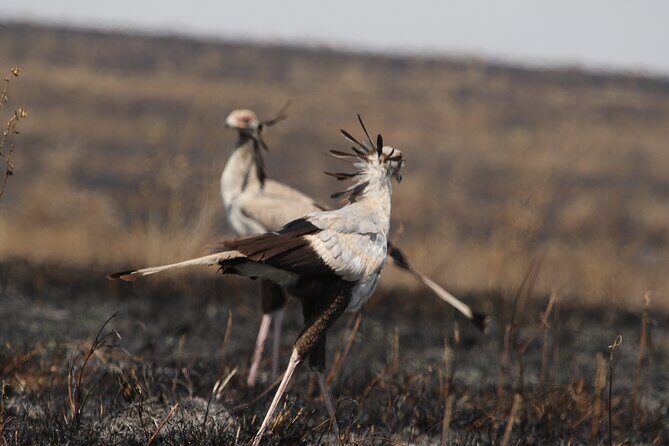
Lake Manyara National Park is smaller than the big names, but it’s not simple. The park is described as having striking variety in habitats: acacia woodlands, water forests, baobab-strewn cliffs, algae-streaked hot springs, swamps, and the lake itself. When a park mixes habitats like that, animals (and birds) can show up in different zones, depending on conditions.
You’ll head out after breakfast for a game drive focused on the park’s different scenes. Lake Manyara’s highlight is the wildlife and bird density tied to this mix. It’s also known for the largest concentration of baboons anywhere in the world. That matters because baboons aren’t only “background wildlife.” They can be active around viewing areas, and they help you read the park’s rhythm—when they move, it can signal something is happening nearby.
Then there’s the special Manyara story: lions here are renowned for tree climbing. Even if you never see a lion in a tree (nature is unpredictable), it’s still a helpful mental cue. It makes you watch beyond the “standard lion zones” and stay alert for behavior that doesn’t fit the usual pattern.
If you like birds, you’ll appreciate that Manyara supports incredible bird life. Even when mammals are quiet, birds often keep the day interesting.
A few more Arusha tours and experiences worth a look

Food and Camping: Included Meals That Actually Change the Day
One of the easiest ways to judge a safari value is to look at meals. Here, you get breakfast (2), lunch (3), and dinner (2). For a three-day experience, that coverage matters because it reduces the number of decisions you have to make while you’re tired and in the bush.
Also, the itinerary places lunch in a way that supports wildlife viewing rather than derailing it. For example, the day in Tarangire includes a picnic lunch at the park, and that means you keep your timing aligned with game activity.
At least one praised part of the experience is the way food shows up warm and practical. A coordinator and team—Hilary as noted in communication—paired with a cook named Moussa who provided delicious hot food, and a driver named Lewis who was knowledgeable about the route and wildlife. Even if you don’t get the exact same team on your dates, the takeaway is clear: this safari’s budget approach still aims for meals that feel real, not just an afterthought.
Price and Value: Why $700 Can Work for Three Parks
At $700 per person for about three days, this is positioned as cost-effective, especially for a route that covers three national parks. What makes it feel more reasonable than many safaris is the way the itinerary is structured around time and essentials:
- Park admission is listed as free in the day-by-day outline (each day shows admission ticket free). That helps keep the price down and makes your money feel more “spent on the safari” instead of the paperwork.
- Meals are included, which cuts a big daily cost and reduces the risk of last-minute meals that aren’t worth the money.
- Small group size adds value by improving the quality of guiding and the flow of game drive time.
The trade-off is typical for budget camping: you’re in a safari rhythm, not a resort rhythm. Expect basic comfort rather than upgraded luxury. If you want linen-bed comfort and multiple activity options, you’ll likely feel restricted by the camping format and the fixed schedule.
But if your goal is simple—see major parks, maximize wildlife time, and sleep in a functional camp—this price can make sense.
Who This Safari Fits (and Who Might Want Something Different)
This tour style fits best if you:
- Want three iconic areas without stretching your time off work
- Like the idea of camping but still want meals covered
- Prefer small-group guiding over a huge tour bus experience
- Don’t need free time for extra stops or last-minute detours
You might think twice if you:
- Hate early mornings and long days in a vehicle
- Need high flexibility to change the plan on the fly
- Expect a “luxury lodge” comfort level
One more practical note: because the safari circles back to Arusha and starts at 8:00 am, plan your arrival and departure days with buffer time. In safaris, “almost ready” can turn into “ready after breakfast” fast.
Should You Book This 3-Day Tarangire, Ngorongoro & Lake Manyara Safari?
I’d book this if you want a smart, budget-friendly circuit that hits the big Tanzanian wildlife zones in one go, and you’re comfortable with a camping base. The combination of small group size, included meals, and a route that balances elephant-heavy Tarangire, predator-focused Ngorongoro, and habitat-mixing Lake Manyara is a strong match for limited time.
Before you book, ask yourself one question: are you traveling for the parks and animals more than for comfort and downtime? If yes, this is a good fit. If you want a slower pace or luxury lodging, you’ll probably be happier with a different style of safari.
FAQ
What time does the safari start?
The safari starts at 8:00 am.
Where does the group meet in Arusha?
The meeting point is Jevas Hotel EncoreTZ, Makao Mapya, Arusha 0255, Tanzania.
Which national parks are included?
The safari includes Tarangire National Park, Ngorongoro Crater, and Lake Manyara National Park.
Are meals included?
Yes. Breakfast is included for 2 days, lunch is included for 3 days, and dinner is included for 2 days.
Is this a shared tour with other groups?
This is described as a private tour/activity, and only your group will participate.
Is the safari cancellable for a full refund?
Yes. Free cancellation is available. You can cancel up to 24 hours in advance for a full refund.