REVIEW · ARUSHA
Arusha/Moshi: Tarangire, Serengeti, & Ngorongoro 4-Day Tour
Book on GetYourGuide →Operated by KILINGE -ADVENTURES · Bookable on GetYourGuide
Elephants first, then predators, then a crater. I really like the chance to see Tarangire elephant herds and towering baobabs, and then chase Serengeti lions and leopards across open plains. One thing to plan for: national park fees can end up needing cash, which can slow you down if you’re not ready.
This is a classic 4-day run that strings together Tarangire, Serengeti, and Ngorongoro Crater with guided game drives and tent camping. You’ll get pickup in Arusha, water included, and the essentials for sleeping outdoors—plus meals laid out each day so you’re not guessing.
My main advice: treat this like an active safari circuit. If you’re unlucky with vehicle issues or late starts, the viewing window can shrink fast—so come prepared to stay flexible and keep your plans mentally elastic.
In This Review
- Quick hits before you go
- From Arusha or Moshi to Tarangire’s elephants and baobabs
- Serengeti’s plains: migration season energy and predator scanning
- A longer Serengeti day: when leopards and lions feel close
- Ngorongoro Crater: the “inactive caldera” safari that needs early energy
- Camping in tents: what you get, and what you should not assume
- Price and logistics: park fees, cash risk, and value math
- Guides, vehicles, and the Kilinge Adventures communication edge
- What this 4-day safari is best for
- Should you book this Tarangire Serengeti and Ngorongoro 4-day tour?
- FAQ
- What parks are included in the 4-day tour?
- Where are pickup and drop-off?
- Are national park fees included in the tour price?
- What meals are included each day?
- What kind of accommodation do you get?
- Is drinking water provided?
- Is alcohol included?
- Do you go into Ngorongoro Crater?
- What wildlife should I expect most?
- What should I bring?
Quick hits before you go
- Tarangire’s elephant playground: expect huge herds and baobab trees as your early “wow” factor.
- Serengeti predator chances: lions, leopards, and cheetahs show up often enough to keep you scanning.
- Ngorongoro Crater is about timing: you descend into a concentrated wildlife zone after breakfast.
- You sleep in tents, not hotels: sleeping bag, mattress, and camping furniture are included, but comfort varies.
- Park fees are separate: national park fees are not included, and cash may be requested.
- WhatsApp support can help: Kilinge Adventures communication can be fast when questions pop up.
From Arusha or Moshi to Tarangire’s elephants and baobabs
Your safari kicks off with pickup from Arusha or Moshi. If you start in Arusha, the tour includes hotel pickup and drop-off, which saves time and stress. If you start in Moshi, you’ll pay for the transfer (so budget for that extra logistics step).
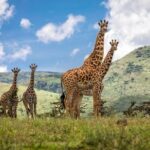
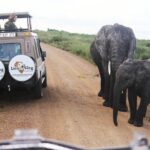
From there, you drive to Tarangire National Park, a place that earns its reputation quickly. This park is famous for two things: elephant herds that can feel almost too large to be real, and baobab trees that look like they’ve been planted by giants. The driving matters here. You’re not just passing through; you’re actively searching for animals along the routes where elephants and other wildlife tend to gather.
What you might see on Day 1:
- elephants up close during road viewing
- giraffes
- zebras
- lions and different antelopes (wildlife sightings vary, but this is the kind of mix you go looking for)
Day 1 runs with a picnic lunch and then more exploring after lunch. The pattern is intentional: wildlife spotting often gets better once the day is in motion. You end by heading to your lodge or campsite in the Tarangire area for dinner and sleep.
Practical note: this first day is where your safari instincts start to form. You’ll learn fast what “keeping eyes up” looks like when elephants can move from the bush line to the open road without much warning.
A few more Arusha tours and experiences worth a look
Serengeti’s plains: migration season energy and predator scanning
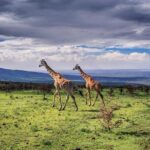
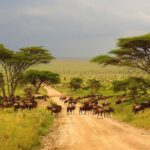
Day 2 is the big transition day: Tarangire to Serengeti National Park. On the way, you pass through the Ngorongoro Conservation Area, where the scenery can shift and you might spot Maasai herders with cattle against the backdrop of the Great Rift Valley.
Once you enter Serengeti, you get the wide-open feel that makes people fall for this place. The game drive approach changes too. In Tarangire, you may track animals around specific features. In Serengeti, you’re working with sightlines—big plains, lots of movement, and animals spread out enough that your guide’s spotting skill becomes the whole game.
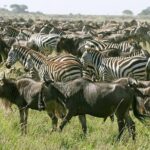
This is also where you connect to the park’s famous story: the annual migration of wildebeest (often described as over a million) alongside thousands of zebras. Even if you’re not there for peak timing, the migration engine is part of why predators hang around—food routes pull everything together.
Day 2 plan:
- breakfast, then the drive into Serengeti
- lunch during the travel/day flow
- an afternoon game drive focused on predators and large mammals
What you’re likely hoping for:
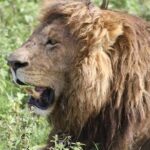
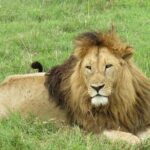
- lions
- leopards
- cheetahs
- plus other species you’ll spot as you scan the grass and tree lines
I like this day because it gives you the “first taste” of Serengeti without forcing you into a full day back-to-back with the crater. You’re not exhausted before Ngorongoro, and you still get a solid chance to see the park’s big cast.
A longer Serengeti day: when leopards and lions feel close
Day 3 is where the safari rhythm tightens. You start with breakfast and then go for an extended session of game drives across different areas of Serengeti. The goal is simple: more time scanning means more time for the good stuff—especially predators, which can be hard to predict.
This is the day that can feel like two safaris in one:
- earlier drives when animals are more active and moving
- later drives that reward patience when big cats settle into a hunt or rest routine
You might see:
- a lion pride during a hunt
- cheetahs chasing prey
- an elusive leopard resting in a tree
- other wildlife popping up as your route changes
In a perfect world, this is when you end up with the photos you’ll keep arguing about later. But I also want to be honest: predator sightings depend on timing and positioning, and that can be affected if the day starts late. If you care a lot about early wildlife action, build your mindset around the fact that Serengeti is a game of hours, not just days.
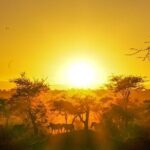
You return to your lodge or camp late afternoon for dinner and sleep under African stars—a moment that sounds poetic, but you’ll actually notice the quiet when you step out from camp.
Ngorongoro Crater: the “inactive caldera” safari that needs early energy
Day 4 is the day everyone remembers later. You leave Serengeti after breakfast and drive toward Ngorongoro Crater, described as the world’s largest inactive volcanic caldera. The drive itself is part of the drama, but the real magic is the descent.
You go down into the crater floor for a half-day game drive, then have lunch and start the return drive to Arusha (where the tour ends). The crater’s wildlife is concentrated by design of the terrain, which often makes spotting feel more efficient than in open-country driving.
Why Ngorongoro is special:
- it’s a wildlife haven with multiple habitat types in one area
- it’s a known area for the endangered black rhino
You might also see other species during the drive—your exact sightings depend on current conditions—but the crater experience is about the density and the variety in a single drop.
Now for the practical part. Timing matters here more than you’d think. One traveler scenario involved a later start after a breakdown, which reduced how much time they had on the crater floor. You can’t control everything, but you can control your preparation: wake up ready, keep your expectations flexible, and be ready to move quickly when you arrive.
Camping in tents: what you get, and what you should not assume
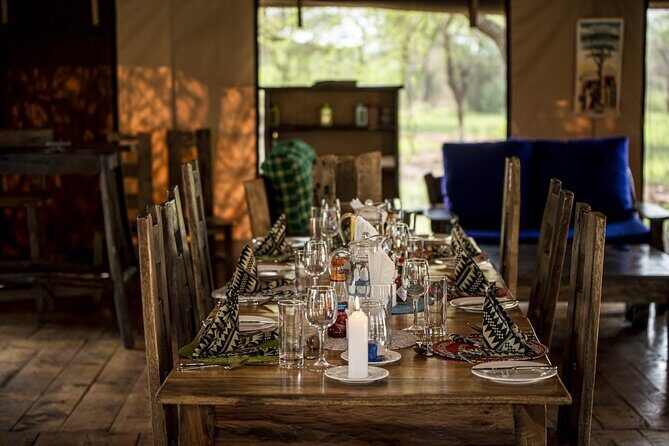
This tour is built around tents for accommodation. The good news: you’re not on your own for gear. It includes a sleeping bag and mattress, plus camping furniture. Water is included too, and meals are covered based on the itinerary.
What this means for you in real life:
- you’ll be sleeping outdoors, not in a hotel room
- you’ll likely deal with basic camp setup rather than polished comfort
- you should treat the day as an outdoor experience, not a couch-and-TV vacation
Some comfort notes based on the experiences shared:
- camping equipment can be basic, with thin mattresses mentioned
- food is generally fine for dinners, while packed lunches can be less exciting
- toilets at some camps can be less than ideal, including reports of darkness/no usable facilities—so plan on needing your own personal light
I can’t predict what camp setup you’ll get, but I can tell you this: tent camping on safari is part of the deal. If you go in expecting hotel bedding and spotless bathrooms, you’ll be disappointed fast. If you go in expecting “functional outdoors,” you’ll be happier than you’d think.
What to bring from the tour info
- a camera
- a daypack
My extra advice (practical, not fancy): bring layers. Safari days can swing from warm to cool quickly, and you’ll be moving between vehicle heat and open-air camp nights.
Price and logistics: park fees, cash risk, and value math
Here’s where you’ll make or lose your peace of mind: national park fees are not included. That means the “real” cost of the safari depends on what you’re required to pay on arrival for entry and other charges tied to the route.
Two important financial realities from real on-the-ground experience:
- Some people were asked to pay a large portion of park fees in cash even when card payment options were expected.
- One person also described extra costs beyond park entrance fees, including camping and various transfers, with a figure of around $280 per person mentioned.
So how do you judge value?
- You’re getting guided game drives across three major parks, plus tent camping gear (sleeping bag, mattress, furniture) and included meals for most of the days.
- But you are not getting park fees, and you may face additional charges tied to camping and transfers.
- If you end up stuck at an ATM because you’re short on cash, the cost is no longer just money—it’s time.
My recommendation: treat this as a cash-planning trip. Even if your payment plan says card, have a backup in cash for park fees. Also, keep a buffer in your budget for additional charges that can appear during the trip.
Alcohol is not included, so if you want a drink at camp, plan to pay for it separately.
Guides, vehicles, and the Kilinge Adventures communication edge
A safari lives or dies on three things: guide skill, driver reliability, and communication. The good side is clear. Many people highlight a driver-guide team that was proactive, fun, and informative.
Specific guide names that came up:
- Joshua was described as proactive, informative, and fun, with the first day in Tarangire praised for close elephant viewing.
- Samuel was praised for making things comfortable and unforgettable, with extra excitement for kids.
- David came up in a negative context where updates during delays weren’t clear.
Here’s what you can do with that information:
- when you get your morning briefing, ask what time you’re aiming to be at each key park moment
- ask what you’ll do if the vehicle has trouble
- confirm the plan at each handoff
Communication support is also a bright spot. Kilinge Adventures was mentioned with fast, effective help through WhatsApp when questions came up.
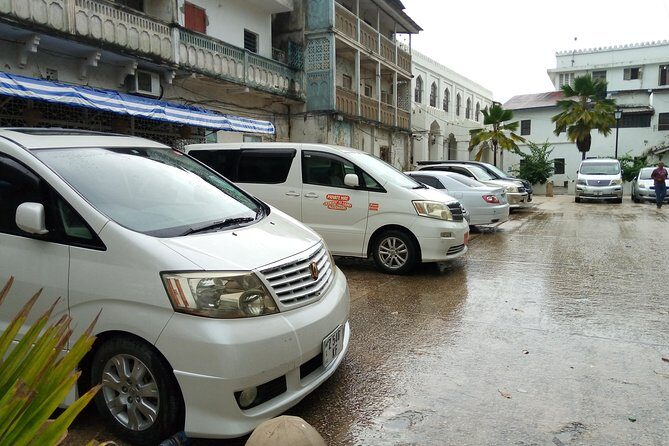
Vehicles: this is the part where you should keep expectations realistic. There were reports of old/smelly cars, mechanical breakdowns, and lost time. That’s not something you can fully eliminate by booking, but you can protect yourself by staying flexible and not treating the itinerary times like promises.
If you’re the type who can handle a slower start without spiraling, the safari can still work out beautifully. If you’re the type who needs everything on schedule, you should plan for frustration risk.
What this 4-day safari is best for
This tour fits best if you:
- want to hit Tarangire + Serengeti + Ngorongoro without planning every move yourself
- like wildlife-heavy days where spotting matters more than hotel comfort
- can handle tent camping as part of the adventure
- want guided drives with a team that can explain what you’re seeing
It may not be ideal if:
- you rely on card payments for all big charges and can’t carry cash
- you’re very sensitive to delays and mechanical hiccups
- you need very consistent camp comfort (toilets, lighting, bedding comfort)
If you’re traveling with kids, the experience can be a great match—one family mentioned kids were super enthusiastic. For couples, the predator-and-crater combo is a strong romantic safari loop, especially if you land the timing right.
Should you book this Tarangire Serengeti and Ngorongoro 4-day tour?
I’d book it if your top priorities are animals, guided drives, and seeing the big trio of Tanzania parks in one go. The chance to pair Tarangire elephants and baobabs with Serengeti predator country and then finish with Ngorongoro’s crater wildlife is a powerful lineup.
I would not book it blindly if you hate uncertainty. Because national park fees are not included and cash may be needed, you’ll want to arrive ready. Also, if you’re strongly schedule-driven, mentally prepare for the fact that safari timing can be disrupted by vehicle problems.
If you do book, go in with the right mindset:
- carry cash for park fees as a backup
- pack a daypack and your camera
- keep your day flexible, especially on the crater descent day
- ask for clear daily check-ins so you’re not guessing what’s happening next
If you want, tell me your travel month and whether you’re starting from Arusha or Moshi. I’ll suggest what to prioritize for wildlife timing and how to plan around the biggest risk: early starts.
FAQ
What parks are included in the 4-day tour?
You visit Tarangire National Park, Serengeti National Park, and Ngorongoro Crater.
Where are pickup and drop-off?
The tour includes hotel pickup and drop-off in Arusha. If you pick up in Moshi, you pay for the transfer.
Are national park fees included in the tour price?
No. National park fees are not included.
What meals are included each day?
Day 1 includes lunch and dinner. Day 2 includes breakfast, lunch, and dinner. Day 3 includes breakfast, lunch, and dinner. Day 4 includes breakfast and lunch.
What kind of accommodation do you get?
Accommodation is provided in tents, with a sleeping bag and mattress included.
Is drinking water provided?
Yes. Drinking water is included.
Is alcohol included?
No. Alcoholic beverages are not included.
Do you go into Ngorongoro Crater?
Yes. On Day 4 you descend into the crater floor for a half-day game drive.
What wildlife should I expect most?
Tarangire is known for elephant herds and baobab trees. Serengeti is known for predators like lions and leopards. Ngorongoro is known for wildlife including the black rhino.
What should I bring?
You should bring a camera and a daypack.