REVIEW · ARUSHA
4 Days Tarangire, Serengeti and Ngorongoro Mid-Range Group Safari
Book on Viator →Operated by Suricata Safaris · Bookable on Viator
Small-group safari, big Tanzania moments. In four days from Arusha you’ll move through Tarangire and Serengeti, then finish with a crater sunrise at Ngorongoro, guided by a certified driver-guide who’s focused on where the animals actually are. What I like most is the pace for first-timers plus the attention you get in a group capped at 7. One thing to double-check: at least one past departure reported a mix with a more budget camping group, so confirm your exact lodge or tent setup before you go.
This is a mid-range safari built for comfort without luxury-level pricing. You get 3 nights of accommodation and a full set of meals (breakfast, lunch, and dinner), and the day-by-day rhythm is simple: morning drives for best odds, picnic lunch out in the open, then back to camp before dark.
You should also know this is not a “sit on a bus all day” tour. The driving time is substantial, and most days run around 7–8 hours total, but the goal is each day ends with you positioned for the next wildlife window.
In This Review
- Key things that make this 4-day safari work
- Tarangire to Serengeti to Ngorongoro: the smart 4-day route
- Group size, timing, and why the days feel full (in a good way)
- Day 1 at Tarangire: elephants, baobabs, and a picnic lunch in the wild
- Day 2 and 3 in Serengeti: why the morning drive matters
- Ngorongoro Crater day 4: sunrise viewing and the Big Five in one bowl
- Mid-range lodging and included meals: comfort that doesn’t feel like a trade-off
- Guides and sightings: why names like Felix, Rocky, Damien, and Frederick show up
- Price and logistics: what $1,450 really buys you
- Who should book this safari (and who should pause)?
- Should you book this 4-day Tarangire–Serengeti–Ngorongoro safari?
- FAQ
- How long is the safari?
- Which parks are included?
- What does the price include?
- What is the group size?
- Are pickup and tickets included?
- What is not included in the tour price?
- Is free cancellation available?
Key things that make this 4-day safari work
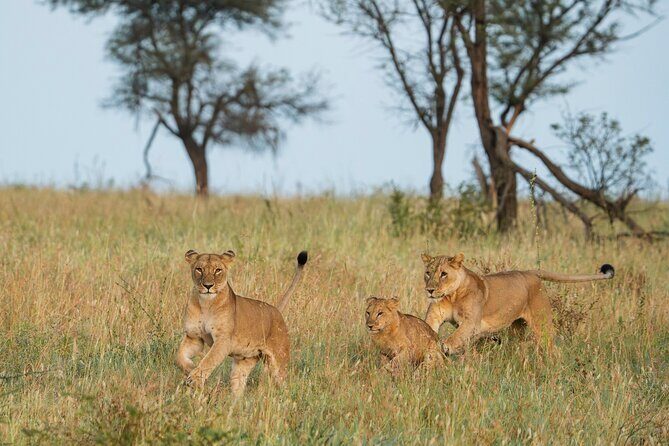
- Small group cap (max 7): easier conversation with your guide and more chances for a real stop-and-scan moment.
- Tarangire elephants and baobabs: one day in the right habitat for classic elephant viewing.
- Serengeti early start: the itinerary gives you a morning game drive when animals are often most active.
- Ngorongoro Crater sunrise: you start early so you’re not rushing the crater experience.
- Meals and comfort are included: breakfast (3), lunch (4), dinner (4), plus 3 nights’ accommodation.
Tarangire to Serengeti to Ngorongoro: the smart 4-day route
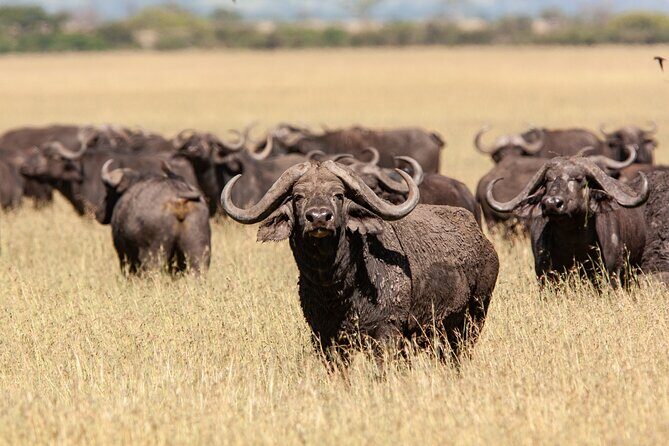
This safari makes sense for travelers who want three of Tanzania’s headline parks without sacrificing too much time. Tarangire gives you a different feel right away: baobab trees, open views, and elephant herds that can be surprisingly close. Then Serengeti brings the wide-open engine room of classic East African wildlife viewing, with more predator opportunity depending on where the animals are moving that week. Finally, Ngorongoro Crater is the “wow” finish, because it’s a natural amphitheater where many habitats sit close together.
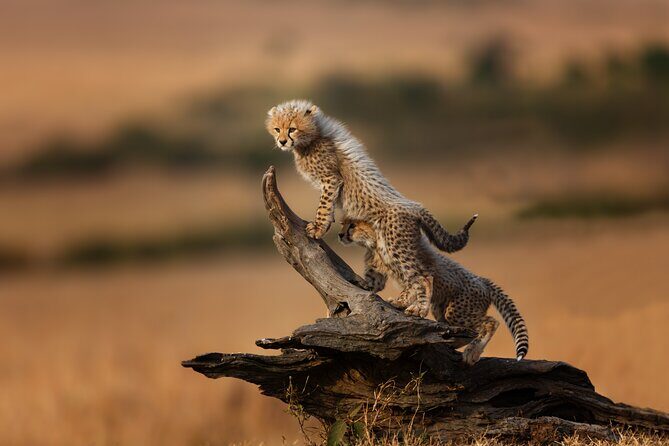
What I like about combining these parks in one loop is the variety in wildlife behavior. Elephants at Tarangire often look like they own the place. Serengeti is more about tracking patterns: lions and cheetahs show up when the timing and terrain line up. Ngorongoro changes the game with a confined viewing zone and a strong chance at seeing major species in one day.
The itinerary also avoids the common mistake of cramming too many long drives with too little game time. You’re still on the road for hours, yes, but each day includes structured game drives and a picnic lunch that keeps the day grounded.
A few more Arusha tours and experiences worth a look
Group size, timing, and why the days feel full (in a good way)
This is a group safari, but it stays small: up to 7 travelers. That matters more than it sounds. In a larger group, animals can mean “wait your turn to look.” In a small group, you can usually hear the guide’s calls, ask quick questions, and react faster when something appears at the edge of the road.
Timing is the other big piece. You’ll be doing morning game drives (especially on the Serengeti and crater day) and spending afternoons driving between parks or continuing wildlife time. The schedule also builds in hot picnic lunches, which is a practical way to keep energy up without losing half the day to restaurant stops.
One note: “7–8 hours” doesn’t mean you’re staring out the window the whole time. There’s driving, briefing, locating sightings, and then proper viewing time. If you’re the type who gets grumpy when the day feels too rushed, this might still be perfect because the structure is consistent: start early, drive with purpose, break for lunch, then keep going.
Day 1 at Tarangire: elephants, baobabs, and a picnic lunch in the wild

Tarangire National Park is a strong opener because it’s built for iconic viewing. After pickup in the Arusha area and breakfast, you’ll head out toward the park. The drive is about two hours, which means you’re not spending the entire first day transferring.
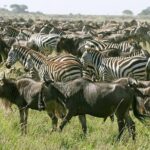
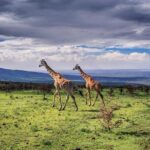
Once you arrive, your game drive is where Tarangire earns its reputation. You’re looking for herds of elephants, plus zebras and giraffes moving through the park’s open areas. The baobab trees are a big visual clue. Even when animals are far, those shapes help you read the terrain. That makes the drive feel rewarding right from the start, not like a long warm-up day.
Lunch is handled as a hot picnic in the middle of the action (or close enough that you don’t lose the day). That’s the kind of detail that saves time and keeps your focus on wildlife. In the afternoon, you keep driving and searching, then you roll into your lodge for the night with the African bush sounds in the background.
For value-minded travelers, Day 1 does something useful: it gets you to a distinct park habitat quickly, so you feel like you’re learning Tanzania’s wildlife zones—not just collecting checkmarks.
Day 2 and 3 in Serengeti: why the morning drive matters
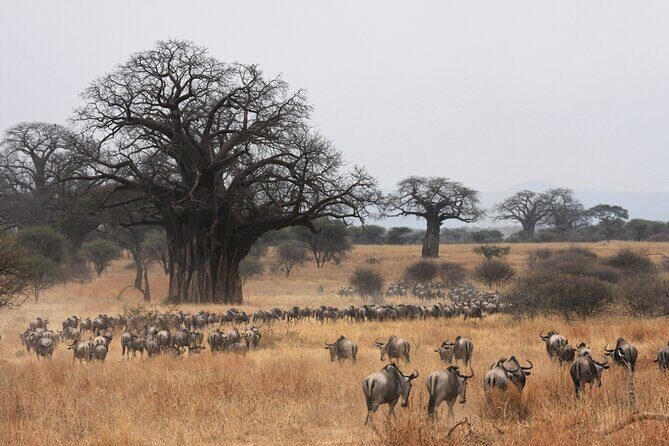
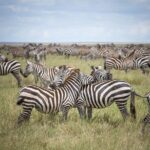
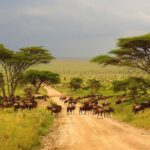
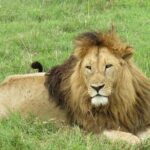
Serengeti National Park is the heart of many safaris for a reason. On Day 2, you’ll travel from Tarangire and then spend time on the Serengeti plains with a hot picnic lunch break. This day is built for broad wildlife chances: lions, elephants, giraffes, and other iconic species.
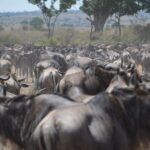
The important part is how Serengeti behaves. It’s not one tight loop where animals sit still. It’s more like a moving puzzle. Your guide’s job is to interpret signs, read where animals are likely to be, and adjust when the day changes. That’s why the driver-guide piece matters so much on this specific safari.
Day 3 goes one step further by starting with an early morning game drive in Serengeti. Early starts often help because animals tend to be more active when temperatures are lower and light is clearer. You’re still doing game drives after breakfast, then you shift toward the Ngorongoro Conservation Area in the late afternoon. The idea is smart: you get time in Serengeti when chances are good, then you don’t arrive at Ngorongoro too late to enjoy the rim area before the big crater day.
If you only do one Serengeti day, you risk missing the morning rhythm. This itinerary gives you two shots, and the second one includes the early start.
Ngorongoro Crater day 4: sunrise viewing and the Big Five in one bowl
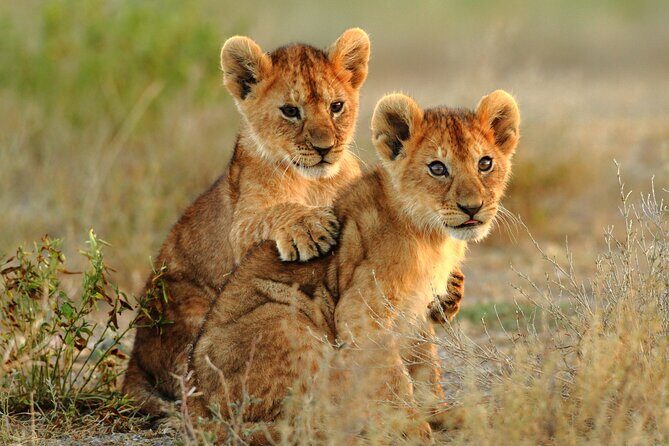
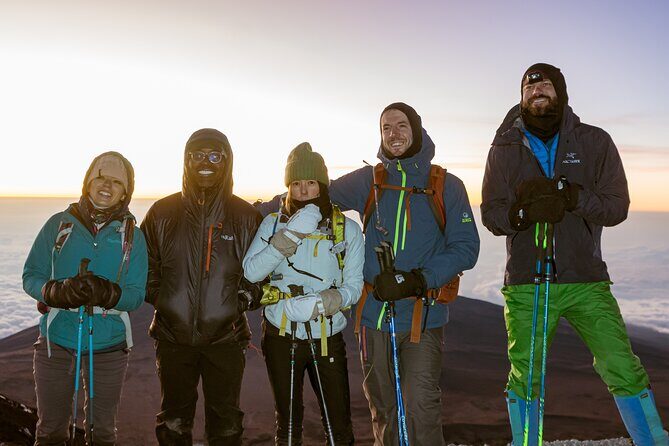
Ngorongoro Crater is one of those places where the setting does half the work. On Day 4, you wake early for sunrise views over the crater, then you head down into the crater for a guided day of wildlife viewing.
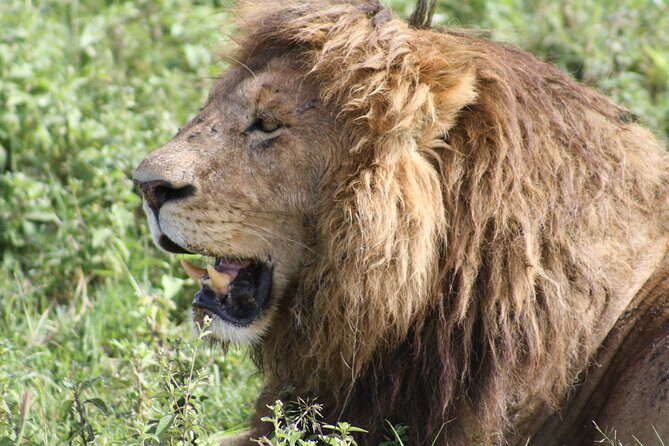
This is where the safari gets serious about “headline species.” The crater is famous for dense wildlife viewing, and you’ll have the opportunity to see a wide variety of animals, including Big Five possibilities. The day is built around crater exploration: you’re moving between different habitats inside the crater and looking for animals as the morning progresses.
Lunch is another hot picnic during the crater day, which keeps you out of queues and helps the day stay smooth. In the afternoon, you start the return journey back toward Arusha, ending the safari with one last chance to absorb what you saw.
Practically, sunrise is the difference between viewing the crater and photographing the crater. Starting early also reduces the sense that you’re arriving after the best light and best animal activity windows have passed.
A few more Arusha tours and experiences worth a look


Mid-range lodging and included meals: comfort that doesn’t feel like a trade-off
This safari is positioned as mid-range, and that shows in how the days are planned: 3 nights of accommodation that aim to keep you comfortable after long drives. In the reviews, people call out the camps and lodging as comfortable and well-located, with staff hospitality that makes the end of day feel like a real decompression period.
Food is also handled well in the included package. You get dinner four times, lunch four times, and breakfast three times. That’s not just convenient. It also helps you keep your budget stable. On safari, meals can easily turn into a surprise expense if they’re not included.
One thing to watch, based on feedback from past participants: some people experienced tented or more rugged elements on certain departures. In one case, a traveler felt disappointed to be paired with a budget camping group. So if you’re set on lodge comfort only, it’s worth confirming what your exact lodging setup will be for your departure.
Also, if you’re traveling as a couple or you want good sleep between drives, this package generally supports that goal. If you’re a total camping purist who loves simple nights in the bush, you may find it a bonus rather than a compromise.
Guides and sightings: why names like Felix, Rocky, Damien, and Frederick show up
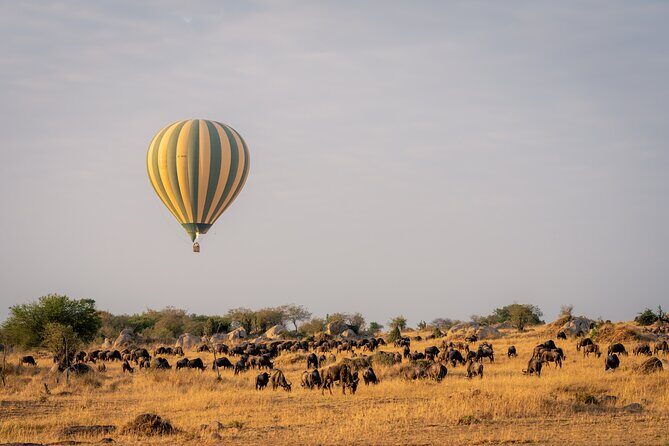
On paper, this is a route: Tarangire, Serengeti, Ngorongoro. In real life, the difference-maker is the guide.
The strongest praise in the feedback points to guides who are both careful and effective: guides who know animals, explain what you’re seeing, and work hard to position you for sightings. Several guide names show up repeatedly in the conversation around this safari style, including Felix, Damien, Rocky, Shaban, Amiri, and Frederick.
What’s consistent across those mentions is a mix of wildlife expertise and practical driving. People also highlight safe, confident driving and good car positioning for viewing and photos. That matters because in safari driving, the car position affects your view and your ability to track movement without losing the animal.
A small-group safari makes those guide skills even more valuable. When your guide spots a possible sighting, everyone can react quickly. You’re not watching from far back or hearing half the explanation. You get the full value of the guide’s effort.
Price and logistics: what $1,450 really buys you
At $1,450 per person for roughly 4 days, the value comes from what’s bundled. You’re not just paying for vehicle time. You’re paying for certified guiding, transportation between parks, 3 nights of accommodation, and a full meal plan (breakfast, lunch, dinner). The itinerary also lists admission tickets as free, which is a big piece of what can inflate safari costs.
So the real question isn’t only the sticker price. It’s what you’d otherwise pay separately: meals, guiding, game drive access, and multi-day transport. When those things are included, you get a cleaner budget and fewer surprises once you arrive.
What’s not included is also clear: medical, travel, and luggage insurance, plus international flights and departure taxes. If you’re trying to compare prices, factor those items in so the comparison is apples-to-apples.
In addition, the safari includes pickup offered and uses a mobile ticket. That’s useful because it reduces friction when you arrive in Arusha and need everything to run smoothly from the first day.
Who should book this safari (and who should pause)?
This is a great fit if you want a classic Tanzanian safari circuit with a small-group feel and you only have a short window. It also suits first-time safari travelers because the days are clearly structured: Tarangire first, then Serengeti with a morning drive, then Ngorongoro with a sunrise start.
It’s also a good call if you care about comfort and food. Included meals and mid-range accommodations make the experience more relaxing after long game-drive days. If you have kids, at least one past traveler mentioned food that worked well for them, so that’s a hopeful sign.
The main reason to pause is lodging expectations. Because there have been comments about being paired with a budget camping group on at least one departure, you should confirm what your exact sleeping setup will be. If you strongly prefer only lodge stays, ask directly before you lock it in.
Should you book this 4-day Tarangire–Serengeti–Ngorongoro safari?
If you want the big Tanzanian highlights in a tight schedule, this safari is easy to recommend. The small group size, certified guiding, and included meals are the practical reasons. The parks do the rest: elephants and baobabs in Tarangire, Serengeti’s early-morning wildlife odds, then Ngorongoro Crater at sunrise for a high-impact finale.
I’d book it if you’re comfortable with a full, active four days and you want comfort that’s built into the price. I’d ask questions first if you’re picky about lodging style, since there’s evidence of occasional variation in how “mid-range” is executed on different departures.
If everything looks aligned with your comfort level, you’re likely to come away with exactly what you came for: memorable wildlife sightings, strong guiding, and that crater sunrise feeling that’s hard to top.
FAQ
How long is the safari?
It runs for 4 days (about 8 hours on Days 1–3, and about 7 hours on Day 4).
Which parks are included?
The tour covers Tarangire National Park, Serengeti National Park, and the Ngorongoro Conservation Area (including Ngorongoro Crater).
What does the price include?
It includes a certified guide, transportation, 3 nights of accommodation, and meals: dinner (4), lunch (4), and breakfast (3). Admission tickets are listed as free.
What is the group size?
The tour has a maximum of 7 travelers.
Are pickup and tickets included?
Pickup is offered, and you receive a mobile ticket.
What is not included in the tour price?
Medical, travel and luggage insurance, plus international flights and departure taxes are not included.
Is free cancellation available?
Yes. You can cancel up to 24 hours in advance for a full refund. If you cancel less than 24 hours before the experience start time, the amount paid is not refunded.