REVIEW · ZANZIBAR
Private Half Day Stone Town Walking Tour
Book on Viator →Operated by Phenomenon Tours and Safari · Bookable on Viator
Stone Town moves fast, and this walk gives it context. You’ll cover major landmarks in only a few hours, with a local guide who ties the streets to Zanzibar’s culture and trade stories. It’s private, so you can steer the pace toward architecture, history, photos, or shopping.
I especially like that you get admission ticket coverage during the walk, so you’re not constantly stopping to sort out small entry costs. I also like that the meeting point is simple and central—right at Old Fort—which makes the whole start feel easy even if you’re new to Zanzibar.
One thing to think about: it’s a walking tour with moderate fitness needed, and it runs only when weather is good. If you’re dealing with limited mobility or frequent rain, you may want a plan B.
In This Review
- Key highlights to look for on this Stone Town walk
- Why Stone Town works best with a guide
- Pricing and value: what you really get for $40
- Meeting at Old Fort: the easiest way to start
- Stop by stop: what you’ll see and why it matters
- Old Fort and getting the town’s timeline in your head
- Darajani Market and the fish market vibe
- Anglican Cathedral area and the slave trade story
- House of Wonders and the architecture clues
- Zanzibar Doors and the small details that make Stone Town feel real
- Freddy Mercury’s house and the pop-culture link
- Africa House and more iconic landmarks
- Forodhani Garden: where the town’s pace feels different
- Shopping in Stone Town: how to do it without losing time
- Fitness, pace, and why timing matters
- Who this private tour fits best
- Guides, service feel, and what stands out from the experience
- Should you book this Stone Town walking tour?
- FAQ
- How long is the Private Half Day Stone Town Walking Tour?
- Where does the tour start?
- Is the tour private?
- What’s included in the price?
- Are food and drinks included?
- Is pickup available from other parts of the island?
- What kind of physical fitness is needed?
- What if the weather is bad?
Key highlights to look for on this Stone Town walk

- Old Fort start point that helps you get your bearings quickly
- Darajani Market and fish market area for a real feel of daily Zanzibar life
- Anglican Cathedral area linked to the slave trade story, explained in plain language
- House of Wonders and key historic sites that make the town’s architecture click
- Forodhani Garden and evening-photo potential if your timing fits
- Shopping stops where Zanzibar Doors and local goods are part of the experience
Why Stone Town works best with a guide
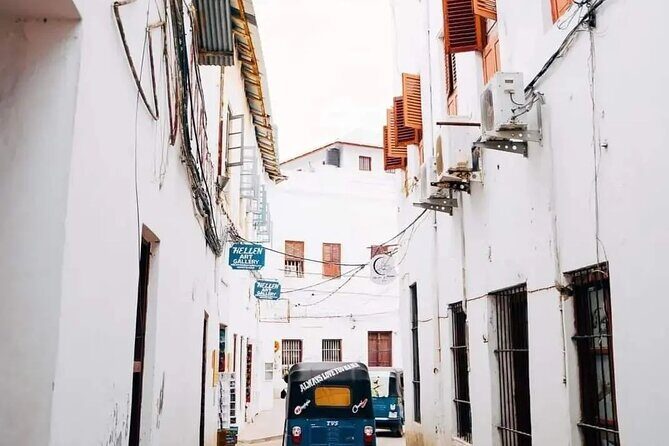
Stone Town is one of those places where self-guided wandering can turn into aimless wandering. The streets are beautiful, sure, but the meaning is hidden in details: the buildings, the doors, the trade networks, and the sometimes-heavy history that shaped the island.
A private half-day walk gives you what you’d struggle to piece together on your own—who lived here, what money and migration built, and why UNESCO even matters here. And because it’s private, you can focus. Want architecture and photo angles? Great. Prefer cultural stories and markets? Great.
Also, the price is surprisingly reasonable for Zanzibar. You’re paying for a local guide plus included fees and admission tickets. For many visitors, that combo is the difference between seeing Stone Town and understanding Stone Town.
You can also read our reviews of more walking tours in Zanzibar



Pricing and value: what you really get for $40

At $40 per person for about 4 hours, this tour is built around three value drivers:
- You’re not just paying for walking. You’re paying for interpretation—street-level stories that connect landmarks.
- Admissions are included, which helps avoid small add-ons that can make a budget feel messy.
- All fees and taxes are included, so you’re not guessing what’s included later.
The trade-off is also clear: no food or drinks are included, and there’s no pickup from other parts of the island. So if you’re far from Stone Town, you’ll need to budget time to get to the meeting point yourself.
In plain terms: if you’re staying in or near Stone Town and you want guided context without spending all day, this is a solid deal.
Meeting at Old Fort: the easiest way to start
The guide meets you at the Old Fort main entrance on Mizingani Rd. That matters more than it sounds. Stone Town is packed, and having a well-known landmark for the start reduces stress.
You’ll typically start with an overview of what you’re seeing and how the town’s layout connects different eras of Zanzibar. Then the guide tailors the pace based on what you care about—architecture, history, renovation work you can spot from the street, photography, or shopping.
In the feedback, guides named Machano come up often, described as friendly and helpful. That lines up with the kind of guidance you want here: confident enough to explain the hard parts, and flexible enough to answer your questions as you walk.
Stop by stop: what you’ll see and why it matters

Even though the schedule is a half-day walk, the experience is really two long segments through the town’s core. Here’s how the major sights fit together and what to watch for.
Old Fort and getting the town’s timeline in your head
You start at Old Fort, and that’s smart. Forts give you a mental anchor: power, protection, and control of trade routes. From there, your guide can point out how the town grew and changed—so later landmarks make sense.
What I like about starting here is that it reduces the common Stone Town problem: you see famous places but don’t know why they matter. Once you understand the role of coastal forts and trade, the rest reads like a map instead of a list.
A practical note: wear comfortable shoes. This is still Stone Town, and the ground isn’t always flat.
You can also read our reviews of more private tours in Zanzibar





Darajani Market and the fish market vibe
You’ll spend time around Darajani Market, including the fish market area. This is where Zanzibar feels lived-in, not staged. You’re close to the daily rhythm—vendors, movement, and the kind of sensory overload that’s part of the point.
One standout from the experience feedback: the market section isn’t only about walking past stalls. The guide connects it to what people buy, how the market works, and what spices and goods reveal about trade. If you love food culture or you want shopping that feels more connected than random browsing, this portion is for you.
The drawback: markets are busy and can feel crowded. If you’re sensitive to noise and crowds, pace yourself. Your guide can adapt the tour to your comfort level.
Anglican Cathedral area and the slave trade story
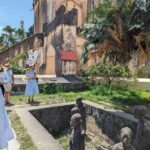
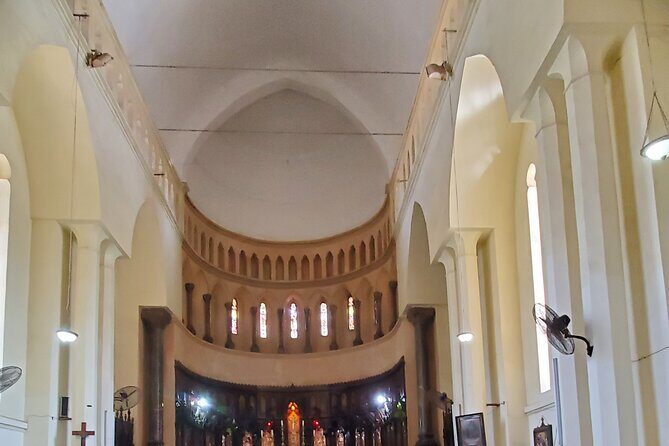
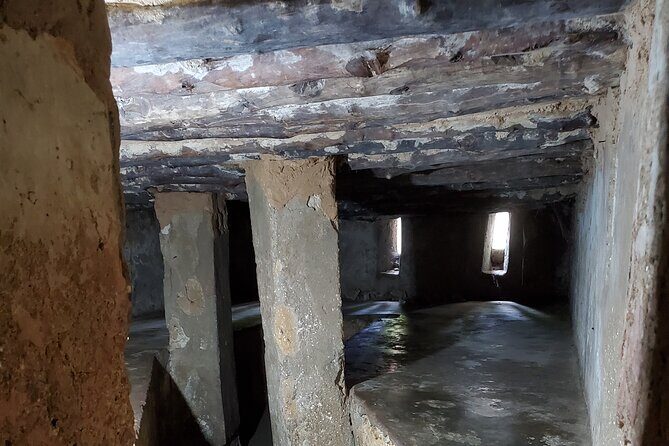
Another major stop is the Anglican Cathedral church area, often discussed alongside the slaves market history. This is the kind of part of Stone Town where you’ll want a guide who can explain without turning it into shock-value.
In the feedback, people mention how the history made them emotional, with one comment saying the slave trade history made them cry. That tells you the tone: reflective, factual, and human.
If you’re trying to understand why Stone Town is recognized as a UNESCO heritage place, this is part of the answer. It’s not just beauty. It’s the full weight of history—trade, coercion, and the ways Zanzibar’s economy and society were shaped.
Tip: if you have questions, ask them here. It’s easier to ask once you’re standing near the sites where stories occurred.
House of Wonders and the architecture clues
You’ll also see the House of Wonders area and other key historic sites. The guide’s job becomes less about naming and more about helping you notice patterns: design choices tied to wealth, craftsmanship, and outside influence.
I like how this part of the walk turns buildings into evidence. Instead of saying this is historic, your guide helps you understand what features suggest about Zanzibar’s past connections—people, trade, and power.
If you’re into photography, this is where you’ll get better results. A guide can show you angles and details you’d miss, like window shapes, door carvings, and the layout of neighborhoods.
Zanzibar Doors and the small details that make Stone Town feel real
One of the more charming elements you’ll hear about is Zanzibar Doors. These doors are more than decoration. They reflect craftsmanship, family pride, and local identity. With a guide, the story behind them is easier to grasp.
Look closely. Even if you’re not buying anything, you’ll start to see how much personality lives in woodwork and carving.
If shopping is your goal, this is also a smart place to develop a baseline. You’ll learn what you’re looking at, what questions to ask, and what feels authentic versus what looks mass-produced.
Freddy Mercury’s house and the pop-culture link
Yes, you may also get to Freddy Mercury’s house. It’s an unexpected stop, and that’s exactly why it works in a walking tour. It reminds you that Stone Town isn’t only old. It’s also lived in now, and its fame spreads beyond Zanzibar.
Just keep it in perspective. This is still primarily a heritage and street-history experience, with the famous name as a fun thread.
Africa House and more iconic landmarks
The walk also covers other notable landmarks such as Africa House. In a guide-led format, these stops don’t become photo-only stops. You’ll get the context for why each building is famous and what it symbolizes in the town’s story.
Forodhani Garden: where the town’s pace feels different
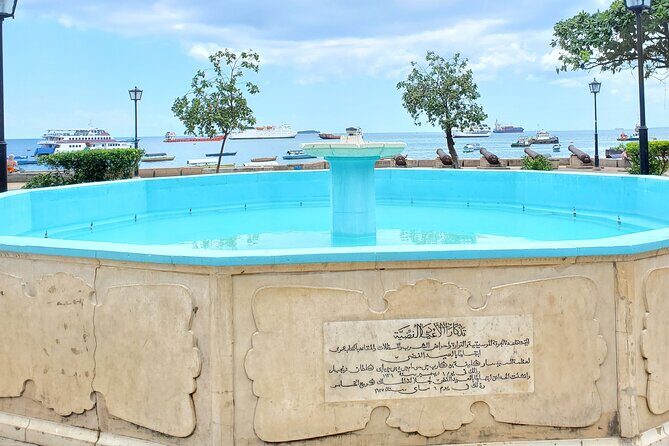
In the overall tour description, Forodhani Garden is part of what you can expect to tick off. It’s also a smart stop because gardens give you breathing room after market streets.
Even if you’re not doing a long evening outing, Forodhani can add a change of pace and better photo lighting depending on the time of day.
One caution: your exact timing may affect how much time you get there. So if Forodhani is a top priority, mention it when you meet your guide so they can manage the pace.
Shopping in Stone Town: how to do it without losing time
Stone Town is known for shopping, and this tour leans into that. Because you have a guide, shopping isn’t just wandering in shops hoping to find something.
You’ll likely get guidance around:
- Zanzibar Doors and crafted items
- market goods linked to spices and local trade
- how to approach purchases in a way that feels respectful
In the feedback, people specifically mention shopping and spices as highlights. That matches what you can do best on this kind of walk: shop with context, not impulse.
Practical tip: set a rough budget before you start. You’ll be tempted, and that’s normal. Having a ceiling keeps your day enjoyable.
Fitness, pace, and why timing matters

This is a walking tour with a moderate physical fitness level. Reviews also mention walking for around three hours, so plan for steady walking in uneven areas.
Good weather matters. The experience is described as requiring good weather, with a change of date or full refund offered if the tour is canceled due to poor conditions. That’s a big deal in Zanzibar, where sudden downpours can derail outdoor plans.
If you’re booking, think about your own energy. Morning can be cooler, while late afternoons can be perfect for photos and garden time, depending on your schedule.
Who this private tour fits best
This tour is ideal if you:
- want a private guide and a custom pace
- care about UNESCO-level understanding of Stone Town
- like markets and cultural context, not only big monuments
- plan to shop for crafts, doors, or spices-related items
It may be less ideal if you:
- have limited mobility and can’t handle a walking route
- want a museum-heavy day with lots of indoor stops
- expect the tour to include pickup from elsewhere on the island
Guides, service feel, and what stands out from the experience
The strongest theme in the feedback is how helpful and informative the guide is. People describe the guide as friendly, with full information, and able to tailor the tour to interests like shopping, photos, and history.
Names like Machano show up for Stone Town guiding in the feedback, and others mention drivers for related tours (like Abu, Abdul, and Hakka). Even if your exact guide differs, the overall service pattern is clear: people feel looked after.
That’s important in Stone Town. The better the guidance, the more you’ll see beyond the surface.
Should you book this Stone Town walking tour?
If you’re staying in Stone Town and you want the fast path to the most meaningful sights, yes, I’d book it. The combination of a private guide, included admissions, and a focused half-day route is good value at $40, especially when you factor in how much context a guide adds.
Book it if you want to walk away with stories you can actually repeat—why the cathedral area connects to the slave trade history, what House of Wonders represents, why doors matter, and how markets reflect Zanzibar’s trade links.
Skip it or consider another format if you strongly dislike walking, can’t handle crowds, or need a tour with more indoor time and fewer outdoor variables.
FAQ
How long is the Private Half Day Stone Town Walking Tour?
It runs for about 4 hours.
Where does the tour start?
The meeting point is Old Fort on Mizingani Rd, Zanzibar, Tanzania, at the main entrance (door).
Is the tour private?
Yes. It’s a private tour/activity, so only your group participates.
What’s included in the price?
The tour includes all fees and taxes and a professional local tour guide. Admission ticket coverage is also listed as included.
Are food and drinks included?
No. Foods and drinks are not included. If you need them, you pay for them yourself.
Is pickup available from other parts of the island?
No. There’s no pickup listed. The departure point is Stone Town, with the meeting at Old Fort.
What kind of physical fitness is needed?
You should have a moderate physical fitness level, since it’s a walking tour.
What if the weather is bad?
The experience requires good weather. If it’s canceled due to poor weather, you’ll be offered a different date or a full refund.