REVIEW · ARUSHA
Safari Excelente y Safari lujos Tanzania
Book on Viator →Operated by Mi viaje Expedición · Bookable on Viator
Six days in Tanzania, with a plan that runs. This private safari stitches together Kilimanjaro (arrival day), Tarangire, Serengeti, Ngorongoro Crater, and Lake Manyara without you juggling logistics, and it includes park entry fees plus meals.
What I like most is how much is handled for you: you’re picked up from the airport area (and the trip centers on Arusha), and the itinerary is paced for game drives rather than constant re-checking schedules. One thing to weigh: it’s a busy, road-heavy circuit, and the early starts (like the 7:30am start time) mean you’ll want energy and patience in the vehicle.
In This Review
- Key highlights worth caring about
- A Six-Park Road Trip That Feels Tailor-Made in Arusha
- Where You Start: Jevas Hotel Encore TZ and a 7:30am Kickoff
- Day 1: Kilimanjaro National Park Arrival Day and a Proper Intro
- Day 2 Tarangire National Park: Elephants, Birds, and a River That Holds On
- Day 3 and Day 4 Serengeti: Big Plains, Big Timing, Big Views
- Day 5 Ngorongoro Crater: The Descent and the Picnic Inside the Bowl
- Day 6 Lake Manyara and Mto Wa Mbu: Wildlife Meets Real People
- Meals and Park Fees: Why This Pricing Might Actually Be Fair
- Guides, Vehicles, and the Private-Group Advantage
- The Best Fit: Who Will Enjoy This Safari Most
- Should You Book Safari Excelente y Safari lujos Tanzania?
- FAQ
- How long is the safari?
- Where does the tour start and end?
- What time does the experience start?
- Is pickup included?
- Is this a private tour?
- Which parks are included?
- Are meals included?
- Are park entry fees included?
- What languages are available?
- Is this safari refundable if I cancel?
- What happens if the minimum number of travelers is not met?
Key highlights worth caring about
- Private, restricted-to-your-group format means you can move at your pace and skip the “herding” feeling.
- Meals are included and prepared/supplied, so you’re not searching for food between parks.
- Park entry fees are included, which helps you compare the real cost of safaris fairly.
- Kilimanjaro → Tarangire → Serengeti → Ngorongoro → Manyara covers classic Tanzania wildlife zones in one loop.
- Mto Wa Mbu village visit adds local life beyond the game drives.
A Six-Park Road Trip That Feels Tailor-Made in Arusha
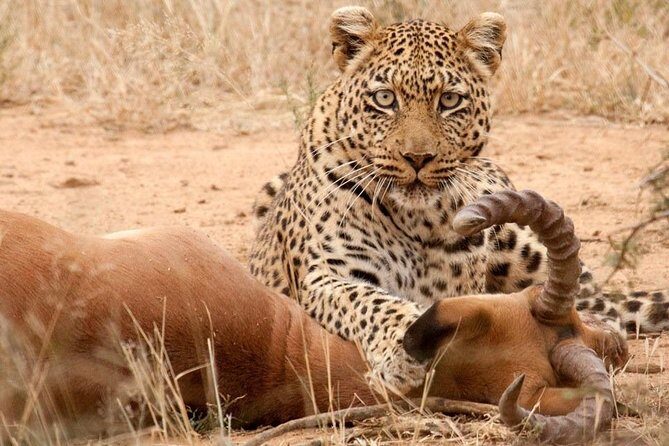
This is the kind of Tanzania safari that works because it’s structured. You’re not just “going to parks,” you’re moving through the big wildlife regions in a logical order, with each day designed around when animals are most likely to be active.
You start in Arusha, which is a smart base for northern circuit safaris. And by keeping it private and limited to your group, the rhythm of the trip can stay consistent—less waiting, fewer compromises, and more time actually watching.
The best part for many people is the combo of comfort and control: meals are included, park fees are included, and you’re not stuck making last-minute decisions about entrances, lunch stops, or timing. The only real caution is that this is still a safari road trip—drives between parks are part of the deal—so pack for long days and changing weather.
A few more Arusha tours and experiences worth a look
Where You Start: Jevas Hotel Encore TZ and a 7:30am Kickoff
Your meeting point is Jevas Hotel Encore TZ in Arusha, and the tour starts at 7:30am. That early start matters. It gives you time for the first game-drive session while animal activity is often strongest earlier in the day, especially in parks where the heat builds fast.
The experience also ends back at the same meeting point. That’s a small detail, but it reduces stress. You’re not figuring out transport back into town after a long day in a remote conservation area.
Another practical note: this experience uses a mobile ticket, and you’ll receive confirmation at booking. That helps a lot when you’re juggling international travel—less paperwork, less uncertainty.
Day 1: Kilimanjaro National Park Arrival Day and a Proper Intro
Day 1 is arrival-focused. You’re met by a representative and picked up from the Kilimanjaro airport area, then transferred to your hotel. You’ll also get an information session that lays out what to expect and how the next days run.
Even if you don’t spend the whole day deep in the bush, this is a valuable setup day. It means your safari doesn’t start with confusion. You get oriented early, which helps you enjoy the parks more later because you already know the shape of the trip.
One thing to keep in mind: arrival day can still feel like travel day. If you land with little sleep, plan a relaxed mindset for Day 1. You want your energy for the next day when you’ll head out early.
Day 2 Tarangire National Park: Elephants, Birds, and a River That Holds On
Tarangire is one of those parks that earns its reputation fast—because it concentrates life in a place defined by water. You leave Arusha early, drive toward Tarangire, and arrive before lunch. Then you start your safari time in the park.
Here’s what makes Tarangire click:
- The park’s river system helps keep water available even in the dry season, which draws animals into predictable zones.
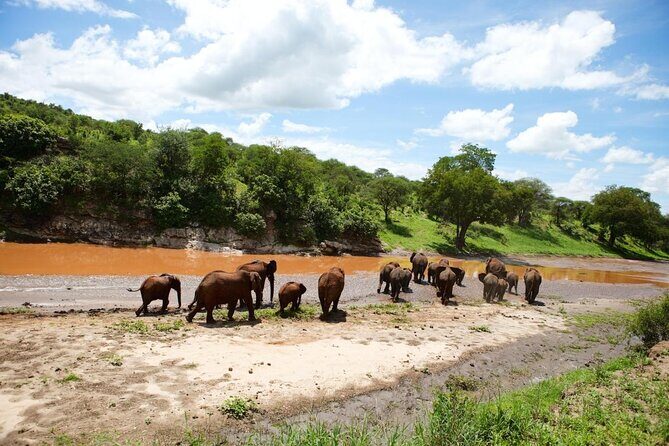
- You’re likely to see large elephant and buffalo groups, plus oryx and other antelopes.
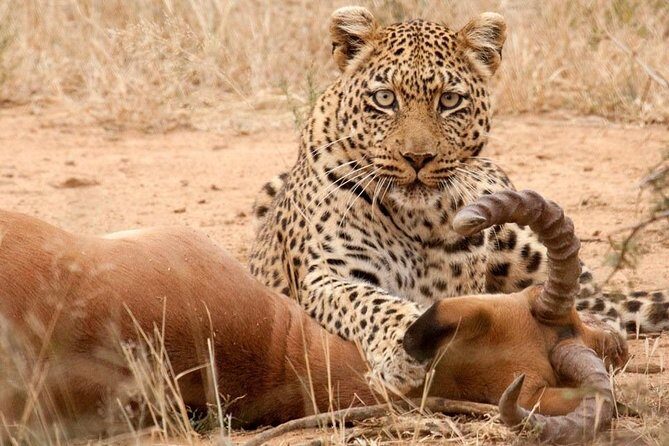
- Predators can turn up too—think lions and leopards—because prey gathers where water and food are.
- Off the ground action matters here. There are animals like pythons that climb trees, plus mongooses and other smaller wildlife that many people miss on rushed safaris.
Tarangire also tends to be great for bird lovers, and if you enjoy stopping for photo moments, this park gives you lots of chances to do it without feeling like you’re always late.
Potential drawback: the “unknown to many” vibe can mean you may have different expectations than Serengeti. Tarangire is more about concentration and variety than it is about the huge-open-plains spectacle. If you know that going in, you’ll enjoy it more.
Day 3 and Day 4 Serengeti: Big Plains, Big Timing, Big Views
Then comes Serengeti. The drive itself is part of the experience because you see how vast it is. After breakfast, you travel to the park, and you build in an outdoor lunch before your afternoon game-drive session.
You also do Serengeti two days in a row. That matters. Serengeti animals don’t run on a timetable you can force. A second day increases your odds of seeing different behavior—different herds, different predators, different moments when the light is right.
Why Serengeti is so famous is simple: it’s the “endless plains” idea people always mention, and it’s real in the way your brain feels the scale when you’re actually there. You can feel why the ecosystem draws attention beyond Tanzania—because it connects into wider wildlife movement patterns across the region.
On your two Serengeti days, here’s what you can plan for:
- Afternoon drives into sunset timing, which can make animal sightings feel even more memorable.
- The chance to observe predator-prey interactions when animals are active and hunters are on the move.
- Lots of scenery variety, even when you’re mostly driving through grassland.
One practical consideration: because you’re in Serengeti for multiple sessions, you’ll want to manage your day like a pro. Bring layers, protect your camera gear, and don’t let “I’ll be fine” turning into “I’m cold now” ruin your focus.
Day 5 Ngorongoro Crater: The Descent and the Picnic Inside the Bowl
Ngorongoro Conservation Area is a change of pace. You head out early toward the crater and then go down into it for a focused safari and a picnic.
The big draw here is the crater itself. It’s a volcanic formation created around 2 million years ago when the land collapsed inward, leaving a large, roughly 20 km wide bowl-like arena. Over time, that enclosed environment turned into a kind of natural theater, with life shaped by the crater’s conditions.
What you do inside matters:
- You get a photo-focused game drive.
- You take a picnic within the crater, which is one of those “this is why we did the long drive” moments.
Ngorongoro can feel intense because the scenery and the wildlife setup are so concentrated compared to some other areas. The tradeoff is that it can also be more structured—descent and schedule matter—so you’ll want to stay flexible when you’re moving in and out of viewpoints.
Day 6 Lake Manyara and Mto Wa Mbu: Wildlife Meets Real People
Your final day blends wildlife and culture.
First stop is Lake Manyara National Park. The park is known for flamingos, and it also supports big herbivore groups (like wildebeest, zebra, and buffalo), plus monkeys and elephants. One of the most famous attractions here is the chance of seeing the climbing lions, a behavior that’s unusual enough that it becomes a signature Manyara moment when it happens.
Birding is also a major part of the park. The information for this experience notes 400+ bird species, which means if you like scanning trees, lagoons, and open areas for movement, this day will reward you.
You’ll have a picnic inside the park, then continue your safari drive in the afternoon. After that, you head to Mto Wa Mbu for a village visit.
That village stop is the best kind of add-on: banana plantations, local craft, and a look at how different communities live and trade in the area. It’s also a chance to buy small local items directly, which supports the kinds of jobs that keep tourism benefits close to home.
Practical note: this day can feel long. You’ll do wildlife first, then culture. Wear comfortable shoes and keep water handy.
Meals and Park Fees: Why This Pricing Might Actually Be Fair
This safari includes all meals—prepared and supplied. That’s not just a convenience thing. On safari circuits, food logistics can become expensive and annoying fast, especially when you’re crossing between parks at specific times.
It also includes national park admission and entry fees. When a safari price excludes park fees, the final total can jump in ways that are hard to compare. Here, at least the big-ticket park costs are part of the deal, which makes budgeting easier.
Now let’s talk value. The price is $7,851.24 per person for about six days. That sounds like a lot until you compare it to what safaris tend to cost when you add:
- private transport over long distances,
- guide services,
- park entry fees across multiple parks,
- and a meal plan that doesn’t rely on random restaurant stops.
If you want the “pay once, enjoy more” approach, this structure is aligned with that goal. If you’re trying to cut costs and don’t mind shared vehicles, you might find cheaper. But if you care about comfort, planning, and minimizing friction, the inclusions start to make sense.
Guides, Vehicles, and the Private-Group Advantage
What makes this experience repeatedly praised is the guide element. Names that show up in feedback include Joseph, Musa/Moises, Amiri, Carlos, and Moses. Across those accounts, the common thread is clear communication and serious effort to find wildlife.
A few practical details also matter:
- The driving is described as professional, including handling difficult conditions during rainy periods.
- The safari vehicle is mentioned as a Toyota Land Cruiser Safari 4×4, and the team is noted for cleaning it every day.
That daily cleaning may sound minor. In reality, dusty roads and long drives add up. Keeping the vehicle clean helps you stay comfortable and focused, especially if you’re photographing or doing lots of zoomed-in watching.
The private setup is also a big deal. Only your group participates, so you’re not stuck with an “everyone must agree” vibe about stops and pacing. You can usually spend more time where it counts—on spotting and learning—rather than moving on because another group needs to catch up.
One more realistic consideration: “private” doesn’t mean “instant.” Wildlife still follows its own rules. The advantage is that your guide can make better use of your time on each drive.
The Best Fit: Who Will Enjoy This Safari Most
This safari fits best if you:
- Want a classic northern Tanzania circuit with minimal decision-making,
- Enjoy the combination of wildlife drives and a culture stop in Mto Wa Mbu,
- Prefer private guidance over shared vehicles,
- Like having meals and park fees handled so the days run smoothly.
It may be less ideal if you want a slow travel pace with lots of downtime between parks, because the route is active and the schedule includes early starts.
Also consider your travel style. If you’re traveling as a couple (honeymoon reports show up in feedback) or as a small family group, private safaris often feel like the right balance of flexibility and structure.
Should You Book Safari Excelente y Safari lujos Tanzania?
I’d recommend it if you want your Tanzania safari to feel organized and comfortable from the start. The big strengths are the inclusions—meals and park entry fees—and the private format that keeps your experience smooth. You also get strong coverage of the main wildlife zones: Tarangire, Serengeti (two days), Ngorongoro Crater, and Lake Manyara, with that extra human connection in Mto Wa Mbu.
I’d think twice if you’re sensitive to long driving days or you don’t want early wakeups. And because it’s a premium price point, do it when your plans are firm.
If your goal is to see the wildlife of northern Tanzania with less stress and more time doing what you came for, this one makes a lot of sense.
FAQ
How long is the safari?
The experience is listed as 6 days (approx.).
Where does the tour start and end?
It starts at Jevas Hotel EncoreTZ, Makao Mapya, Arusha 0255, Tanzania, and ends back at the same meeting point.
What time does the experience start?
Start time is 7:30 am.
Is pickup included?
Pickup is offered. Day 1 specifically includes being picked up by a representative from the Kilimanjaro airport area and transferred to your hotel.
Is this a private tour?
Yes. It’s a private tour/activity, and only your group will participate.
Which parks are included?
You’ll visit Kilimanjaro National Park (arrival day), Tarangire National Park, Serengeti National Park, Ngorongoro Conservation Area (Ngorongoro Crater), and Lake Manyara National Park, plus a visit to Mto Wa Mbu.
Are meals included?
Yes. All meals are prepared and supplied.
Are park entry fees included?
Yes. Admission and entry fees to the parks are included.
What languages are available?
The experience is offered in multiple languages.
Is this safari refundable if I cancel?
The experience is non-refundable and cannot be changed for any reason.
What happens if the minimum number of travelers is not met?
If it’s canceled because the minimum isn’t met, you’ll be offered a different date/experience or a full refund.