REVIEW · MOSHI
8 Day Mount Kilimanjaro Trekking Lemosho Route
Book on Viator →Operated by Afrishare Trekking and Safaris · Bookable on Viator
Altitude meets patience on Kilimanjaro. This 8-day Lemosho route starts in forest, works its way up through moorland and semi-desert, and gives your body time to adjust before the big summit night. You’ll also get that extra wildlife-aware start, since groups may be accompanied by an armed ranger on the first day in the forested area.
I love how the itinerary is built for acclimatization: higher days are balanced with gentler stretches and rest-focused camps, which is exactly what you want on Kilimanjaro. I also like the route’s feel—Lemosho is less used, and the approach up to the Shira Plateau is beautiful in a way that isn’t about rushing between milestones.
One consideration: the summit push is still a hard, cold grind. You’ll move between midnight and 2 am, climb heavy scree toward Stella Point, and you may even see snow on the way up to Uhuru Peak—so you need to plan for stamina and weather.
In This Review
- Quick Reasons People Choose This Lemosho Trek
- Moshi to Mti Mkubwa: The Trek Starts in Real Kilimanjaro Forest
- Forest to Shira Ridge: Why Lemosho Gets You Higher, Slower (Days 1–3)
- Shira to Lava Tower and Barranco Camp: The Important Acclimatization Work (Day 4)
- Barranco Wall to Karanga Valley and Barafu: Building Summit Muscles (Days 5–6)
- Midnight to Stella Point to Uhuru Peak: The Most Challenging Part of the Entire Climb (Day 7)
- Mweka Gate Descent to Moshi: Certificates, Mud, and the Final Walk (Day 8)
- How Hard Is It, and Who Should Choose Lemosho?
- Price and Value: What $2,250 Covers on Kilimanjaro
- Crew Support: Rangers, Guides, and Service That Matters
- Should You Book the 8-Day Lemosho Route?
- FAQ
- Where does the trek start and end?
- How long is the Mount Kilimanjaro trek on the Lemosho route?
- What is the price for this 8-day Lemosho trek?
- Is pickup included, and do I get a mobile ticket?
- Does the route include the possibility of an armed ranger on day one?
- What meals are included in the trek?
- Are admission tickets included?
- What happens on summit day?
- Is a vegetarian option available?
Quick Reasons People Choose This Lemosho Trek
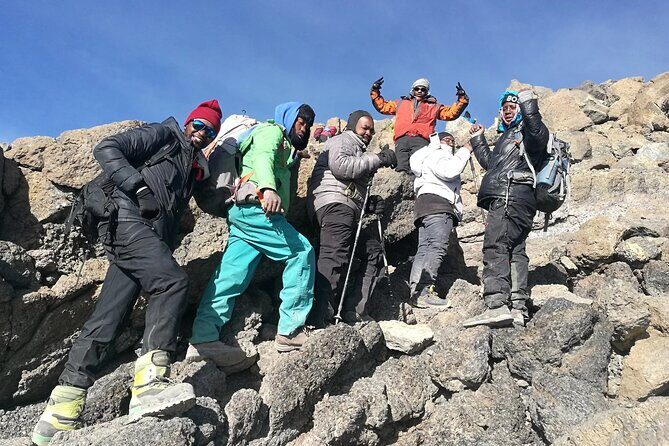
- Acclimatization-first pacing with extra days to reduce altitude stress
- Lemosho is less used, starting through montane forest and heading toward Shira Plateau
- Wildlife-aware first day where an armed ranger may accompany your group
- Signature milestones like Lava Tower (Shark’s Tooth) and the crater rim sunrise at Stella Point
- Early summit departure from around midnight to 2 am, then a structured descent toward Mweka
- Practical end-of-trek recovery with a certificate stop at Mweka Park Gate and a drive back to Moshi
Moshi to Mti Mkubwa: The Trek Starts in Real Kilimanjaro Forest
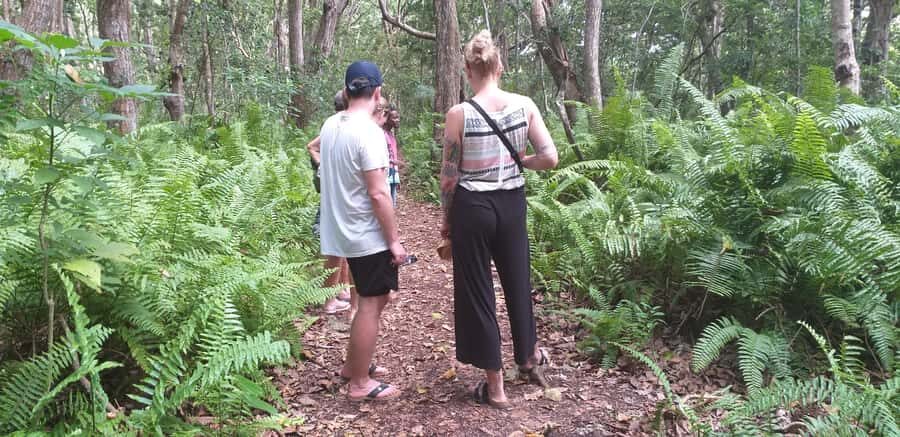
Your trip begins in Moshi, Tanzania, with a briefing and then a drive toward Lemosho Park Gate. From there, you’ll take a forest track that needs a 4WD vehicle, which matters because it sets the tone: you’re not just hiking near a road—you’re entering Kilimanjaro’s ecosystems.
Day 1 walks along forest trails to Mti Mkubwa campsite. Expect a climb from about 1830m/6000ft to 2650m/8700ft over roughly 6 km/4 miles, with about 2–5 hours of hiking. The habitat is montane forest, which feels cooler and greener than the higher zones—one reason the early days of Lemosho are so calming before altitude starts doing its thing.
You can also read our reviews of more hiking tours in Moshi
Forest to Shira Ridge: Why Lemosho Gets You Higher, Slower (Days 1–3)
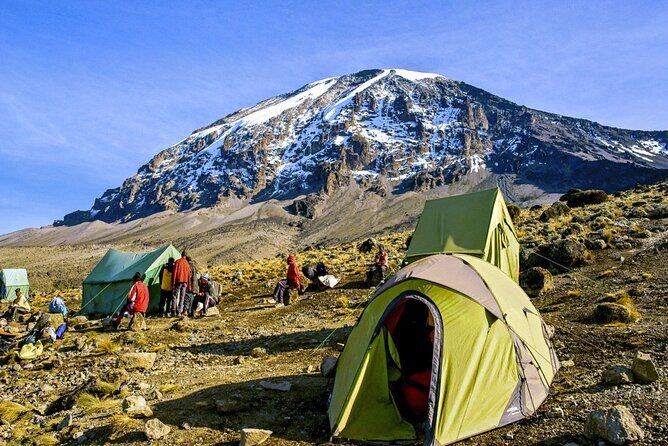
Lemosho’s main advantage is simple: it climbs in a way that gives your body time. You start in montane forest, then transition into higher terrain where the air gets thinner and your pace needs to change.
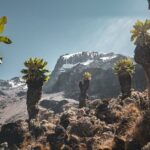
On Day 2, the trail gradually steepens and enters giant heather moorland. You’ll cross several streams and pass over Shira Ridge, then gently descend to Shira 1 camp on the Shira Plateau. It’s a push from about 2650m to 3500m over roughly 8 km/5 miles in 4–5 hours—and you’ll feel the “new altitude rhythm” here. This is where starting slower pays off.
Day 3 continues across the plateau to Shira 2 camp at around 3850m (12,600ft). The hike is listed as 8 km/5 miles, 4–5 hours, and it’s designed as a true acclimatization day with gentler options on moorland meadows by a stream. This is the part of the route you’ll appreciate most if you’ve ever had altitude headaches on fast itineraries.
A nice detail in this section: the pattern repeats. Higher elevation comes with time to adjust—then you’re not immediately forced into peak-intensity hiking again. For most people, that’s what turns Kilimanjaro from a brute-force challenge into a climb you can actually manage.
Shira to Lava Tower and Barranco Camp: The Important Acclimatization Work (Day 4)
Day 4 is where the route starts adding drama. From the Shira Plateau you hike east up a ridge, passing a junction toward the peak of Kibo, then you shift to the southeast toward Lava Tower, nicknamed the Shark’s Tooth at about 4650m/15,250ft.
Shortly after that landmark, you come to another junction toward the Arrow Glacier, then continue to Barranco Camp. Even though you end the day around a similar elevation to when you began—about 3850m to 4000m (13,000ft)—this day is still a key acclimatization step. Your body gets the training effect of altitude exposure without stacking another summit-style day on top.
Expect roughly 8 km/5 miles and 5–6 hours. The habitat is listed as semi-desert, which is a reminder that Kilimanjaro isn’t only green forest. You’ll be walking on terrain that looks harsher and dryer, which can be mentally tough if you’re expecting tropical scenery the whole way.
Barranco Wall to Karanga Valley and Barafu: Building Summit Muscles (Days 5–6)
On Day 5, you leave Barranco and tackle the steep Barranco Wall up toward Karanga Valley. Then you reach the junction that connects with the Mweka Trail. This stretch is shorter in distance—about 5 km/3 miles—but listed as 3–5 hours, and that usually means sustained effort on steeper angles.
Elevation sits around 4000m/13,000ft to 4050m/13,250ft. The habitat shifts into alpine desert, where the air can feel even sharper and your breath becomes the main pace setter. This is also the day where you’ll feel the route transitioning from acclimatization climbs into summit preparation mode.
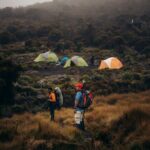
Day 6 is a big psychological shift: you continue to Barafu Camp at about 4700m/15,350ft. It’s a short hike—about 4 km/2 miles and 3–4 hours—but you’re at altitude where “short” still feels like a workout. You’ve completed the South Circuit, and you camp, rest, eat, and get ready for the summit night.
This is where the extra days pay off again. You’re not showing up at Barafu exhausted from a nonstop sequence of peak climbs; you’ve had multiple days to adapt. And Barafu is high enough that rest and routines matter—sleep, hydration habits, and keeping warm when the temperatures drop.
Midnight to Stella Point to Uhuru Peak: The Most Challenging Part of the Entire Climb (Day 7)
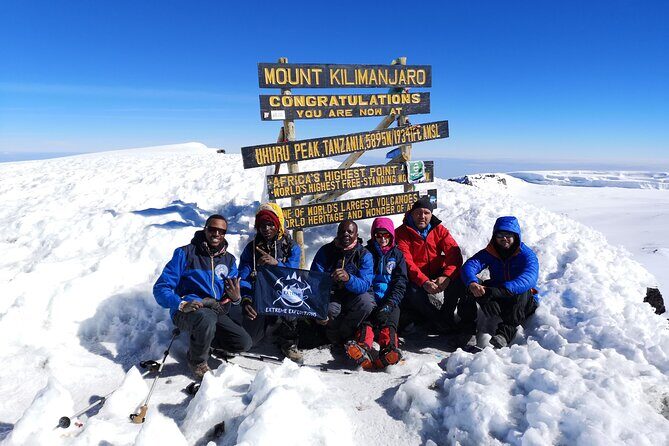
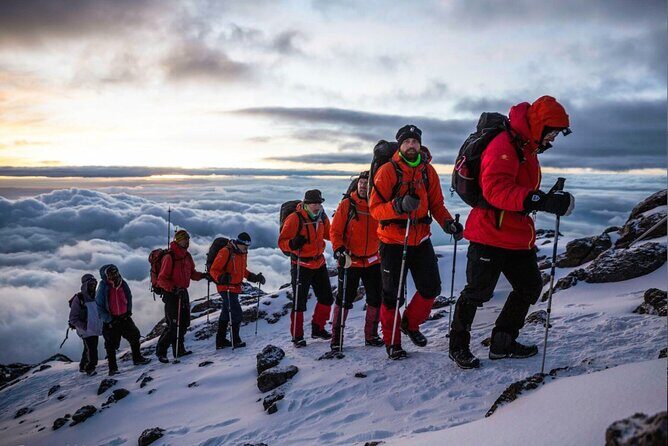
Day 7 is the classic Kilimanjaro test. You start very early—between midnight and 2 am—and you move toward the summit between the Rebmann and Ratzel glaciers. The route goes northwest, and the key word here is effort: you ascend through heavy scree toward Stella Point on the crater rim.
This portion is described as the most mentally and physically challenging section of the trek. In practice, that means slow progress and constant attention to footing. Your legs will burn, but your best strategy is to keep your breathing controlled and your steps steady.
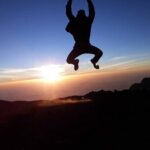
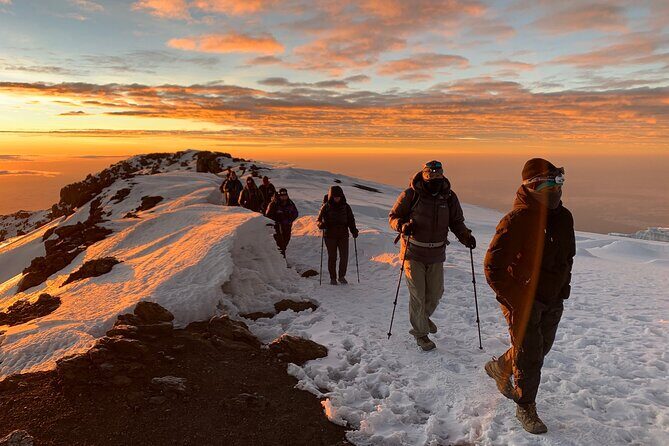
At Stella Point, you stop briefly. If weather and conditions cooperate, you’ll get the sunrise reward—often described as the kind of moment you remember for years. Faster hikers may even reach Uhuru Peak in time to catch sunrise from the summit, but don’t treat that as a requirement. Getting to Stella Point in one piece is already a win.
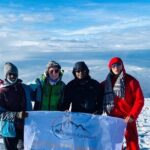
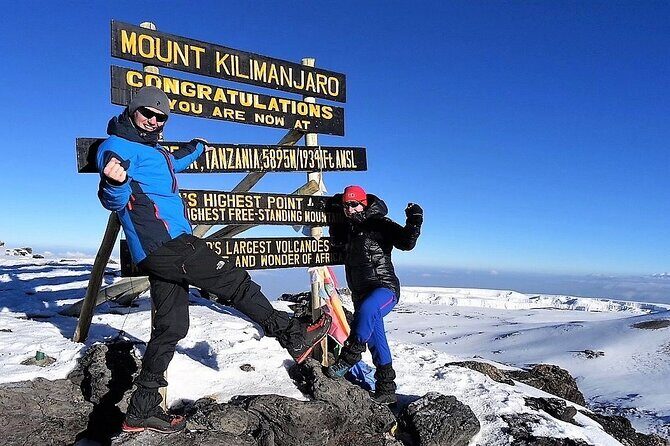
From Stella Point, you have about a 1-hour ascent to Uhuru Peak, the highest point on Mount Kilimanjaro and Africa. The itinerary also notes that you may encounter snow all the way during this ascent. That’s not just scenery—it affects cold and footing, so layers and weather readiness are not optional.
After reaching Uhuru Peak, you begin the descent by continuing straight down toward Mweka. The total hiking time for Day 7 is listed at 6 hours, which gives you an idea of how compressed the summit day really is.
Mweka Gate Descent to Moshi: Certificates, Mud, and the Final Walk (Day 8)
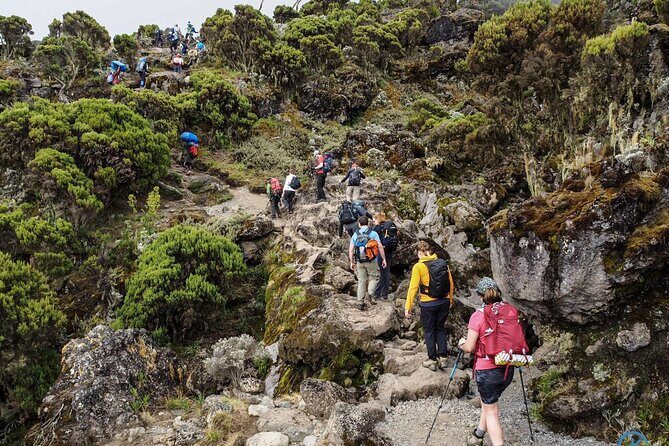
Day 8 focuses on closure. You start after breakfast and continue the descent down to Mweka Park Gate, where you receive your summit certificates. Lower elevations can be wet and muddy, and that’s when gear choices become comfort choices.
The route advice is clear: gaiters and trekking poles help. Shorts and t-shirts may be plenty at lower altitude, but keep rain gear and warmer clothing handy because you can get a big temperature shift between day-to-night and between higher and lower zones.
Hiking on Day 8 is about 10 km/6 miles with 3–5 hours. Elevation drops from roughly 3090m/10,150ft down to 1680m/5500ft, and the habitat is forest, which can feel like a different world after the alpine sections. When you reach the gate, Monkey Adventures is waiting with a vehicle back to your hotel in Moshi, around 60 minutes away.
One more practical note: meals on Day 8 list breakfast only, so you’ll likely be hungry at Moshi—plan for a real meal on arrival.
How Hard Is It, and Who Should Choose Lemosho?
This trek is most demanding on two fronts: altitude and timing. Altitude shows up as you move above 3500m, and the route makes sure you’re not stuck living at that altitude with no adjustment. Timing shows up on summit night, when the climb starts between midnight and 2 am and the terrain becomes heavy scree.
Fitness-wise, the itinerary is structured so you’re not hiking for 10 hours daily, but the days that are shorter are often steeper. The route also notes that most travelers can participate, which suggests it’s designed to be accessible with the right effort and mindset—not a mountaineering free-for-all.
Still, be honest about your comfort with:
- Cold conditions and possible snow on the crater rim approach
- Long early-morning wakeups and low-energy hiking
- The mentally steady grind of summit night
If you’re the type who likes steady progress, pays attention to acclimatization, and wants a quieter route through changing habitats, Lemosho fits well. If you want an extremely fast itinerary, this extra time may feel slow—but the point here is success rates through acclimatization.
Price and Value: What $2,250 Covers on Kilimanjaro
At $2,250 per person, this isn’t a budget hike, but it also isn’t just a “book and walk” experience. The price includes all fees and taxes, and it covers breakfast, lunch, and dinner across the trek. The meal totals listed are 7 breakfasts, 8 lunches, and 7 dinners, which is meaningful on Kilimanjaro—your energy management is part of staying safe.
Admission tickets are also included on the days shown in the itinerary, with one day listed as admission ticket free. That matters because park fees can add up, and it’s one less thing to manage.
Where you’ll need to budget extra:
- Accommodation before and after the trek
- Personal trekking gear
- Tipping for the crew
- Alcohol and personal expenses
The other “value” factor is time. This route is built with additional acclimatization days, which can reduce the severity of altitude sickness for many people. You may still feel altitude effects, but the plan aims to make them less disruptive—especially on summit night.
Also, this is described as a private tour/activity, meaning you’re not sharing the experience with a random crowd. That can be worth something if you want your group to stay together and move at a compatible pace.
Crew Support: Rangers, Guides, and Service That Matters
Kilimanjaro is a team sport. You’re supported by people whose job is to get you to the next camp safely and to keep your rhythm steady.
One standout detail in this route is the armed ranger escort possibility on the first day in the Lemosho Glades area. That’s not a tourist perk—it’s a wildlife safety measure in an ecosystem where buffalo, elephants, and other wildlife live.
As for human service, the operator Afrishare Trekking and Safaris has had guides named in provided feedback for other trips. Karim is praised for being punctual and considerate, focused on comfort as well as being eventful. Leokadia is also noted for friendly service while working to reach Big Five goals. I can’t promise those exact guides will be on your Kilimanjaro trek, but it does suggest the company puts effort into guide attitude and responsiveness across its safari operations.
In real terms, what you’ll feel on Kilimanjaro is this: the crew’s consistency affects your sleep, meal timing, and confidence. When a trek is run smoothly, you climb better.
Should You Book the 8-Day Lemosho Route?
I’d consider booking this trek if you want the best odds through acclimatization and you like the idea of a quieter approach up through Shira Plateau. The itinerary gives you multiple chances to adjust before the steepest parts, and the highlight moments—Lava Tower, Barranco’s acclimatization build, and sunrise at Stella Point—are built into the route instead of added on as side trips.
I wouldn’t book if:
- You’re trying to avoid cold, early starts, or heavy scree on summit night
- You don’t have room in your budget for gear, pre/post lodging, and tipping
- You’d rather do a shorter itinerary even if your body has less time to adjust
If you’re ready for a serious but well-paced climb, this Lemosho plan is the kind that respects altitude instead of arguing with it.
FAQ
Where does the trek start and end?
It starts in Moshi, Tanzania, and the experience ends back at the meeting point.
How long is the Mount Kilimanjaro trek on the Lemosho route?
The duration is 8 days (approx.).
What is the price for this 8-day Lemosho trek?
The listed price is $2,250.00 per person.
Is pickup included, and do I get a mobile ticket?
Pickup is offered, and the tour includes a mobile ticket.
Does the route include the possibility of an armed ranger on day one?
Yes. The route notes that groups may be accompanied on the first day by an armed ranger in the forest area around the Lemosho Glades.
What meals are included in the trek?
The trek includes breakfast, lunch, and dinner during the itinerary days listed (with totals shown as 7 breakfasts, 8 lunches, and 7 dinners).
Are admission tickets included?
Yes, admission ticket is indicated as included on the listed trek days, with one day shown as admission ticket free.
What happens on summit day?
You begin the summit push very early (midnight to 2 am), ascend through heavy scree to Stella Point, then continue to Uhuru Peak. The descent begins after reaching the summit.
Is a vegetarian option available?
Yes. A vegetarian option is available—you should advise dietary requirements at booking.