REVIEW · ARUSHA
7 Days Tour Northern Tanzania Safari:
Book on Viator →Operated by Royal Tiger Tours and Safaris · Bookable on Viator
Big safari country, tight itinerary, clear game-viewing focus.
This 7-day Northern Tanzania route takes you from Arusha into Tarangire, Serengeti, Ngorongoro, Lake Manyara, and back for a final day in Arusha National Park. It’s built around early drives, picnic lunches, and serious time in the places where animals show up in big numbers.
I especially like how the schedule chains parks together with driving breaks that still keep you in the action, not stuck sitting around. I also like the small details that make a difference, like packed lunches for long game drives and the emphasis on locating wildlife—something you’ll feel in the way the days flow.
The main consideration is where you sleep: the trip includes campsites (including Ngorongoro Simba), and those can be basic. If you know you need a comfier tent setup, you may want to plan an upgrade before you go.
In This Review
- Key Highlights You’ll Actually Feel on Safari
- Seven Days, Five Parks: The Game-Drive Circuit from Arusha
- Getting Around: 4WD Land Cruiser, Long Days, and Why That Matters
- Day 1 Tarangire National Park: Elephants at the River and Baobab Views
- Day 2 Serengeti Arrival Via Ngorongoro Crater Rim: First Big Migration Context
- Day 3 Serengeti for Real: Morning and Afternoon Drives Track the Migration
- Day 4 Ngorongoro Crater Rim Night: Early Wildlife and a Different Kind of Bowl
- Day 5 Ngorongoro Crater Floor: 5–6 Hours in the Animal Concentration Zone
- Day 6 Lake Manyara: Tree-Climbing Lions and Rift Valley Bird Life
- Day 7 Arusha National Park and the Little Ngorongoro Finish
- Price and What You’re Really Paying For (Mostly Time, Not Just Places)
- Who This Tour Suits Best
- Should You Book This 7-Day Northern Tanzania Safari?
- FAQ
- What parks are visited on this 7-day Northern Tanzania safari?
- How long is the tour?
- Is pickup included?
- What meals are included?
- Is this a private tour?
- What vehicle is used for game drives?
- Are tips included in the price?
Key Highlights You’ll Actually Feel on Safari

- 4WD Land Cruiser game-drive days designed for visibility and long wildlife hours
- Tarangire’s year-round river rhythm, with elephant herds and baobabs in the mix
- Serengeti timing and migration logic, with drives shaped by where the herds are moving
- Ngorongoro crater rim to floor, with a 5–6 hour crater game drive
- Lake Manyara’s special animals, including the chance for tree-climbing lions
- Real guide skill matters—people specifically praise guides like Eli and good cooks like Amid
Seven Days, Five Parks: The Game-Drive Circuit from Arusha

This is a classic Northern Tanzania safari loop, but it’s run with a practical mindset: maximize daylight in the big wildlife zones. You start in Arusha and quickly get rolling toward Tarangire, then you funnel into Serengeti and Ngorongoro, finish with Lake Manyara, and wrap with Arusha National Park.
The value here isn’t just the list of parks. It’s the way the days are structured: early starts, picnic lunches, and long blocks of game viewing rather than rushed half-hours. If you want the feel of a true safari—where the drive is part of the hunt for animals—this itinerary fits.
You’ll also see a broad mix of ecosystems in one week: river life in Tarangire, open grassland and migration country in Serengeti, crater-wall wildlife viewing and a deep crater floor, then Rift Valley scenery around Lake Manyara. That variety helps keep the days from blurring together.
A few more Arusha tours and experiences worth a look



Getting Around: 4WD Land Cruiser, Long Days, and Why That Matters
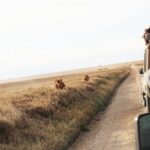
Transportation is a big deal on safari, and this trip uses a 4-WD Land Cruiser with viewing. On uneven roads and in areas where roads can be rough or corrugated, a vehicle built for this terrain matters for comfort and safety—and it affects how much energy you have for the next drive.
Also, plan for a rhythm of early mornings. Some days start with a morning game drive right away after waking up, and others build in early departures (like the 07:00 crater day). That’s not a flaw—it’s how you catch animals when they’re most active and when the light is best for photos.
If you’re the type who loves the idea of seeing wildlife at sunrise and then squeezing in another drive later, you’ll enjoy how this route keeps that momentum going.
Day 1 Tarangire National Park: Elephants at the River and Baobab Views

Your first day is all about getting into Tanzania’s big “river magnet” energy. After breakfast, you drive to Tarangire National Park—about 130 kilometers, roughly a two-hour transfer.
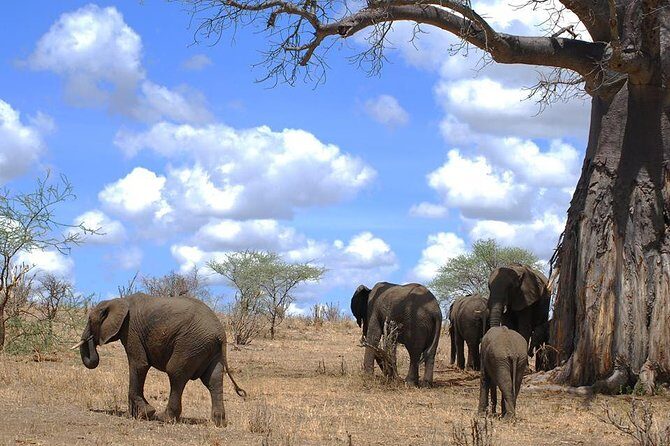
Tarangire’s star is the Tarangire River, which flows all year round, pulling wildlife into a concentrated area. That’s a huge advantage for your game viewing. Instead of hoping animals wander into a distant corner, you’re driving toward the place where many species gather.
You’ll also see Baobab trees, and they’re not just pretty backgrounds. In Tarangire, they help create that classic safari scene where you can spot elephants moving between feeding and shade. Dinner and overnight are at Panorama campsite, so the first night is already “in safari mode.”
What to watch for: elephants near the river, plus the kind of predator–prey attention you often get around consistent water sources.
Day 2 Serengeti Arrival Via Ngorongoro Crater Rim: First Big Migration Context

Day 2 shifts gears. You’ll have breakfast at 07:30, then pickup from the camp at 08:00. From there, you head toward the Great Serengeti with a picnic lunch packed, plus game drives along the way via the Ngorongoro Crater rim.
That rim approach is a nice way to ease into Serengeti: you get early wildlife time while you travel, and you arrive with a sense of how dramatic the terrain is before you even start full Serengeti driving.
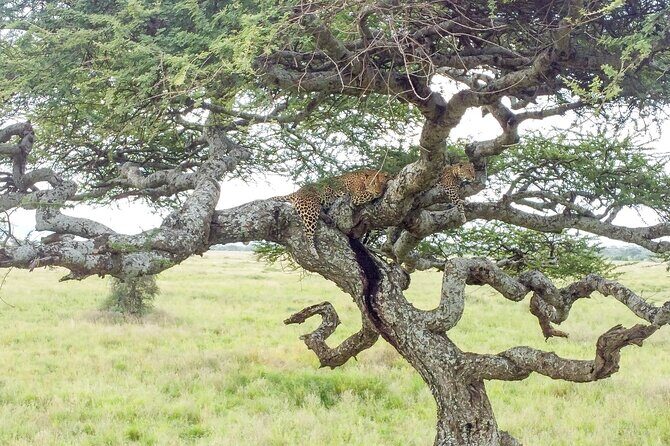
In Serengeti, the goal is simple: maximize sightings. The park is described as home to animals like lion, leopard, elephant, cheetah, buffalo, zebra, wildebeest, and more, including wild dogs and a long list of birds. And because Serengeti is famous for the Great Migration, your guide focuses on where herds are moving rather than treating the park like one fixed loop.
Dinner and overnight are at Seronera campsite. Staying near the action helps keep the days tight and efficient.
Day 3 Serengeti for Real: Morning and Afternoon Drives Track the Migration

Day 3 is your “migration day,” built around the fact that Serengeti is very large. Your drives won’t be random. They depend on the move of the migrating herds, and your guide is meant to know how to locate those groups.
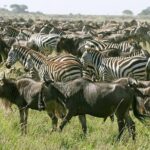
The Great Migration is described in big numbers: over one million wildebeest and over 200,000 zebras each year, following the rains. Timing changes the direction—during October and November, the movement can be north-to-south toward greener plains; after the rainy season (noted as April, May, and June), the herds head back on the return journey.
Here’s the practical takeaway: even if the migration isn’t in your exact spot that day, Serengeti still delivers. You can still see lions, zebras, wildebeest, and predators hunting across open country. The difference is that the guide’s job is to find the best odds, and that’s why guide skill matters.
You’ll do both morning and afternoon game drives, and you sleep again at Seronera campsite. That gives you daylight coverage when animals are most likely to move.
A few more Arusha tours and experiences worth a look


Day 4 Ngorongoro Crater Rim Night: Early Wildlife and a Different Kind of Bowl

On Day 4, you start with an early morning game drive, then have an early lunch. After that, you proceed toward Ngorongoro, and game viewing continues en route.
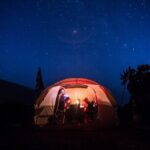
Then comes the crater transition. The night is spent on the crater rim at Ngorongoro Simba Campsite. Staying on the rim is useful because it puts you close to crater access and changes how you experience the terrain—you’re not just driving through plains anymore. You’re looking at a natural amphitheater that concentrates animals below.
Expect your driver/guide to describe what you’re seeing while you travel, which helps turn a drive into a learning moment rather than just transport. That’s also where guide ability shows up: knowing where animals are likely to be en route saves time and improves your odds.
Dinner and overnight are at Ngorongoro Simba Campsite.
Day 5 Ngorongoro Crater Floor: 5–6 Hours in the Animal Concentration Zone

Day 5 is the one many people remember most: an early start at 07:00 for a game drive inside Ngorongoro Crater. You get 5–6 hours on the crater floor, with a picnic lunch included.
The crater walls act like a natural boundary. The info you’re given is that very few animals migrate in and out, which changes the pattern of sightings. Instead of constantly chasing new arrivals, you can often find animals that are already there or that are moving within a contained area.
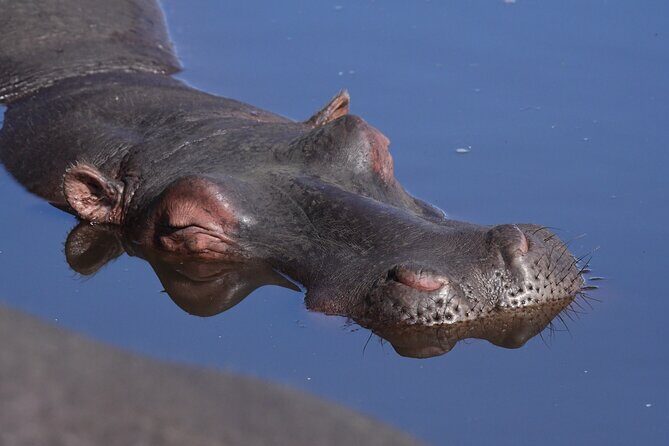
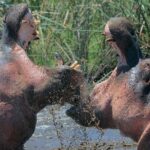
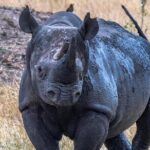
The list of possible sightings includes lions, elephants, zebras, hippos, flamingos, jackals, rhinos, antelopes, plus many birds. You’re also told that your driver/guide stays in contact with other safari drivers—so they can use up-to-date info to locate hidden animals.
After the crater drive, you drive to Fanaka campsite for dinner and overnight. This is also where you’ll feel the reality of crater driving: it’s exciting and active, but it also requires patience and good spotting skills.
Quick tip: if you care about photos, keep your camera ready during stops and slow drives. Much of the action here happens in short moments.
Day 6 Lake Manyara: Tree-Climbing Lions and Rift Valley Bird Life

Day 6 heads to Lake Manyara National Park after breakfast, with packed lunch for game drives. Lake Manyara is described as beginning where the forest starts when you cross the park gate at the base of the Great Rift Valley, plus hot springs to the west of the park.
This park is known for a few big things:
- Tree climbing lion possibility
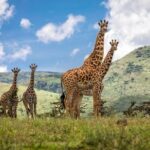
- Buffalo and giraffe
- Hippo and baboons
- Birdlife like flamingos, ostrich, and Egyptian geese
The main flow is: game drives with packed meals, then afternoon drives again. Dinner and overnight are at a hotel this time, which is a nice change of pace after days that are more campsite-focused.
Lake Manyara can be a great “variety” day. It’s different from open Serengeti grassland. If you want to see how Tanzania’s ecosystems change within a week, this is where it shows.
Day 7 Arusha National Park and the Little Ngorongoro Finish
Your final day is a short reset: you depart Arusha in the morning with a private guide for Arusha National Park, only about 40 minutes from town. After that, you do a day trip that includes Ngurdoto Crater, sometimes called the Little Ngorongoro.
Ngurdoto crater is treated as a highlight because it supports wildlife you can see year round, including buffaloes, waterbucks, giraffes, warthogs, zebras, and many bird species.
Later, you return to Arusha in the evening. The tour ends with a drop-off at the airport, so you don’t have to worry about figuring out last-day transport.
If you’ve been spending the whole week in the biggest safari icons, this ending day is a smart way to close strong with a smaller, more local-feeling park.
Price and What You’re Really Paying For (Mostly Time, Not Just Places)
The price listed is $2,724.36 per person for the 7 days. On paper, that’s a lot. On safari, the real question is what you get for that number.
Here’s what’s clearly included:
- Breakfasts (7), lunches (7), and dinners (6)
- Parking fees
- A private structure, meaning only your group participates
- Pickup is offered, and you’ll have a mobile ticket
The biggest value piece is time-on-wildlife. The itinerary repeatedly favors long game-drive windows (including a major 5–6 hour crater drive) and uses picnic lunches to keep you out on the route. A lot of cheaper safaris cut these corners. This one is designed to keep your days working toward sightings, not just moving beds to beds.
One more cost-side note: tips are not included, so budget for them if you plan to compensate your guide and cook appropriately.
If your priority is maximum wildlife hours across multiple major parks, this route has a strong logic for the price.
Who This Tour Suits Best
This safari fits best if you want:
- A concentrated 7-day circuit through major parks
- Daily game drives with early starts
- A private experience rather than sharing a vehicle with strangers
- Time in both Serengeti and Ngorongoro, including crater rim and crater floor
If you hate long drives or don’t do well with early mornings, the schedule may feel intense. Also, if you need comfortable lodging every night, pay attention to the campsite nights.
From the provided feedback, people especially praised guide knowledge and performance. If you can request or pair with a top guide, Eli is specifically mentioned as having deep wildlife knowledge and strong driving skills. Amid, the cook, is also praised for fresh ingredients and solid meals—important when you’re spending long days outside.
Should You Book This 7-Day Northern Tanzania Safari?
I’d book this if your goal is straightforward: see big Tanzania wildlife in the right places, with enough hours to make sightings more than just luck. The combination of Tarangire river ecology, Serengeti migration-style driving, and the Ngorongoro crater block (including that long crater floor drive) makes the week feel purpose-built.
I’d think twice if you’re sensitive to lodging quality, since at least one key night is at Ngorongoro Simba Campsite, and campsite conditions can be basic. If that would spoil your trip, look at upgrading your sleeping setup before you go, or choose a different accommodation level.
If you’re flexible, safari-focused, and ready for early days, this itinerary can be a very strong value way to cover Northern Tanzania in one go.
FAQ
What parks are visited on this 7-day Northern Tanzania safari?
The route includes Tarangire National Park, Serengeti National Park, Ngorongoro Crater, Lake Manyara National Park, and Arusha National Park (including Ngurdoto Crater).
How long is the tour?
It runs for 7 days (approx.).
Is pickup included?
Yes, pickup is offered.
What meals are included?
Breakfast is included for 7 days, lunch for 7 days, and dinner for 6 days.
Is this a private tour?
Yes. It’s listed as a private tour/activity, and only your group will participate.
What vehicle is used for game drives?
The tour uses a 4-WD Land Cruiser with viewing.
Are tips included in the price?
No. Tips are not included.