REVIEW · ARUSHA
Tanzania Wildlife Cultural Safari from Arusha.
Book on Viator →Operated by Tanzania Wildlife Adventures · Bookable on Viator
Six people, one big wild week in Tanzania. This Northern Circuit safari from Arusha mixes open-roof 4×4 game drives with culture stops like the Hadzabe and the Iraqw, so the trip feels like more than just wildlife photos.
I love the small-group setup: up to 6 travelers per vehicle, all with window seats, which makes sightings easier to share and less stressful when everyone’s craning for the same moment. I also like that the core safari days include the practical stuff—accommodation, meals, and park entry—while still packing in major names like Lake Manyara, Serengeti, Ngorongoro, and Tarangire.
One possible drawback is price. At $4,999 per person for about 11 days, you’re paying for guided logistics and included park access, so make sure it fits your budget and that you’re fine with long days of driving between parks.
In This Review
- Key Things That Make This Arusha Safari Worth Your Time
- Why This Route From Arusha Makes Sense for First-Time Tanzania Trips
- Day One in Arusha: Springlands Hotel and a Real Pre-Safari Briefing
- Arusha National Park: Mount Meru Views and Easy Wildlife Chances
- Lake Manyara: Rift Valley Country and the Tree-Climbing Lion Factor
- Karatu Area Meets Ngorongoro Forest: Hike for Waterfall and Elephant-Soil Caves
- Lake Eyasi: Hadzabe Time and a Different Kind of Tanzania Day
- Serengeti: Two Full Days of Game Drives in Migration Country
- Ngorongoro Crater: The Descent, the Rhino Grass, and Soda Lake Birds
- Tarangire: Baobabs, a River That Guides the Wildlife
- What the Lodging Choices Mean for Your Actual Experience
- Wildlife Odds and Sightings: What You Can Realistically Hope For
- Value Check: What $4,999 Gets You on This 11-Day Safari
- Should You Book This Arusha Wildlife and Culture Safari?
- FAQ
- How many travelers are in the safari group?
- Are the safari vehicles open-roof?
- What time does the tour start?
- Which major parks and areas are included?
- Is pickup provided in Arusha?
- Does the tour include mobile tickets?
- Are park entry fees and safari meals included?
Key Things That Make This Arusha Safari Worth Your Time
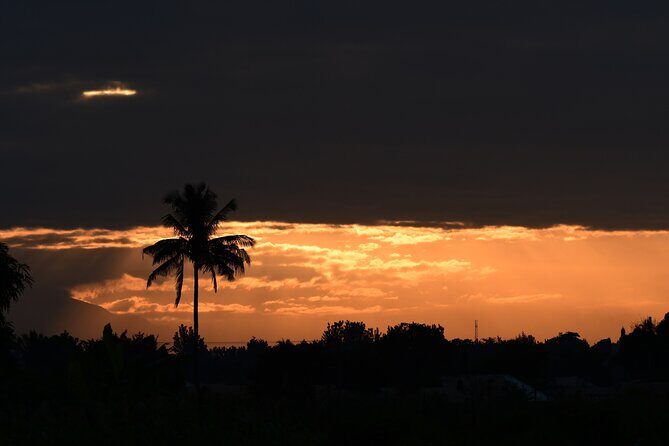
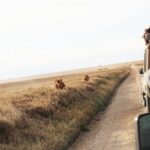
- Open-roof 4×4 vehicles with window seats for game viewing that feels close-up, not boxed in
- A tight Northern Circuit hit list: Arusha National Park, Lake Manyara, Serengeti, Ngorongoro, Tarangire
- Ngorongoro isn’t just one day: you also get a Karatu-area Ngorongoro Forest hike plus an Iraqw cultural center visit
- Culture added on purpose: Lake Eyasi includes time with the Hadzabe, and Karatu connects with the Iraqw through a cultural center
- Guides who come up repeatedly in past trips, including names like Yusuph, Marck, Swai, Baraka, and Moses
- Safety and long workdays are explicitly part of the operator’s promise, since guides are described as able to work for long stretches
Why This Route From Arusha Makes Sense for First-Time Tanzania Trips
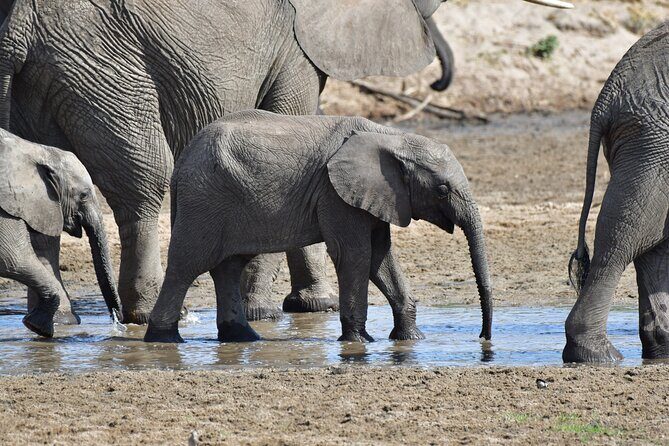
If you’re doing Northern Circuit Tanzania for the first time, this kind of route is smart because it hits the big ecosystems without making you bounce around aimlessly. From Arusha, you move through classic wildlife areas in a way that keeps the days full and the geography logical.
You also get a useful mix: short-park intro time (Arusha National Park), the Rift Valley setting at Lake Manyara, migration country in Serengeti, and the dramatic crater bowl at Ngorongoro. Then you round it out with Tarangire, which is its own animal show thanks to the Tarangire River.
The cultural stops are not just add-ons. They’re placed so you spend time with people and land practices that match the regions you’re visiting, especially around Lake Eyasi and Karatu.
A few more Arusha tours and experiences worth a look
Day One in Arusha: Springlands Hotel and a Real Pre-Safari Briefing
Your trip starts with pickup from the airport. You’ll be met by a dedicated driver holding a sign with your name, then transferred to Springlands hotel for your first night.
What I like here is the built-in buffer. After travel, you get a meal on arrival, then a pre-safari briefing from the safari coordinators. That matters because once you’re in parks, the pace quickens and you want to understand how game drives work, when you’ll leave, and what to expect from guides.
Springlands also gives you a comfortable reset. The property has a swimming pool, gardens, a bar, and a restaurant. Even if you don’t swim, it’s a nice place to get your bearings and sleep well before early starts.
Arusha National Park: Mount Meru Views and Easy Wildlife Chances
The first game viewing day takes you into Arusha National Park, dominated by Mount Meru. This is not the mega-park experience of Serengeti, but it’s a great opener because it’s scenic and wildlife can show up fast.
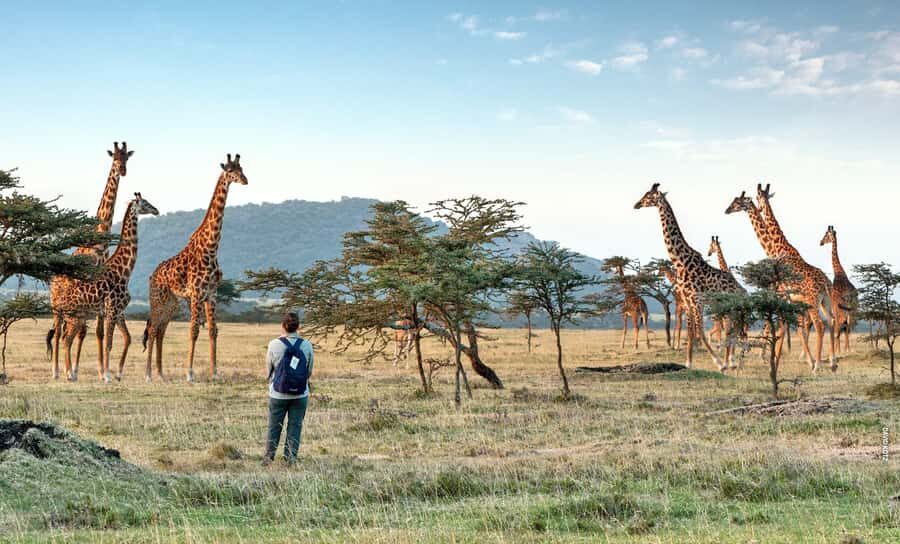
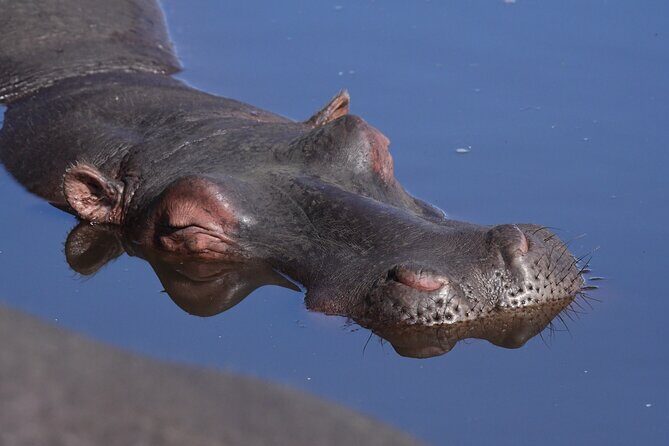
The park is known for a good spread of species. You can expect animals like hippos, giraffes, zebras, warthogs, and waterbucks, plus less predictable sightings such as reedbucks, leopards, and hyenas. The foothold of alkalinity in the ecosystem is also part of the story—these conditions support year-round flamingo breeding.
Practical note: since Arusha National Park is the first wildlife day, it’s the place where you’ll learn how your guide reads the terrain and where to position the vehicle for the best sightlines. In open-roof vehicles, that early learning pays off later.
Lake Manyara: Rift Valley Country and the Tree-Climbing Lion Factor
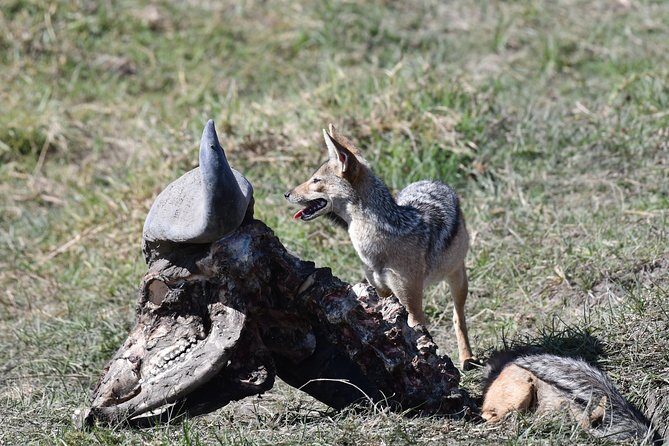
Lake Manyara is one of those parks where the scenery does the work. You’re set against the Rift Valley escarpment, with ecosystems stacked on top of each other—acacia woodland, grassy plains, a swampy fan delta, and the expansive lake.
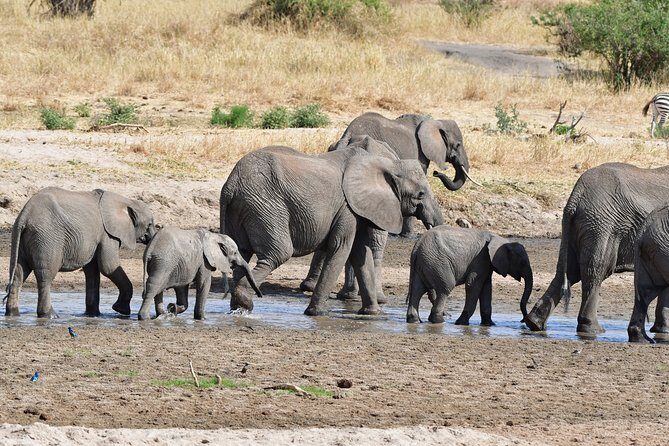
That variety matters because it increases your chances of seeing animals in different ways, not just one habitat type. Manyara is also famous for the rare tree-climbing lions. Even if you don’t get a lion in a tree, you’re still in a place with frequent elephant activity and lots of bird life.
Your day here includes time to watch mammals close to the lake area, plus primates and troops moving through. Blue monkeys, vervet monkeys, and active olive baboons are called out as likely sightings. And yes, the park also has hippos and plenty of buffalo, giraffe, impala, bushbuck, and waterbuck.
If you’re the kind of person who likes birds, this is a great day to slow down for a bit. Manyara can feel busier for large mammals, but the bird action is steady enough that you don’t have to choose between “big game” and “small details.”
Karatu Area Meets Ngorongoro Forest: Hike for Waterfall and Elephant-Soil Caves
After Lake Manyara, your route moves through the Karatu area, between Ngorongoro and Lake Manyara. Karatu is described as a colorful, busy town where you can pick up souvenirs if you want that moment of local life.
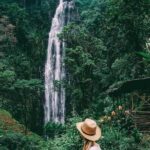
Then comes the best “stretch your legs” segment: a hike to the Ngorongoro Forest. This is a two-hour walk through forested slopes with a waterfall and so-called elephant caves. These are formed by elephants digging up the earth to access vitamin-rich soil—exactly the kind of detail that turns a walk into something more than just scenery.
You might also spot buffalo, bushbuck, waterbuck, and baboons drawn to the same areas. In open-roof safari terms, you see animals from the vehicle. In the forest hike, you get a chance to see how land changes behavior patterns.
In the afternoon, you shift from wildlife to culture with a visit to the Iraqw cultural center. This area is Iraqw homeland, and you’ll see locally developed intensive cultivation techniques. That’s an interesting contrast to crater and savanna days: you get a human link to the land, not just a wildlife one.
A few more Arusha tours and experiences worth a look


Lake Eyasi: Hadzabe Time and a Different Kind of Tanzania Day
Lake Eyasi is a different pace—more quiet, more focused on relationships between people and environment. It’s described as a mildly alkaline lake about 55 km long, and bird life can be a big draw. The trip calls out species like flamingos, pelicans, spoonbills, weavers, spur-fowls, storks, barbets, and egrets.
But the headline cultural experience here is meeting the Hadzabe people. You’ll visit their homesteads and learn about their hunter-gatherer lifestyle. The trip description highlights group hunting with bows and arrows and survival based on what the environment provides. It also notes that the Hadzabe use traditional medicines to treat diseases.
A quick reality check for your expectations: this day is about learning and observation, not “performance.” If you go in respectful mode—listen first, ask clear questions, and don’t treat it like a photo set—you’ll get more from the day than you would chasing proof you’re having an experience.
This stop is also a helpful reset after long driving days. It gives you a calmer, human-scale perspective before Serengeti ramps up again.
Serengeti: Two Full Days of Game Drives in Migration Country
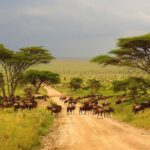
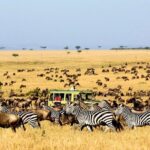
When your route reaches Serengeti, you get two full days of game drives. Serengeti means endless plain in Maasai language, and the park lives up to that idea: wide views, scattered acacia trees, rocky kopjes, and different terrain across the region.
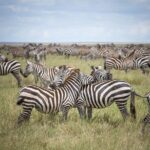
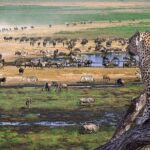
The big draw here is the Great Wildebeest Migration. Even when the timing shifts year to year, the park still functions as the main stage for huge herds of plains game, including wildebeest, zebra, and antelope.
Predators are part of the story too—lion and cheetah are among the species you can find around the kopjes. Your guide’s skill in locating the right zones is what turns “I’m in Serengeti” into “I saw the moment.”
Before one of your Serengeti days, there’s an optional route-stop choice on the way in. You can choose to visit a Maasai village for culture and activities, or stop at Olduvai Gorge for the Cradle of Humanity museum. Pick based on your interests: culture if you want people-first, museum if you want human history, and then park time for the rest.
For lodging, you’ll spend nights at Serengeti Safari Lodge or similar. This is where waking up near the action helps—your day starts feeling like it’s already underway.
Ngorongoro Crater: The Descent, the Rhino Grass, and Soda Lake Birds
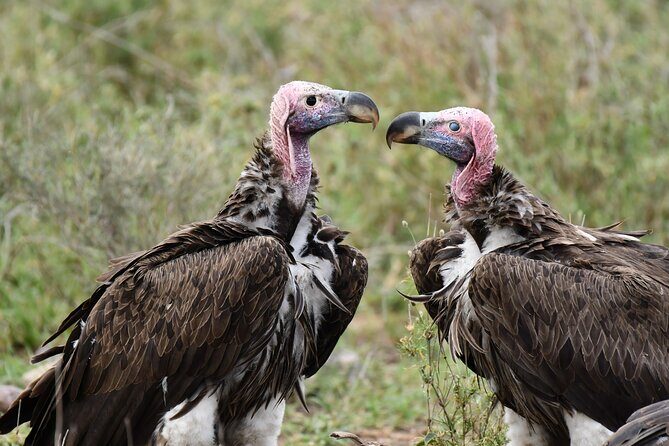
Ngorongoro Crater is the kind of place where the driving plan matters. You do a morning game drive en-route, then descend into the crater floor for game driving and exploration. The crater is described as about 600 meters deep, roughly 16 km across, and 265 sq km in area.
This is often called the eighth wonder of the world for a reason: you’re going from rim views to a bowl that concentrates animals. The trip description also calls out black rhino as among the possible sightings on the open grassland, plus a broad mix of other animals like lion, cheetah, eland, zebra, and gazelle.
Birdwatchers get another bonus. Flamingo can often be seen feeding at Makat Soda Lake, and the crater is described as holding around 20,000 large animals. That kind of density is what makes crater day so memorable, because sightings can feel fast and varied once you’re down on the floor.
You’ll overnight at Highview Coffee Lodge or similar after this day. For many travelers, Ngorongoro is the emotional peak. It helps that it’s not the only crater-related day on the route—you get the Ngorongoro Forest hike earlier, and that makes crater day feel even bigger.
Tarangire: Baobabs, a River That Guides the Wildlife
Tarangire National Park is your next morning-drive target. The star of Tarangire is the Tarangire River, which never dries up. During the dry season, it becomes the only reliable water source, and that’s why the park draws hundreds of animals.
This shapes the day in a positive way. When water is consistent, animal movement becomes easier to predict. You still won’t control what you see, but the chances of getting meaningful sightings stay higher than in parks where water is scarce.
The scenery includes grassy savannah plains, swamps, hills, and spectacular baobabs. You’ll enjoy a full day of game viewing here, then return for another night at Highview Coffee Lodge.
Tarangire is a good match for people who enjoy that “wildlife at a watering point” feel, and it also balances out Serengeti. Serengeti can be open and classic savanna; Tarangire adds a different rhythm with water-driven congregation.
What the Lodging Choices Mean for Your Actual Experience
The trip uses a mix of lodges described as beautiful, with tranquil settings. Some are inside park areas and others outside. Even if you don’t track it by map, the location affects your daily timing.
Staying inside or near a park usually means shorter transfers and fewer hours spent “moving through” rather than “watching.” Staying outside can mean you get a bit more time with lodge grounds and relaxation, especially in between driving days.
You’ll also see specific lodge features called out at Springland hotel—pool, gardens, bar, and restaurant. Highview Coffee Lodge is mentioned repeatedly as the overnight option, and Serengeti Safari Lodge handles the middle stretch in Serengeti.
In a safari like this, those small differences add up. It’s not about luxury bragging rights. It’s about sleep quality, shower time after dusty drives, and whether you can reset without rushing.
Wildlife Odds and Sightings: What You Can Realistically Hope For
This trip is designed for a variety of ecosystems, which gives you options. From Arusha, you can look for species like giraffe and zebra and hope for rarer sightings like leopards and hyenas. From Lake Manyara, you can focus on the Rift Valley mix and the chance of tree-climbing lions, plus elephants near the lake and strong primate activity.
Serengeti is where you should expect the big-herd feel—wildebeest, zebra, antelope—along with predators around kopjes. Ngorongoro is the “concentrated animals in a bowl” day, with black rhino, lion, cheetah, eland, and gazelle mentioned, plus flamingo activity at Makat Soda Lake.
Then Tarangire brings the river logic: lots of animals because the water stays. Baobabs and varied habitats make it a great day for both wildlife and birds.
I’d also note something from the guide pattern in past trips: strong guiding shows up in the details, like where to look and how to position for sightings. Names you might hear associated with good guiding include Yusuph, Marck, Swai, Baraka, and Moses—each of them is described as expert and friendly in the feedback you provided.
Value Check: What $4,999 Gets You on This 11-Day Safari
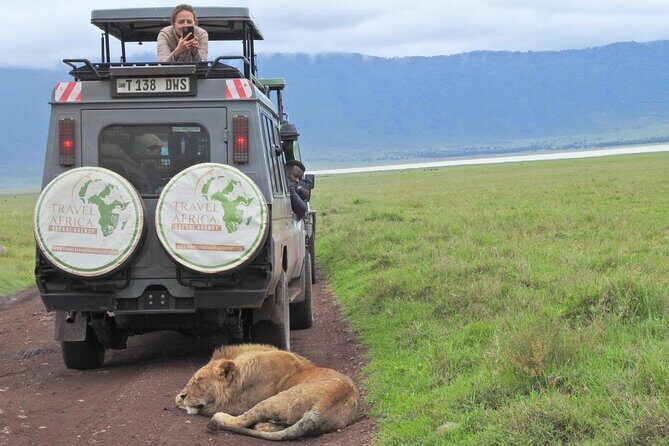
This price is not cheap, and it shouldn’t be treated like a budget tour deal. You’re paying for custom-designed 4×4 safari vehicles with open roofs, a small-group seat-in-vehicle format (maximum 6 travelers per vehicle), and a guide who can manage a long route with multiple park entries.
On the included side, the tour description states that during the safari portion you get meals, accommodation, park entry fees, and visits to Lake Manyara and Ngorongoro-related highlights. In practice, the best value comes from having those daily costs bundled so you aren’t doing constant micro-decisions in the bush.
Also, you get pickup offered in Arusha and a mobile ticket. Those might sound minor, but for wildlife travel, the smooth start matters. Less confusion on day one means you spend day one focused on the experience.
One more value lens: the itinerary is packed with both wildlife parks and culture encounters. That mix often costs extra when you try to build it yourself, because you have to coordinate multiple day blocks and local partners.
If you’re traveling as a couple or small group and want a guided route that hits the big Northern Circuit without you planning every turn, this pricing can pencil out. If you’d rather spend that money more slowly across fewer parks, you may want a shorter itinerary.
Should You Book This Arusha Wildlife and Culture Safari?
Book it if you want a classic Northern Circuit route with open-roof game drives, small-group comfort, and enough structure that you don’t waste time figuring things out. You’ll like it most if you care about both wildlife and cultural context, since Lake Eyasi (Hadzabe time) and Karatu (Iraqw cultural center) are built into the flow.
Skip it or consider a different option if budget is tight, because $4,999 per person is a serious line item. Also, the days are full and driving adds up, so this is best for travelers who handle early starts and long park-to-park movement without needing “downtime” every afternoon.
If you’re open to that pace and you want a route that hits Arusha, Lake Manyara, Serengeti, Ngorongoro, and Tarangire in one organized package, this is a strong choice.
FAQ
How many travelers are in the safari group?
The tour limits the experience to a maximum of 6 travelers per vehicle, with window seats.
Are the safari vehicles open-roof?
Yes. The safari uses custom designed 4×4 safari vehicles with open roofs for game viewing.
What time does the tour start?
The start time is listed as 8:30 am.
Which major parks and areas are included?
The tour includes Arusha National Park, Lake Manyara National Park, Serengeti National Park, Ngorongoro Crater, Tarangire National Park, plus cultural visits around Karatu and Lake Eyasi.
Is pickup provided in Arusha?
Yes. Pickup is offered.
Does the tour include mobile tickets?
Yes. The tour notes that mobile ticketing is used.
Are park entry fees and safari meals included?
The description states that meals, accommodation, park entry fees, and visits to Lake Manyara and Ngorongoro are included during the safari portion.