REVIEW · ARUSHA
7 Days Tarangire, Serengeti, Ngorongoro & Manyara Camping Safari Tour Tanzania
Book on Viator →Operated by Travel Africa Safari Agency · Bookable on Viator
Great Migration is the reason you’re here. This 7-day safari is designed to follow the seasons in the Serengeti, with at least four nights in the park (often two in the Central Area and two where the migration is happening). I also like the multilingual driver-guide setup, with English, Spanish, and French skills, and praise-worthy guides like Assad for steering you to the action. The one thing to plan for is that it’s a camping-style trip, and while the food is generally good, lunches can feel a bit repetitive.
A key detail: you finish the safari in a remote part of the Serengeti, then transfer by flight to continue on. If you’d rather keep everything on land, the route can be redesigned to return to Arusha that way.
In This Review
- Key Highlights You’ll Care About
- Why This Great-Migration Safari Feels Different
- Arusha Start Time and the Smoothest Possible Kickoff
- Tarangire National Park: A First-Day Boost for Wildlife Energy
- The Serengeti Central Area: Where Big Cats Become a Theme
- Following the Great Migration: How This Trip Adapts to the Season
- Camping Life: Lodges One Night, Tents the Next
- Ngorongoro and Manyara: Variety After a Serengeti-Heavy Week
- Your Guide Makes or Breaks the Game-Viewing
- Price and Value: What $2,692.31 Typically Buys
- Timing, Comfort, and What to Pack Mentally
- So, Should You Book This Safari?
- FAQ
- What time does the tour start?
- Does the tour include airport pickup and drop-off?
- How long is the safari?
- What meals are included?
- Is there a group size limit?
- Are international flights included?
Key Highlights You’ll Care About
- Great-Migration routing in the Serengeti keeps your nights synced to where the action is.
- Central Area time for big cats gives you a strong baseline for sightings even when the migration shifts.
- Remote Serengeti finish + flight transfer helps reduce long drives and keeps the schedule realistic.
- Camping with real support includes a sleeping bag and bath towels, so you’re not totally on your own.
- Small group size (max 6) means less crowding at sightings and more flexibility with viewpoints.
- Guide spotting skills stand out in feedback, with names like Mtina, Omer, and Aron repeatedly linked to great positioning and animal behavior explanations.
Why This Great-Migration Safari Feels Different
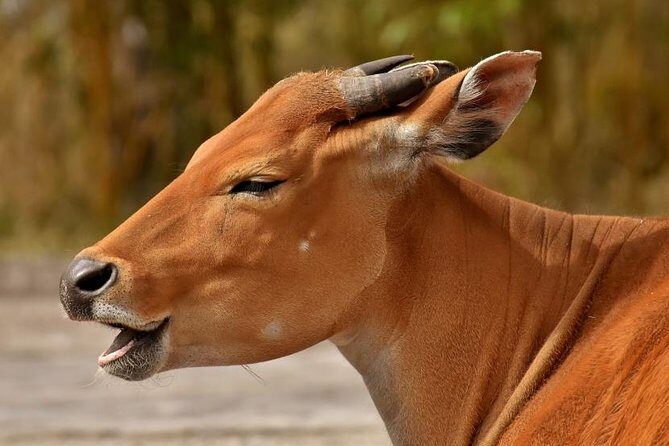
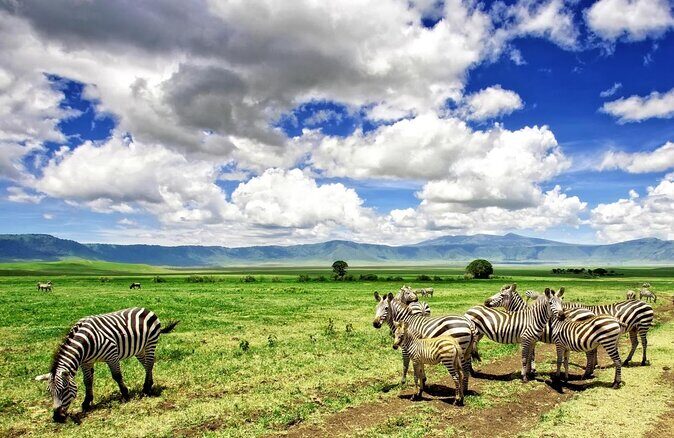
Most safaris tell you where to go. This one tells you when to go—at least as much as Tanzania’s animal world allows. The tour’s big idea is simple: you’ll spend serious time in the Serengeti to follow the Great Migration, instead of treating it like a quick photo stop.
What I like is that the routing has a built-in rhythm. You’re not only chasing the moving herds. You also get time in the Central Area, described as the largest concentration of big cats. Then you shift to the migration timing area, again based on the season. That’s a smart approach for two reasons: it boosts your odds of seeing lions and other large predators, and it prevents the whole week from feeling like a nonstop gamble.
The second reason this safari works for many people is that the guide is the product. You’re not just hiring a driver who knows roads—you’re hiring a professional driver-guide who can speak English, Spanish, and French, and who’s expected to explain what you’re seeing. In past trips with the agency, guides like Assad and Omer got singled out for finding strong viewing spots and reading animal behavior, not just getting to the next park.
A few more Arusha tours and experiences worth a look
Arusha Start Time and the Smoothest Possible Kickoff
You start at 7:00 am. That matters because safari days move fast, and early departures give you more daylight for game viewing (and less pressure when the day runs long).
Pickup and drop-off are included, and you also get airport pickup and drop-off. So if you’re flying into Arusha, you shouldn’t have to figure out your own first step after landing. You’ll also have a mobile ticket, which typically means less paper-chasing.
One more practical perk: the group is capped at 6 travelers. On a safari, that’s not just a comfort detail. It affects how crowded vehicles feel at a kill or a grazing group. Smaller groups can also mean more room for the guide to react quickly to animal movement.
Tarangire National Park: A First-Day Boost for Wildlife Energy
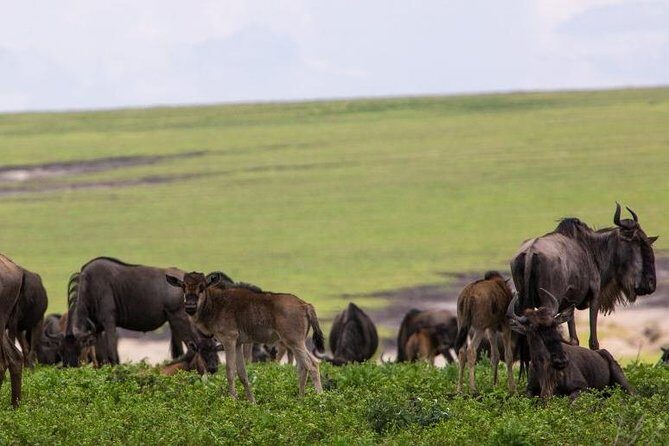
The tour begins with Tarangire National Park, which is a great move because it helps you settle into safari mode before you lock into the Serengeti’s intensity.
Tarangire is where you start stacking sightings while your energy is still fresh. The feedback points to a lot of wildlife time early in the trip—people specifically used phrases like so many animals and emphasized how comfortable they felt with the guide’s ability to spot and explain.
Because the tour includes all fees and taxes, you’re also less likely to lose time juggling paperwork at the gate. You’ll be focusing on what you came for: wildlife sightings and learning what’s happening in front of you.
If you’re the type who hates “drive-and-wait” days, this opener is helpful. Starting with a park day before the Serengeti gives you early wins and helps you learn the pace of the trip.
The Serengeti Central Area: Where Big Cats Become a Theme
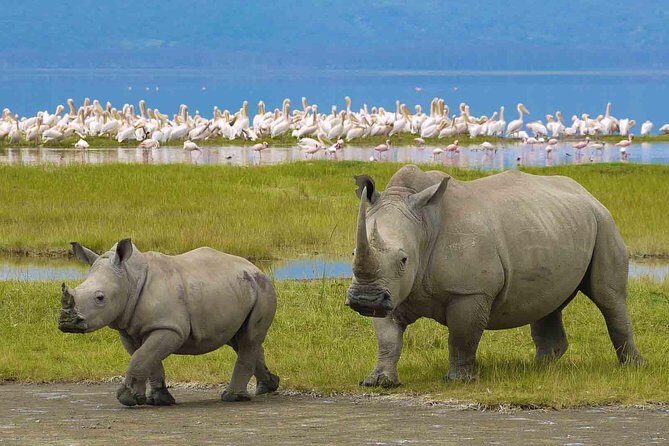
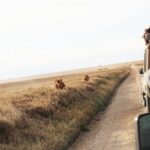
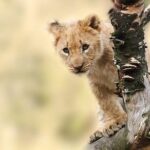
This safari is structured so you usually spend two nights in the Central Area, which is described as having the largest concentration of big cats. That detail is huge, because big cats are often what people imagine when they picture the Serengeti—yet they’re not guaranteed.
Here’s the advantage of Central Area time: you’re not forcing one single day to do all the work. With multiple nights and repeated drives, you have more chances at the right light, the right animal movement, and the right predator mood.
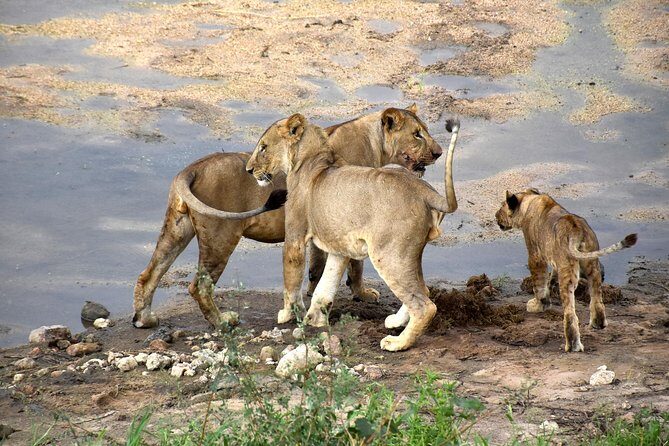
From the feedback, the guides are also pushing beyond “here’s a lion.” People highlighted behavior knowledge—how animals react, how predators position, and how the habitat influences what you’ll see. In one translated highlight, a guide’s skills were credited for a moment where a lioness hunted a zebra to feed her young. That’s the kind of thing you can’t manufacture. You can only improve your odds by being in the right place at the right time, with someone who understands animal behavior.
Following the Great Migration: How This Trip Adapts to the Season
This is the defining feature of the tour: you’ll spend two nights in the Serengeti where the migration is happening, according to the time of year.
I like this approach because it acknowledges reality. Migration isn’t a schedule. It’s a set of moving decisions driven by water and food. By building in time specifically for migration timing, you’re not just “in the Serengeti.” You’re aiming at the moment the Serengeti is famous for.
At the same time, the Central Area nights help keep expectations grounded. You’ll still be in a part of the ecosystem with strong predator concentration while the migration timing shifts elsewhere. That blend means you’re less likely to have the entire week hinge on one location.
The other smart element: you finish the safari in the most remote location in the Serengeti. Ending this way typically signals that you’re not constantly turning around. You can work with the animals’ movement instead of losing hours chasing the same ground.
A few more Arusha tours and experiences worth a look
Camping Life: Lodges One Night, Tents the Next
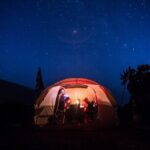
This is a camping safari, so you should expect a real mix of sleeping styles. One review specifically noted sleeping in a lodge on some nights and in a tent on other nights. That’s a good sign because it usually means you’re not stuck in one mode the whole way.
Also, the tour includes a sleeping bag and bath towels, which is genuinely helpful. These are the items that can turn a “fun adventure” into an uncomfortable one if you’re missing them. Included gear reduces last-minute packing stress.
What to consider: you’re living close to nature. That’s the point. But it also means weather, sound, and simple comforts are part of the experience. If you’re picky about routine, bring the mindset that safari camping is about being flexible.
Food is another factor. Meals are included—breakfast (7), lunch (7), and dinner (7)—and people described the food as very good. Still, one note flagged that lunches could be a bit too similar on some days. If you’re the kind of person who needs variety, you might want to be ready for that and rely on snacks you bring personally (the tour doesn’t list snacks, so personal extras are on you).
Ngorongoro and Manyara: Variety After a Serengeti-Heavy Week
After the Serengeti stretch, the tour moves into the Ngorongoro area and then Manyara. You’re getting a wider Tanzania safari picture instead of a single-park repeat.
The value here is simple: you’ve spent several nights focused on the migration and predator zones. Then you add contrast with other famous environments. If you love animals but also like seeing how terrain and animal patterns change, this structure tends to satisfy.
Also, finishing Serengeti in a remote location and transferring by flight can make a difference. Long drives can wear you down. When the logistics reduce the time in transit, you usually end up with more actual viewing time.
One thing to watch: the tour overview notes that after the remote Serengeti finish, you fly to your next destination. If you’re the type who strongly prefers everything on land, the company says the itinerary can be redesigned to return to Arusha by land. That’s worth bringing up early if flights are a concern.
Your Guide Makes or Breaks the Game-Viewing
This safari lives or dies by your guide-and-driver team. And the pattern in feedback is consistent: people keep praising their guides for expert positioning, animal knowledge, and a sense of humor that makes long days feel easier.
Names that came up strongly include Assad, Mtina, Omer, and Aron. Mtina was described as friendly and extremely knowledgeable, with knowledge of animals, landscape, and history. Omer was credited with finding the best spots and explaining habitats and behavior. Aron was praised for placing the group in the best place to enjoy moments as they happened.
Even if you don’t care about animal facts, good guide behavior reading matters. Predators often shift direction quickly. Prey changes posture. Herds move when water or wind changes. A guide who understands those patterns helps you stay calmer and actually enjoy the hunt for sightings.
The language part is also practical. The guide can speak English, Spanish, and French, so if you’re more comfortable in one of those languages, it can make the safari feel less like a lecture and more like a real conversation.
Price and Value: What $2,692.31 Typically Buys
At $2,692.31 per person for about 7 days, this isn’t a cheap “weekday tour.” It is priced like a premium safari where the schedule is doing heavy lifting—multiple parks, multiple nights in the Serengeti, and time planned around the Great Migration.
What you get in the price is meaningful:
- All fees and taxes
- A professional driver/guide (English, Spanish, French)
- Airport pickup and drop-off
- Drinking water and wine
- Bath towels and a sleeping bag
- Breakfast, lunch, and dinner for 7 days
What you don’t get:
- Tips for the driver-guide and cook
- Personal items
- Visas, international flights, and travel insurance
This is the value story: you’re paying for logistics that are hard to DIY—park permissions, arranged driving, and a plan that targets migration timing. You’re also getting meals and basic camping comfort, which can protect your budget from getting hit by small extras.
The only caution on value is the style of the trip. Camping means less “hotel luxury.” If you’re expecting a lodge-only experience with fully varied meals, you may feel the difference.
Timing, Comfort, and What to Pack Mentally
The tour starts at 7:00 am, and it’s a multi-park week, so days will likely feel full. The good news is the inclusions help you stay focused on the viewing.
You’ll have:
- Drinking water included
- Breakfast (7), lunch (7), dinner (7)
- Sleeping bag support
- Bath towels
- A guide who can communicate clearly in multiple languages
What you should bring as a mindset, not a shopping list: expect early starts, days that shift based on animals, and evenings where the day’s sightings come first and comfort comes second.
Also note: the company offers a free day tour on request. The tour data doesn’t explain what it is, so you’ll want to ask what options exist for your exact dates.
Finally, if you’re sensitive to repetition in routines, remember the note that lunches could be a bit similar. That doesn’t mean the food is bad. It just means you’ll likely want to stay flexible and enjoy the overall flow.
So, Should You Book This Safari?
If your main goal is the Serengeti and you care about following the Great Migration, I think this is a strong match. The structure makes sense: Central Area time for big cats, then migration-timed nights where the action is happening, then a remote Serengeti finish that helps keep the itinerary efficient.
You should also book if you want a guided safari where behavior knowledge matters. The guides getting praised most are the ones who find good spots and explain what’s happening—people referenced guide skills like Assad, Mtina, Omer, and Aron, and they linked those skills to big sightings, including the sense of seeing both the Big Five and what some call the Ugly Five.
Skip or at least think twice if you need lodge-only comfort, or if repetitive lunches would bother you. Also consider the flight transfer after Serengeti: you can redesign the trip to return to Arusha by land, but you’ll want to decide your preference early.
One last practical note: the tour lists free cancellation up to 24 hours in advance of the experience start time, so you have a little breathing room if your plans are still forming.
FAQ
What time does the tour start?
The tour start time is 7:00 am.
Does the tour include airport pickup and drop-off?
Yes. Airport pickup and drop-off are included.
How long is the safari?
The tour is listed as 7 days (approx.).
What meals are included?
Breakfast, lunch, and dinner are included for 7 days each.
Is there a group size limit?
Yes. The tour has a maximum of 6 travelers.
Are international flights included?
No. International flights are not included.
If you want, tell me your travel month and your budget comfort level (camping OK vs lodge-only). I can help you sanity-check whether this Great Migration timing approach fits what you’re aiming to see.