REVIEW · ARUSHA
1 Day Marangu Route Climbing Kilimanjaro
Book on Viator →Operated by Travel Africa Safari Agency · Bookable on Viator
A day hike on Kili feels almost impossible. You’re lining up a Marangu Route trek that gets you into Kilimanjaro National Park and up to Mandara Hut (9,022 ft / 2,750 m), with big views of Kibo, Mawenzi, and Shira along the way. It’s a long day, but it’s one of the more realistic ways to experience Africa’s highest mountain without committing to a multi-day climb.
Two things I really like are how structured the day feels and how much you learn while you walk. You’ll get live English commentary, a proper briefing before you start, and guides who explain what you’re seeing—like how Mawenzi and Shira are extinct volcanic formations. And yes, the picnic lunch matters when you’re moving most of the day; it keeps the energy steady instead of turning the afternoon into snack math.
One consideration: this is a full-day effort (about 12.5 hours), and you’ll be starting very early on the schedule (the start time is listed as 12:00 am). Also, beverages aren’t included, so plan to buy or pack what you need for the trek.
In This Review
- Key highlights you’ll actually care about
- Marangu in a single day: how it makes Kilimanjaro doable
- Arusha pickup and the ride to the park gate
- Trek to Mandara Hut: what you’ll do and why it’s worth it
- The Kibo, Mawenzi, and Shira view lesson
- Lunch on the mountain: simple, timed, and included
- Timing, distance, and the energy reality check
- Guides, communication, and why service quality matters on Kili
- Price and value: what $250.77 really buys you
- Who should choose this 1-day Marangu climb
- Should you book the Marangu day hike?
- FAQ
- What route does the 1-day Kilimanjaro hike use?
- How long is the experience?
- Where does the hike take you on the mountain?
- Is pickup included?
- Is the park admission ticket included?
- Is lunch included?
- Are beverages included?
- Is this a private tour?
Key highlights you’ll actually care about
- Private small-group feel in a 7-seat 4×4 from Arusha to the park gate
- Mandara Hut altitude (9,022 ft / 2,750 m) as the day’s hiking goal
- English live commentary with clear geology explanations of Kibo, Mawenzi, and Shira
- Picnic lunch included so you’re not stuck hungry on the mountain
- Guide-led pacing and safety focus noted through guides like Oscar, John, Lucas, and Mohamed
Marangu in a single day: how it makes Kilimanjaro doable
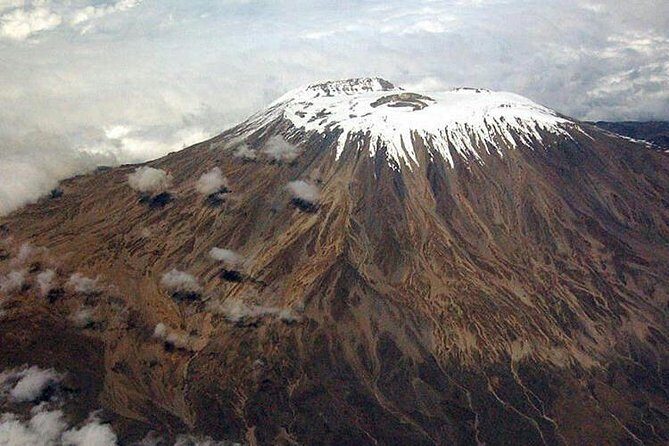
Kilimanjaro is 5,895 meters (19,341 ft) at its highest point, and most first-timers assume you need days to even start “real” mountain climbing. The Marangu Route is often chosen because it’s comparatively gentler in profile than some other routes, and for a day hike it gives you a sensible target: get high enough to feel the altitude change, walk through distinct scenery, and still have a guided, organized finish.
This particular 1-day approach is built around one clear theme: you’re there for the mountain experience, not a summit mission. That matters for value and stress. You’re investing a full day, but you’re not betting everything on a summit attempt that can derail if weather, timing, or your body aren’t cooperating.
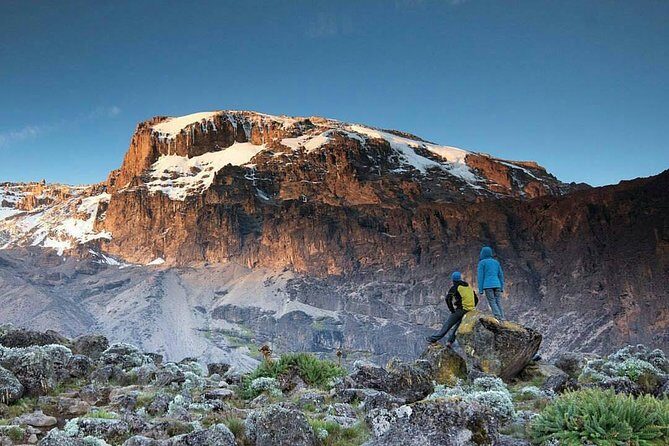
Also, Marangu gives you a neat visual education. As you move up, you keep sightlines to the volcano peaks—Kibo, Mawenzi, and Shira—and your guide helps you connect the silhouettes to the geology. That turns the trek from just exercise into a story you can remember.
A few more Arusha tours and experiences worth a look

Arusha pickup and the ride to the park gate
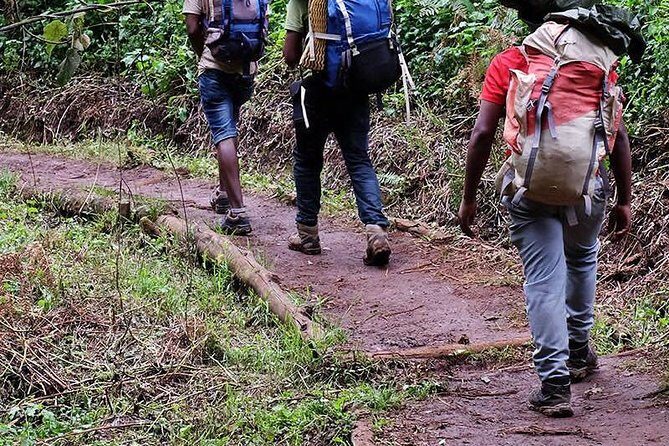
Most people underestimate how much the day starts before your feet hit the trail. Here, you’re picked up from your hotel area in a 7-seat 4×4 safari vehicle and driven to Kilimanjaro National Park at Marangu. The vehicle setup is useful because it keeps the group compact, and it’s the kind of ride that handles the changing road conditions better than a standard sedan.
Once you reach the park gate, you get a briefing with your professional guide. This is where you learn what to expect and how to pace yourself for the day. It’s also the moment when you can ask questions that make the hike feel easier—things like what the route will feel like, what kind of effort to plan for, and how your guide wants you to manage stops and photos.
Two practical notes that helped me mentally when planning: the experience uses a mobile ticket, and the meeting point is described as near public transportation. That doesn’t mean you must use public transport, but it can make it simpler if you’re arriving from outside Arusha or you’re trying to reduce last-minute uncertainty.
Trek to Mandara Hut: what you’ll do and why it’s worth it
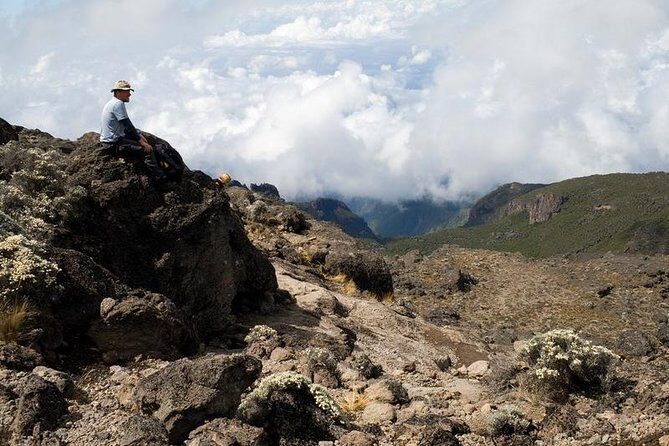
The core of this trip is a guided hike from Marangu into the lush forest up to Mandara Hut at 9,022 ft (2,750 m). That’s not summit height, but it’s high enough to feel like you’re truly climbing. The air can feel different, your breathing changes, and the walking rhythm starts to matter more than how “fast” you think you should be.
Expect forest trekking first. Forest sections often feel cooler and more shaded, which can be a blessing for an all-day schedule. Then, as you gain elevation, the scenery opens up more and the mountain starts looking less like a distant outline and more like a presence right above you.
Along the way, your guide’s job isn’t just pointing. They explain the geology and what the peaks mean. You’ll learn that Mawenzi and Shira are extinct volcanic structures, which helps the views click into place. When you understand what you’re looking at, you spend less time wondering and more time noticing.
Mandara Hut is the day’s turnaround point in this plan. Reaching it is a real milestone because it marks the climb’s high point and gives you a place to pause, take photos, and refuel mentally before the rest of the day unfolds. In a one-day climb, that’s the balance you want: effort, payoff, then safe continuation.
The Kibo, Mawenzi, and Shira view lesson
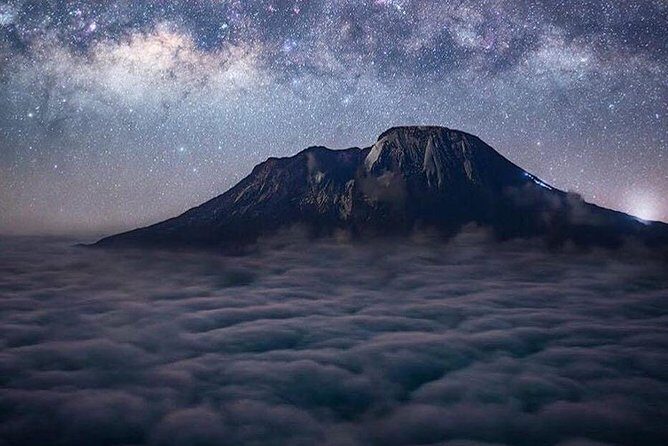
One reason this route is popular for day hikers is simple: you get the “Kilimanjaro lineup” without needing days of trekking. Kibo, Mawenzi, and Shira are three of the mountain’s key volcanic peaks, and your guide will help you track them as they appear from different angles during the hike.
Your guide also frames what you’re seeing. Kibo is part of the story of the mountain’s volcanic structure, while Mawenzi and Shira are explained as extinct. That means you’re not just staring at rocks—you’re learning the mountain’s timeline while you’re in the middle of it.
I especially like this approach because it makes the photos more satisfying. A photo taken with context is better than a photo you take only because you’re supposed to. When you know which peak is which and why it looks the way it does, you come away with a stronger memory than a quick phone snapshot.
Lunch on the mountain: simple, timed, and included
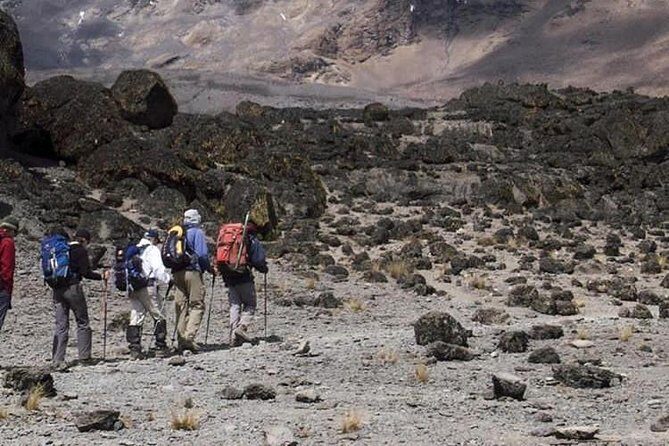
The experience includes a picnic lunch, but you still need to manage it like a real hike day. In practice, picnic lunch inclusion is a value win: it prevents the most common day-hike failure—getting too hungry to enjoy the views, then spending the afternoon rushing.
Plan your water strategy carefully. Beverages aren’t included, so you’ll want enough to get through the full trekking time comfortably. Even if the forest feels cool, the hike still asks for steady hydration as you gain altitude and work your legs for hours.
Also, because the day is long (about 12 hours 30 minutes), lunch timing is more important than it sounds. A good plan is to eat enough to keep moving, not to fully “meal out” and then feel heavy. Your guide will guide the rhythm, but you’ll do best if you treat lunch as fuel.





Timing, distance, and the energy reality check
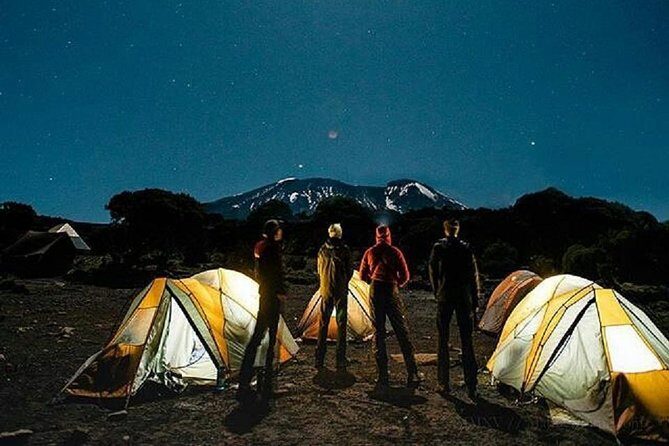
The overall duration is listed at about 12 hours 30 minutes. That’s a big chunk of time, and it includes the full flow: pickup, park gate briefing, the hike up, and the rest of the day afterward. Even if the hike portion doesn’t feel like a marathon, you’re still committing to a long day where fatigue builds.
The schedule shows a start time of 12:00 am. That can sound alarming until you remember early starts are common in Kilimanjaro planning. The real takeaway is this: be ready for a very early begin, and keep your expectations realistic. You’re doing a full-day climb, not a quick nature walk.
Your best move is to prepare for a long push. I’d treat it like you’re hiking through a demanding workday: layers for changing temperatures, a calm pace, and frequent small check-ins with how you’re breathing. In places where the guide prompts you to slow down, take them seriously. On a one-day climb, pacing is everything.
Guides, communication, and why service quality matters on Kili
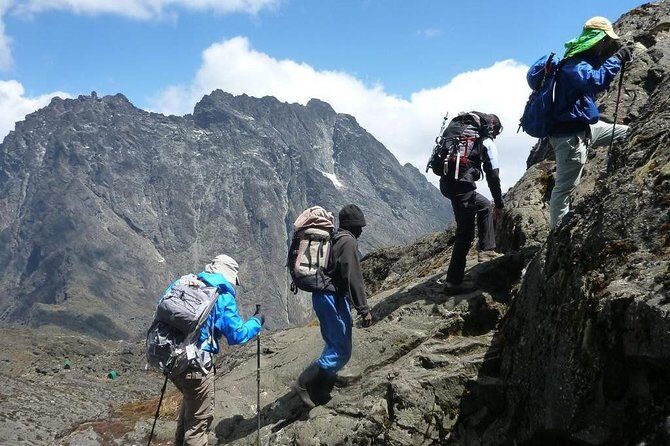
Service quality on Kilimanjaro isn’t a luxury—it’s the difference between a smooth day and a stressful one. People often focus on views, but the day runs on guide leadership and clear communication.
From what’s been described, communication is handled in a straightforward way through WhatsApp with the owner (Mohamed). That kind of direct contact can help you align expectations before the day starts, especially if you’re coordinating pickup timing or making sure you know where you’ll be met.
The guiding also gets real credit. Guides like Oscar, John, and Lucas are mentioned for giving lots of information and keeping the day professionally arranged. That’s exactly what you want on a day hike: a guide who can explain what you’re looking at, help you keep a steady pace, and keep the group organized from gate to hut.
There’s also an element of flexibility in how the day can feel. One person noted they asked for customization because one member wanted to climb high and longer, and the team handled the request. You shouldn’t assume big changes to the plan, but it suggests the guides listen to your group needs instead of just running a robot schedule.
Price and value: what $250.77 really buys you
At $250.77 per person, this isn’t a budget “walk in the park.” But it’s also not an inflated summit-expedition price, because you’re not committing to multiple days, night camps, or complex logistics. The value comes from what’s included and how it reduces your hassle.
What you get included:
- Pickup in a 7-seat 4×4 from your hotel area
- Guided hike with live English commentary
- Picnic lunch
- Admission ticket included
- Private tour setup (only your group)
What you don’t get:
- Beverages
When you add it up, you’re paying for a guided, organized day in Kilimanjaro National Park with transportation and entry costs handled. For many people, that’s the difference between a “good idea” and an actual day you complete without chaos.
If you’re comparing options, treat it like a total-day package rather than a “price per hour” deal. If the guidance is strong and you don’t have to coordinate tickets, transport, and timing yourself, the price can make sense fast.
Who should choose this 1-day Marangu climb
This experience fits best if you want:
- A real Kilimanjaro experience without summit pressure
- A guided day hike with learning built in
- A private feel with a compact vehicle ride
It’s listed as suitable for most people, which helps, but you should still be honest about effort. You’re hiking up from around the park area to 9,022 ft and spending the day in motion. If you’re new to hiking or you get winded easily, plan to take it slow and listen to your guide.
You’ll also appreciate it if you want geology context. Knowing why Mawenzi and Shira are extinct, and being able to identify Kibo in the views, makes the whole day more satisfying.
Should you book the Marangu day hike?
If your goal is to experience Kilimanjaro in one day with strong guidance, included lunch, and the key peak views of Kibo, Mawenzi, and Shira, I think this is a smart choice. It’s long, but it’s structured—and that structure is what makes one-day climbing feel achievable.
I’d book it if you:
- Want a guided hike up to Mandara Hut instead of a summit attempt
- Prefer a private setup and English commentary
- Appreciate hassle-free logistics like pickup and park entry handled
I’d think twice if you:
- Know you’re sensitive to early starts and long days
- Don’t want to plan hydration yourself since beverages aren’t included
FAQ
What route does the 1-day Kilimanjaro hike use?
It follows the Marangu Route, with a guided trek through the forest up to Mandara Hut.
How long is the experience?
The duration is approximately 12 hours 30 minutes.
Where does the hike take you on the mountain?
You hike up to Mandara Hut at 9,022 feet (2,750 m).
Is pickup included?
Yes. Pickup is offered from your hotel area in a 7-seat 4×4 safari vehicle.
Is the park admission ticket included?
Yes. Admission ticket is included as part of the experience.
Is lunch included?
Yes. A picnic lunch is included.
Are beverages included?
No. Beverages are not included.
Is this a private tour?
Yes. It’s a private tour/activity, and only your group participates.