REVIEW · TANZANIA
Arusha: Coffee Plantation Tour with Tasting and Hands-On …
Book on GetYourGuide →Operated by ARUSHA TOWN TOUR · Bookable on GetYourGuide
Coffee grows nearby, and you can taste the proof. That’s what makes this Arusha coffee plantation tour such a satisfying change of pace: you learn the coffee process from bean to brew, and you actually get to participate. I especially like how it combines hands-on work with a guided tasting so the steps don’t stay theoretical.
Two things I really value: you’re taught by local farmers who explain what happens after picking, and you finish with a tasting session that focuses on roast profiles and flavor nuance. The only real drawback to plan around is transportation—getting to the farm isn’t included, so you’ll want a ride arranged ahead of time if you’re not booking a pickup.
In This Review
- Key highlights you’ll actually use
- From the Clock Tower to coffee country in about 3.5 hours
- Walking the coffee plantation: what you’ll see and why it matters
- Hands-on processing: picking, pulping, drying, roasting (without the mystique)
- The tasting session: learning roast profiles you can actually notice
- Optional hills and waterfalls hike: a good add-on if your body’s ready
- Who’s this coffee tour best for (and who should skip)?
- Price and value: is $60 per person worth it?
- What to bring so you enjoy the walk (not just survive it)
- Meet Maximilian or Oliver? The guide can make or break the vibe
- Should you book the Arusha coffee plantation tour?
- FAQ
- How long is the Arusha coffee plantation tour?
- Where do I meet for the tour?
- Is transportation to and from the coffee farm included?
- What’s included in the tour price?
- Do I get to participate in the coffee-making process?
- Will I be able to taste different roasts?
- Is the hike to hills and waterfalls included?
- What should I bring for the tour?
- Is the tour suitable for wheelchair users or babies?
- Is the tour guide available in English?
Key highlights you’ll actually use
- Clock Tower meetup in central Arusha: easy to find, and your guide will be holding a sign near the base.
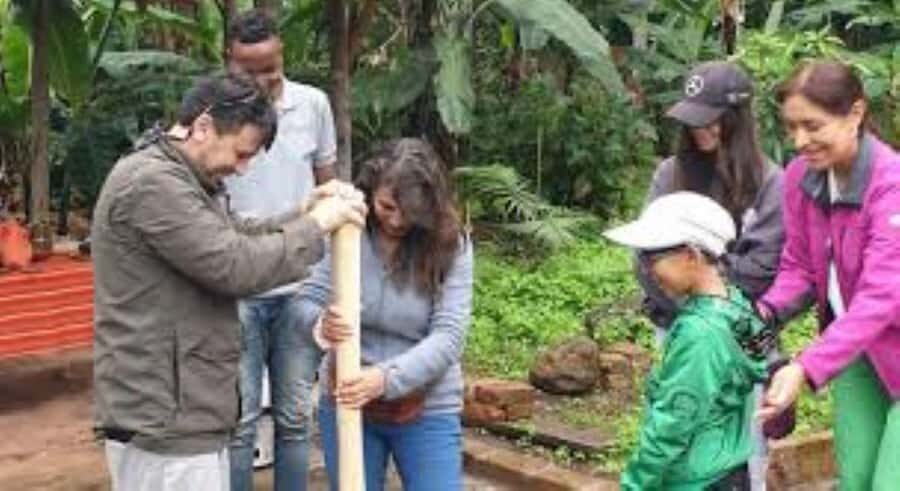
- Hands-on coffee processing experience: you’ll get involved in the steps from cherry to prepared beans.
- Tasting session with different roast profiles: you’ll learn how roasts shift flavor, not just which cups are better.
- Local farmer stories in plain English: this is where the plantation feels real, not staged.
- Optional hike to hills and waterfalls: choose extra scenery if your legs and weather agree.
From the Clock Tower to coffee country in about 3.5 hours
Most people want Arusha to feel efficient, and this tour fits that rhythm. You start at the Clock Tower in central Arusha, then head out to the plantation area for about 3–4 hours of walking, learning, and tasting.
I like the timing because you’re not committing to a full day. It’s long enough to understand the flow of coffee production, but short enough that you can still plan dinner and other Arusha highlights afterward.
One practical note: the tour includes the guiding and tasting, but transportation to and from the farm isn’t included unless you arrange pickup. If you’re staying outside the center, figure out your ride early so you don’t lose time to last-minute taxi hunting.
You can also read our reviews of more tours and experiences in Tanzania.

Walking the coffee plantation: what you’ll see and why it matters
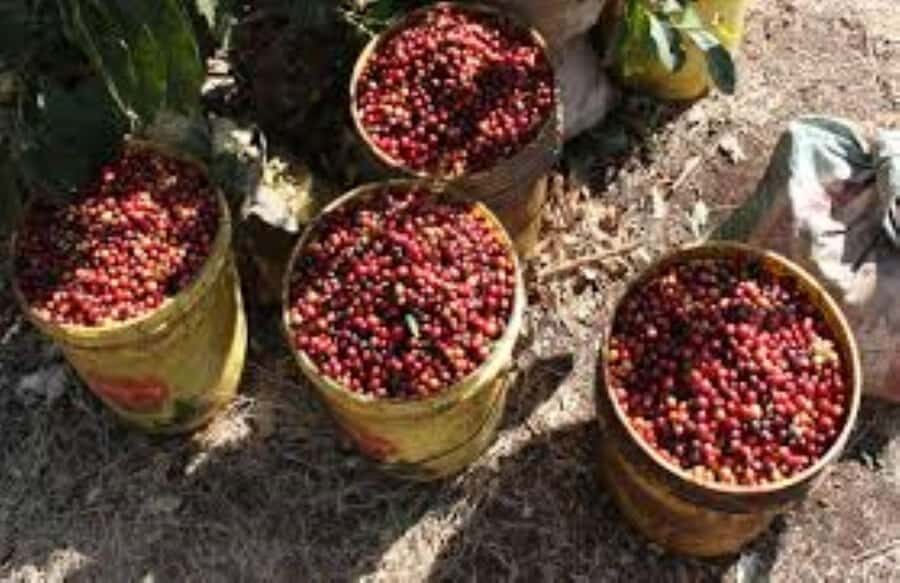
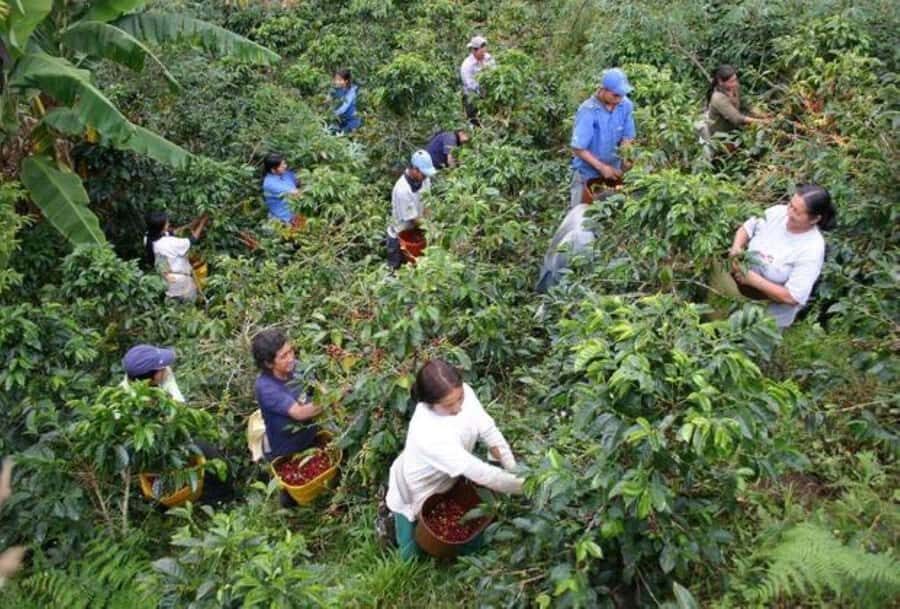
Once you’re on the grounds, expect a walk through a real coffee plantation—green plants, coffee trees, and the kind of farm setting that makes the process feel connected to the land. The tour is built around both views and education, so you’re not stuck standing in one spot while someone explains slides.
What you’re really training your eye for is the relationship between the growing stage and the cup you’ll taste later. Coffee starts as cherries, and those cherries drive every choice after harvest: how the beans are processed, how they dry, and what the final roast is able to emphasize.
You’ll also get scenic views along the way, which is a nice perk in a place where the scenery can change fast. If you’re taking photos, you’ll want to keep your camera handy early, because the best photo moments tend to come when you first arrive and the group is still moving smoothly.
Hands-on processing: picking, pulping, drying, roasting (without the mystique)
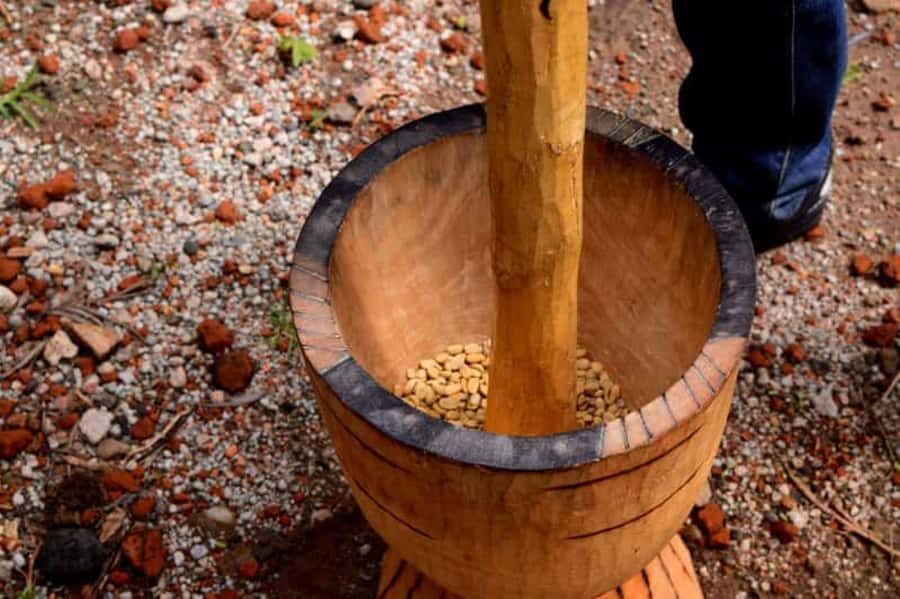
This is the part people tend to love most, because it turns coffee into a real, physical process. You’ll get taught by local farmers and also take part in a hands-on coffee processing experience, with the key stages laid out clearly.
From what you’ll cover, the sequence usually looks like:
- Picking fresh coffee cherries
- Pulping the cherries to separate the bean material
- Drying the processed beans
- Roasting the beans (or seeing roasting described alongside the production steps)
I like how this structure helps you understand why coffee can taste so different even when it’s the same general crop. Drying affects development. Processing affects how flavors come through. Roasting then decides how far you push those natural characteristics toward lighter aromatics or deeper, darker notes.
A useful detail: the tour isn’t trying to make you a professional roaster. It’s aimed at giving you enough context to taste with your brain turned on. That’s what makes the tasting session feel like part two of the same lesson, not a separate event.
The tasting session: learning roast profiles you can actually notice
After the processing portion, you’ll shift into a coffee tasting session where the focus is on aroma, flavor, and roast profiles. This is where you start connecting the earlier steps to what ends up in your cup.
The tasting is designed to help you notice differences, not just pick your favorite quickly. You’ll learn a bit of how to taste—what to pay attention to—and then compare the resulting cups from different roast styles.
One small but meaningful way this tour helps: you’ll be encouraged to slow down and pay attention to smell first, then flavor. Coffee tasting gets easier when you treat it like a sensory checklist rather than a guessing game.
And yes, you might find Arabica mentioned or even included in the tasting lineup. One past participant specifically called out Arabica in their experience, which suggests at least that it may come up during the session, depending on what’s available.
Also, plan your expectations: this isn’t a silent cupping lab with strict scoring sheets. It’s more friendly and practical, with explanations tied to what you’re drinking right now.
Optional hills and waterfalls hike: a good add-on if your body’s ready
If you want extra scenery, there’s an optional hike in the surrounding hills and toward waterfalls. This is the kind of bonus that can turn a straightforward coffee morning into a more complete nature break—especially if the weather is clear.
Here’s what I’d consider before saying yes:
- You’ll be walking on farm terrain plus any scenic paths outside.
- The tour already includes farm walking, so the hike is best for you if you’re comfortable with a longer stretch.
- If you have back issues, this is not the kind of add-on you want to gamble on—this tour is listed as not suitable for people with back problems.
If you do choose the hike, bring extra patience. Group pacing matters, and optional hikes can slow down the whole experience just a bit.
A few more Tanzania tours and experiences worth a look
Who’s this coffee tour best for (and who should skip)?
This tour is ideal if you’re a coffee enthusiast or a nature lover who also likes cultural context. It’s also a strong pick if you’re curious about Tanzanian traditions and want a real conversation with farmers, not just a polished explanation.
It also suits you if you learn best by doing. The hands-on processing portion means you’re not only listening—you’re involved, which makes it easier to remember what influences flavor.
Who should skip:
- Wheelchair users (not suitable)
- Babies under 1 year
- People with back problems (not suitable)
If you fall into the “able-bodied but cautious” category—say, you get sore feet easily—wear sturdy shoes and treat the walking as part of the deal, not an optional extra.
Price and value: is $60 per person worth it?
At $60 per person for about 3.5 hours, the value depends on what you care about.
For me, the best part of the price is what it includes: a guided tour by a local expert, hands-on processing, a coffee tasting session, plus refreshments and snacks. That’s a lot for a half-day experience, especially in a way that gives you practical knowledge you can carry to the next café you visit.
The one cost caveat is transportation. If pickup isn’t included for your schedule or you’re staying far from the center, you may need to budget extra for getting to the farm. On the flip side, if you’re already based near central Arusha or can arrange an easy pickup, the $60 feels more like a fair package.
Language is another quiet value point: the tour is run in English, with a live guide, so you’ll be able to ask questions and get real explanations on the spot.
What to bring so you enjoy the walk (not just survive it)
This tour is farm-based, so pack like you’re going somewhere practical, not like you’re attending a museum.
Bring:
- Comfortable shoes you don’t mind getting dusty or worn in
- A hat for sun protection
- Sunscreen
- Water
- A camera if you enjoy plantation views
Wear comfortable clothing you can move in, especially if you choose the optional hike.
One rule to note: no smoking during the tour.
Meet Maximilian or Oliver? The guide can make or break the vibe
A big reason people rate this tour highly is the way the guides explain coffee in an approachable way. Names that have shown up for this experience include Maximilian and Oliver.
If you’re lucky enough to get Maximilian, expect an upbeat, engaging style. If Oliver is guiding, you can expect clear explanations of how coffee is made from the tree to the cup, plus the kind of commentary that helps you connect what you see to what you taste.
Either way, the common thread is that your questions should feel welcome, because the tour is built around talking through each step rather than rushing past it.
Should you book the Arusha coffee plantation tour?
I’d book it if you want more than a scenic coffee stop. This is a hands-on Arusha coffee plantation tour that teaches the process—picking, pulping, drying, roasting—then lets you prove what you learned through a tasting session.
Don’t book it if you can’t handle farm walking or if your mobility is limited, because it’s not suitable for wheelchair users and it’s also listed as not suitable for people with back problems.
And if you’re short on time but still want something real: the 3.5-hour length is a sweet spot. Just make sure you’ve solved the transportation question to the farm before you arrive in Arusha.
FAQ
How long is the Arusha coffee plantation tour?
The tour lasts about 3.5 hours, and it’s listed as typically within the 3–4 hour range.
Where do I meet for the tour?
You meet in central Arusha at the Clock Tower. Look for the guide holding a sign near the tower’s base.
Is transportation to and from the coffee farm included?
No. Transportation to and from the farm is not included, though pickups from central Arusha hotels may be offered with details provided after booking.
What’s included in the tour price?
The tour includes a guided tour by a local expert, a hands-on coffee processing experience, a coffee tasting session, and refreshments and snacks.
Do I get to participate in the coffee-making process?
Yes. You’ll have a hands-on coffee processing experience guided by local farmers, covering steps from picking cherries through processing and roasting.
Will I be able to taste different roasts?
Yes. There’s a tasting session where you’ll enjoy different roast profiles and learn about the nuances.
Is the hike to hills and waterfalls included?
The hike is optional. You can choose whether to explore the surrounding hills and waterfalls.
What should I bring for the tour?
Bring comfortable shoes, a hat, sunscreen, water, and a camera if you want photos.
Is the tour suitable for wheelchair users or babies?
No. The tour is not suitable for wheelchair users, and it’s not suitable for babies under 1 year. It’s also listed as not suitable for people with back problems.
Is the tour guide available in English?
Yes. The tour includes a live English-speaking guide.