REVIEW · ARUSHA
12 Days Amazing Tanzania Wildlife and Cultural Experience
Book on Viator →Operated by Simba Adventures · Bookable on Viator
One phrase says it best: your schedule actually works. This 12-day Tanzania safari blends big park wildlife with on-the-ground culture in places like Lake Eyasi and Mto wa Mbu, so you’re not just chasing animals on a loop. I especially like the daily 4×4 game drives with an open roof for better sightings and photos, and I also like that the tour includes meaningful cultural stops with the Hadzabe and Datoga. One possible drawback: long driving days and full safari days add up, so it helps to be comfortable with early starts and plenty of time in the vehicle.
The whole thing is built for smooth logistics, and that matters in East Africa. Simba Adventures runs with a tight flow—people have praised how well the team coordinated transfers and guides, and one guide name that comes up is Isaack, who was ready at KIA for a clean handoff to the trip. Still, remember the price is premium, and extra costs like drinks and tipping are on you.
In This Review
- Key things I’d zero in on
- Arusha start: getting your bearings in town
- Arusha National Park: your warm-up safari day
- Tarangire National Park: elephants show up early
- Lake Eyasi: culture you can actually talk to
- Serengeti National Park: the big stage, structured well
- Ngorongoro Crater: big sightings from one floor
- Lake Manyara: classic park contrasts
- The safari vehicle and game-drive rhythm
- Where the money goes: price and what you get
- Guides and organization: what “clockwork” feels like
- Practical drawbacks to weigh before you book
- Who this tour fits best
- Should you book this Tanzania wildlife and cultural circuit?
- FAQ
- Where does the tour start and end?
- What time does the safari start?
- Is this a private tour?
- Are airport transfers included?
- What parks are included?
- Are meals included?
- Are drinks included?
- Is tipping included?
- How does confirmation work after booking?
- What is the cancellation window?
Key things I’d zero in on
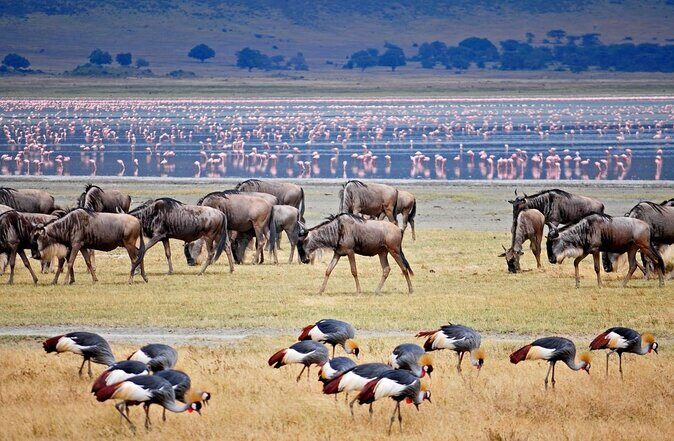
- Open-roof 4×4 game drives: more visibility than you get in closed vehicles, especially for side-view sightings
- A classic northern circuit: Tarangire, Serengeti, Ngorongoro, Lake Manyara in one itinerary
- Lake Eyasi culture time: Hadzabe bush activities plus Datoga and blacksmith eco-cultural experiences
- Mto wa Mbu village interaction: a half-day local-life look tied to Lake Manyara
- Private, group-only touring: you’re not sharing the experience with strangers
Arusha start: getting your bearings in town
Day 1 is all about arriving and settling in around Arusha. You’ll meet at the airport, then head into the city, with optional add-ons like a city tour, Maasai craft market, Tanzanite museum time, or a local market stop.
This is a smart setup. After a flight, you need an easy landing day before the safari grind. It also gives you a chance to pick up small essentials you’ll want later—things like a few extra snacks, sunscreen, and whatever personal comfort items you like for long days in the vehicle.
A few more Arusha tours and experiences worth a look


Arusha National Park: your warm-up safari day
On Day 2, you drive to Arusha National Park for a game drive with the option of walking and canoe safari. The pickup is scheduled from your hotel at 08:30, and you’re out for about 7 hours.
Arusha NP is a good warm-up for two reasons. First, it helps you learn the rhythm of spotting—scan, pause, listen, then react fast. Second, it’s a “less intense” start compared to the bigger parks, so you get momentum without feeling like you jumped straight into a marathon.
Tarangire National Park: elephants show up early
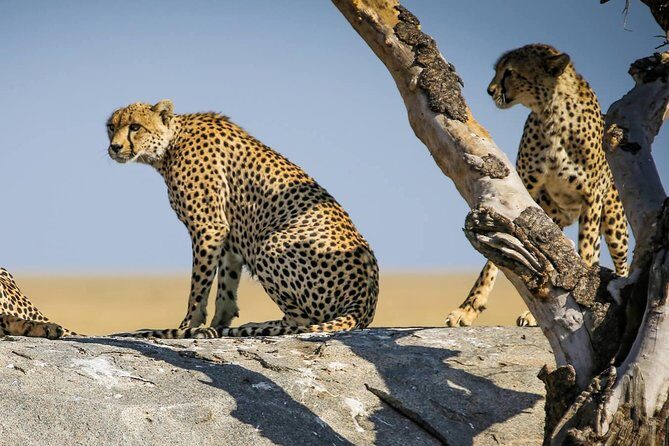
Tarangire is where the itinerary gets real. Day 3 is an afternoon and sunset game drive, while Day 4 is a full day in the park. Both days keep you focused on wildlife viewing, and the goal here is simple: find the elephants, plus the other classic northern species that share the park.
On Day 5, you do an early morning game drive and then leave Tarangire for an overnight at Lake Eyasi. Splitting Tarangire into different time blocks is practical. Mornings and late afternoons often feel more active for sightings, and it also means you’re not stuck in one light the whole day.
Lake Eyasi: culture you can actually talk to
Day 6 is the cultural centerpiece: a full day at Lake Eyasi focused on the Hadzabe and neighboring communities. You’ll explore bush life through activities related to hunting, plus Datoga and blacksmith eco-cultural activities.
This is the part of the trip that changes your perspective. It’s not just “watching people from a distance.” You get a chance to interact and learn about daily ways of life. That said, it’s also worth going in with patience and respect. Cultural encounters aren’t a zoo show; they run on local time and real people leading the process.
If your group wants a deeper Tanzania experience beyond safari photos, Lake Eyasi is the strongest match on this route.
Serengeti National Park: the big stage, structured well
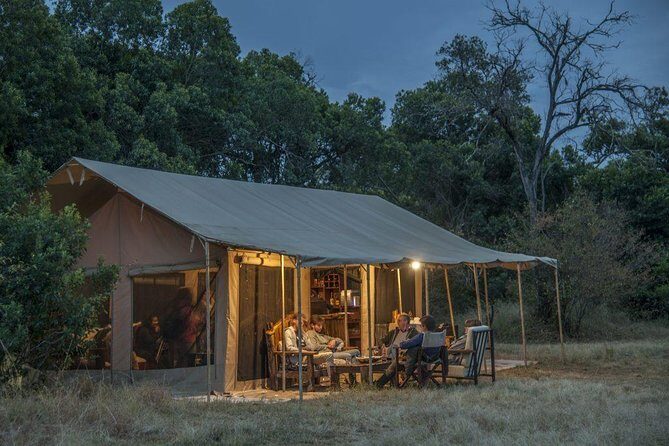
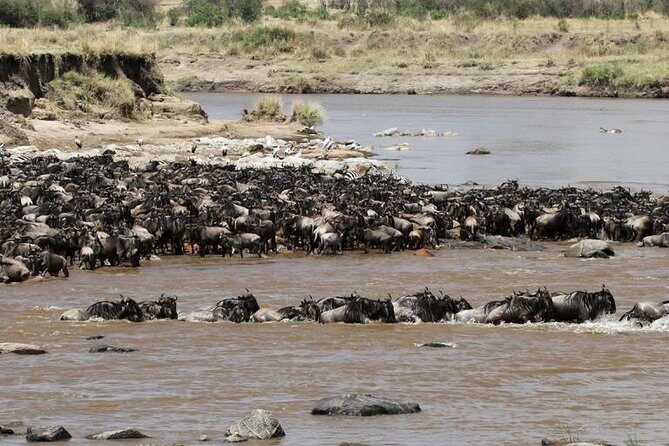
Days 7, 8, and 9 are Serengeti, with two full driving days sandwiched around travel timing. Day 7 is an afternoon and sunset game drive, Day 8 is a full day, and Day 9 starts with a half day before moving onward toward Ngorongoro for the night.
This structure is smart for first-timers. A sunset session helps you “get it” quickly—how quickly the animals move, how quickly the grasslands open up views, and how the game-driving pace feels. Then Day 8 gives you the time you need for longer searches and the chances that can’t be scheduled on paper.
If you care about seeing as much as possible, Serengeti is the day-and-a-half you’ll remember. You’re spending multiple blocks here, so you’re not relying on a single miracle hour.





Ngorongoro Crater: big sightings from one floor
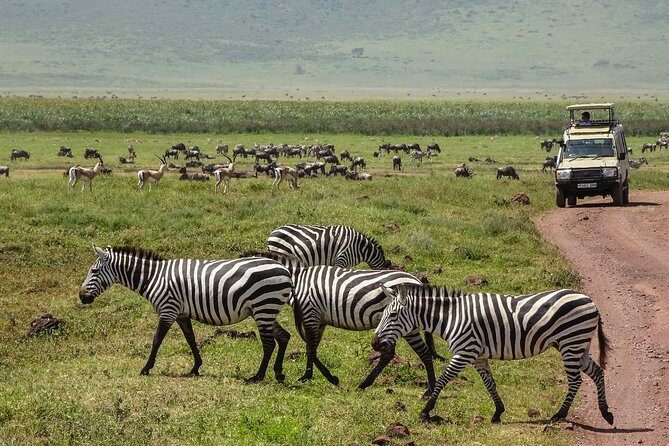
Day 10 shifts you into Ngorongoro Crater after an early breakfast. You’ll be on the crater floor for around 6 hours of game driving, then after lunch you’ll drive to Karatu for overnight.
Crater drives tend to feel different from open plains. You often get more concentrated sightings because of the terrain and where animals choose to feed and rest. It’s also a long enough block that you shouldn’t feel rushed—use the time wisely by scanning methodically and letting your guide’s expertise do its job.
Lake Manyara: classic park contrasts
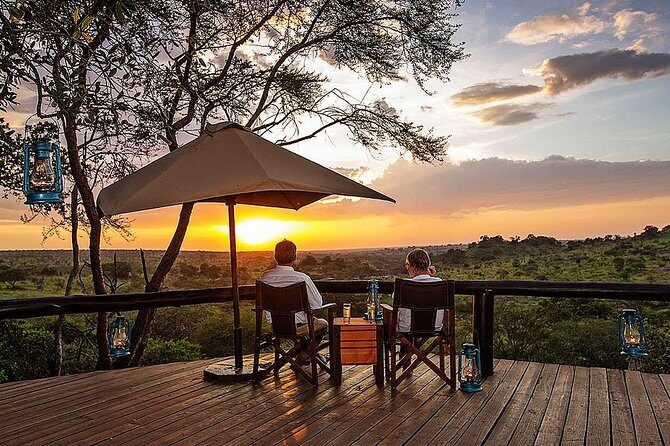
Day 11 is a full day game drive at Lake Manyara. Lake Manyara is known for its variety and for moments that feel almost sudden—one turn and you’re in a new scene.
Day 12 follows a different pace. After breakfast, you go toward Lake Manyara for a half-day cultural tour in the village of Mto wa Mbu. You’ll interact with local people and learn about daily life and history, then you drive back to Arusha town.
This is a nice final reset. You get a last safari day, then you close with community time before heading back, so you’re not finishing the trip feeling like you’re still “in vehicle mode.”
The safari vehicle and game-drive rhythm
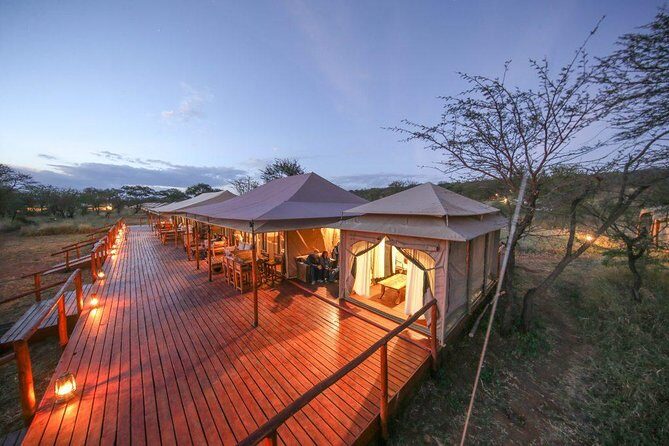
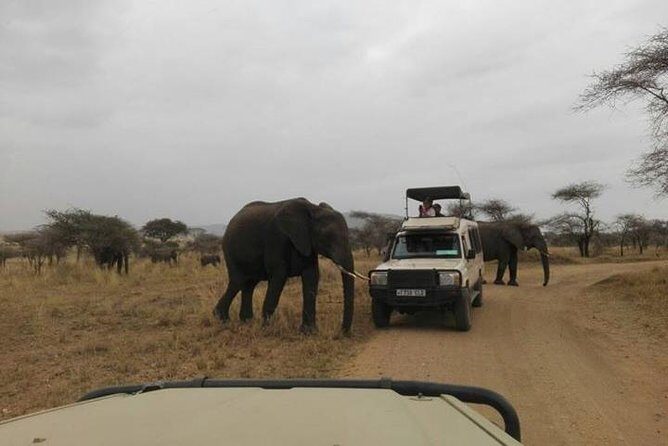
A big selling point here is the 4×4 safari vehicle with an open rooftop for wildlife viewing. That matters more than people think. With an open roof, you’re less boxed in by glass reflections and you can get a steadier view for spotting and photographing.
In practical terms, it also means you’ll want to be ready for sun, dust, and the feel of being outside for long periods. Pack for comfort, not just for the day you’re on the move. Your guide’s ability to find animals will matter, but your comfort level affects how much you enjoy the hunt.
Where the money goes: price and what you get
At $8,660 per person for about 12 days, this sits in the higher-end safari category. The upside is that the tour includes a lot of the “always annoying” parts: all fees and taxes, all accommodation, airport transfers, and all meals listed as breakfast (11), lunch (11), and dinner (10).
You should still budget for the extras that aren’t included: beverages and tipping. That doesn’t make it bad value, but it does mean you should plan for it so there are no surprises late in the trip.
If you’re comparing operators, focus on what’s included end-to-end. When transfers, meals, park-related fees, and lodging are handled, you spend more energy enjoying the parks instead of doing paperwork and last-minute logistics.
Guides and organization: what “clockwork” feels like
The strongest praise from previous trips is about smooth running. People have credited the crew for keeping everything tight from booking through transfers, and they’ve highlighted how a guide can go beyond the basics to keep the experience flowing.
One guide name that comes up is Isaack, described as waiting for the group at KIA and handling the first steps smoothly. That kind of real-world reliability matters, especially when you’re coordinating airport arrival, hotel handoff, and then jumping into early pickups the next day.
Because this is a private tour, your timing and pace are easier to manage. You’re not competing with other groups for guide attention or vehicle positioning, which can make a noticeable difference on long safari days.
Practical drawbacks to weigh before you book
A few things to keep in mind so you’re not caught off guard:
- The days add up. You’ll have multiple full or half day drives, plus travel between regions and overnights.
- Meals are included, but drinks are not. If your group tends to buy water, soda, or other beverages frequently, that cost can creep up.
- Your experience will depend on wildlife opportunities. Even with top parks and good guides, nature doesn’t schedule itself.
That said, the itinerary’s balance—Tarangire plus Serengeti plus Ngorongoro plus Lake Manyara, then cultural stops—gives you multiple ways to succeed. Even if one day’s sightings are quieter, another park block can compensate.
Who this tour fits best
This one is a strong match if you want:
- A classic northern Tanzania route with multiple parks rather than a rushed “one park only” safari
- Cultural encounters that are more than a quick photo stop (Lake Eyasi and Mto wa Mbu are central)
- Private-group comfort and pickup/transfer support
- The style of game driving that benefits from an open-roof view
Families can work well here, especially if everyone is good with long days and vehicle time. If your group is highly sensitive to motion or very early starts, you’ll want to plan comfort items carefully.
Should you book this Tanzania wildlife and cultural circuit?
If you want a safari that mixes wildlife and real community interaction without making you juggle logistics, this is a solid choice. The included accommodation, park fees, and most meals take a big chunk of planning pressure off your shoulders, and the open-roof vehicle style helps you actually see what you came for.
I’d book it if your priority is a well-paced northern circuit with multiple chances for wildlife, plus cultural depth at Lake Eyasi and Mto wa Mbu. I’d hesitate only if you’re trying to keep costs ultra-low or you know your group won’t handle long driving days comfortably.
FAQ
Where does the tour start and end?
It starts in the Arusha Region, Tanzania, and ends back at the same meeting point in Arusha.
What time does the safari start?
The start time is listed as 8:30 am.
Is this a private tour?
Yes. It’s a private tour/activity, and only your group participates.
Are airport transfers included?
Yes. Airport transfers are included.
What parks are included?
You’ll visit Arusha National Park, Tarangire National Park, Lake Manyara National Park, Serengeti National Park, Ngorongoro Crater, and Lake Eyasi.
Are meals included?
Yes. Breakfast (11), lunch (11), and dinner (10) are included.
Are drinks included?
No. Beverage drinks are not included.
Is tipping included?
No. Tipping is not included.
How does confirmation work after booking?
Confirmation will be received after 48 hours, and early confirmation is required to secure the booking.
What is the cancellation window?
Free cancellation is allowed. You can cancel up to 24 hours in advance for a full refund. If you cancel less than 24 hours before the start time, the amount paid is not refunded.