REVIEW · ARUSHA
Private Walking Tour with Giraffes
Book on Viator →Operated by The Arusha Giraffe Centre · Bookable on Viator
Giraffes at arm’s length, with a conservation lesson. This private walking giraffe safari outside Arusha pairs real animal time with a guided education center visit, so you’re not just snapping photos—you’re learning why this sanctuary matters. I love that it’s truly private, so you can ask questions without feeling rushed, and you can choose a morning or afternoon slot.
Two things I especially liked: the center’s focus on the bigger picture (wildlife, environment, and community) and the chance to experience up-close walking with giraffes in a calm, respectful setting. If you get a guide like Jerome or Nic (names that come up in guest comments), you’re likely to get clear, passionate answers instead of a rehearsed script.
One consideration before you book: this is a walking experience, and they note moderate physical fitness is best. Also, the encounter is weather-dependent, so if conditions are poor you may need to swap dates or get a refund.
In This Review
- Quick take: what you’re paying for
- Arusha Giraffe Centre: conservation tied to land and livelihoods
- Walking with giraffes: what the close encounter feels like
- Your guide’s role: questions, context, and calm answers
- The schedule: 1 hour 20 minutes that stays focused
- Where you’ll go: the sanctuary visit around Arusha
- What’s included (and what that means for value)
- Who should book this private giraffe walk
- When to go and how to prepare
- Should you book the Arusha giraffe walking tour?
- FAQ
- Where does this tour start?
- How long is the private walking giraffe safari?
- Is this a private tour?
- Can I choose a morning or afternoon time?
- What does the price include?
- Do I need a certain fitness level?
- Is a mobile ticket provided?
- What if the weather is bad?
- Is confirmation provided when I book?
- What is the cancellation policy?
Quick take: what you’re paying for
- A private walking safari at Arusha Giraffe Centre, not a big group shuffle
- Eco-Ag explained as the practical solution connecting farming, land health, and giraffe habitat
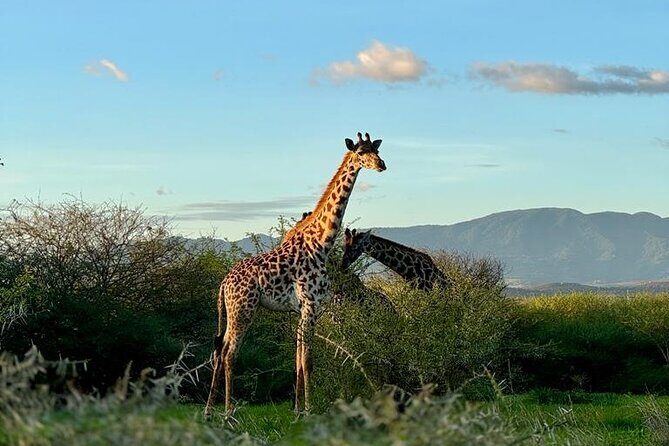
- Giraffes at very close range in a controlled, educational setting (some reviews describe being just a few feet away)
- A guided education center visit with admission included as part of the experience
- Ask-anything guide time, with staff/owners who share their work and purpose in plain language
- Weather matters, since the activity requires good conditions
Arusha Giraffe Centre: conservation tied to land and livelihoods
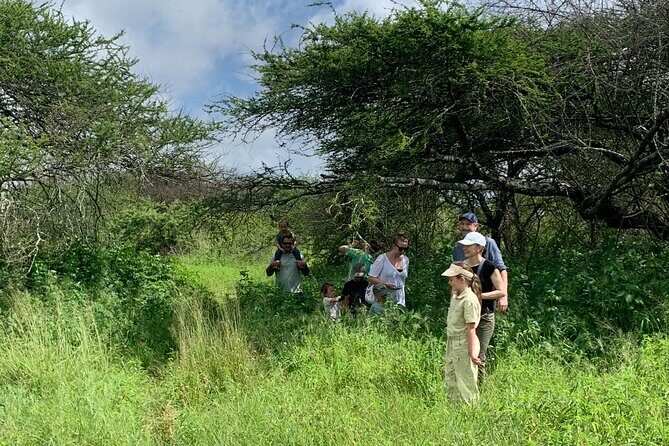
This tour is built around the Arusha Giraffe Centre, which is more than a place to see animals. The guided education portion is designed to help you connect the dots between wildlife, the environment, and the people who live nearby.
During the center visit, your guide walks you through what they’ve observed and how those observations affect wildlife, environment, and community. Then they explain their solution called Eco-Ag—a sustainability approach that links land regeneration and agriculture to giraffe-friendly habitat. It’s the kind of explanation that makes the giraffe story feel grounded, not distant.
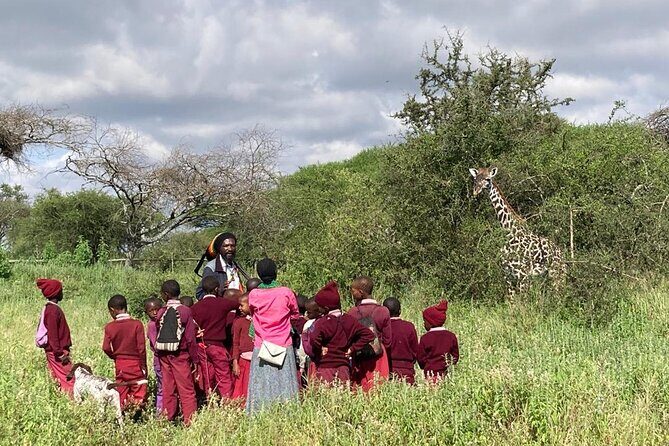
One of the most thoughtful details is the attention to long-term thinking. Some visitors highlight that the project’s educational focus includes local children, since they’re the future decision-makers. If you like conservation that tackles causes (not just symptoms), this center will feel purposeful.
You can also read our reviews of more walking tours in Arusha

Walking with giraffes: what the close encounter feels like
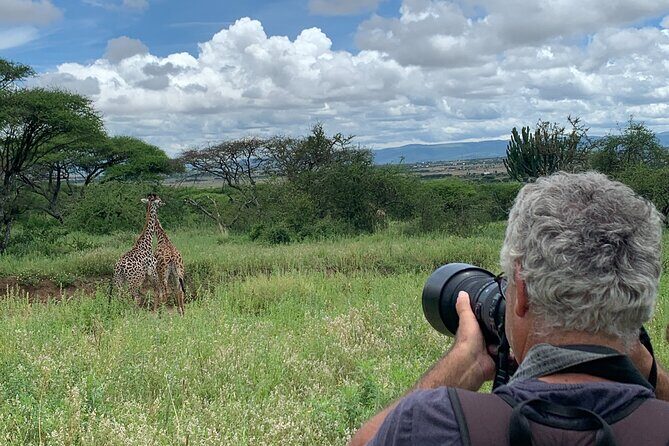
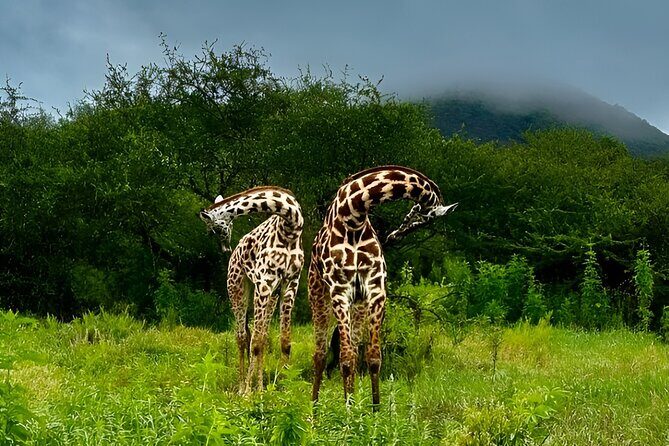
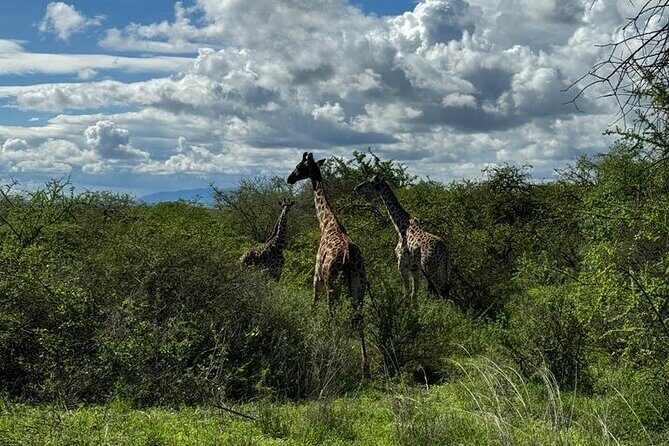
The headline here is simple: a walking giraffe safari in the sanctuary setting. This isn’t a chaotic feed-and-run. The experience is presented as a respectful way to see giraffes close by while you learn what makes this population and habitat worth protecting.
In guest comments, people describe staying very close—one mentions walking with giraffes about five feet away. Another notes the giraffes were not fierce, which matches the overall tone of the center: calm, controlled encounters with lots of guidance from staff.
What’s also striking is how the sanctuary frames the giraffes’ situation. Several reviews describe the giraffes as being prepared for life beyond the farm, with care and patience. Whether you’re a first-time visitor or you’ve done other wildlife experiences in Tanzania, it helps you understand that this is a conservation effort, not a one-off show.
Practical reality: you’ll spend time walking where the guides tell you to walk, and you’ll follow their pace and safety instructions. You’ll likely be outside long enough to feel the weather, so dress like you expect sun and shade swings.
Your guide’s role: questions, context, and calm answers
This is a private tour, so the guide isn’t managing a crowd. That changes everything. If you want to ask, you can ask—about giraffe behavior, why habitat loss matters, how local agriculture connects to wildlife, or what the project is doing day to day.
In the reviews, guide backgrounds come through clearly. People mention meeting staff who previously worked as teachers or studied wildlife, and that shows in the way they explain. Names like Jerome and Nic appear in guest comments, and there are also owners/operators named Nick, Natalie, and Nate that visitors describe meeting and learning from.
If you’re the type who likes to understand the why behind the wow, you’ll probably enjoy how the guides tie observations to action. Instead of only describing giraffes as amazing animals, they explain what humans changed and what the sanctuary is doing about it.
The schedule: 1 hour 20 minutes that stays focused
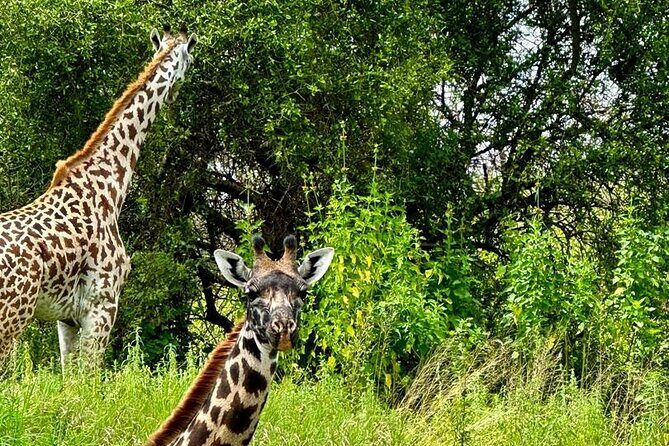
The total time is about 1 hour 20 minutes, and the centerpiece is a guided tour through the education center. One listed stop runs about 1 hour 15 minutes, with admission included.
That means you should expect a format that’s mostly guided learning, followed by time for the walking giraffe experience with staff. For many people, that’s the sweet spot: you get enough explanation to feel like you’re part of the project’s message, but you still spend meaningful time with the animals.
You can choose a morning or afternoon tour, which is a smart option in Arusha. The light, the temperature, and the day’s energy can vary a lot, and picking the slot that matches your safari schedule helps.
A small bonus: one review specifically calls out how the area can be especially green during rainy season. If you travel in that period and you’re trying to decide between activities, the setting can add extra visual comfort.
Where you’ll go: the sanctuary visit around Arusha
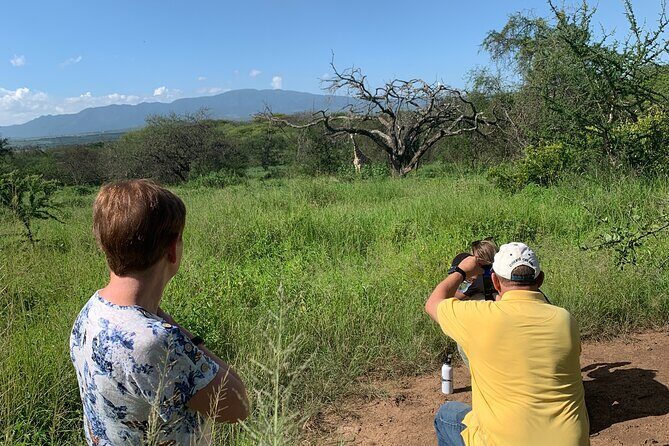
The tour starts and ends at Arusha Giraffe Centre on 21 Giraffe Centre Road, Moita, Tanzania. The meeting point is the center itself, so you’re not dealing with mystery pickup zones or complicated transfer plans.
Expect an “off the beaten path” feel, even if it’s close to Arusha compared with far-flung parks. One visitor even mentioned that the road to the center can surprise you and joked it’s all-terrain. Translation: if you’re prone to feeling carsick on bumpy roads, plan accordingly and don’t wear your most delicate shoes.
Also, you’ll be walking outside, so you’ll want footwear with traction. You don’t need fancy hiking boots, but you do want something stable for uneven ground and short stretches where the pace can change quickly.
You can also read our reviews of more private tours in Arusha





What’s included (and what that means for value)
The price is $55 per person, and the experience includes the admission ticket to the education center as part of the visit. Since it’s private, that matters.
Here’s how I think about the value. You’re not only paying for access to giraffes. You’re paying for guided time that explains Eco-Ag, the wildlife-environment-community link, and the regeneration goals behind the sanctuary. Then you get the private walking safari experience itself, with your group only.
Many people come from Arusha with a tight schedule and hope to pack in one meaningful conservation stop. At this price point, this tour is less about building a long itinerary and more about getting a high-impact, close-up wildlife experience with education that doesn’t feel like a quick lecture.
Booking value also improves when you travel as a small group or as a family. Since it’s private, you can move at your pace and ask questions that help kids (and adults) understand why this place exists.
Who should book this private giraffe walk
This tour fits best if you want giraffes without the circus feel. If you’re the kind of person who enjoys learning while you’re doing the thing—walking, looking, listening—this will click.
It’s also a good choice for:
- Families who want a kid-friendly conservation story with animals very close by
- People who want a break from crowded group tours and prefer quieter, guided time
- Conservation-minded travelers who like practical sustainability explanations like Eco-Ag
Because they ask for moderate physical fitness, it’s not ideal if you’re dealing with mobility limits or expect long, easy walking. That said, they also state that anyone can join, so it’s worth checking your comfort level and planning for a steady walking pace.
When to go and how to prepare
Plan around weather. The activity requires good weather, and if it’s canceled due to poor conditions, you’ll be offered a different date or a full refund.
What to wear:
- Comfortable walking shoes with grip
- Light layers, since Arusha conditions can shift through the day
- Sun protection (hat and sunscreen), even if you’re only out for about 1.5 hours
One extra note from a review: people who passed local communities on the route mentioned bringing small treats to share with children. If you’re thinking of doing something like that, treat it as optional and keep it respectful. The core of the experience is conservation education and a calm approach to wildlife, so don’t let side activities distract from that.
Should you book the Arusha giraffe walking tour?
Yes, you should book it if your goal is a close-up giraffe encounter paired with real education that explains the land and the community side of conservation. The best part isn’t only seeing giraffes—it’s understanding how Eco-Ag links habitat, farming, and regeneration.
Skip it only if you’re expecting a classic big-game safari with lots of species. This experience is about giraffes and the work happening around them. If you want variety for variety’s sake, you may feel focused on just one animal group.
If you’re in Arusha with room for one meaningful half-day option, this private walking giraffe safari is a strong value. You’ll leave knowing more than you knew when you arrived—and you’ll probably remember the feeling of being that close to the tallest animals on Earth.
FAQ
Where does this tour start?
The experience starts at Arusha Giraffe Centre, 21 Giraffe Centre Road, Moita, Tanzania, and it ends back at the same meeting point.
How long is the private walking giraffe safari?
The duration is approximately 1 hour 20 minutes.
Is this a private tour?
Yes. It’s a private tour/activity, and only your group participates.
Can I choose a morning or afternoon time?
Yes, you can choose from a morning or afternoon tour for flexibility.
What does the price include?
Admission to the education center is included as part of the visit, along with the guided experience.
Do I need a certain fitness level?
They recommend a moderate physical fitness level because there is a walking component.
Is a mobile ticket provided?
Yes, it includes a mobile ticket.
What if the weather is bad?
The experience requires good weather. If it’s canceled due to poor weather, you’ll be offered a different date or a full refund.
Is confirmation provided when I book?
Yes, confirmation is received at the time of booking.
What is the cancellation policy?
Free cancellation is available. You can cancel up to 24 hours in advance for a full refund, and cancellations within 24 hours are not refunded.