REVIEW · ARUSHA
6 Days Tanzania Luxury Safari Tour
Book on Viator →Operated by Travel Africa Safari Agency · Bookable on Viator
Six days. Big mammals. Tight planning. I love how this Arusha-based safari stacks up Serengeti game drives with a Ngorongoro Crater day, and keeps things calm with a max group size of five. In the best guide combos (think Aron spotting and Omary keeping the mood light), you spend less time guessing and more time watching.
I also like the very practical pacing: full days in the parks, picnic lunches that keep you from constantly hunting for food, and dinners waiting at well-placed lodges. Plus, the big essentials are handled—park fees and round-trip transfers—so your money goes to the wildlife plan, not admin.
One consideration: the tour is described as luxury, but lodging can range from camping to mid-range or lodge stays. If you want a specific comfort level, you’ll want to confirm the exact accommodation category before booking (it’s the one place expectations can drift).
In This Review
- Key highlights you’ll feel fast
- The Arusha start and the park mix that actually makes sense
- Day 1 at Lake Manyara: a full day to break in your safari routine
- Day 2 at Serengeti: one full day of plains viewing
- Day 3 at Serengeti: early start plus another full day
- Day 4 at Ngorongoro Conservation Area: crater time without the full-day rush
- Day 5: a full Ngorongoro Crater day, then onward toward Tarangire
- Day 6: Tarangire National Park as your final wildlife payoff
- Lodging quality: what “luxury” means in this package
- Getting there and getting around: 7:00 am start and real safari timing
- Money and value: where your $3,923.08 goes
- Guide skills: spotting, jokes, and why it changes your day
- What to pack for comfort (so you can actually enjoy the game drives)
- Who should book this 6-day Tanzania safari?
- Should you book this safari?
- FAQ
- What time does the safari start and where do I meet?
- How many people are in the group?
- Which parks does the safari visit?
- What’s included in the price?
- What is not included?
- Is cancellation free?
Key highlights you’ll feel fast
- Small group of up to 5 people makes game drives feel less crowded and easier to follow.
- Guides with strong spotting skills (names like Aron, Omary, Lucas, David, Joseph come up often) help you catch more action.
- Two Serengeti days gives you morning and later-day viewing chances instead of one rushed visit.
- Ngorongoro Crater access early means more time for the crater’s wildlife viewing rhythm.
- Park fees, transfers, and meals included help the trip feel “paid for and packed in” from day one.
- Arusha meeting point with a clear 7:00 am start keeps logistics simple.
The Arusha start and the park mix that actually makes sense
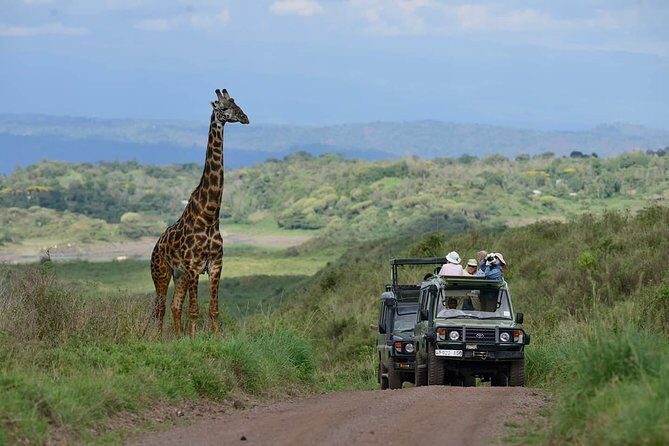
Arusha is a smart launch pad for this circuit. You’re close enough to get into the game parks without losing your whole first day to transfers. From there, the route moves in a way that builds variety fast: Lake Manyara for a warmer intro, Serengeti for the big plains feeling, then Ngorongoro Crater for that dramatic, enclosed wildlife stage, before finishing at Tarangire.
The park order also helps your “wow” factor stay high. Lake Manyara sets the tone with full-day game drive time. Serengeti gets two separate days, including an early start one day and another full day later—so you’re not relying on one single lighting window. Then Ngorongoro gives you a different kind of viewing experience, with the crater’s slopes and floor holding animals in a way that feels very different from open plains.
If you’re chasing the Big Five, this itinerary is built toward that goal. The plan is designed to give you repeated chances in the main wildlife zones where sightings happen. Just keep your expectations flexible: Tanzania wildlife is wild. Even on the best days, sightings depend on time of day, animal movement, and where the guide takes you.
A few more Arusha tours and experiences worth a look
Day 1 at Lake Manyara: a full day to break in your safari routine
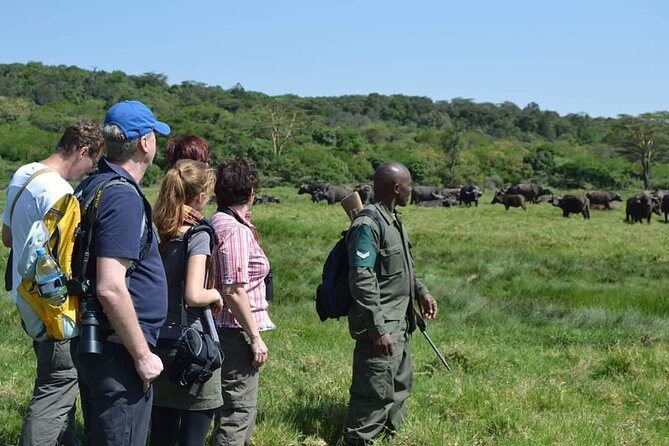
Your first big wildlife day starts after breakfast in Arusha. You head to Lake Manyara National Park for a full day game drive with a picnic lunch included. This matters more than it sounds. Picnic lunches mean you can stay out in the park long enough to catch animals when they’re most active, instead of constantly breaking the day for stops.
Lake Manyara is a good first stop because it’s less about ticking boxes and more about getting your safari rhythm right. You’ll learn how early mornings feel in the jeep, how heat affects animal behavior, and how spotting works when you’re actually watching.
At the end of the day, you drive to Enduro Lodge or Lake Manyara Wildlife Lodge (dinner and overnight). This part is valuable: after a full day, you don’t want to be transferred forever. The overnight here sets you up for the next day’s Serengeti push.
Possible drawback: first-day travel + game drive can be a lot of “on” time. Bring water, sunglasses, and a hat you don’t mind sweating in. Safari comfort is mostly won by small choices you make before the day starts.
Day 2 at Serengeti: one full day of plains viewing
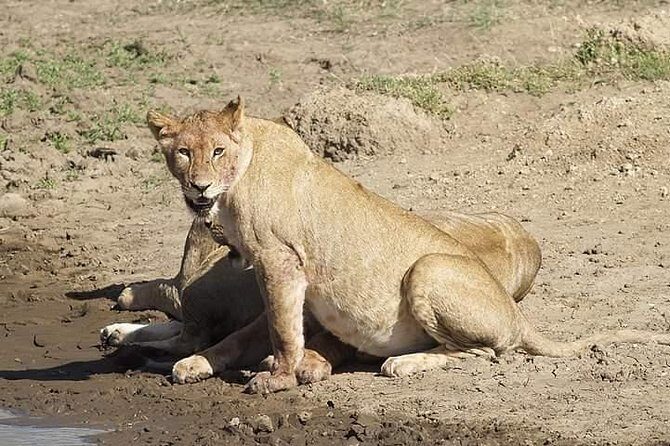
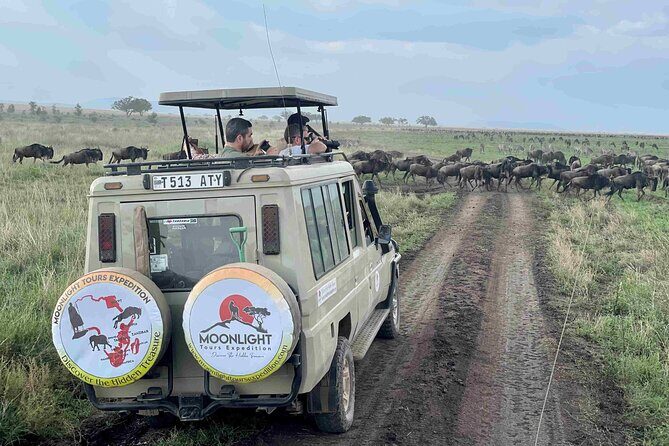
After breakfast, you go to Serengeti National Park for a game drive and picnic lunch. Dinner and overnight happen at one of the lodge options like Serengeti Sopa Lodge, Lobo Wildlife Lodge, or Seronera Wildlife Lodge. You’ll feel the difference right away when Serengeti opens up—less enclosed, more horizon, more time for animals to move across wide spaces.
This day is where you start connecting the dots. You see what the park does best: predators hunting, herbivores moving, and the way the landscape (open views) changes the way you look for motion. Serengeti is also where patience pays off. Even when you’re not getting a dramatic scene every hour, you’re getting better at reading the jeep safari pace—stop, scan, listen, and wait for the animal that’s about to appear.
Dinner back at the lodge matters here. After Serengeti, you’re usually tired in a productive way. It’s the kind of tired that comes from watching hard, not from rushing.
Included note that helps: admission for this park day is covered in the package. That keeps the focus where you want it—game drives and time in the park.
Day 3 at Serengeti: early start plus another full day
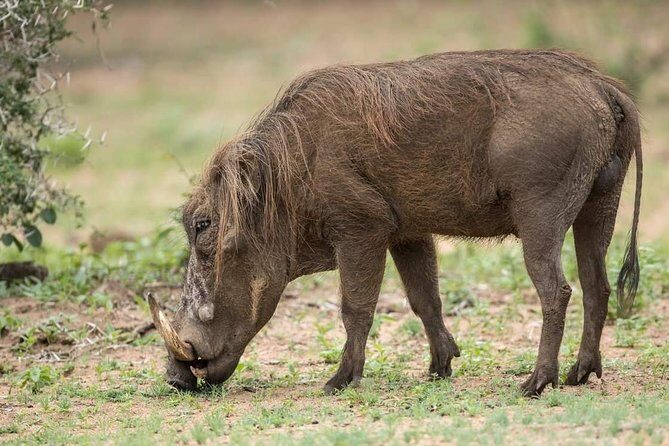
Day three repeats the Serengeti setting, but with a different rhythm. You start with an early morning game drive, then back for breakfast and a breather. Later you go out again for a full day game drive with picnic lunches, followed by dinner and overnight at the same kind of Serengeti lodge options.
I like this structure for one simple reason: wildlife doesn’t follow your schedule. Morning is prime viewing for many species, and the heat later on changes what you’re likely to see and how far animals move. By giving you both a morning session and a second full drive day, you’re not trapped by one single time window.
This is also where guide skill becomes obvious. If your safari team includes someone strong at spotting—people like Aron and Omary come up in guide feedback—you’ll get faster animal discoveries and less time staring at empty distance. That difference adds up across hours.
Small practical tip: on days like this, keep your camera accessible and your layers easy to remove. Early morning can feel cooler, and then the day warms quickly. You want to focus on animals, not your zipper drama.
Day 4 at Ngorongoro Conservation Area: crater time without the full-day rush
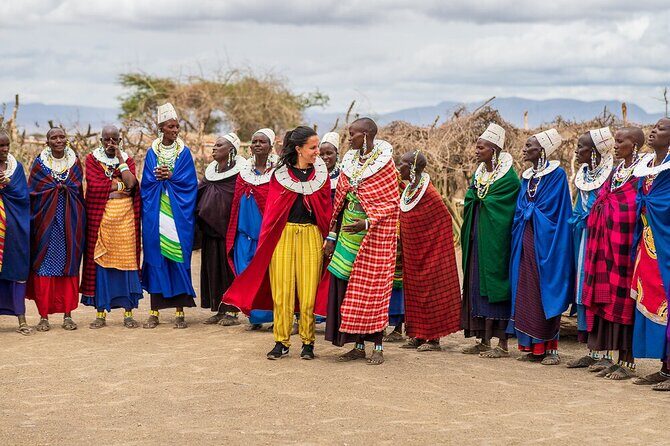
Day four takes you toward the Ngorongoro Conservation Area after breakfast. There’s an early morning game drive back in Serengeti, then you drive toward the crater. En route, you get another chance for game viewing, with picnic lunches. After that, you head to Ngorongoro Sopa Lodge or Ngorongoro Wildlife Lodge for dinner and overnight.
This is a smart “transition day” design. It prevents the drive itself from becoming a dead day. You’re moving toward the crater, but you’re still out looking for animals instead of just traveling.
Ngorongoro Crater is one of those places where the timing matters. Early in the day you’re more likely to get active movement and clearer viewing. Evening lodge time also helps because you have a moment to reset before the next crater-focused day.
One consideration: you’ll still be in a rhythm of long drive + watching. If you’re prone to motion sickness, it’s worth planning for it. Safari days are not a calm stroll.
A few more Arusha tours and experiences worth a look
Day 5: a full Ngorongoro Crater day, then onward toward Tarangire
After an early breakfast, you do a full day Crater tour with picnic lunches. Later you proceed toward Tarangire, ending with dinner and overnight at Enduro Lodge or Tarangire Sopa Lodge.
Ngorongoro is different from Serengeti because you’re dealing with steep terrain and a natural amphitheater setting. That means spotting feels more concentrated. The crater can also make sightings feel “closer” even when animals are moving at their own pace.
This day is the heart of the experience for a lot of people. It’s the one where the dramatic scenery setting and wildlife density combine into a strong sense of memory-making.
Then comes the logistics shift toward Tarangire. I like that the itinerary doesn’t leave you stranded in the crater area overnight. Getting over to Tarangire sets up your final day for a proper finish rather than a rushed departure.
Day 6: Tarangire National Park as your final wildlife payoff
Your last day is positioned around Tarangire National Park. You start after early breakfast, then have a full day in the park with picnic lunches. Dinner and overnight are at Enduro Lodge or Tarangire Sopa Lodge, wrapping the safari back at the original meeting point area in Arusha.
One note: the schedule text for Day 6 repeats crater wording, but the day is clearly framed as your Tarangire conclusion. Practically, you should treat it as a Tarangire-focused day, since that’s where you’re being lodged the night before.
Tarangire is a great way to end because it gives you that classic safari feel of open bush and big-sky viewing. Finishing here can feel like a “clean close” after Ngorongoro—less enclosed, more room for movement and different types of animal activity.
Tip for your last day: don’t save all your energy for the final hour. Animals can surprise you early or mid-morning. Keep your attention steady, even if you’re tired. This is when guides often put you in good spots.
Lodging quality: what “luxury” means in this package
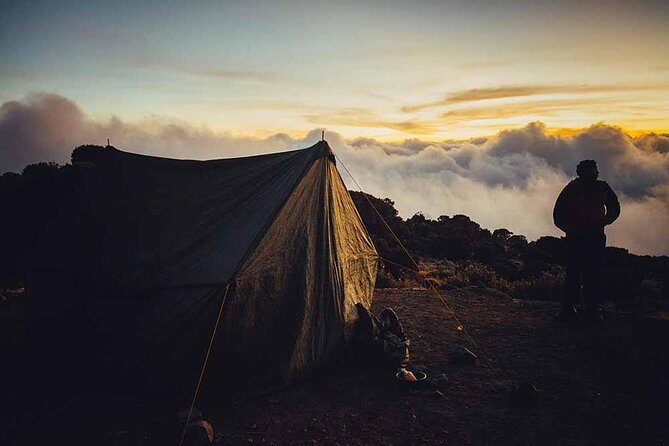
Here’s the honest part. The package description calls it luxury, while the inclusions say accommodation can be camping, mid-range, or lodge. That range is huge in real life. Camping can be an adventurous experience, but it is not the same as a room with premium comfort.
If you want “luxury” in the everyday sense—better rooms, hot water consistency, quieter nights—you need to check what category you’re actually receiving. The lodge names listed for different nights (Enduro Lodge, Sopa-branded properties, Serengeti and Ngorongoro lodges) suggest comfortable setups are possible, but your exact assignment still matters.
The good news is that the trip does include dinners and breakfasts at each stop. That lowers friction and helps you keep your focus on game drives.
Getting there and getting around: 7:00 am start and real safari timing
You meet at Arusha Tourist Inn on Sokoine Road, with a 7:00 am start. The tour offers round-trip airport transfers, and it ends back at the meeting point. There’s also a mobile ticket, plus confirmation at booking.
This logistics package is a big value point. In safari travel, the worst time sink isn’t the park—it’s uncertainty. Having transfers, park fees, and admissions handled lets you spend your energy on watching wildlife.
That said, safari days are long. If you’re sensitive to motion or you need frequent breaks, this trip is doable for most people, but you’ll want to pace yourself. The structure gives you some downtime—especially on the Serengeti day with the breakfast break—but game viewing is the main event.
Group size also matters. With a maximum of five travelers, the jeep and decision-making feel more flexible than larger group tours. The tradeoff is you still share guides and wildlife focus with the group. If you want total solitude, you might look at private options elsewhere.
Money and value: where your $3,923.08 goes
The price is $3,923.08 per person for a 6-day safari. That’s a lot of money, so it helps to break down what’s covered versus what isn’t.
Included highlights:
- Accommodation throughout the safari (camping/mid-range/lodge options)
- All park fees
- Round-trip airport transfers
- 6 breakfasts, 5 dinners, and 6 lunches
- Admission tickets for the park days listed in the plan
Not included:
- International flights
- Tips for the driver/guide and safari cook
- Visas
For value, the key isn’t just “park fees included.” It’s that you avoid the annoying layers of add-ons that can quietly inflate safari costs. When park access, meals, and transfers are handled, your final number feels cleaner.
The other value lever here is group size. Smaller groups often mean better communication and smoother spotting. You’re paying for the experience design, not just the animal names.
Guide skills: spotting, jokes, and why it changes your day
In safari travel, the guide isn’t a driver who gets you there. A great guide turns distance into sightings. From the feedback connected to this agency, names like Aron and Omary come up for spotting and for keeping the mood fun. Others mentioned include Lucas, David, and Joseph—with emphasis on how they help you see more and how they adapt to your preferences.
I find the best guide teams do two things:
- They spot early, so you see the animal when it’s still moving into view.
- They manage expectations without killing enthusiasm.
If you care about certain animals—like predators, or the Big Five target—tell your guide your priorities. The best teams will tailor where they spend time.
What to pack for comfort (so you can actually enjoy the game drives)
This is where you can make or break your comfort level.
Bring:
- A hat and sunscreen for daytime drives
- Sunglasses with decent coverage
- Light layers for early mornings and warmer afternoons
- Binoculars if you like zoom-free viewing (jeeps vary)
- A small day bag for snacks and water
For comfort inside the jeep, avoid bulky items you’ll constantly shift. Also, remember that picnic lunches mean you’ll want simple, grab-and-go snacks too, even though meals are included.
Who should book this 6-day Tanzania safari?
This works especially well if you:
- Want multiple iconic parks in one trip: Lake Manyara, Serengeti, Ngorongoro Crater, and Tarangire
- Like the idea of two Serengeti days for better odds
- Prefer a small group (max five)
- Value having park fees, admissions, transfers, and meals handled
It might not fit you as well if:
- You want a guaranteed high-end hotel style every night. You’ll need to confirm the exact lodging category.
- You get stressed by early starts and long safari days. This trip is built for game viewing, not slow travel.
Should you book this safari?
If you want a well-rounded Tanzanian safari route with a small group and guides who focus on spotting, I think this is a strong choice. The biggest “yes” is the way the trip gives you repeat chances: two Serengeti days and a full crater day. That boosts your odds of meaningful sightings.
I’d only hesitate if you’re strict about lodging comfort being consistently top-tier. Ask what lodging category you’re getting—camping versus mid-range versus lodge—and match it to your idea of luxury. If your expectations line up, you’re set for six days of serious wildlife time in Tanzania’s best-known zones.
FAQ
What time does the safari start and where do I meet?
You start at 7:00 am at Arusha Tourist Inn on Sokoine Road (Arusha, Tanzania). The tour ends back at the same meeting point area.
How many people are in the group?
This safari has a maximum group size of 5 travelers.
Which parks does the safari visit?
You’ll visit Lake Manyara National Park, Serengeti National Park (including two game-drive days), Ngorongoro Crater / Ngorongoro Conservation Area, and Tarangire National Park.
What’s included in the price?
The package includes accommodation during the safari, all park fees, round-trip airport transfers, and meals listed as 6 breakfasts, 6 lunches, and 5 dinners, along with admission tickets for the park days covered in the plan.
What is not included?
Not included are international flights, tips for the driver/guide and safari cook, and visas.
Is cancellation free?
Yes. You can cancel for a full refund if you cancel at least 24 hours in advance of the experience start time. Within 24 hours, the amount paid is not refunded.