REVIEW · TANZANIA
3 Days Safari from Mwanza to Serengeti and Ngorongoro Crater
Book on Viator →Operated by Friends Of Africa Family Safaris Ltd · Bookable on Viator
Three days, two legends of Tanzania. This Mwanza-to-Serengeti circuit adds real depth with Ngorongoro crater game viewing and a lot of time on safari roads.
You’ll move from Ndabaka Gate into the Serengeti, then descend into the crater and finally drive back through the plains, keeping wildlife at the center of the trip.
I especially like two things: the way the experience leans on strong game-drive spotting and hands-on guiding, and the fact that meals are handled by a real chef setup (names like Henry for guiding and Emmanuel for cooking show up in past trips).
When those two parts click, the day schedule feels smooth even when the mornings are early.
One possible drawback: food and camp standards can swing. There have been clear complaints about lunch-box quality and some overnight comfort issues, so I’d come prepared and be a bit picky about how your meals are packed and stored.
In This Review
- Key highlights you’ll care about
- Why a 3-day Mwanza safari works (and what it can’t do)
- Day One: Serengeti game drives from Ndabaka Gate, then an evening base
- Day Two: Ngorongoro Conservation Area, crater descent, and Simba Campsite night
- Day Three: 7:30 departure, Serengeti return, and the Lake Manyara option
- Price and value: what $1,346.93 actually buys you
- What’s the real safari experience like: guides, food, and camp setup
- Who should book this safari (and who should think twice)
- Should you book this 3-day Serengeti and Ngorongoro safari from Mwanza?
- FAQ
- Where does the safari start and what time does it begin?
- How long is the safari?
- Is this a private tour?
- What’s included in the price?
- What’s not included?
- Is there free cancellation?
Key highlights you’ll care about
- Ndabaka Gate start for Serengeti drives: you’re not wasting time crossing Tanzania in circles. You get straight into the park.
- Ngorongoro’s big descent (about 2,000 ft / 610 m): you feel the change fast, and that means different wildlife opportunities.
- Picnic lunch during the crater day: you’re eating where you’re actually viewing, not scrambling for food later.
- Simba Campsite overnight: sleeping near the action keeps the crater day from dragging.
- Day 3 return through Serengeti plains: you get another round of safari time before heading toward Arusha.
- Private tour feel: it’s just your group, and pickup is offered.
Why a 3-day Mwanza safari works (and what it can’t do)
A short safari like this is best for one job: maximizing sightings without burning your whole trip on transit. Starting from Mwanza helps too, because it keeps the Serengeti portion efficient and gives you a real shot at seeing a variety of ecosystems in just 3 days.
But here’s the trade-off you should know. This is not a slow, do-nothing safari with multiple spare days to follow herds. It’s a pace-heavy route. If you want zero rushing, you’ll likely do better with a longer trip.
Still, if you’re excited by the classic combination—Serengeti plains plus Ngorongoro crater—the timing is strong. You’ll spend most of your time where the animals are, not where paperwork is.
A few more Tanzania tours and experiences worth a look
Day One: Serengeti game drives from Ndabaka Gate, then an evening base
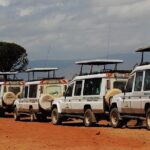
Your day starts with pickup from your hotel and then a transfer into Serengeti via Ndabaka Gate. That detail matters. Getting into the park through a known gateway early helps you start your game viewing sooner, and it cuts down the dead time that can happen when routes are vague.
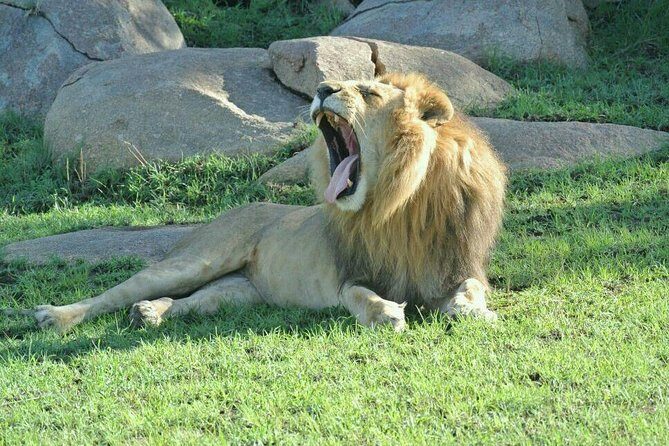
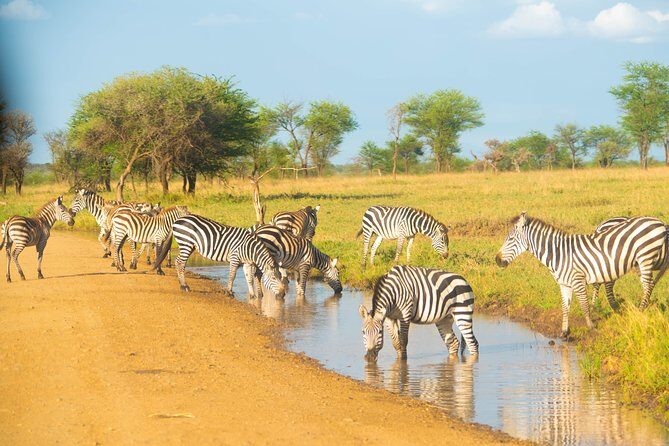
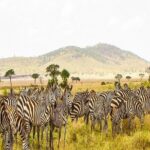
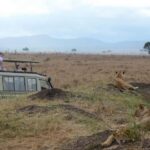
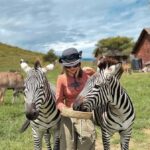
Once you’re in, you’ll do game drives aimed at spotting the big names—people often talk about chasing the Big Five on this park’s endless plains. Even if you don’t tick every box, Serengeti drives tend to reward you with constant movement: grazing herds, predators stalking between patches, and animals using the same sightlines again and again as the day changes.
What I like about this first day is the structure: you get a chunk of driving and viewing, then you end with an evening transfer to your booked accommodation. That means you’re not trying to cram sleeping arrangements into the middle of wildlife time.
What to watch: day-one “serious viewing” can feel exhausting because you’ll want your camera ready at all times. Build in a mental rule—take rest breaks when your driver offers them, even if you’re tempted to stay on the move.
Day Two: Ngorongoro Conservation Area, crater descent, and Simba Campsite night
Early on day two you’ll have breakfast, then head toward the Ngorongoro area. The core event here is the descent into the crater, down roughly 2,000 ft (about 610 m) from the caldera floor. That’s not just a dramatic number. The drop in elevation changes how the day feels: temperature can shift, air can feel different, and your wildlife viewing happens from slopes and plains below you.
After descending, you’ll enjoy crater game viewing, then stop for picnic lunch. I like picnic lunches in wildlife zones because you avoid the classic safari problem of eating far away from where the animals are active. If you’re lucky, you can eat while staying in the viewing mindset rather than treating food like a full reset.
Then comes the climb. You’ll ascend out of the crater afterward, and that part can be slower and more tiring than it looks on maps. Your driver is still working through roads and timing, so don’t plan to be fully “on” during every minute of the climb.
Finally, you’ll transfer to Simba Campsite for dinner and overnight. Camping at a dedicated site near your safari route can make the whole day feel cohesive, because you’re not trying to chase bedtime across long distances.
What I’d pack smart for this day: layers. Even when the forecast looks hot, crater mornings can cool off in the shade, and the evening can feel different again. A light jacket can turn discomfort into something you barely notice.
Day Three: 7:30 departure, Serengeti return, and the Lake Manyara option
On day three, you’ll depart at 7:30am. The main plan is to drive back toward Mwanza through the Serengeti plains, with more en-route game viewing. This is one of the best advantages of a multi-day loop: you get a second chance to see animals you might have missed the day before, and you’re not starting from scratch.
If you’d rather swap the plain-road return, the route can pivot toward game drives in Lake Manyara before heading to Arusha. That option can be a good match if you’re aiming for a change in scenery or habitats. Since Lake Manyara isn’t always part of a shortest Serengeti-only plan, the detour can feel like extra value rather than a compromise.
Either way, this day is long by the nature of geography and timing. Expect a full day of driving and viewing. Bring water, snacks for yourself if you know you get snack-hangry, and keep your phone batteries topped up because you’ll want to take photos when the action is close.
The “big-picture” tip for day three: don’t only watch for the big headline animals. Look for the small moments too—predators moving between grass height, birds reacting to activity, and herds shifting as the day warms. Those are the details that make a short safari feel complete.
Price and value: what $1,346.93 actually buys you
At $1,346.93 per person for about 3 days, you’re paying for more than “time in a park.” You’re paying for logistics that normally cost effort: transport, park and camping fees, 3 x meals, and camping equipment.
Here’s what’s included:
- Park & camping fees
- 3 meals per day across the safari (3x meals listed)
- Crater services
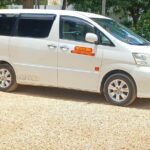
- Transport
- Camping equipment
- Breakfast (2), Lunch (3), Dinner (2) as shown in the plan
What’s not included:
- International flight
- Personal items
- Crew tips
Is it good value? For a private 3-day route that includes Serengeti drives, Ngorongoro crater time, camping equipment, and meals, the structure looks priced like a “you don’t have to organize this yourself” safari. If you tried to DIY parts of this, you’d likely pay more in stress, time, and coordination.
That said, the value depends on service quality. Since food and camp standards have had at least one complaint in the past, I’d treat this as a “mostly great value, but check the details” package. It’s not a luxury hotel itinerary. It’s a wildlife-first adventure with camping realities.
A few more Tanzania tours and experiences worth a look

What’s the real safari experience like: guides, food, and camp setup
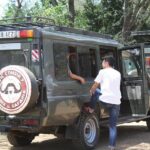
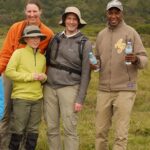
Safari success is often a triangle: guide skill, vehicle comfort, and how meals are handled. The strongest praise around this kind of trip centers on hands-on guidance and good responsiveness. Names like Mataro (office support) and guides such as Henry show up in past experiences, and that pattern matters because planning and communication can make or break the first morning.
Food is another make-or-break. On the plus side, some travelers described the food as great and the chef team as part of why the days felt easy. On the caution side, there have been complaints about ants in packed lunch boxes. That’s not a small issue if you’re paying for a stress-free experience.
My practical advice:
- Bring a backup snack you can rely on if a lunch box looks questionable.
- If lunch is packed for you, ask how it’s stored and when you’ll receive it.
- For camping nights, assume you’ll be dealing with heat at some level. If you’re sensitive to overnight warmth, bring what you can (like a small fan or cooling cloth if you travel with one).
Also keep expectations realistic: camping means you’re sleeping close to nature. Some nights will feel better than others. It’s part of the deal when you want to sleep near Ngorongoro rather than drive long distances.
Who should book this safari (and who should think twice)
This fits you well if:
- You want Serengeti + Ngorongoro in one efficient 3-day loop.
- You enjoy driving days and early starts more than slow mornings.
- You’re comfortable with camping and can handle basic comfort without getting picky about hotel-level details.
Think twice if:
- You need consistently polished meal presentation with zero risk of food-quality hiccups.
- You’re traveling with someone who struggles with long driving days or stair-like climbs out of the crater.
- You want a super flexible schedule with lots of extra time to react to wildlife movement.
If you’re the type who plans around sunrise, loves wildlife roads, and doesn’t mind some rough edges, this kind of safari can be a high-impact way to spend a short Tanzania window.
Should you book this 3-day Serengeti and Ngorongoro safari from Mwanza?
I’d book it if you want a tight, wildlife-heavy trip that covers the Serengeti plains and the crater in just 3 days. The included meals, transport, park fees, and camping setup make it easier to commit because you’re not building the whole puzzle yourself.
Before you pay, do two quick checks:
- Make sure your group is comfortable with camping and a long day on day three.
- Ask the operator how they handle lunch-box packing and storage for the picnic day, since food quality has been the one clear weak point.
If those boxes make you feel good, this safari is a strong choice for getting the classic Tanzania wildlife hits without turning your vacation into a logistics project.
FAQ
Where does the safari start and what time does it begin?
The start point is Mwanza International Airport (HW5F+H6M, Mwanza, Tanzania). The start time is listed as 7:30am.
How long is the safari?
It’s listed as 3 days (approx.), covering Serengeti and Ngorongoro Crater with a return drive after crater time.
Is this a private tour?
Yes. It’s described as a private tour/activity, meaning only your group participates.
What’s included in the price?
The package includes park and camping fees, 3 meals per the plan, crater services, transport, camping equipment, plus the plan also lists breakfast and lunch/dinner across the days.
What’s not included?
Not included are international flights, personal items, and crew tips.
Is there free cancellation?
Yes. You can cancel up to 24 hours in advance for a full refund. If canceled closer than that, the amount paid is not refunded, and there’s also mention of minimum traveler requirements.