REVIEW · MOSHI
6 Days MARANGU ROUTE (Kilimanjaro Trekk)
Book on Viator →Operated by Spirit of Kilimanjaro · Bookable on Viator
Kilimanjaro in six days is a big plan. This Marangu Route trek from Moshi aims for Uhuru Peak at 19,340 feet, with expert African guides and comfortable, camp-based nights that make the long days feel doable.
What really appeals to me is the built-in rhythm of the itinerary: rainforest hiking on Day 1, gradual altitude gains to Horombo, and a genuine acclimatization window before the higher camps. You’ll also get team guidance from known guides like Rama (chief guide) and Sanke, plus steady trip organization associated with William and the Spirit of Kilimanjaro group, which shows up in how they support health and pacing.
One consideration: the summit push is still hard. The early start, altitude, and cold mean this is not a casual hike, even if the route is well managed.
In This Review
- Key points at a glance
- Kilimanjaro on the Marangu Route: Six Days, Real Altitude, Real Value
- Why the Route’s Camp System Makes a Difference
- Day-by-Day Breakdown: What You’ll Feel at Each Altitude Step
- Summit Push Support: The Part That Keeps You Moving
- Signature Camping Comfort: More Than a Bed for the Night
- Price and What You’re Really Buying for $1,980
- Pickup, Start Time, and Getting Ready in Moshi
- Who This Trek Fits Best (and Who Should Be Careful)
- Practical Tips Before You Go (Without Guessing at Your Gear List)
- Should You Book This 6-Day Marangu Kilimanjaro Trek?
- FAQ
- FAQ
- Where does the trek start?
- How long is the Kilimanjaro Marangu trek?
- What time do we start on the first day?
- Does the price include park fees?
- What’s included in the trek package?
- What is not included?
- Is pickup offered?
- How many travelers are in the group?
- What camps and altitudes are part of the itinerary?
- Can I cancel and get a refund?
Key points at a glance
- Marangu Gate to rainforest hiking kicks things off with a fairly easy first leg and a night at Mandara Hut (around 2,700 m)
- Horombo Hut acclimatization helps you adjust, with the option of a short hike to Zebra Rocks
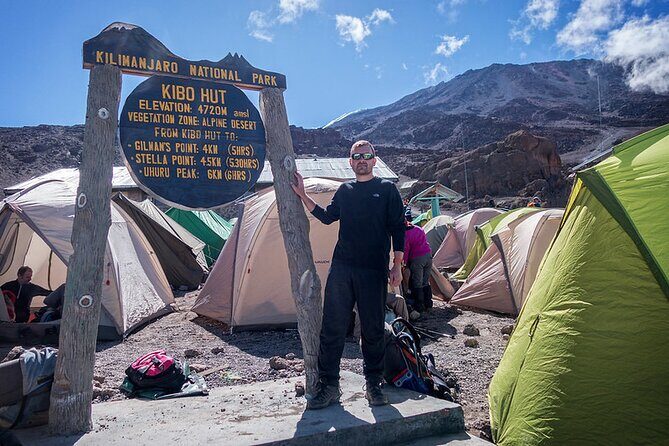
- Kibo Hut (about 4,700 m) transitions you from heathland into the harsher alpine desert world
- Summit timing for Uhuru Peak starts in the early hours so you reach the top just before sunrise
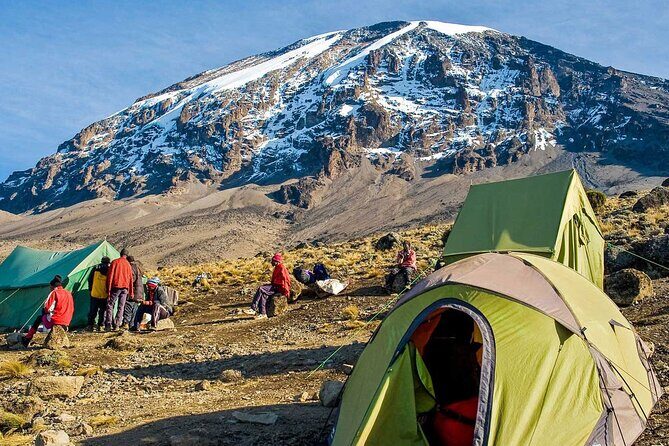
- Signature camping comfort means spacious tents, plus meals and on-mountain support that keep morale up
- Group size is capped (up to 100 travelers), with pickup offered from the Moshi area and a 9:00 am start
Kilimanjaro on the Marangu Route: Six Days, Real Altitude, Real Value
The Marangu Route is often described as the most “classic” way to climb Kilimanjaro, and this 6-day version stays focused on the essentials: get you to Uhuru Peak, manage altitude step by step, and keep you properly fed and supported along the way. You’re based out of Moshi, and the trip includes camping equipment, meals, accommodation, safety equipment, and park fees—so your biggest costs don’t get pulled out into surprise add-ons halfway through.
This is the kind of trek where planning matters. The schedule deliberately moves you through different altitude zones instead of rushing. That’s not just for comfort; it’s there to give your body a chance to adapt before the highest, coldest part of the climb.
A few more Moshi tours and experiences worth a look
Why the Route’s Camp System Makes a Difference
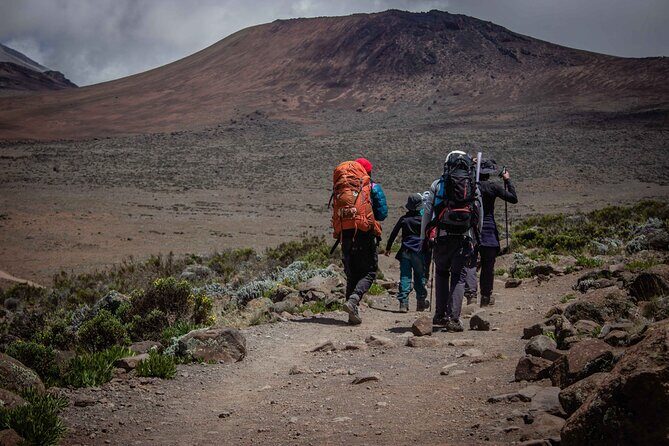
On Kilimanjaro, your success is as much about logistics and pacing as it is about motivation. This itinerary uses a camp progression that mirrors what your body needs as altitude rises.
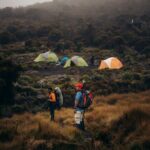
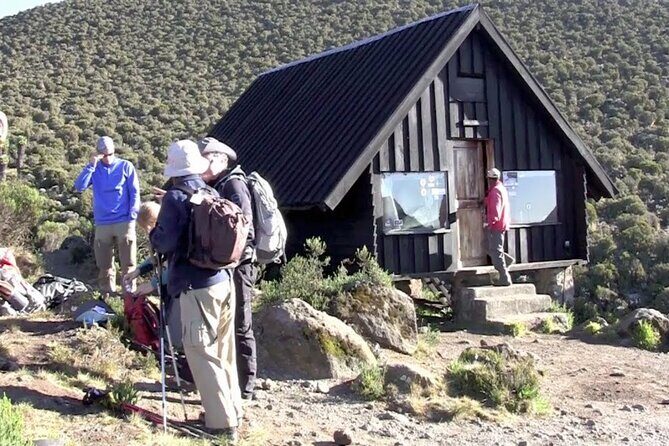
Day 1 starts at Marangu Gate inside Kilimanjaro National Park. You hike about 8 km through lush rainforest and overnight around 2,700 m at Mandara Hut. That first day matters because it lets you settle into rhythm—walking steadily, breathing controlled, and checking how your body feels before bigger altitude jumps.
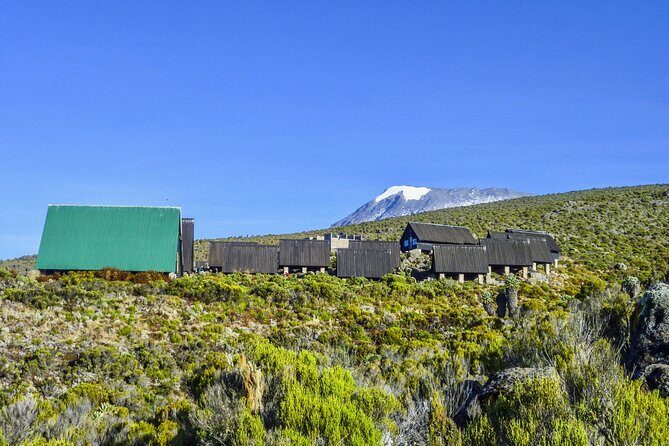
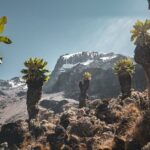
Day 2 carries you onward into the heathland zone, after breakfast. Expect around 12 km of trekking and a night at Horombo Hut near 3,700 m. You also get glimpses of Mawenzi Peak, which is one of those iconic Kilimanjaro views that makes the whole thing feel real.
Then Day 3 is the big “wait, don’t rush” moment: acclimatization at Horombo. You can take a short hike to Zebra Rocks for views, or simply relax. This is where the trek earns its reputation for being well run—because giving your lungs and mind time to catch up helps you show up stronger later.
Day-by-Day Breakdown: What You’ll Feel at Each Altitude Step
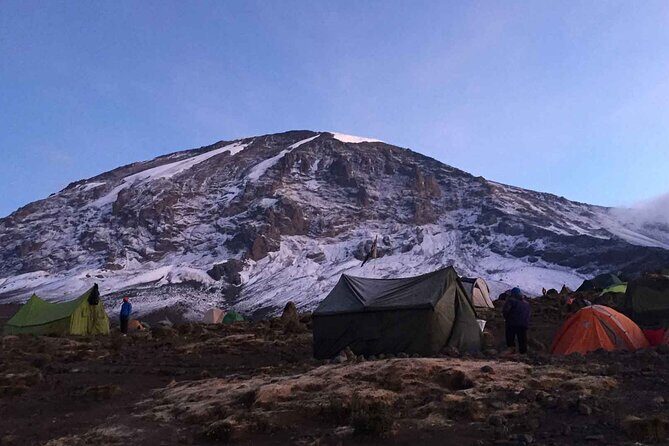
Day 1: Mandara Hut and rainforest calm (around 2,700 m)
Rainforest trekking is typically humid and green, and it often feels easier than later days—not because it’s effortless, but because your body isn’t yet fighting the worst of the altitude. You’ll cover about 8 km, and you’ll spend your first night at Mandara Hut. This is a good day to focus on steady steps and hydration, since you’re building a base for everything that follows.
Day 2: Heathland trekking and Horombo altitude (around 3,700 m)
This is the transition day. Once you leave rainforest, the air and vegetation change, and the mountain starts looking more dramatic. You’ll hike about 12 km, and Mawenzi Peak may appear in your view. The key here is pacing—don’t try to “win” the climb on Day 2. If you keep effort smooth, Day 3 acclimatization helps more.
Day 3: Acclimatization and Zebra Rocks or rest (still around 3,700 m)
This day is designed to help your body adjust to altitude. You can choose a short hike to Zebra Rocks for scenery, or you can take it easy at Horombo Hut. Either way, you’re buying time—time for sleep to be better, for your appetite to settle, and for headaches or nausea (if they show up) to calm down before the higher camps.
If you’re the type who worries about “wasted time,” this is the day that disproves that mindset. A well-timed rest day is not wasted. It’s part of the summit plan.
Day 4: Into alpine desert and Kibo Hut (around 4,700 m)
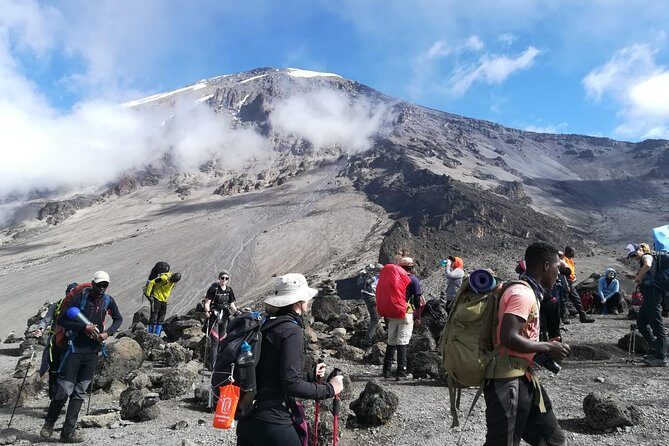
Now the terrain gets serious. You’ll head to Kibo Hut, around 4,700 m, and the environment shifts into the alpine desert zone. You’ll also catch your first clear view of the saddle between Mawenzi and Kibo, where you can see the dormant volcanic cones. That’s a striking visual moment—also a reminder that the top is coming soon, and the air is thinner.
This day is challenging due to altitude. You’ll want to stay controlled: small, steady steps, frequent sips, and a pace that keeps you from spiking effort.
Day 5: Summit night to Uhuru Peak, then back down to recover (highest day)
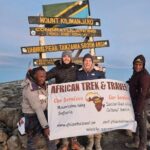
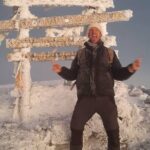
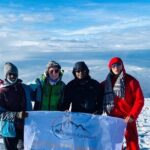
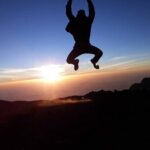
This is the big day. You start in the early hours so you can reach Uhuru Peak, the highest point in Africa, just before sunrise. The climb is physically and mentally demanding, which is exactly why early timing matters: colder conditions are part of the trade-off, and sunrise summit views are the payoff.
After celebrating at the top, you descend to Kibo Hut, then continue down to Horombo Hut. Don’t underestimate the descent. Your legs will feel it, but it’s also the start of recovery—when you return to a lower altitude and give your body a chance to regroup.
Day 6: Final descent to Marangu Gate and certificate day
On the last day, you return from Horombo Hut to Marangu Gate, passing back through the heath and rainforest zones. You might spot wildlife like colobus monkeys and birds during the descent, depending on conditions and timing. At the gate, you receive your summit certificates and say goodbye to your guides and porters.
There’s something satisfying about finishing through the same park area you started. It feels like closing the loop.
Summit Push Support: The Part That Keeps You Moving
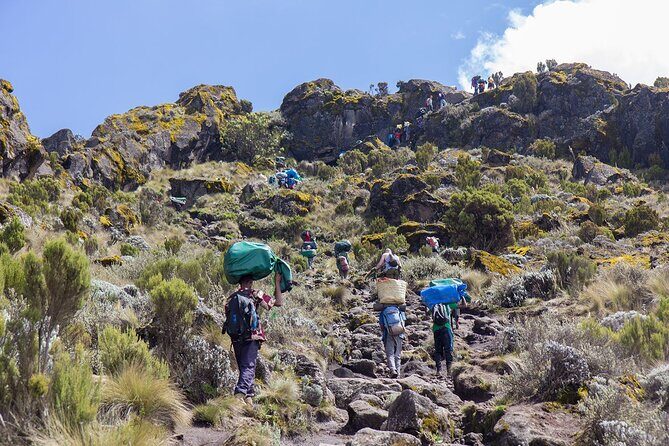
A summit attempt is never just about raw willpower. The best trips build a calm, steady atmosphere around the hike—especially during the hardest hours. In this trek, expert guides and porters are a core feature, and the way they’re described by guide teams like Rama and Sanke points to more than just navigation.
You’ll want support that pays attention to how you’re doing: your breathing, your energy level, your mood, and your ability to keep a consistent pace. That matters most during the climb when the body starts bargaining: if you can keep moving comfortably, the summit is more realistic.
Also, the itinerary itself is supportive. The acclimatization day (Day 3) and the move to Kibo before summit night (Day 4) aren’t filler. They’re built to make the summit attempt safer and more achievable.
Signature Camping Comfort: More Than a Bed for the Night
Kilimanjaro is hard, but it doesn’t have to be miserable. This trek includes signature camping with spacious tents and “deluxe comfort,” plus amazing meals. That may sound like marketing language, but on a mountain, comfort is a practical tool.
Good meals keep energy stable. Proper camp setup helps you sleep when your body is already under stress. When you’re waking up before dawn for summit day, sleep quality and meal consistency are not “nice-to-have.” They can be the difference between feeling steady and feeling wrecked.
And because the trek includes accommodation and camping equipment, you don’t need to coordinate rentals or try to figure out what you’re responsible for on arrival.
Price and What You’re Really Buying for $1,980
At $1,980 per person, the big question isn’t just the number. It’s what’s bundled. Here, your costs are tightly packed into the experience:
Included items include park fees, safety equipment, meals, all fees and taxes, camping equipment, professional guide support, and accommodation.
Not included: visa, travel insurance, personal gear, and tipping.
That’s a meaningful distinction. Many climbs look cheaper on paper until you add park access, guide time, and equipment. This one folds those into the package, so you can plan your total budget more easily.
Also, knowing park fees are included helps you avoid the common budgeting trap: thinking the listed cost is “almost the real cost,” then discovering missing mountain-specific charges.
Pickup, Start Time, and Getting Ready in Moshi
You’ll meet with a 9:00 am start time, and pickup is offered. The meeting point is near public transportation, which can be helpful if you’re staying in Moshi and want options for how to get to the staging area.
The trip duration is about 6 days, and the group cap is up to 100 travelers. In practice, you might feel like you’re on a bigger operation than a private adventure, but the camp-based structure and guide team focus should keep things moving in an organized way.
If you like clear schedules and dependable logistics, this fits that style.
Who This Trek Fits Best (and Who Should Be Careful)
This trip says most travelers can participate, and it’s a smart choice if you want a structured climb with strong support. It also fits well if you appreciate a route that moves through multiple ecological zones—from rainforest early on to colder zones later.
You should be careful if you’re dealing with major health constraints, because the summit day is still a big physical and mental challenge. Altitude is the main reality check on Kilimanjaro, not the distance on your watch.
If you’re someone who needs a plan and doesn’t want to DIY logistics, the combination of professional guides, included equipment, and a camp progression makes this a solid pick.
Practical Tips Before You Go (Without Guessing at Your Gear List)
I’ll keep this grounded in what the trek actually tells you. The experience includes safety equipment and camping equipment, but your personal gear is not included. So your best move is to bring what your operator recommends for comfort and safety in cold, high-altitude conditions and for day hiking while trekking.
Training-wise, focus on consistency and stamina rather than sprinting. You’ll be walking day after day with a summit attempt that starts very early. If you can keep a steady pace for hours without burning out, you’ll match the rhythm of the itinerary better.
And mentally: plan to accept that some days are about slow progress and rest. Day 3 is proof that holding back can help you go farther.
Should You Book This 6-Day Marangu Kilimanjaro Trek?
If your goal is a guided climb with included park fees, safety gear, meals, and camp support, this is a strong value. The itinerary’s acclimatization day, the staged approach to Kibo Hut, and the summit timing for Uhuru Peak just before sunrise are all the right pieces for a real Kilimanjaro attempt.
I’d also feel good choosing it if guide support matters to you. The names that stand out—Rama, Sanke, and William—are tied to professional, organized guidance and a focus on how climbers are coping.
If you’re chasing a lightweight, independent adventure, this may feel a bit more structured and group-based than you want. But for most people, that’s exactly why a trek like this feels safer and more satisfying.
FAQ
FAQ
Where does the trek start?
The climb starts at Marangu Gate in Kilimanjaro National Park. You’ll arrive to complete park formalities and meet your team of guides and porters.
How long is the Kilimanjaro Marangu trek?
The tour runs for about 6 days.
What time do we start on the first day?
The start time is 9:00 am.
Does the price include park fees?
Yes. Park fees are included.
What’s included in the trek package?
The experience includes safety equipment, meals, all fees and taxes, camping equipment, professional guides, and accommodation.
What is not included?
Visa, travel insurance, personal gear, and tipping are not included.
Is pickup offered?
Yes, pickup is offered.
How many travelers are in the group?
The maximum is 100 travelers.
What camps and altitudes are part of the itinerary?
You’ll sleep at Mandara Hut (around 2,700 m), Horombo Hut (around 3,700 m), and Kibo Hut (around 4,700 m). The summit is Uhuru Peak at 19,340 feet.
Can I cancel and get a refund?
Yes. You can cancel up to 24 hours in advance for a full refund. If you cancel less than 24 hours before the start time, the amount paid is not refunded.