REVIEW · MOSHI
6 Day Private Camping Safari
Book on Viator →Operated by Safaris Africa United · Bookable on Viator
Serengeti takes its time, and so does this trip. This 6-day private camping safari from Moshi gives you breathing room in Tanzania’s Northern Circuit, with a smooth start around Kilimanjaro and focused time for wildlife. I like that the route strings together Lake Manyara, Serengeti, Ngorongoro, and Tarangire instead of rushing in circles, so each park gets real attention.
What I love most is the extra day in Serengeti for multiple game drives, which helps when animals decide to be elusive. I also like the mix of habitats—from Rift Valley escarpments to crater basins—because it keeps wildlife viewing varied rather than repeating the same scenery.
One consideration: you’re starting early (the listed start time is 6:00 am) and you’ll be in transit between parks, so pack for long drive days and an unplugged pace.
In This Review
- Key Highlights You’ll Care About
- A Private Camping Safari Through Tanzania’s Northern Circuit
- Price and Value: What $2,300 Really Buys You
- Day 1 in Arusha: Getting Oriented Before the Parks
- Lake Manyara: Birds, Rift Valley Views, and Tree-Climbing Lions
- Serengeti Days 3 and 4: Chasing the Great Migration Rhythm
- Ngorongoro Crater Day 5: Dense Wildlife and Black Rhino Chances
- Tarangire Day 6: Elephant Herds by the River and Baobab Country
- Camp Life, Food, and Pace on a 6-Day Trip
- Who This Safari Fits Best (and Who Might Want a Different Mix)
- Should You Book This 6-Day Private Safari From Moshi?
- FAQ
- Where does the safari start and end?
- What time does the experience start?
- Is this tour private?
- Which national parks are included?
- Are meals included?
- What’s included in the price besides meals?
- What isn’t included?
- Do I need to handle my own flights and visa?
Key Highlights You’ll Care About
- Tree-climbing lions and bird life at Lake Manyara
- Two full Serengeti game-drive days with Great Migration timing linked to rainfall
- Ngorongoro Crater wildlife density plus a real chance to look for black rhinos
- Tarangire’s river-focused elephant viewing during dry-season conditions
- Private format (only your group), with airport meet-and-transfer support
A Private Camping Safari Through Tanzania’s Northern Circuit
This safari is built for people who want more than quick “hit the park, take the photos” days. You’ll move through four major Northern Circuit areas: Lake Manyara, Serengeti National Park, Ngorongoro Conservation Area (including the crater), and Tarangire National Park. The payoff is simple: different parks, different animals, and enough time to follow what’s happening rather than chasing a checklist.
It also runs out of the Kilimanjaro area (Moshi), with airport meeting and transfers handled. That matters because Tanzania safaris go smoother when the first handoff is clean—no guessing, no waiting around in a busy arrival hall.
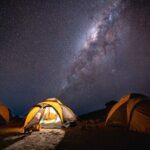
And yes, it’s a camping safari, so expect camp stays and the rhythm that goes with them (early starts, late dinners, and a day built around vehicle time and wildlife breaks).
You can also read our reviews of more private tours in Moshi
Price and Value: What $2,300 Really Buys You
At $2,300 per person, this is not a budget safari. But it’s also not priced like a barebones “transport only” trip. The listed inclusions cover a lot of the things that often surprise people later: all fees and taxes, transportation, arrival/departure transfers, accommodations, and a full meal plan (breakfast plus multiple lunches and dinners).
Here’s the value lens I use: you’re paying for four parks in six days, with time built in for wildlife drives and meals taken care of at camp. If you’ve ever priced safari components separately, you know the cost of park access, logistics, and meals adds up fast. This package also keeps the experience cohesive with private operation—your group only—rather than getting folded into a mixed schedule.
What’s not included is also important. You’ll still need to plan for flights, visa, insurance, and tipping, plus drinks at camps. If you’re the type who likes to manage those items yourself, this will feel straightforward. If you want one all-in bill from start to finish, you’ll have a little homework.
Day 1 in Arusha: Getting Oriented Before the Parks
Your day starts when you arrive at Kilimanjaro International Airport (JRO) or Arusha Airport (ARK). A Safari Africa United representative meets you and drives you to your Arusha accommodation for an overnight stay.
This isn’t a “tour day,” it’s a reset day. You get time to land, recover, and set up for an early start the next morning. That’s a real quality-of-life detail on a safari built around early departures.
A practical note: since the experience ends back at the meeting point, plan your departure flight timing with safari completion in mind. If your flight window is tight, you’ll want to build in buffer time after the final park day.
Lake Manyara: Birds, Rift Valley Views, and Tree-Climbing Lions
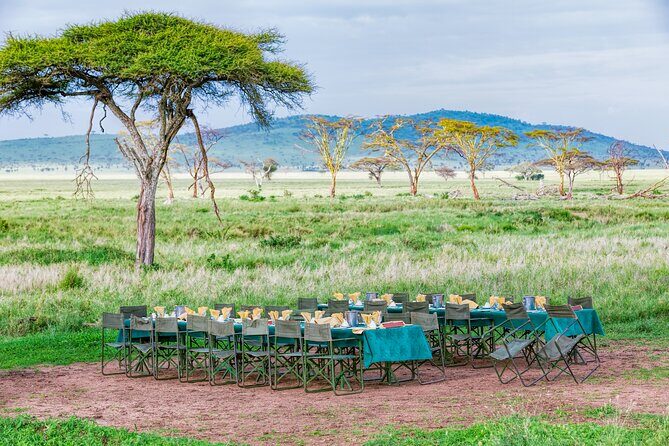
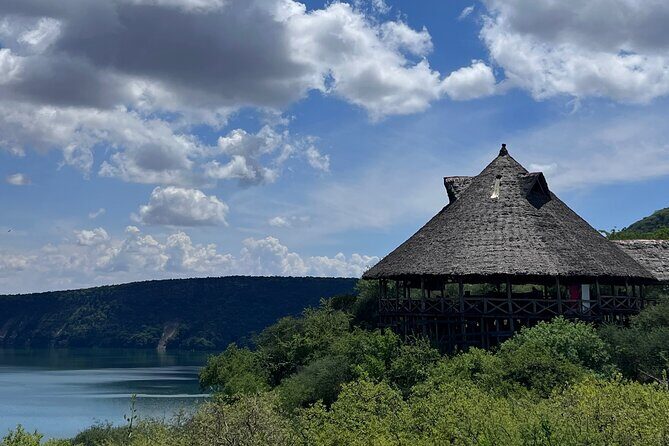
Lake Manyara National Park is described as unspoiled, and the first reason you’ll feel that is the setting. The Rift Valley escarpment forms the dramatic western border, with the alkaline lake stretching out to the east. In other words, you’re not just driving on a flat savanna road—you’re reading a full system: escarpment, lake margin, and seasonal changes.
This park is also your wildlife “variety starter.” Lake Manyara is best known for tree-climbing lions and for serious bird life. During rains, the lake can attract thousands of flamingos, so the timing of the season matters. Even when birds are quieter than you hoped, the mix of woodland and lake edges keeps the game-drive feel lively.
What to watch for:
- Bird-heavy stops if the day’s light and conditions line up
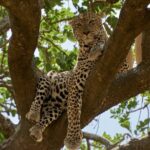
- Lion sightings that can break the usual “lion on the ground” pattern
- Seasonal lake changes, since the lake can flood and dry with the seasons
One consideration: because the park’s character is tied to water and seasons, your exact animal odds can vary day to day. That doesn’t mean it’s a bad choice—it means you chose the right park if you like atmosphere and multiple wildlife angles, not just one type of viewing.
Serengeti Days 3 and 4: Chasing the Great Migration Rhythm
Serengeti is where many people aim their Tanzania trip—and the reason is right in the basics: huge open grasslands and wildlife that can show up at many scales, from close sightings to long-distance movement.
This safari gives you two full days in Serengeti, and that’s a big deal. One day can feel like a try. Two days turns it into a strategy. You get more chances to catch the right areas at the right times, and you’re not locked into a single morning window.
Serengeti is also Tanzania’s oldest national park and part of one of the oldest ecosystems on Earth. You don’t need to be a scientist to feel what that means. When vegetation and climate have stayed stable for millions of years, the animals settle into patterns you can actually read.
The headline here is the Great Migration, but the important detail is that timing isn’t fixed—it depends on rainfall patterns each year. That’s exactly why a two-day stay helps: the migration movement can be visible from different zones depending on where the herds are pulling fresh grazing from.
What you’ll likely experience in practice:
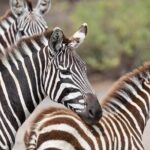
- More time to spot wildebeest, zebra, and antelope in motion
- Opportunities to track what your guide points out during the day
- The chance to adjust if the action is slightly different than expected
A practical expectation: Serengeti can be wide, so even great sightings might come with driving time. That’s the trade. The payoff is that you’re not stuck in one tight area.
A few more Moshi tours and experiences worth a look
Ngorongoro Crater Day 5: Dense Wildlife and Black Rhino Chances
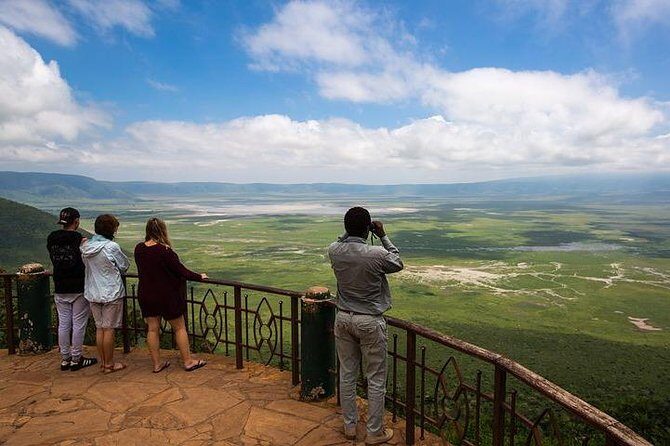
Ngorongoro Crater looks like a forgotten world the first time you see it. The crater is enclosed by steep volcanic walls, and down inside, the view changes fast: savannah, acacia woodland, and glistering lakes and swamps tucked into a naturally protected bowl.
This is the day where density is the theme. Ngorongoro is described as a natural reserve with some of the densest large mammal populations in Africa. When conditions line up, that can mean shorter waits between sightings compared to more open-country parks.
And you’re not just there for the wow factor. The safari notes a search for black rhino, which is why this stop belongs on a Northern Circuit itinerary for people who want more than “big cats in general.”
What makes this stop compelling is the combination:
- A dramatic, enclosed habitat that concentrates wildlife
- A setting that supports multiple grazing and watering zones
- The potential for rarer sightings, including black rhino
One consideration: because you’re going into a crater system, you’ll want to be ready for a different feel than Serengeti—more “packed viewing” and less “wide open miles.” If you love both styles, this day delivers.
Tarangire Day 6: Elephant Herds by the River and Baobab Country
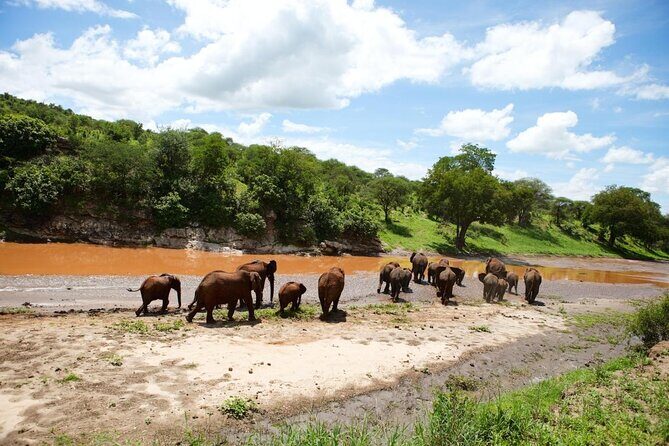
Tarangire National Park is named after the Tarangire River, called a river of warthogs for a reason. The big idea for your viewing is that, during the dry season, it can be the only reliable water source in the region. So animals concentrate around the river corridor.
That concentration is great for elephant viewing. The park is known for elephant families, often seen congregating by the river. If you like wildlife that feels “family-forward” instead of just lone sightings, this is a strong match.
Tarangire’s reputation also includes iconic baobab trees (mentioned as part of the Northern Circuit’s best-known sights). Even if you don’t get a perfect shot every time, the presence of baobabs gives the park its own visual signature.
Other animals you might find include giraffe, bushbuck, and hartebeest, with predators like lions and leopards following the herbivores. Bird life is also noted as a strong point.
A practical expectation: because this day is tied to the river, the most productive sightings often happen where water is active. That’s great if you like a plan. If you prefer pure roaming, Tarangire still feels dynamic, but the action is often river-centered.
Camp Life, Food, and Pace on a 6-Day Trip
This is a six-day loop with early departures, park time, and camp-based meals. The meal plan is a solid inclusion: breakfast each day (6) plus five lunches and five dinners. In real terms, that means you’re not constantly hunting food options while trying to be present for the drives.
You should also know what’s not covered. Drinks at camps are not included, so if you’re budgeting for sodas, beer, or bottled water beyond what’s provided, plan ahead.
Because it’s private, your schedule should be more flexible for your group’s pace than a public group format. That can matter for people who want time at a sight before moving on, or who need breaks between longer drives.
One more pace note: with a 6:00 am start time listed, you’ll likely have “morning person energy” whether you feel like it or not. If you’re okay with that, the payoff is that you’re often in position while wildlife is active.
Who This Safari Fits Best (and Who Might Want a Different Mix)
This safari is a strong fit if you:
- Want Serengeti time without feeling like you’re sprinting through it
- Care about varied Northern Circuit habitats (lake + plains + crater + river)
- Prefer a private setup where your group only is participating
- Like the idea of a camping safari with meals and logistics handled
It may be less ideal if you:
- Want lots of downtime or a slow pace
- Hate early starts and long-drive days
- Need a fully all-in package where nothing extra is expected (tipping, drinks, insurance, visa, and flights are not included)
Also, the route implies a focus on classic wildlife targets: lions, migration movement, dense crater mammals, and elephants at Tarangire’s water points. If your priority is one niche animal and you want ultra-specialized tracking, you might compare options that advertise that specific focus.
Should You Book This 6-Day Private Safari From Moshi?
I’d book it if you want a well-structured Northern Circuit safari with enough time to matter in Serengeti, a chance at crater wildlife density, and a finishing day that centers on elephants by the river.
Based on the way this operation is described, you also get a calm beginning: a representative meets you at JRO/ARK and you’re driven into Arusha first, then out into the parks. That kind of handoff reduces stress when you’re juggling flights and safari start times.
The main decision point is your tolerance for the safari rhythm: early mornings, consistent time on the road, and camp-based living. If that suits you, this trip looks like a smart value for a private, multi-park itinerary at $2,300—especially because fees, most meals, accommodations, and transfers are part of the package.
FAQ
Where does the safari start and end?
It starts at Kilimanjaro International Airport (JRO) meeting point (Kilimanjaro Airport Rd, Tanzania) and ends back at the same meeting point.
What time does the experience start?
The start time is listed as 6:00 am.
Is this tour private?
Yes. It’s described as a private tour/activity, and only your group will participate.
Which national parks are included?
You’ll visit Lake Manyara National Park, Serengeti National Park, Ngorongoro Conservation Area (crater), and Tarangire National Park.
Are meals included?
Yes. Breakfast is included for 6 days, and lunch and dinner are included for 5 days each.
What’s included in the price besides meals?
The listed inclusions are all fees and taxes, transportation, arrival and departure transfer, and accommodations.
What isn’t included?
Not included items are tipping, any changes you make, post-night accommodation at Arusha, flights, visa, medical insurance, travel insurance, and drinks at camps.
Do I need to handle my own flights and visa?
Yes. Flights and visa are listed as not included.