REVIEW · ARUSHA
5-Day Group Tour Mid Range
Book on Viator →Operated by Taswira Africa Safari · Bookable on Viator
Crater mornings beat your alarm clock. This 5-day group safari out of Arusha strings together Tarangire, the Serengeti, the Ngorongoro area, and Lake Manyara with early departures and serious game-driving time. I really like that the price is set up to feel predictable since all fees and taxes are included, with park admissions listed as free on most days. I also like the people factor: the operation is built around a strong guiding team, and you may be traveling with guides such as George, Maximilian, or Halpha, plus support staff like drivers and cooks (for example, Miltani and Samson have shown up in past teams).
The one thing to consider is that the days are long. Your schedule is built around drives that can run 6–9 hours, and you’ll start at 6:00am—so pack for comfort, and don’t assume you’ll have big blocks of downtime. Also, tipping and visa are not included, so budget for that early.
In This Review
- Key Points to Know Before You Go
- Why This 5-Park Tanzania Loop Works From Arusha
- Day 1 in Tarangire: River Views, Baobabs, and Elephant Country
- Day 2 in the Serengeti: Plains-Scale Game Drives and Big-Game Odds
- Day 3 in Ngorongoro Conservation Area: Micro-Climate Changes and an Early Finish
- Day 4 at Ngorongoro Crater: UNESCO Rim Views and a Hippo Pool Picnic
- Day 5 at Lake Manyara: Birds, Baboons, and Possible Tree-Climbing Lions
- Price and Logistics: What $2,300 Per Person Really Buys
- The Team Behind the Safari: Guides, Spotting, and Service Level
- What a Packed Safari Schedule Feels Like (and How to Make It Better)
- Who This Tour Fits Best (and Who Might Want a Different Style)
- Should You Book Taswira Africa Safari for This 5-Day Circuit?
- FAQ
- FAQ
- What’s the meeting time for this tour?
- Where does the tour operate?
- How long is the safari?
- Which parks are included?
- Are park entry fees included?
- What meals are included?
- Is pickup offered?
- What’s not included in the price?
- What kind of ticket do I get?
- Can I cancel for a refund?
- Is this a private group or shared tour?
Key Points to Know Before You Go
- A fast, focused 5-park circuit that packs major Tanzanian highlights into 5 days
- Fees and taxes handled up front, with admission listed as free for several park days
- Picnic lunches in special viewing areas, including a river overlook and crater viewpoints
- A guiding team with real safari skill, with names like George, Maximilian, and Halpha appearing on the roster
- Animal variety across different habitats, from elephants and birds to baboons and possible tree-climbing lion sightings
Why This 5-Park Tanzania Loop Works From Arusha
If you only have about a week or less in Tanzania, this itinerary is built for maximum wildlife payoff without turning the trip into a moving van. You start in Arusha and then cycle through parks that each do something different well. Tarangire brings river life and big herds near baobabs. The Serengeti gives you the famous open plains feel and the scale of predator-prey interaction. Ngorongoro adds the dramatic crater bowl, which changes how wildlife concentrates and how you see it from the rim down. Lake Manyara rounds it out with birds, baboons, and the special chance of tree-climbing lions.
What makes this “mid-range” feel practical is that the planning is already stitched together: pickup is offered, meals are included (breakfast daily, lunch daily, and dinner for four nights), and the tour lists all fees and taxes as included. For many first-time safari travelers, that means fewer surprises and less time juggling logistics.
You’re still doing a real safari, not a “nice scenic ride.” Expect early light, long drives, and the rhythm of game drives. If you’re the type who wants to sleep in, this might feel like a lot. If you want to see animals when they’re most active and when park conditions are better, it’s a smart pace.
A few more Arusha tours and experiences worth a look

Day 1 in Tarangire: River Views, Baobabs, and Elephant Country
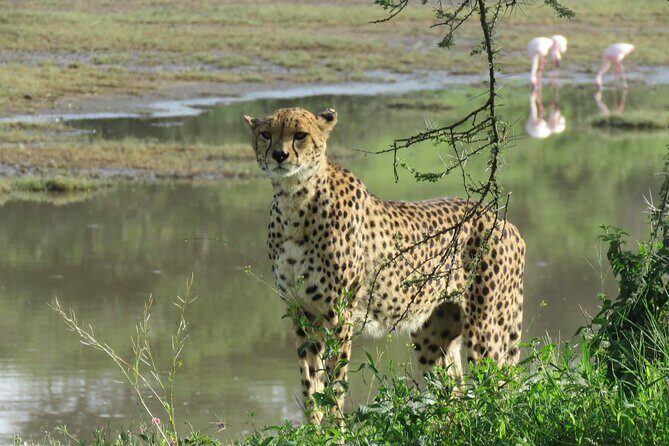
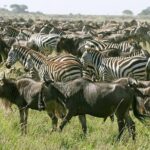
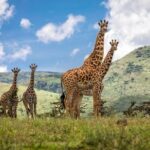
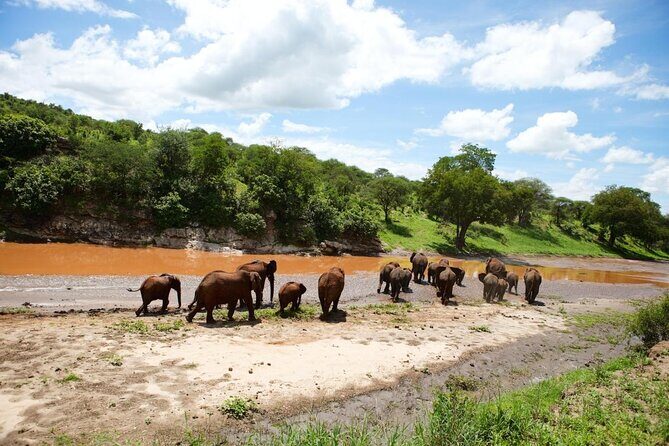
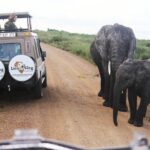
Tarangire National Park is one of those places where the scenery is shaped by water and the animals show up because of it. The tour departs Arusha in the morning and heads straight to Tarangire, named after the river that runs through the park and supports a wide range of wildlife—giraffes, waterbucks, wildebeest, zebra, and especially a strong elephant presence. Tarangire is also described as having high bird diversity (over 550 species), plus a hilly feel with baobabs and grasses that create lots of interesting sightlines.
The day is structured around a morning game drive, then a picnic lunch overlooking the river. That’s more than a nice break. Eating in the park helps you stay “in safari mode” instead of escaping to a town and starting over again. After lunch, you continue wildlife viewing until leaving the park in the late afternoon.
One practical note: even though the schedule lists the day around 6 hours, Tarangire sits in that sweet spot for a first park day. You’re likely to be mentally hooked early—especially if it’s your first safari—because you’re not waiting days to see a real concentration of animals.
Day 2 in the Serengeti: Plains-Scale Game Drives and Big-Game Odds
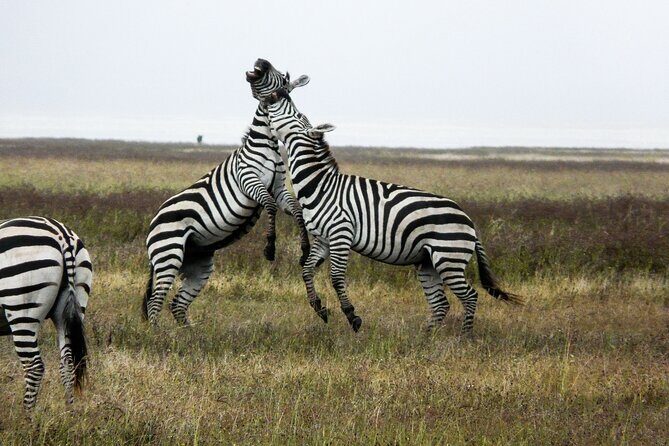
After breakfast, you head to the Serengeti National Park, and the tour leans into the idea that you’re entering a world-famous ecosystem. You’re told the Serengeti spans over 14,000 square kilometers and that its name comes from a Maasai word meaning endless plains. The numbers used in the tour description are huge—millions of large game animals, including large lion populations, plus wildebeest and zebra.
The “why it matters for you” part: the Serengeti isn’t just about seeing animals. It’s about seeing how wildlife moves across space. On a guided game drive, the guide’s job is to put you in the right place at the right time, and in a place this large, good spotting really changes what you experience.
This day also keeps you in the field longer. You get a picnic or camp lunch, then an afternoon game drive through the vast plains. The tour description also notes there are more than 500 bird species, which means your drive doesn’t have to be only big animals or nothing.
A small consideration: this is a day where your camera and water habits matter. You’re in an open environment for long stretches, and the best sightings often happen when you stay patient rather than constantly repositioning yourself.
Day 3 in Ngorongoro Conservation Area: Micro-Climate Changes and an Early Finish
Day 3 is a transition day that still counts as a safari day. After breakfast, you enjoy a game drive toward the main Serengeti gate area for a picnic lunch, and then you move toward the Ngorongoro Crater region via varied terrain.
The tour description calls out micro-climates—big open plains, sweeping hills, and denser forest. Even if you’re mainly focused on animals, these habitat shifts are useful because they influence what species you’re likely to see during drives and how the scenery feels as you approach the crater.
You arrive early evening at your selected accommodation. That detail is important. It gives you a better chance to rest before crater day (which is the big set-piece day) and to avoid the “drive until dark” fatigue that can happen on some tours.
If you like downtime, this is your best evening to catch your breath. If you’re traveling with a group, it’s also a good day for asking your guide what time they expect to target crater sightings the next morning.
Day 4 at Ngorongoro Crater: UNESCO Rim Views and a Hippo Pool Picnic
Ngorongoro Crater is described as a UNESCO World Heritage Site and one of Africa’s safari highlights. The day starts with views from the crater rim before descending into the crater bowl. That rim-to-bowl shift is a huge part of the experience. From above, you get a dramatic sense of scale; once you’re down inside, wildlife can feel unusually concentrated—because they’re all dealing with the same enclosed environment.
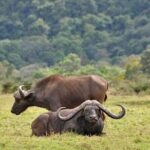
The tour description explicitly tells you what you may see: elephants, lions, buffalo, zebra, and many other species, plus birds. After the wildlife viewing setup, you enjoy a picnic lunch overlooking the hippo pool. That’s the kind of meal plan safari travelers remember, because it’s not just food—it’s a view that matches the wildlife theme of the day.
You also get a built-in variety factor: crater conditions can look different depending on the day, including clear views of the crater bowl or mists rolling down into the base. Either way, it’s a memorable setting, and the guide’s awareness of timing helps you get the most from what the day gives you.
If you’re deciding between safari styles, this is the day that makes the case for a crater-focused route. It’s a different viewing experience than the open Serengeti plains, and it often feels like stepping into a wildlife amphitheater.
Day 5 at Lake Manyara: Birds, Baboons, and Possible Tree-Climbing Lions
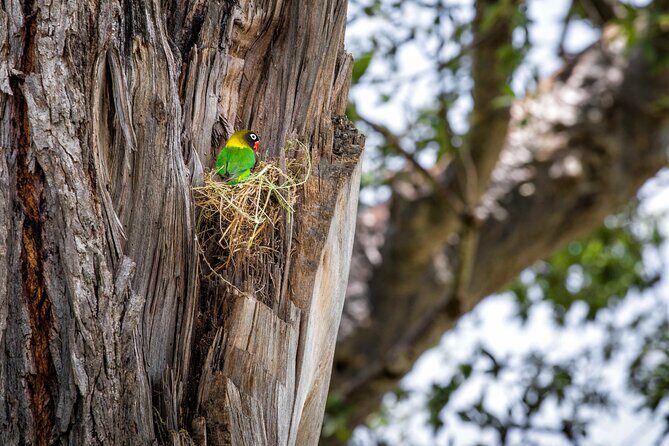
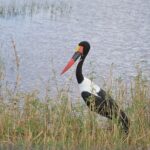
On the final day, you head to Lake Manyara National Park, where the tour description highlights an alkaline lake and rich plant and bird life. You’re told the lake environment supports over 300 species of birds, including cormorants, pink flamingos, pelicans, and storks. If you enjoy birdwatching, this day adds texture to the big-mammal focus of Tarangire and Serengeti.
After a picnic lunch, you get an afternoon game drive. The tour calls out elephants and baboons, and says Lake Manyara is known for having the most baboons in any park in Africa. That’s a strong cue: even if big cat sightings are slow, your day still has plenty of “movement and action” happening close by.
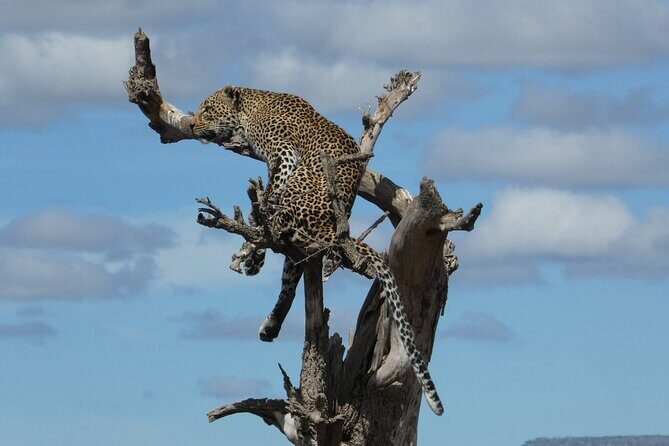
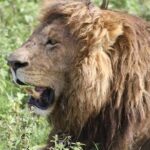
Then there’s the famous hook: if you’re lucky, you might see tree-climbing lions. You should treat that as a bonus, not a guarantee, but it’s part of what makes Lake Manyara special enough to include in a short safari loop.
You return to Arusha City for the early evening, which helps you finish without a late-night grind. It’s also useful if you need to connect onward the same day or the next morning.
Price and Logistics: What $2,300 Per Person Really Buys
At $2,300 per person for an approximately 5-day group safari, you’re paying for a guided, multi-park experience that’s handled end-to-end. Here’s what that price setup includes based on the tour details:
- All fees and taxes
- Breakfast (5), Lunch (5), and Dinner (4)
- Admission ticket notes: Tarangire, Serengeti, Ngorongoro Conservation Area, and Lake Manyara are listed as free for admission, and Ngorongoro Crater admission is included
So the cost is not just “a driver and a vehicle.” It’s also feeding you and accounting for major mandatory costs. That’s where value shows up for many people. You don’t want a safari budget that collapses later when park fees, meals, and guide costs stack up.
What’s not included matters too:
- Visa
- Tipping
- Travel insurance
- Personal items
If you’re comparing to other safaris, don’t just look at the base price. Make sure you compare meal inclusions and whether park fees are wrapped in. This itinerary’s structure makes it easier to estimate your real total.
Also, you’ll start at 6:00am, and pickup is offered. That early start is part of why the day works. It’s what lets you spend more time in parks rather than sitting in traffic later.
The Team Behind the Safari: Guides, Spotting, and Service Level
In safari terms, your guide is not an extra. They’re the difference between seeing animals and seeing animals plus understanding what you’re looking at. The tour’s guiding team is known for hands-on wildlife skill, with names like George, Maximilian, and Halpha appearing among guides who have led past trips. Drivers and support staff also matter for comfort and efficiency; you might be partnered with a driver such as Miltani, and a cook such as Samson who supports your meal quality in the field.
Here’s how that translates into your experience:
- When spotting is sharp, you spend less time scanning and more time watching behavior.
- When interpretation is good, you understand the “why” behind the sightings: where animals position themselves, how herds move, and what birdlife signals about the ecosystem.
- When the support crew runs smoothly, meal breaks feel like real breaks instead of rushed stops.
The tour also flags that it’s a private tour/activity with only your group participating. That generally means less waiting around for strangers and more flexibility within your group’s needs, especially for photo stops and pacing.
What a Packed Safari Schedule Feels Like (and How to Make It Better)
This itinerary is built with full days and park time. Day 1 and Day 5 are shorter on paper (around 6–8 hours listed), while the middle days can run longer (around 8–9 hours listed). That’s normal in safari driving, but your comfort depends on how you prepare.
Practical ways to handle it:
- Pack a small day kit you can access quickly during drives (water, sun protection, layers).
- Keep your schedule-minded mindset: the biggest sightings often happen when you’re already sitting and watching, not when you’re jumping up and moving constantly.
- Plan for early mornings. A 6:00am start is easier if you treat it like a goal rather than a punishment.
Also, you’ll be eating in different settings: picnic lunches in parks and scheduled meals through the tour. Don’t assume there will be time for random snacks between activities. If you have dietary needs, you’ll want to communicate them when you book so the team can handle it properly.
Who This Tour Fits Best (and Who Might Want a Different Style)
This tour is a strong fit if:
- You want a first safari that still covers multiple Tanzanian classics
- You prefer guided game drives over self-drive
- You like having meals and major costs handled
- You’re okay with early starts and long days in exchange for wildlife time
It might be less ideal if:
- You want lots of slow, free time in one park instead of moving every day
- You hate early mornings
- You’re trying to keep costs extremely low, because tipping and visa still add to your total
The best part for many people is the variety. You’re not betting everything on one habitat. You’re seeing how wildlife life changes between river-driven Tarangire, open Serengeti plains, the crater’s enclosed theater, and Lake Manyara’s bird-and-baboon world.
Should You Book Taswira Africa Safari for This 5-Day Circuit?
If you’re choosing between a bunch of 5-day safari options, my advice is simple: book a route that matches your time and your expectations. This one works because it’s structured around real safari landmarks, with park admissions listed as included or free on most days, plus meals and taxes handled.
I’d especially consider it if:
- You want a guided team with safari credibility, with names like George and Maximilian showing up as guides in the operation
- You value being fed well during long days (breakfast, lunch, and dinners are clearly part of the package)
- You want to finish back in Arusha by early evening on day 5
Just go in with the right mindset: it’s a packed wildlife program. You’ll get more animal time, but you won’t get a laid-back vacation pace.
FAQ
FAQ
What’s the meeting time for this tour?
The start time is 6:00am.
Where does the tour operate?
It’s based in Arusha, Tanzania.
How long is the safari?
It’s 5 days (approx.).
Which parks are included?
Tarangire National Park, Serengeti National Park, Ngorongoro Conservation Area, Ngorongoro Crater, and Lake Manyara National Park.
Are park entry fees included?
All fees and taxes are included, and the itinerary lists admission as free on several park days. Ngorongoro Crater admission is listed as included.
What meals are included?
The tour includes breakfast (5), lunch (5), and dinner (4).
Is pickup offered?
Yes, pickup is offered.
What’s not included in the price?
Visa, tipping, travel insurance, and personal items are not included.
What kind of ticket do I get?
The tour provides a mobile ticket.
Can I cancel for a refund?
Yes. There is free cancellation, and you can cancel up to 24 hours in advance for a full refund.
Is this a private group or shared tour?
It’s a private tour/activity, and only your group participates.