REVIEW · ZANZIBAR
Zanzibar Cooking Class & Spice Tour
Book on Viator →Operated by Kiyzo · Bookable on Viator
A market tells you the truth fast. This 5-hour Zanzibar spice and cooking tour links Darajani Market, a community spice farm, and a hands-on class where you cook and eat.
I really like the way the day is built around ingredients, not just entertainment. You start with a short walk through Darajani Market and buy what you need, then you visit a spice farm and taste spice-fruits before you ever heat a pan. I also love the practical cooking part, where you get clear tips for dishes like rice pilau and even how to work with bananas in classic Zanzibari-style cooking.
One thing to consider: timing matters in Stone Town. A few experiences show it can go wrong if someone is late or if communication is slow, so give yourself a buffer on travel days and confirm contact ahead of time.
In This Review
- Key highlights to know before you go
- Zanzibar Day Starts With Darajani Market Shopping
- The Spice Farm Tour That Explains the Flavor Behind the Names
- Cooking Class in Zanzibar Style: From Prep to Lunch
- Timing and Transfers: How to Fit It Into Your Stone Town Day
- Price and Value: Why $40 Can Be a Smart Deal
- Who This Tour Is For (and Who Should Skip It)
- Practical Advice for a Smooth, Enjoyable Day
- Should You Book This Zanzibar Cooking Class & Spice Tour?
- FAQ
- FAQ
- What time does the Zanzibar cooking class and spice tour start?
- How long is the tour?
- Where does the tour start?
- Does the tour include hotel transfers?
- What happens at Darajani local market?
- What do you do at the spice farm?
- Is lunch included?
- How big are the groups?
- What ticket type do you receive?
- What is the cancellation policy?
Key highlights to know before you go
- Darajani Market shopping so you choose ingredients, not just watch them
- Spice farm tour + spice-fruit tastings that explain the flavor behind the names
- Hands-on cooking class with a local cook and a shared lunch
- Small groups (max 10) that feel friendly and easier to ask questions
- Two start times with hotel transfers to keep the day smooth
Zanzibar Day Starts With Darajani Market Shopping
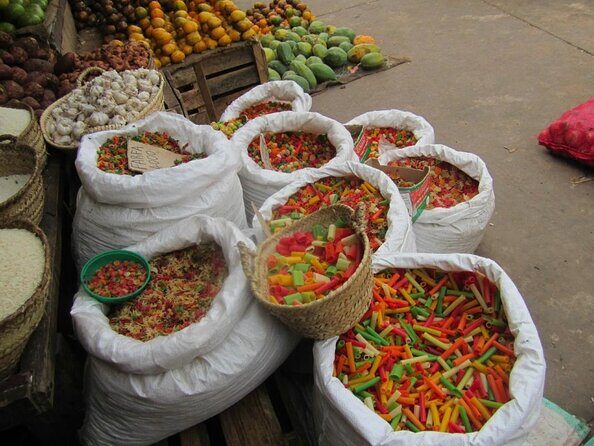
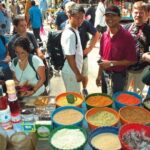
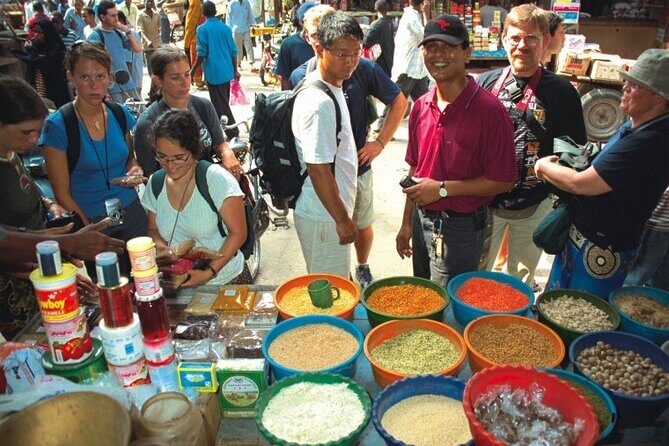
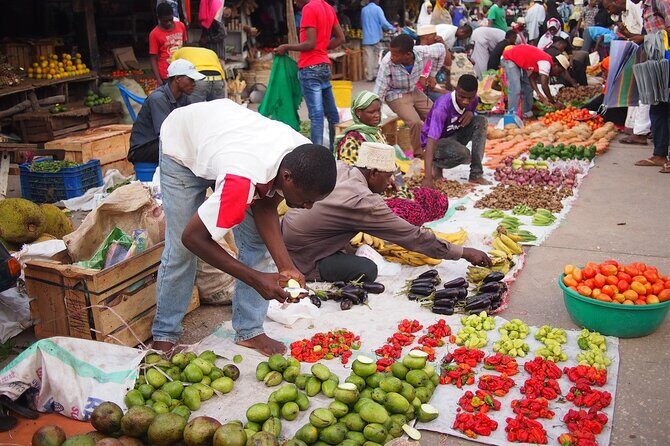
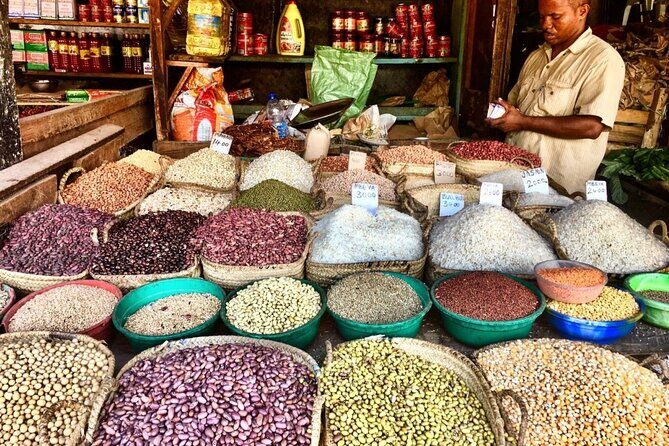
If you only eat Zanzibar food in restaurants, you miss how the flavors are built. I like starting in Stone Town’s Darajani Market because it turns cuisine into real choices: which ingredients you grab, what looks ripe, and what locals pay attention to.
You’ll begin with a short guided tour inside the market. Then you buy the ingredients for the cooking class. That single step changes your relationship with the food later. Instead of thinking, I’m going to learn Zanzibar dishes, you end up thinking, I’m going to cook the dishes I helped select.
What this stop is good for:
- Learning common Zanzibari ingredient categories, not just one recipe
- Getting a feel for how quickly a shopping list turns into a meal
- Asking questions face-to-face while you’re holding the ingredients
What to watch for:
- If you’re the type who hates bargaining or quick shopping, this part might feel busy. The tour is designed to be short, so you won’t be stuck wandering for hours.
You can also read our reviews of more cooking classes in Zanzibar


The Spice Farm Tour That Explains the Flavor Behind the Names
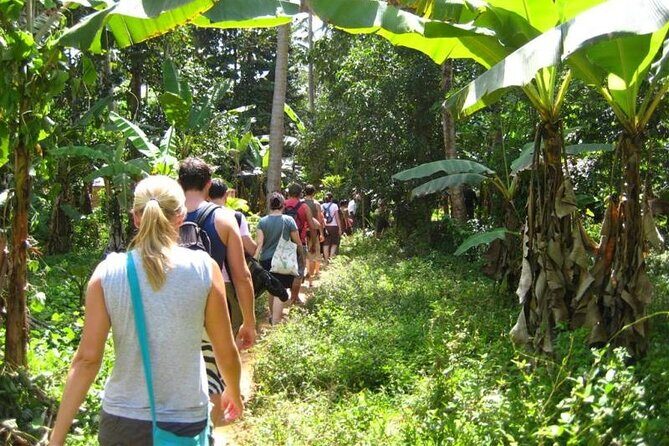
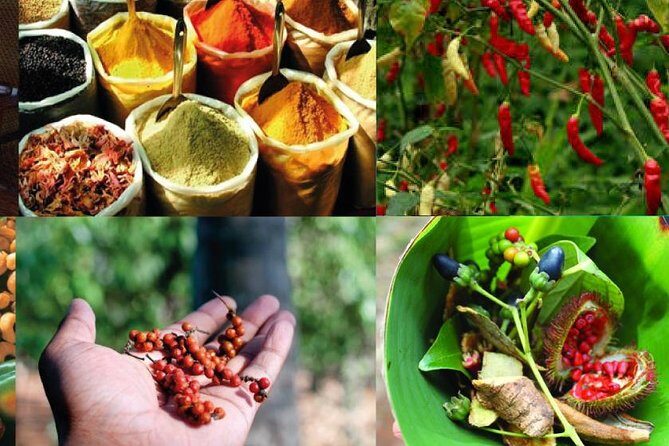
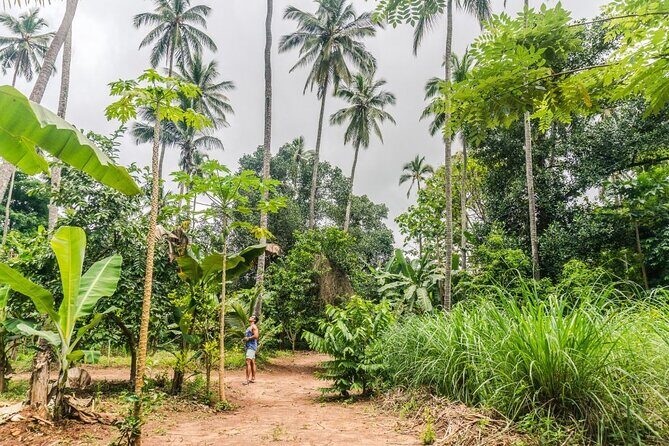
After the market, the tour heads to a spice farm. This is where Zanzibar stops being a set of menu items and becomes a place. You’ll tour the farm and taste spice-fruits, which is the kind of detail that helps the cooking class make sense.
In particular, the farm experience is strongly tied to flavor education. Guides point out spices and how they’re used. And those tastings matter because you taste the raw or minimally processed versions of what later ends up in sauces, rice, and cooked fruit.
One detail I really appreciate from the experiences people describe is how informative and interactive the spice portion can be. Hosts named Lutfia and Rashid come up as especially strong in terms of explanations and warm hosting. You’re not just walking through plants—you’re learning what they do to food.
Here’s what you’re likely to notice once you’re there:
- Spices and fruits don’t taste the same as they do in prepared dishes. The difference is the lesson.
- You start connecting aroma to outcome. That makes the cooking class easier.
Potential drawback:
- If you’re not interested in buying anything, you might feel awkward in a place where sales is part of the system. The farm portion is still about tasting and explanation, but your comfort level with sales stops may vary.
Cooking Class in Zanzibar Style: From Prep to Lunch
The heart of the day is the cooking class, run with a local cook. You prep ingredients and then cook classic Zanzibari dishes, finishing with lunch. This is the part that tends to earn the highest praise for a reason: it’s skill-building, not just a meal.
You’ll start by learning what to do with the ingredients you bought earlier. Then you move through the steps together. People talk about guidance for dishes like rice pilau and also how to handle ingredients such as bananas in Zanzibar-style preparations. That combination—rice technique plus local fruit use—is exactly the kind of thing you can’t easily copy from a generic cookbook.
Why this class is better than most food tours:
- You learn the logic of seasoning, not just the final flavor
- You get hands-on time, so you’re not standing at the edge while someone else works
- The meal is part of the instruction, so you can match what you did to what you ate
What you can do to get more out of it:
- Pay attention to how spices get added and when. That timing changes everything.
- Ask what substitutes are possible if you’re cooking at home later. The best cooks can explain what’s essential versus flexible.
Where it can go sideways:
- As with any activity that depends on punctual pickup and moving between locations, delays can happen. If your flight or another commitment is tight, treat the tour as a day with a little slack—especially if you choose the afternoon start time.
Timing and Transfers: How to Fit It Into Your Stone Town Day
You get two start options: 9:00 AM for the morning session or 3:00 PM for the afternoon session. The tour runs about 5 hours. Hotel transfers in Stone Town are included, which matters because moving between stops on your own can eat time and energy.
Also, the group size is capped at 10 travelers. In practice, that usually means you get better attention in the cooking portion and fewer bottlenecks at market and farm stops.
A practical note: the tour ends back at the meeting point, with hotel drop-off included. That’s the simple kind of logistics that helps on a travel day.
If you like planning:
- Choose morning if you want a full, calm day and better odds of staying ahead of any delays.
- Choose afternoon if you want a later start and you’ve already done your main Stone Town sights earlier.
Price and Value: Why $40 Can Be a Smart Deal
At $40, this isn’t priced like a private chef experience. It’s closer to a “buy one ticket, get three steps of the story” deal: market ingredient selection, spice farm tasting and explanation, then a cooking class with lunch.
Here’s the value breakdown in plain terms:
- You’re paying for guided shopping help at Darajani Market
- You’re paying for farm transport plus a guided spice and fruit tasting visit
- You’re paying for labor and teaching time during the cooking class
- Lunch is included, so you’re not double-paying for a separate meal
When it feels like a bargain:
- If you actually cook at least a couple dishes (and not just taste)
- If the host teaches with enough detail that you can recreate the basics later
- If pickup and timing run smoothly, since the day is designed around a tight sequence
If you’re worried about value:
- Consider that any delay affects the whole chain. If your schedule is razor-thin, the best “value” is paying attention to timing and building a buffer.
A few more Zanzibar tours and experiences worth a look



Who This Tour Is For (and Who Should Skip It)
This tour fits best if you:
- Want more than restaurant food and want to understand where flavors come from
- Enjoy hands-on activities and learning by doing
- Like small-group experiences and asking questions while you shop and cook
- Are curious about Zanzibar’s spice culture and ingredients like rice pilau and banana-based elements
It may not be the best match if you:
- Hate shopping stops or anything that involves sales pressure at the farm
- Need guaranteed punctuality with no margin for traffic or coordination
- Want a very quiet, slow-paced tour. This day is active and structured.
Practical Advice for a Smooth, Enjoyable Day
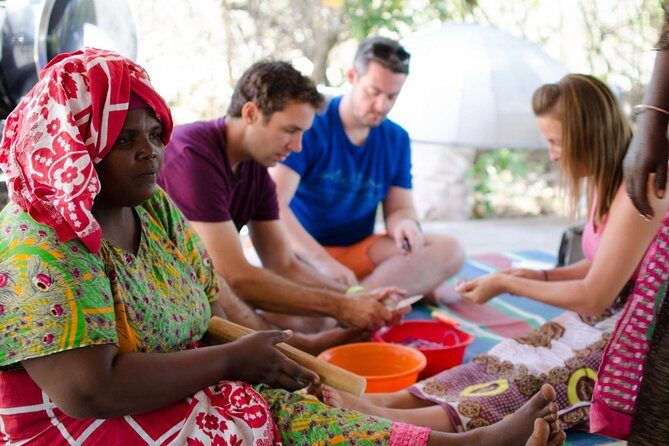
I’d plan this like a mini adventure with real movement: market, farm, class, lunch, then back to town.
A few things that help:
- Bring cash for optional purchases at the market or farm if you want extra ingredients or products. The tour includes ingredient buying for the class, but personal shopping is a separate choice.
- Wear comfortable shoes. Stone Town areas and market floors can be uneven and crowded.
- If you’re checking out or traveling that day, build in buffer time. Some accounts report late pickup or miscommunication issues, so protect yourself with schedule slack.
- During cooking, focus on the process. The more you watch seasoning timing and basic techniques, the easier it is to repeat later at home.
Should You Book This Zanzibar Cooking Class & Spice Tour?

If you want the real Zanzibar food story—market ingredients, spice farm flavor education, then a cooking class with lunch—this is a strong yes. The best parts people highlight are the cooking instruction, the warm hosting, and how the spice and tastings make the recipes click. Even when the spice portion is good on its own, it’s the pairing of farm education and hands-on cooking that makes the day feel worthwhile.
I’d especially book it if:
- You’ll enjoy cooking and want practical take-home skills
- You like small groups and guided explanation
- You want to taste spice-fruits and then use similar flavors in what you cook
Skip or think twice if:
- Your day is tightly scheduled with zero flexibility
- You get stressed by shopping or possible sales moments at the farm
- You only want passive sightseeing and don’t want a structured cooking experience
FAQ
FAQ
What time does the Zanzibar cooking class and spice tour start?
It offers a morning session starting at 9:00 AM and an afternoon session starting at 3:00 PM.
How long is the tour?
The tour lasts about 5 hours.
Where does the tour start?
The start point is listed as R5QQ+697, Zanzibar, Tanzania.
Does the tour include hotel transfers?
Yes. Choice of start times with Stone Town hotel transfers included is part of the experience.
What happens at Darajani local market?
You’ll have a short guided visit and you can buy ingredients there to use later in the cooking class.
What do you do at the spice farm?
You tour the spice farm and enjoy tastings of spice-fruits.
Is lunch included?
Yes. After the cooking class, lunch is included with the meal you prepare.
How big are the groups?
The tour has a maximum of 10 travelers.
What ticket type do you receive?
You get a mobile ticket.
What is the cancellation policy?
This experience is non-refundable and cannot be changed for any reason. If you cancel or ask for an amendment, the amount you paid will not be refunded.