REVIEW · ARUSHA
1 Day: Arusha National Park
Book on Viator →Operated by Serengeti Camping Safari · Bookable on Viator
A 4×4 safari in Arusha starts with a good view. This one-day outing in Arusha National Park is built for close, easy wildlife watching—especially the park’s strong population of Masai giraffes. You’ll ride in a pop-up roof jeep with lots of visibility, then take a break with an included picnic lunch.
Two things I really like: the mix of wildlife you can realistically spot in a single morning, and the way the vehicle is set up for actually seeing (and photographing) animals without constantly shifting seats. One thing to consider: it runs on a good-weather requirement, so plan for the day’s schedule to be flexible if conditions are rough.
In This Review
- Key highlights worth knowing
- A private-feeling Arusha National Park day in a pop-up roof 4×4
- What wildlife odds feel like in Arusha’s smaller, varied park
- Mount Meru and crater country: where the scenery helps the spotting
- Ngurdoto Crater rainforest and the monkey viewing window
- Timing, pickup, and how the day actually flows
- Price and value: what $440 buys in a one-day safari
- Who should book this Arusha National Park safari
- Booking sanity check: what you should know before you go
- Should you book this Arusha National Park safari?
- FAQ
- How long is the Arusha National Park safari?
- Is hotel pickup and drop-off included?
- What’s included with the price?
- Do I get a picnic lunch?
- What time does the safari start?
- What wildlife should I expect to see?
- Do I need a ticket for the park?
- What if the weather is poor?
Key highlights worth knowing
- Pop-up roof jeep: sit with a wide field of view and spot animals sooner
- Masai giraffes are a main draw: a strong chance of seeing them during your drive
- Mount Meru area variety: crater and river scenery in a smaller park
- Ngurdoto Crater rainforest stop: a good setting for monkey sightings
- Picnic lunch included: food timing is built into the day, not an afterthought
- Hotel pickup in Arusha: fewer logistics headaches for a one-day itinerary
A private-feeling Arusha National Park day in a pop-up roof 4×4
If you want a safari day that feels focused—without feeling rushed—this is a smart way to do it. Arusha National Park is relatively small, but it still delivers big variety because it wraps around volcanic terrain, crater areas, and forested zones. In about seven hours, you can move through multiple habitats while staying based out of Arusha.
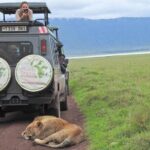
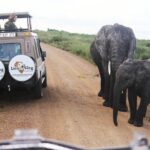
The ride itself is a big part of why this tour works. You travel in a 4×4 safari vehicle with a pop-up roof and six window seats. That matters because on safari your best shot often comes early—before animals realize you’re interested. From the roof, you can scan open spots and treelines faster than you would from a low vehicle, and you’ll spend less time craning your neck like a meerkat on a mission.
Also, this is set up as a private experience for your group. That typically means you’re not stuck doing the same slow shuffle with strangers around you. It’s still a full safari day, but the pace and viewing angles tend to feel more tailored to your time with the guide.
One more practical note: your start time is 8:00 am. That’s an advantage. Morning light helps, and animals often seem more active before the day heats up and the roads get busier.
A few more Arusha tours and experiences worth a look

What wildlife odds feel like in Arusha’s smaller, varied park
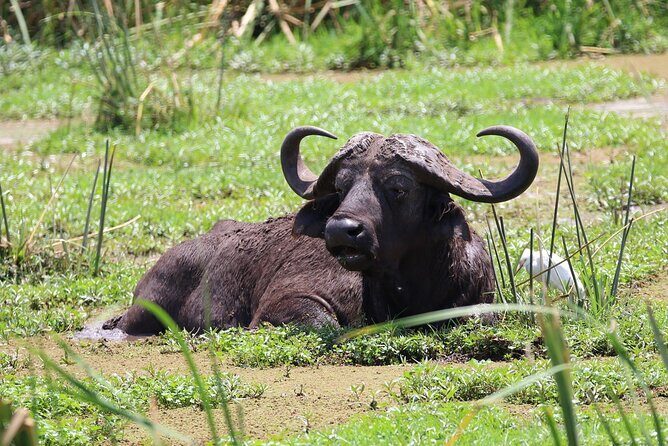
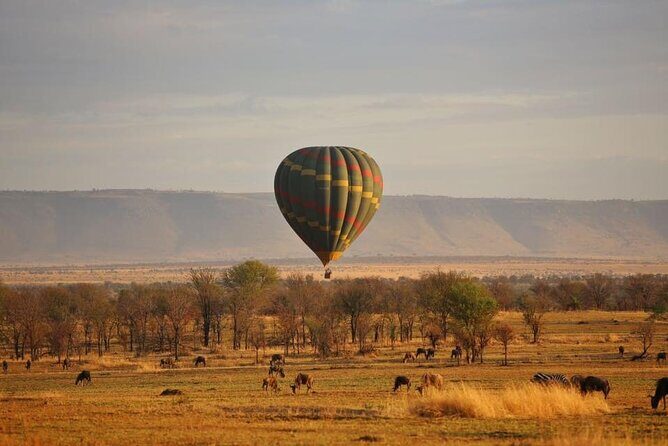
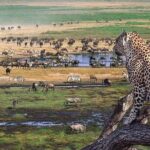
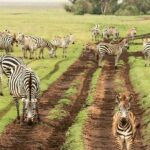
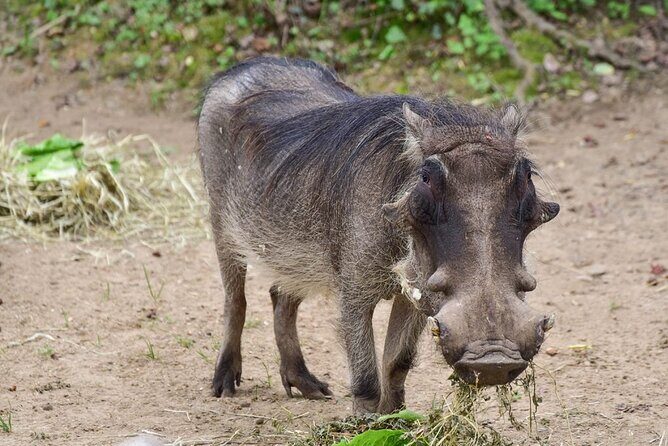
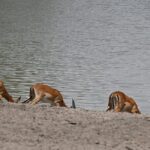
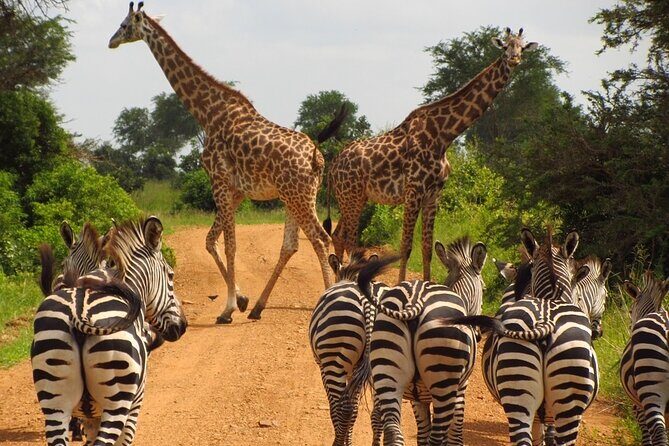
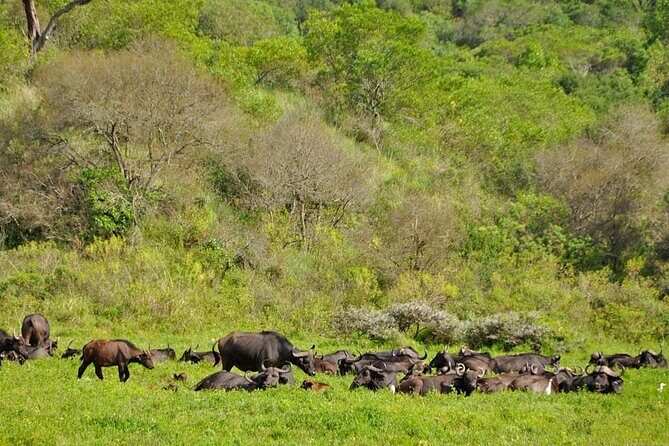
You’re not just chasing one animal here. The park is known for Masai giraffes, but your day is also geared toward the kind of species sightings that make safari memorable. Along the drive, you’re likely to see buffalo, warthogs, zebras, and different types of antelope. Even when animals aren’t right in front of you, you’ll usually get enough opportunities to keep scanning rather than waiting in one spot for long.
Here’s why that matters for your planning: on a one-day safari, you want a park where sightings are realistic even if the day doesn’t turn into a wildlife miracle. Arusha National Park is small enough that the drive time doesn’t erase your chances, and varied enough that you’re not stuck with only one habitat view.
And yes, the giraffes are the headline for a reason. Their presence can set the tone for the entire day. Once you spot them calmly feeding or watching from nearby slopes, the rest of the drive feels easier—like you’re already in the right place.
Mount Meru and crater country: where the scenery helps the spotting
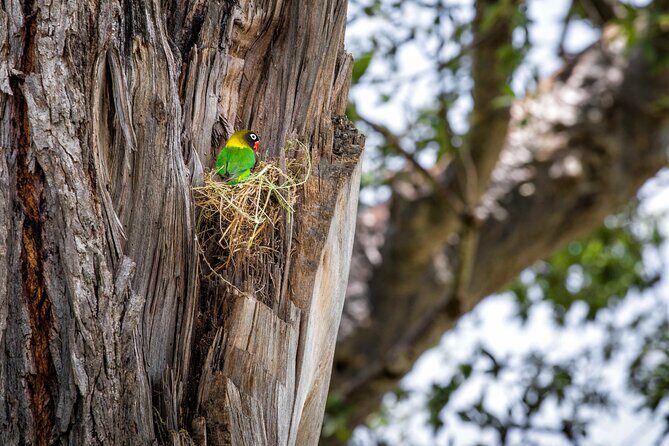
The Arusha National Park area includes Mount Meru, a volcano rising to 4,566 meters. Even if you’re not hiking to the summit, the volcano’s presence shapes the park—especially the crater regions and the way water and vegetation spread through the area.
One of the key zones you pass through is the Meru Crater area, described as funneling the Jekukumia River. That’s more than trivia. Rivers and crater funnels often create predictable paths for animals. When water sources and vegetation edges line up, you’re more likely to see animals moving between cover and open ground.
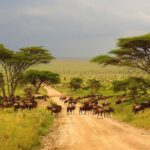
During your game drive, this is where you might run into buffalo herds, warthogs, zebras, and smaller forest-edge species such as bushbucks. The park’s layout helps with variety: you’re not only driving through wide-open grass. You’re also moving toward forest edges and crater settings that make it easier to spot different animal types.
A quick practical thought: in crater areas, visibility can change as you crest a slope or enter a more shaded zone. I find that the best safari mindset is to keep scanning broadly when you’re in open terrain, then narrow your focus to edges—trees, bushes, and any patch of movement at the border between sun and shade.
Ngurdoto Crater rainforest and the monkey viewing window
As your drive continues toward the Ngurdoto Crater area, the environment shifts into a lush rainforest setting. This is where the day gets especially interesting if you like wildlife that isn’t always on the ground.
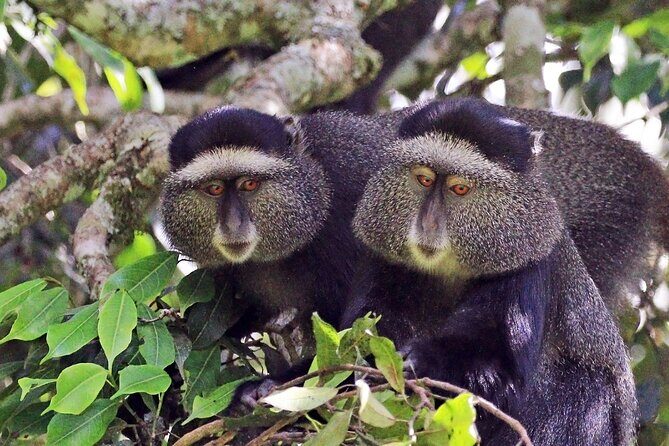
Your guide will be looking for monkeys such as the black-and-white colobus and the mitis monkey. These species can be active in forest canopy and at the edges of wooded patches, which is why your vehicle’s vantage point matters. Even if you’re not staring at the “perfect” spot, you can still catch movement above you and get on target faster.
A consideration here: monkeys can be quick. If you blink, you might miss the moment they hop between branches. That’s not a reason to skip this part—it’s a reason to stay alert and let your guide do the scouting. The value of a good driver/guide is that they recognize animal behavior fast and choose where to stop so you spend time looking rather than waiting.
Timing, pickup, and how the day actually flows
This is built around a single, long morning into early afternoon. Your tour starts at 8:00 am in Arusha, with round-trip transportation from your hotel included. For a day-trip safari, that convenience is a real cost saver, both in energy and in decision-making. You don’t need to arrange your own vehicle, negotiate meeting points, or wonder if you’re cutting it too close.
The tour time is about seven hours, which is enough to feel like you did a real safari day, not just a quick drive past a gate. You also get a picnic lunch included. That may sound standard, but on safari timing matters. If lunch is too late, it can crimp your afternoon viewing window. If it’s too early, you eat before the animals start getting active. Having it included typically keeps the day on track.
Your guide’s job is also to manage the flow of the drive: when to move, when to pause, and where to position for the best sightings. Based on strong feedback from previous guests, the guide’s ability to locate animals and find good viewpoints and trails is a core reason the experience lands well.
Price and value: what $440 buys in a one-day safari
At $440 per person, this isn’t a budget safari. But for a one-day trip with hotel pickup, a private safari setup for your group, a 4×4 pop-up roof vehicle, a professional driver/guide, admission coverage, and a picnic lunch, it can start to look more reasonable.
Here’s the math that matters for value: the cost includes multiple “hard” pieces that are easy to forget when comparing prices—transport from your Arusha hotel, the safari vehicle type, and the guide’s time. Many cheaper options may provide transport or a basic vehicle, but you often end up paying separately for entry and food. In this tour, those categories are already handled.
You also get quality-of-view value. That pop-up roof isn’t a luxury detail; it’s a practical spotting tool. When you can see over brush and scan more quickly, you’re more likely to have a rewarding day even if animals don’t line up perfectly.
What’s not included matters too. Tips for the driver/guide aren’t included, and travel insurance and visa fees are also not part of the price. International flights are, of course, separate.
If you’re counting value, I’d frame it this way: pay a bit more, get a setup built for viewing, and spend your day focusing on wildlife—not logistics.
Who should book this Arusha National Park safari
This is a strong choice if:
- You want a full safari day from Arusha without transferring to another base.
- You care about visibility and want a vehicle designed for spotting from above.
- You’re especially interested in seeing Masai giraffes plus a wider mix of species.
- You’d rather have your time with one guide and one group rather than sharing your schedule with strangers.
It may be less ideal if:
- You’re the type who wants long breaks, slow walks, or a lot of hiking time. This day is about the drive and viewing.
- Weather is uncertain for you. The tour requires good weather, and in poor conditions the experience may be rescheduled or refunded.
Booking sanity check: what you should know before you go
The tour uses a mobile ticket, and you should receive confirmation at the time of booking. Start time is 8:00 am, and the activity ends back at your meeting point in Arusha.
It’s also worth noting that it’s listed as a group tour in one place but described as a private tour/activity where only your group participates. In practice, this usually means you shouldn’t be crammed into a huge shared schedule with strangers—so it’s worth confirming with the operator if you want clarity on exact passenger counts.
Lastly, plan your day so you’re not rushing afterward. With a seven-hour safari and pickup/return built in, you’ll be happiest if you leave enough cushion for the real-world timing of roads, animal pauses, and viewpoint stops.
Should you book this Arusha National Park safari?
Yes, if you want a one-day Arusha experience that’s built for wildlife watching and easy logistics. The big reasons are the pop-up roof 4×4, the included picnic lunch, and the clear focus on seeing Masai giraffes along with other safari favorites like buffalo, zebra, warthogs, and antelope.
I’d say skip it only if your schedule is extremely tight, you know weather could be bad, or you specifically want long walking time and hikes. Otherwise, for a morning-start safari from Arusha with real viewing access, this is the kind of tour that turns a short trip into a memorable wildlife day.
FAQ
How long is the Arusha National Park safari?
It lasts about 7 hours (approx.).
Is hotel pickup and drop-off included?
Yes. Round-trip transportation from your Arusha hotel is included.
What’s included with the price?
Meals and drinks are included, along with all fees and taxes, the 4×4 safari jeep with a pop-up roof, and a professional driver/guide.
Do I get a picnic lunch?
Yes. A picnic lunch is included.
What time does the safari start?
The start time is 8:00 am.
What wildlife should I expect to see?
You may see Masai giraffes, zebras, warthogs, buffalo, bushbucks, and various antelope. Monkeys like black-and-white colobus and mitis monkey may be seen in the crater rainforest area.
Do I need a ticket for the park?
Admission ticket is listed as free, and the tour includes all fees and taxes.
What if the weather is poor?
The experience requires good weather. If it’s canceled due to poor weather, you’ll be offered a different date or a full refund.