REVIEW · ZANZIBAR CITY
Zanzibar: Stone Town History Walking Tour with a Local Guide
Book on GetYourGuide →Operated by Zanziphoria | Zanzibar Tours · Bookable on GetYourGuide
Stone Town can look like a postcard and still teach you something. A guided walk through its narrow alleys and landmark corners gives you a street-level handle on Swahili culture, the architecture, and the stories tied to the coast, spice trade, and old power centers. I especially liked the chance to learn from a local guide and the way you get built-in photo moments at places like Forodhani Gardens and the House of Wonders area. One thing to consider: if you’re chasing super-specific, data-heavy history on topics like the slave trade, the 1960 revolution, or port economics, you may want to ask questions early, because the experience can lean more story-and-street than lecture.
For me, this is the kind of tour that helps you get your bearings fast. You’ll cover major highlights while still getting time for short breaks and a bit of shopping without turning the whole outing into a nonstop march.
In This Review
- Key Highlights You’ll Feel Immediately
- Why Stone Town on Foot Works So Well
- The Real Value: A $12 Tour That Includes the Right “Anchor” Stop
- Pickup, Timing, and How the Tour Stays Manageable
- Entering the Old City: Narrow Alleys, Modest Dress, Quick Comfort Wins
- Former East Africa Slave Market: A Serious Stop With Real Context
- House of Wonders Area: Architecture You Can Read Like a Story
- Old Fort: Where Strategic Control Feels Close-Up
- Break Time and Photo Stops: Turning Heat and Crowds Into a Better Experience
- Forodhani Gardens: The Colorful Payoff (And a Food-Market Moment)
- Markets and Shopping Time: What to Look For Without Losing the Plot
- Guide Style Makes or Breaks This Tour
- Price Breakdown: When $12 Feels Like a Good Deal
- Who This Tour Suits Best
- Practical Tips So You Don’t Waste Your Best Time
- Should You Book This Stone Town History Walking Tour?
- FAQ
- How long is the Zanzibar Stone Town history walking tour?
- Is pickup included, and where does it happen?
- What are the main sights included on the walk?
- What is included in the price?
- Is the Freddie Mercury Museum included?
- What languages are the guides available in?
- What should I bring and wear?
- Is the tour wheelchair accessible?
- What is the cancellation and payment option?
Key Highlights You’ll Feel Immediately
- 3-hour Stone Town pace that’s long enough for landmarks and short enough to keep energy for photos.
- A local guide you can talk to, with real conversation and on-the-spot adjustments (I’ve seen guides like Isaak and Abdi handle the flow well).
- UNESCO World Heritage streetscapes you can photograph comfortably in daylight hours.
- Market time that isn’t just window-shopping, including a visit tied to a Former East Africa Slave market and time around craft stalls.
- Forodhani Gardens as your payoff, with a photo-friendly break and a food-market feel.
Why Stone Town on Foot Works So Well
Stone Town is a place where the streets matter. The buildings, the turns, the courtyards, the small openings into shops and markets—those details don’t land the same way from a car window. A walking tour also forces the right kind of attention: you’ll slow down enough to notice doorways, carved wood, and the way people actually move through the city.
This tour lasts 3 hours, which is perfect if you’re short on time or you want your first pass at Stone Town to be guided. You’ll hit recognizable stops and also get the less-obvious streets that make the city feel lived-in, not staged.
You can also read our reviews of more walking tours in Zanzibar City



The Real Value: A $12 Tour That Includes the Right “Anchor” Stop
At $12 per person for 3 hours, the best value is not just the guide. It’s that admission to the Former East Africa Slave market is included, plus bottled water and guiding services. For a city like Stone Town, where a lot of highlights are spread through walking distance, that “anchor” stop helps you feel grounded in context instead of just seeing pretty architecture.
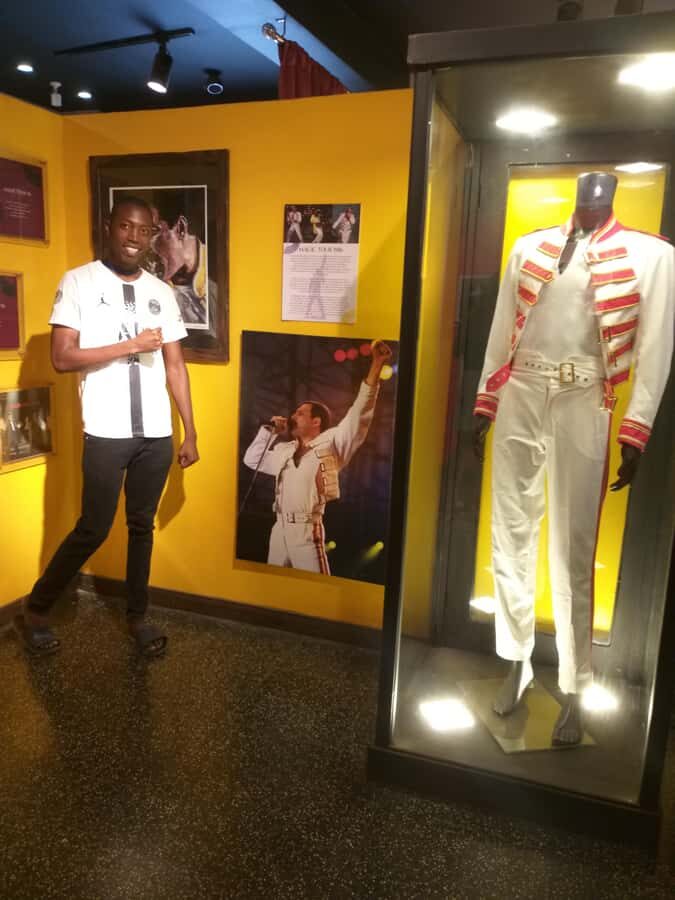
What isn’t included is important too. You might want the Freddie Mercury Museum, but that’s listed as approximately $8 per person, so budget extra if you’re a fan. Also, transportation back to your hotel isn’t included unless requested, so plan on your own way once the tour ends.
Pickup, Timing, and How the Tour Stays Manageable

You get pickup included from your hotel lobby or main entrance in Stone Town. The driver/guide will ask you to be ready about 10 minutes before the scheduled pickup time. That matters because Stone Town’s streets can make timing feel slippery; starting on schedule helps you avoid losing prime photo light.
The tour is described as a private group, which is a big quality-of-life upgrade. In a private setup, the guide can adjust pace when you pause for photos, when you want extra explanation, or when you’re simply tired from the heat.
You’ll also get a safety briefing, plus the schedule includes break time and photo stops—so it’s not just walking until your calves file for retirement.
Entering the Old City: Narrow Alleys, Modest Dress, Quick Comfort Wins
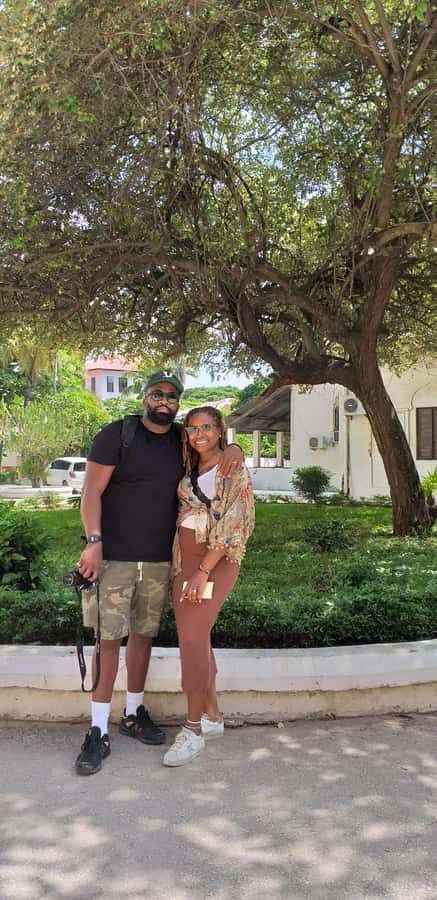
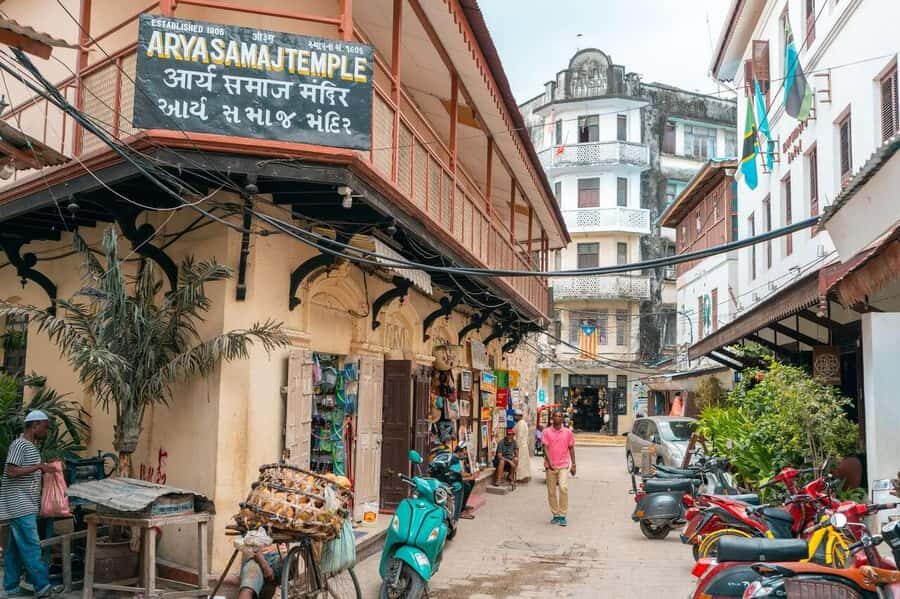
Stone Town walking means uneven, narrow streets. You’ll want comfortable shoes because you’ll be stepping around curb edges and irregular pavement. Sun protection is also not optional. Bring sunglasses and a sun hat, especially if you’re going during the brighter hours.
Dress modestly. Zanzibar is Muslim-majority, and the tour explicitly asks for modest clothing to respect local customs. That’s not about being overly formal—it’s about keeping the day smooth and comfortable when you pass through lived-in spaces.
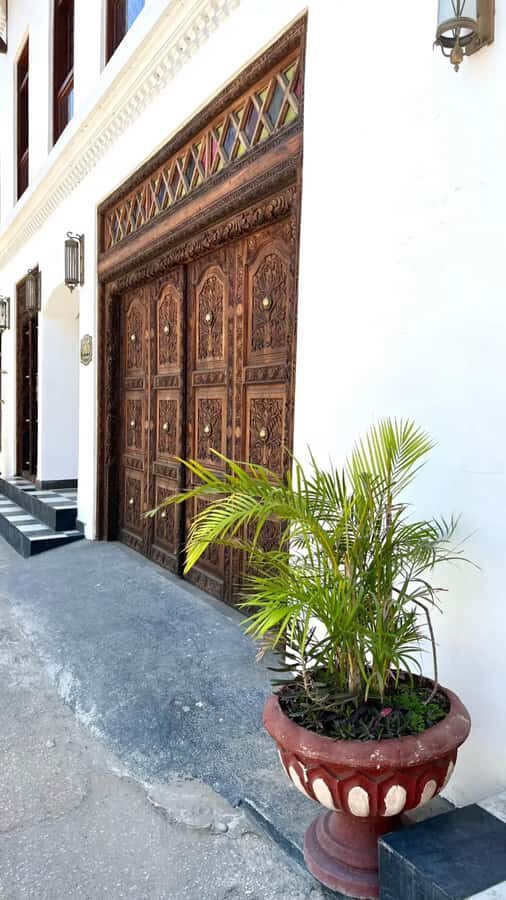
And yes, bring your camera. The tour is set up for photo stops, and the architecture is the kind where you’ll want more than one angle—street level, doorway detail, then back for a wider shot.
Former East Africa Slave Market: A Serious Stop With Real Context
One of the key included elements is the Former East Africa Slave market ticket. This is not a casual photo stop. It’s a place where the history needs space, and a good guide should help you understand what you’re looking at, not just point and move on.
Here’s the tradeoff to be aware of: one review flagged that the guide didn’t go into the depth of certain specific historical points they expected, including detailed coverage on the slave trade, the 1960 revolution, and economic context for Zanzibar’s port. That doesn’t mean the tour is weak—it means the depth can vary based on your guide’s style and what you ask.
If you care about those specifics, ask directly at the start. Something simple like, What parts of the story will we focus on most today? can steer the conversation in a useful direction.
You can also read our reviews of more guided tours in Zanzibar City






House of Wonders Area: Architecture You Can Read Like a Story

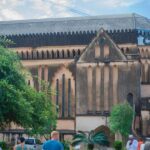
The tour includes a stop connected to the House of Wonders. Even if you only take a few photos, you’ll likely come away thinking differently about the city’s built environment. Zanzibar’s stone architecture isn’t just pretty; it’s tied to status, trade connections, and shifting power over time.
This is also where a great guide shines, because the best explanations connect design choices to people’s lives. The tour promises stories about ancient palaces and traditions—exactly the kind of framing that makes architecture feel meaningful, not just decorative.
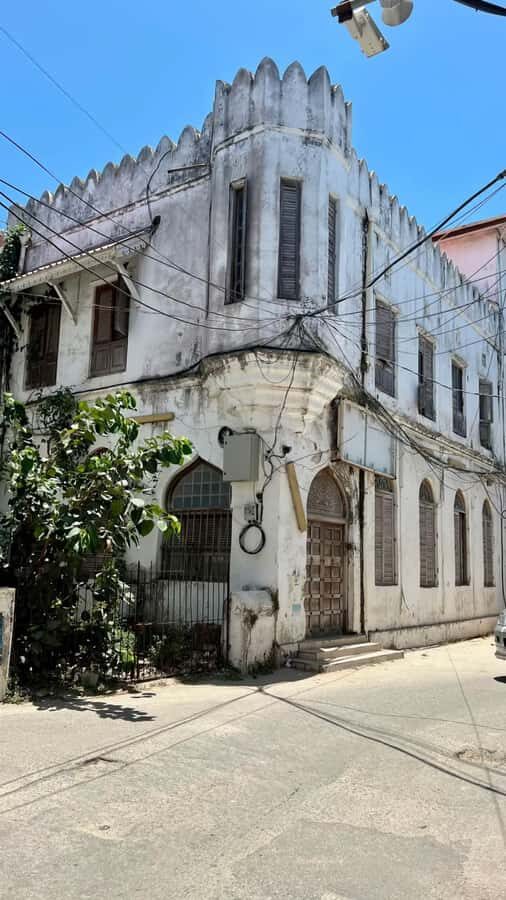
Keep your eyes open for details you can’t capture from a distance: the texture of the buildings, doorways, and the way streets funnel you toward certain view lines. Those details are often what you’ll want to remember later.
Old Fort: Where Strategic Control Feels Close-Up
You’ll also visit the Old Fort. Fortifications are easy to understand when you’re standing near them. They teach you how the island’s location and history mattered—control of movement, defense, and the reality of living near the sea.
The tour includes built-in time for walking and visiting, so you won’t feel rushed. If you like history that’s tied to physical places—walls, edges, vantage points—this stop is likely to land.
Break Time and Photo Stops: Turning Heat and Crowds Into a Better Experience

Stone Town can be busy. That’s where the tour’s pacing helps. You get break time and at least one photo stop, plus time that can include free moments and shopping around markets.
This matters for two reasons:
- Your photos will improve. You’ll have the chance to step into the right angle instead of shooting while walking.
- You’ll last the full 3 hours. Heat and uneven walking add up, especially on a first visit.
If your guide is responsive to your pace, you’ll feel it here. One review noted that their guide adjusted the pace and found comfortable places for breaks and questions—exactly how a good short tour should work.
Forodhani Gardens: The Colorful Payoff (And a Food-Market Moment)
The tour includes Forodhani Gardens. This is one of those Stone Town places that makes the city feel like a living neighborhood rather than a museum. It’s also photogenic in a very practical way: you can pause, look around, and capture the scene without needing to hunt for angles for hours.
There’s also a food market visit included. Even if you don’t buy anything, you’ll understand the everyday texture of the area. If you do want snacks, just keep it simple and travel-safe with your own judgment.
For me, Forodhani Gardens is the emotional midpoint-to-finale of a first-time Stone Town walk. It’s where the city’s energy becomes visible.
Markets and Shopping Time: What to Look For Without Losing the Plot
The tour includes shopping time, including an arts & crafts market visit (listed as part of the 3-hour experience). That’s valuable because it gives you a real chance to interact with local goods instead of grabbing souvenirs from the first shop you see.
Here’s how to do market time well:
- Look for items that show Zanzibar craft details, not just mass-produced pieces.
- Ask the guide if there’s a better place to browse, since they’re the one who knows the route and the flow.
- Keep your shopping light if you plan to keep walking after the tour. Small, easy purchases are the best souvenirs for a city of narrow streets.
You’ll also pass through markets and see how everyday commerce blends into the historic setting. That contrast is part of why Stone Town feels unique.
Guide Style Makes or Breaks This Tour
A short walking tour lives or dies by the guide’s style. This experience is listed as a live guide with multiple languages (English, French, German, Italian, Spanish). That’s great for clarity, but the real difference is what the guide chooses to emphasize.
In real-world examples, Isaak was praised for being individually responsive to wishes and for keeping the pace from feeling dull. Abdi was praised for introducing Stone Town and its history well, with architecture and markets getting special attention.
My advice: if you want the guide to go deeper, speak up early. Ask what angle they’ll focus on—palaces, architecture, trade, or cultural traditions. A private group setup makes that easier.
Price Breakdown: When $12 Feels Like a Good Deal
Here’s what you get for $12 per person:
- Guiding services
- Bottled water
- Entry/admission ticket to the Former East Africa Slave market
- A 3-hour route through key Stone Town highlights plus market time and photo stops
Then what costs extra:
- Freddie Mercury Museum (about $8 per person, approximate)
- Your own personal nature items
- Transfers from/to your hotel are not included, though pickup is
For many travelers, the included admission ticket is what tips this toward good value. You’re not paying extra just to access one of the most historically important stops.
Who This Tour Suits Best
This walking tour fits best if you:
- Want an efficient first look at Stone Town’s historic core
- Like photos, markets, and architecture with context
- Enjoy learning from a guide who can handle your questions (especially in a private group)
- Have about 3 hours and want a route that covers major stops without overplanning
It may be less suitable if you:
- Have back problems, because the tour involves walking on uneven, narrow streets
- Get affected by altitude issues (listed as not suitable for people with altitude sickness)
- Prefer long, lecture-style history sessions with heavy detail on one specific topic
Also, it’s listed as wheelchair accessible, but because walking surfaces are uneven and narrow, use caution and consider your mobility needs carefully.
Practical Tips So You Don’t Waste Your Best Time
A few things that make your day better right away:
- Wear comfortable shoes before you arrive. Don’t rely on sandals unless your feet are happy with uneven streets.
- Bring a camera and keep it accessible for photo stops and markets.
- Use a hat and sunglasses for sun protection.
- Dress modestly so you can move smoothly through local areas.
- If you’re sensitive to pacing, say it early. The tour includes break time, but you should still guide the guide (politely).
And don’t bring what’s listed as not allowed: pets, loose clothing, or anything that could conflict with local expectations (including nudity).
Should You Book This Stone Town History Walking Tour?
If you want a solid first-day orientation to Stone Town, with landmark stops like the House of Wonders, Old Fort, and Forodhani Gardens, this is a strong choice—especially at $12 for 3 hours with the key admission ticket included.
I’d book it if you like learning through walking, photos, and conversation, and you want the city’s Swahili culture and trade-era stories connected to real streets. I wouldn’t book it expecting a deep, exhaustive lecture on every historical detail. If that’s your goal, you’ll be happier if you go in with a short list of questions so your guide can match your interests.
In short: it’s a practical, value-heavy way to experience Stone Town without turning your day into a complicated research project.
FAQ
How long is the Zanzibar Stone Town history walking tour?
The tour duration is 3 hours.
Is pickup included, and where does it happen?
Yes. Pickup is included, and your driver or guide picks you up from the lobby or main entrance of your hotel. Be ready about 10 minutes before the scheduled pickup time.
What are the main sights included on the walk?
The tour includes visits tied to the House of Wonders, the Old Fort, and Forodhani Gardens, plus a market visit area that includes the Former East Africa Slave market admission.
What is included in the price?
Included items are entry/admission ticket for the Former East Africa Slave market, guiding services, and bottled water.
Is the Freddie Mercury Museum included?
No. The Freddie Mercury Museum is not included and is listed as approximately $8 per person.
What languages are the guides available in?
The tour guide is available in English, French, German, Italian, and Spanish.
What should I bring and wear?
Wear comfortable shoes. Bring sunglasses and a sun hat, and consider a camera. Dress modestly to respect local customs.
Is the tour wheelchair accessible?
It is listed as wheelchair accessible, but it still involves walking on uneven, narrow streets. If you have back problems, it is listed as not suitable.
What is the cancellation and payment option?
Free cancellation is available up to 24 hours in advance for a full refund. There is also a reserve now & pay later option, where you can book and pay nothing today.